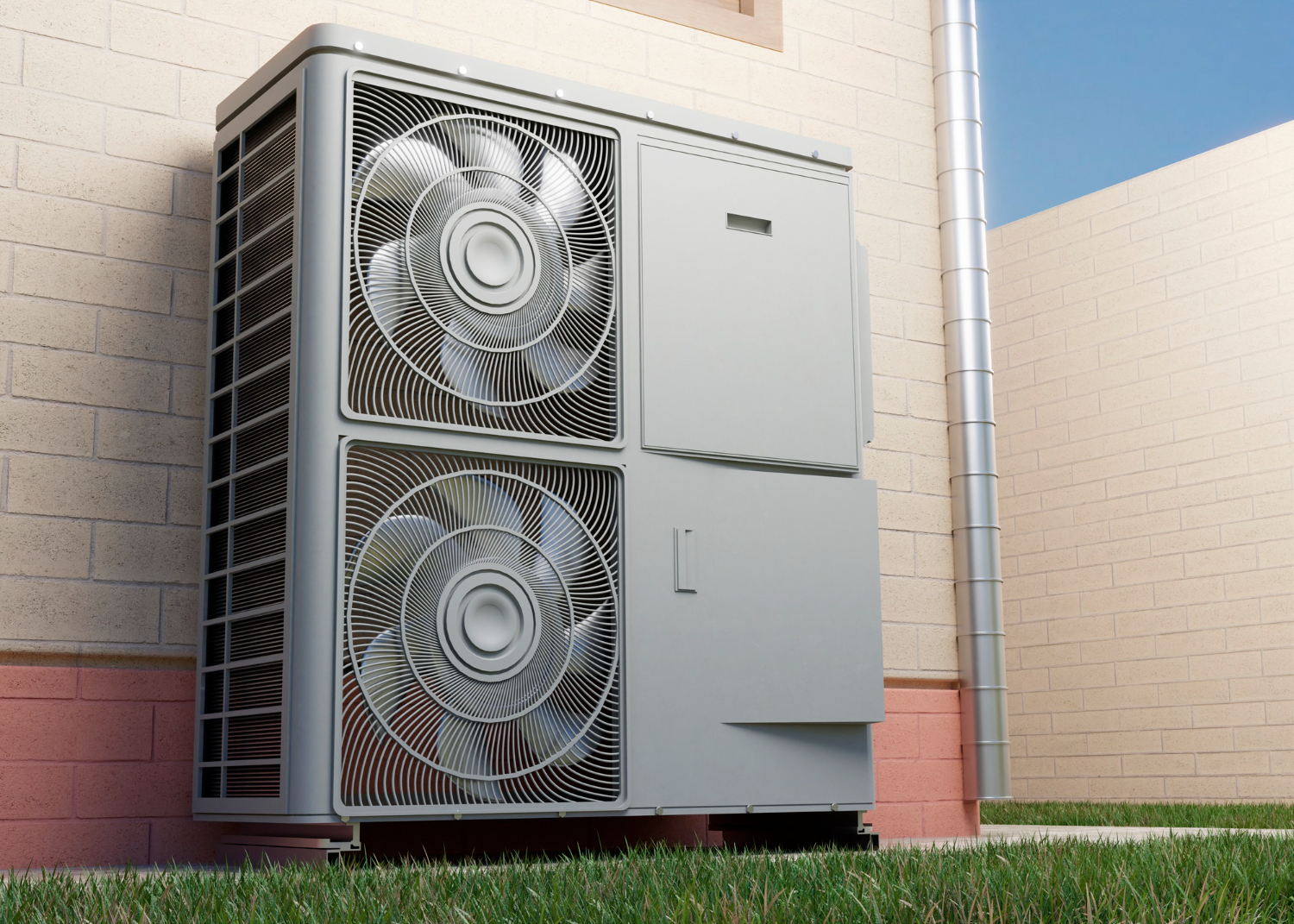
For students and faculty living in managed residential housing, Allred HVAC services represent the centralized climate control and maintenance systems responsible for heating, ventilation, and air conditioning within specific campus buildings. Understanding these services involves recognizing the distinction between standard operational maintenance, emergency climate control requests, and the specific limitations imposed by shared facility management protocols.
Defining the Role of Managed HVAC in Campus Environments
When you occupy a unit within a campus setting that utilizes Allred HVAC services, you are generally interacting with a commercial-grade infrastructure designed for high-density living. Unlike a private home where the occupant owns the thermostat and the mechanical hardware, campus HVAC systems are typically centralized. This means the individual resident controls the output—the temperature settings and fan speed—while the underlying system’s performance, air quality, and mechanical integrity are managed by facilities maintenance teams.
The primary goal of these systems is to maintain a consistent environment across multiple living quarters while minimizing energy waste. In large residential complexes, this often involves a Variable Refrigerant Flow (VRF) system or a centralized chiller and boiler plant. When you interact with the thermostat or control interface in your room, you are sending a signal to a building automation system that modulates the flow of air or water to your specific zone.
Understanding Your Responsibilities as a Resident
Living in a space serviced by Allred HVAC requires a shift in how you address comfort issues. Because the system is shared, you cannot simply call an outside contractor if your unit feels too warm or too cold. The internal policies of your campus housing department dictate the necessary steps for requesting adjustments or repairs.
Your core responsibility as a resident is to maintain the local environment and report operational failures accurately. This includes keeping furniture, curtains, or personal belongings away from vents and return-air intakes. These components require unobstructed airflow to function efficiently; blocking them can lead to ice buildup on cooling coils, reduced air quality, or trigger automated shutdowns to prevent mechanical damage. If you notice persistent issues, your role is to provide detailed information to your facilities management team, including the nature of the problem, the time of day it occurs, and any unusual sounds or odors originating from the HVAC unit.
Prerequisites for Requesting Service
Before initiating a work order for your HVAC system, it is vital to verify that the issue is indeed a mechanical fault rather than a misunderstanding of the building's operating parameters. Campus facilities often have specific "set-point" rules—predetermined temperature ranges that the system is programmed to maintain.
- Check the Current Settings: Ensure your thermostat or wall unit is set to the correct mode (Heat, Cool, or Fan). Some older systems require a manual switch-over that may not be automated.
- Consult the Housing Guidebook: Every campus resident portal should contain documentation regarding the "comfortable range" for your building. If the building is set to 72 degrees, and you are requesting it be set to 65, the facility management team will likely deny the request.
- Verify Peripheral Issues: Check if the room feels uncomfortable due to external factors, such as a window being left slightly ajar or direct sunlight heating the room. These factors often override even the most robust HVAC systems.
- Locate Your Request Portal: Most campuses use a dedicated maintenance request system (often referred to as a "work order portal"). Familiarize yourself with how to access this system using your student or faculty credentials.
Comparison of Service Requests vs. Emergency Repairs
Understanding the urgency of your HVAC issue is crucial for securing prompt attention. Facilities departments prioritize work orders based on the severity and impact on habitability.
| Situation Type | Description | Priority Level | Expected Response |
|---|---|---|---|
| Routine Comfort Adjustment | The room is slightly warmer or cooler than personal preference. | Low | Within 3–5 business days |
| Blocked/Obstructed Vent | Personal items are blocking airflow and causing inefficiency. | Moderate | Within 24–48 hours |
| Mechanical Noise/Odors | Unusual screeching, burning smells, or rattling from the unit. | High | Same-day inspection |
| Total System Failure | No air circulation or total loss of heating/cooling in extreme weather. | Critical | Immediate response |
When filing a request, categorize your issue accurately. If you label a "routine adjustment" as a "total system failure," it may lead to confusion, delay your resolution, and potentially incur service fees if the technicians find that the system is operating perfectly within factory specifications.
The Lifecycle of an HVAC Maintenance Request
Once a request is submitted through the appropriate campus channel, it enters a structured workflow. First, the dispatch office reviews the request to determine if it requires a manual inspection or if it can be resolved remotely via the building management software.
If a technician is dispatched, they will evaluate the physical hardware. In many campus environments, this involves checking the filters, clearing condensate lines, and inspecting the fan motors. For residents, the "next action" is to ensure access. If you are required to be present for the service, ensure you have communicated your availability clearly in the work order. If the technician does not need you present, ensure that pets are secured and personal items are moved away from the HVAC closet or wall unit to provide them with the necessary workspace.
After the repair, you will likely receive a notification—either via email or through the portal—detailing what work was completed. It is important to read these reports; they often contain advice on how to prevent the issue from recurring, such as cleaning the lint trap or being mindful of the room's humidity levels.
Common Troubleshooting Steps for Residents
Before submitting a request, there are several steps a resident can take that may save time and frustration:
- Cycle the Power: Locate the circuit breaker for your unit (if accessible) or the power switch on the unit itself. Turning the system off for thirty seconds and then back on can sometimes reset the electronic control board.
- Inspect the Intake: Check for dust accumulation on the intake vent. In dormitories, these can collect hair, dust, and lint rapidly. A gentle vacuuming of the grate can often restore airflow significantly.
- Observe the Condensate: If you have an air conditioning unit that is leaking water, check for a clogged drain line. If you see a small puddle inside the unit's cabinet, do not attempt to disassemble it; this is a clear sign that a professional technician must clear the lines.
- Test the Sensors: Ensure that there is no heat-generating equipment (like a halogen lamp or a powerful computer) placed directly next to the thermostat. Heat sources can "trick" the sensor into thinking the room is warmer than it actually is, causing the AC to run constantly.
Addressing Recurring Issues and Escalation
If you find yourself submitting multiple work orders for the same issue, the problem may be systemic rather than isolated to your unit. In such cases, the burden of proof rests on consistent reporting. Maintain a log of when you submitted requests, who responded, and what the resolution was.
If the issue persists, escalate your communication through the Resident Advisor (RA) or the building manager. By presenting a documented history of the issue, you make a much stronger case for a deeper investigation, which might include replacing the air handler unit or recalibrating the building’s main air-balance dampers. Keep in mind that campus housing management operates under budget constraints; providing factual evidence of a recurring failure is the most effective way to justify a more expensive, permanent repair.
Frequently Asked Questions (FAQ)
What should I do if the HVAC system in my room is making a loud, grinding noise? Turn the system off immediately and submit an emergency maintenance request. Grinding noises often indicate a failing blower motor or a loose fan blade. Continuing to run a malfunctioning unit can cause total system failure or potential fire hazards.
Are there specific fees associated with HVAC repairs in campus housing? Generally, routine maintenance is covered by your housing fees. However, if a repair is necessitated by physical damage caused by the resident—such as an object forced into the vent or damage to the thermostat interface—you may be billed for the parts and labor required to rectify the damage.
Why does my room feel humid even when the air conditioner is running? Humidity issues in campus housing are often due to an imbalanced moisture removal rate. If the cooling cycle is too short (the room reaches the set temperature too quickly), the system may not run long enough to strip moisture from the air. This is a common issue in smaller, well-insulated rooms and should be reported to facilities as a potential calibration issue.
Can I install my own portable air conditioner or heater? Most campus housing policies explicitly prohibit unauthorized HVAC equipment due to electrical load limits and fire safety regulations. Before purchasing any supplemental climate control, consult your official housing agreement or student handbook to verify local regulations.
How often are air filters changed in campus housing? Filters are typically replaced on a scheduled cycle, often dictated by the building’s preventative maintenance plan. This is usually once per semester or quarterly, depending on the age of the equipment and the indoor air quality requirements of the facility.
Final Recommendations for Residents
To ensure the best experience with Allred HVAC services, prioritize proactive communication and documentation. Familiarize yourself with your building’s specific climate control protocols at the start of your residency. If you encounter an issue, test the basic troubleshooting steps provided above before opening a work order. When you do submit a request, be as descriptive as possible regarding the sound, temperature, and frequency of the issue. By acting as a responsible participant in your building’s maintenance, you help ensure a more comfortable living environment for yourself and your neighbors.