Human hearing is a sophisticated sensory process involving the collection of sound waves, their mechanical amplification, and their eventual conversion into neural impulses interpreted by the brain. Maintaining auditory health requires a clear understanding of ear anatomy, the mechanics of sound perception, and the proactive management of environmental risks and age-related changes.
The Mechanical and Biological Architecture of Hearing
To understand hearing, one must first view the ear not as a single organ, but as a three-part system working in precise sequence. This biological machinery is responsible for capturing vibrations in the air and translating them into a language the brain can understand: electricity.
The Outer Ear: The Sound Collector
The journey begins with the pinna (the visible part of the ear) and the external auditory canal. The pinna is uniquely shaped to funnel sound waves toward the eardrum. Beyond mere collection, the shape of the pinna helps humans localize sound, allowing us to distinguish whether a noise is coming from above, below, or behind us. As sound travels through the ear canal, it encounters the tympanic membrane, or eardrum. This thin, cone-shaped membrane vibrates in direct response to the pressure of incoming sound waves.
The Middle Ear: The Mechanical Amplifier
The middle ear is an air-filled cavity that houses the three smallest bones in the human body, known collectively as the ossicles: the malleus (hammer), incus (anvil), and stapes (stirrup). These bones act as a mechanical bridge. When the eardrum vibrates, it sets the malleus in motion, which moves the incus and then the stapes. This chain reaction is crucial because sound must transition from air into the fluid-filled environment of the inner ear. The ossicles provide the necessary leverage to amplify the sound pressure, ensuring the signal is strong enough to penetrate the denser fluid of the cochlea.
The Inner Ear: The Neural Converter
The cochlea, a snail-shaped structure filled with fluid, is where the most critical transformation occurs. As the stapes vibrates against the "oval window" of the cochlea, it creates ripples in the internal fluid. These ripples move the basilar membrane, which is lined with thousands of microscopic sensory cells called hair cells (cilia).
Different frequencies of sound stimulate different areas of the cochlea—high-pitched sounds affect the base, while low-pitched sounds travel to the apex. As hair cells move, they open chemical channels that create electrical signals. These signals are sent via the auditory nerve to the brain’s temporal lobe, where the signals are finally processed as recognizable sounds like speech, music, or environmental noise.
Classifying Hearing Loss and Auditory Disorders
Hearing loss is rarely a binary state of "on" or "off." It exists on a spectrum and is classified based on which part of the auditory system is malfunctioning. Understanding these distinctions is vital for determining the appropriate medical or technological intervention.
Sensorineural Hearing Loss
This is the most common type of permanent hearing loss. It occurs when there is damage to the tiny hair cells in the cochlea or to the pathways of the auditory nerve. Because these hair cells do not regenerate in humans, the damage is typically irreversible. Common causes include:
- Presbycusis: Age-related hearing loss that typically affects high-frequency sounds first.
- Noise-Induced Hearing Loss (NIHL): Exposure to loud sounds (over 85 decibels) that "fatigue" or kill hair cells.
- Ototoxicity: Certain medications, including specific antibiotics or high doses of aspirin, can be toxic to the inner ear.
Conductive Hearing Loss
Conductive loss occurs when sound cannot efficiently pass through the outer or middle ear to the inner ear. This is often treatable or temporary. Causes include:
- Fluid in the middle ear: Frequently associated with colds or allergies.
- Earwax (Cerumen) impaction: A physical blockage in the ear canal.
- Otosclerosis: A condition where the ossicles (specifically the stapes) become "stuck" and cannot vibrate properly.
- Perforated Eardrum: A hole or tear in the tympanic membrane caused by injury or infection.
Mixed Hearing Loss
Mixed hearing loss is a combination of both sensorineural and conductive components. For example, an individual with age-related sensorineural loss might also experience a conductive blockage due to a middle ear infection. Treatment usually focuses on resolving the conductive component first before addressing the sensorineural aspect with hearing aids.
Signs, Symptoms, and When to Seek Evaluation
In 2026, many adults wait an average of seven to ten years before seeking help for hearing changes. Early intervention is critical because the brain’s auditory cortex can undergo "reorganization" if it does not receive consistent stimulation, making it harder to adapt to hearing aids later.
Common indicators of hearing decline include:
- The "Mumble" Effect: Feeling as though people are speaking clearly enough, but failing to understand specific words, especially those with high-frequency consonants like 's', 'f', 't', and 'sh'.
- Social Withdrawal: Avoiding restaurants or group gatherings because the effort to filter background noise becomes exhausting—a phenomenon known as "listening fatigue."
- Tinnitus: A persistent ringing, buzzing, or hissing in the ears. While not a disease itself, tinnitus is often a symptom of underlying hair cell damage.
- Increased Volume: Needing the television or radio at a level that others find uncomfortable.
A professional evaluation by an audiologist typically involves an audiogram. This test plots the quietest sounds a person can hear across various frequencies. Results are measured in decibels (dB) and hertz (Hz). According to the American Speech-Language-Hearing Association (ASHA), normal hearing for adults is generally considered to be 20 dB or better across all tested frequencies.
Modern Solutions: The 2026 Technology Landscape
The landscape of hearing technology has shifted dramatically. As of 2026, the distinction between "medical devices" and "consumer electronics" has blurred, providing users with more choices than ever before.
Prescription vs. Over-the-Counter (OTC) Hearing Aids
Following the 2022 FDA regulations, OTC hearing aids have become a mainstay for adults with perceived mild-to-moderate hearing loss. These devices are self-fitting and available without a prescription. However, for those with severe loss or complex medical histories, prescription devices fitted by an audiologist remain the gold standard.
Advanced Features in Modern Devices
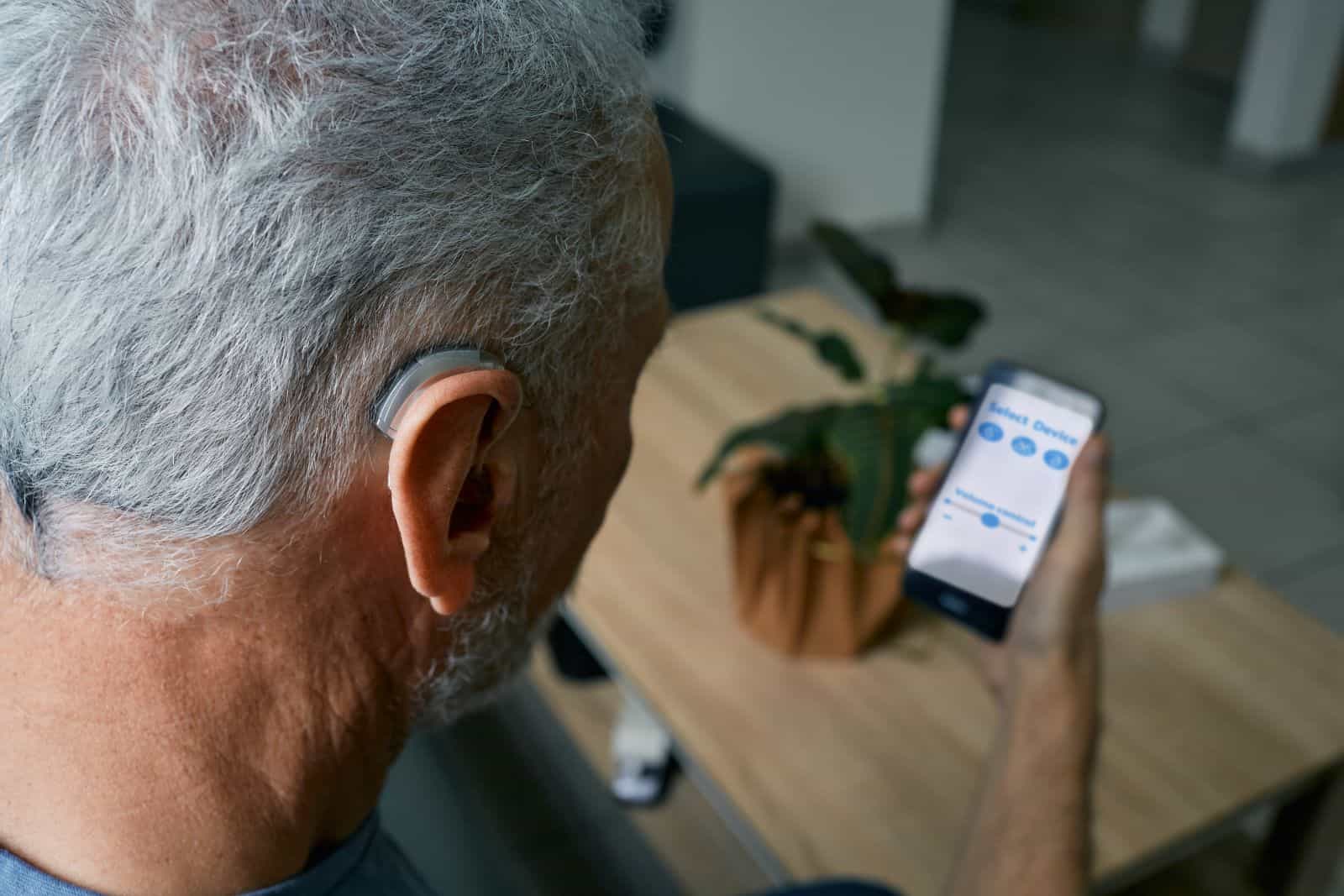
Current hearing aids are no longer just simple amplifiers; they are sophisticated wearable computers.
- AI Sound Processing: Modern chips use artificial intelligence to distinguish between speech and background noise in real-time, automatically suppressing wind or clattering dishes while enhancing the human voice.
- Biometric Integration: Many 2026 models include sensors to track heart rate, physical activity, and even "fall detection," which can alert emergency contacts if the wearer suffers a mishap.
- Direct Streaming: Most devices now support seamless Bluetooth LE (Low Energy) Audio, allowing users to stream phone calls, music, and TV audio directly into their ears without an intermediary device.
Hearing Aid Style Comparison
| Style | Best For | Pros | Cons |
|---|---|---|---|
| Behind-the-Ear (BTE) | All types of loss | Durable, powerful, features larger batteries. | Most visible style; can interfere with glasses. |
| Receiver-in-Canal (RIC) | Mild to profound loss | Small, natural sound quality, very popular. | Speaker is vulnerable to wax and moisture. |
| In-the-Ear (ITE) | Mild to severe loss | Easy to handle; custom-molded to the ear. | Can feel "plugged up" (occlusion effect). |
| Completely-in-Canal (CIC) | Mild to moderate loss | Virtually invisible; fits deep in the canal. | Short battery life; lacks some advanced features. |
Protecting Your Hearing: Prevention and Hygiene
While technology can compensate for hearing loss, it cannot truly "cure" it. Prevention remains the most effective strategy for maintaining auditory health throughout a lifetime.
The 60/60 Rule for Headphones
Audiologists recommend the 60/60 rule: Listen to audio devices at no more than 60% of the maximum volume for no more than 60 minutes at a time. Using noise-canceling headphones is particularly effective because it allows the listener to enjoy music at lower volumes by blocking out environmental competition.
Occupational and Recreational Protection
For those working in construction, manufacturing, or frequenting loud venues like concerts or sporting events, ear protection is mandatory. High-fidelity "musician's earplugs" are a recommended option in 2026; they reduce the volume evenly across all frequencies, preserving the quality of the sound while protecting the hair cells from damage.
Ear Hygiene: The Danger of Cotton Swabs
One of the most common causes of temporary hearing loss is earwax impaction caused by improper cleaning. The ear is a self-cleaning organ. Inserting cotton swabs into the canal often pushes wax deeper against the eardrum, leading to blockages or even tympanic membrane perforation. For most individuals, simply wiping the outer ear with a washcloth is sufficient. If wax buildup becomes a problem, over-the-counter softening drops or professional irrigation by a healthcare provider is the safest route.
The Impact of Hearing on Cognitive Health
Recent longitudinal studies emphasize that hearing health is not just about the ears; it is intrinsically linked to the brain. Untreated hearing loss has been identified as one of the most significant modifiable risk factors for cognitive decline and dementia.
When the brain has to work excessively hard to decode degraded signals from the ears, it uses cognitive resources that would otherwise be dedicated to memory and executive function. Furthermore, the social isolation often caused by hearing loss can accelerate cognitive degradation. By addressing hearing loss early with aids or implants, individuals can maintain higher levels of social engagement and reduce the "cognitive load" on their brains, potentially delaying the onset of cognitive symptoms.
Frequently Asked Questions
Can hearing loss be reversed with surgery?
Conductive hearing loss, such as that caused by earwax, fluid, or bone abnormalities like otosclerosis, can often be reversed or significantly improved through surgical intervention or medical treatment. However, sensorineural hearing loss involving hair cell or nerve damage is currently irreversible, though research into gene therapy and hair cell regeneration is ongoing in 2026.
Is it normal to have one ear hear better than the other?
While slight variations can occur, significant asymmetry (sudden or gradual) is a clinical red flag. Asymmetrical hearing loss can sometimes indicate a benign growth on the auditory nerve, such as an acoustic neuroma, and requires an immediate evaluation by an Ear, Nose, and Throat (ENT) specialist.
Why do my ears ring after a loud concert?
The ringing, known as temporary tinnitus, is a sign that the hair cells in your cochlea have been overstimulated and "exhausted." While the ringing usually fades within 48 hours, it serves as a warning that permanent damage occurred. Repeated instances of temporary tinnitus eventually lead to permanent hearing loss.
Do hearing aids really help with tinnitus?
Yes, for many people. Hearing aids can provide relief by amplifying environmental sounds, which makes the internal ringing less noticeable (masking). Many modern hearing aids also include dedicated tinnitus masking programs that play soothing "white noise" or fractal tones to help the brain habituate to the ringing.
How often should I have my hearing tested?
Adults with no known hearing issues should have a baseline hearing test and then follow-up screenings every three to five years. Once you reach age 60, or if you work in a high-noise environment, annual screenings are recommended to catch changes before they impact your quality of life.
Recommendations for Next Actions
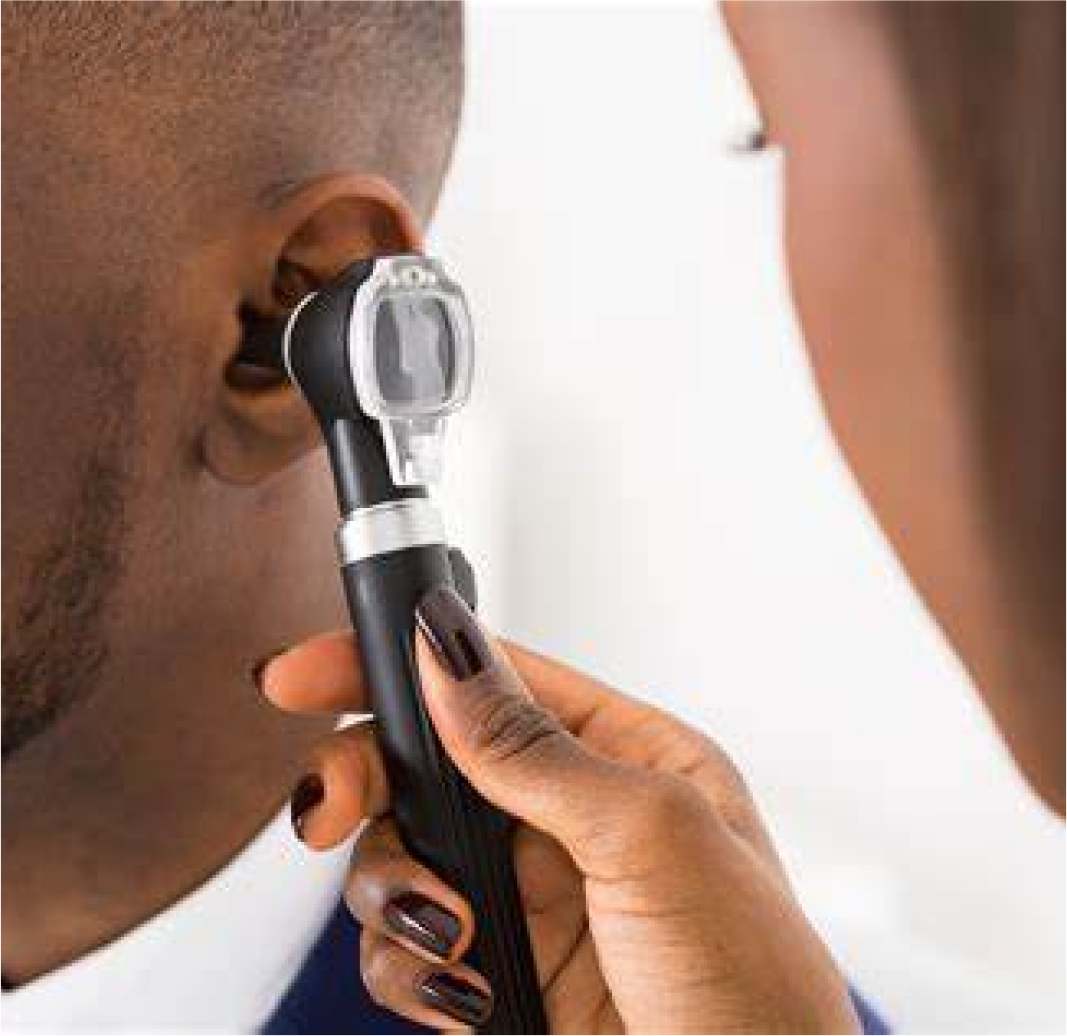
If you suspect you or a loved one is experiencing hearing changes, the first step is to schedule a comprehensive diagnostic hearing evaluation with a licensed audiologist. Unlike a simple "screening" found at health fairs, a diagnostic evaluation will pinpoint the exact type and degree of loss.
Before your appointment, document specific situations where you struggle—such as hearing in car rides or understanding children's voices—to help the specialist tailor a solution. For those with mild symptoms, exploring reputable OTC hearing aids may be a cost-effective starting point, but always ensure the device has a clear return policy as you adjust to your new auditory environment.