Alexander Allison is a pivotal figure in the digital health landscape, recognized primarily as the co-founder of Lumeon. His work centers on care orchestration—the automation and optimization of clinical workflows to reduce administrative burden. By transforming static Electronic Health Records (EHRs) into dynamic, automated pathways, Allison has redefined how healthcare providers manage patient journeys and operational efficiency.
The evolution of digital health has moved through several distinct phases: from the initial digitization of paper records to the explosion of telehealth, and finally to the current 2026 era of care orchestration and hyper-automation. At the heart of this progression stands Alexander Allison, whose strategic vision at Lumeon helped bridge the gap between "having data" and "using data" to drive clinical actions. To understand Allison’s impact, one must look beyond the software and into the fundamental restructuring of healthcare delivery models.
The Career Trajectory of Alexander Allison
Alexander Allison’s entry into the digital health space was driven by a fundamental observation: healthcare was data-rich but process-poor. While industries like aviation and logistics had mastered the art of complex workflow automation, healthcare remained tethered to manual task management, even after the widespread adoption of Electronic Health Records (EHRs).
Co-founding Lumeon in 2005, Allison and his team set out to solve the "last mile" problem in healthcare. While an EHR functions as a system of record (a digital filing cabinet), Allison envisioned a system of engagement and action. Throughout his tenure as Chief Operating Officer and in various leadership capacities, his focus remained on the operationalization of clinical protocols. By 2026, the industry views his contributions as foundational to the "Command Center" approach now prevalent in major health systems across the United States and Europe.
His influence extends into the strategic consulting realm, where he has consistently advocated for value-based care (VBC) models. Allison’s philosophy suggests that digital health tools are only as effective as the clinical pathways they support. This perspective shifted the conversation from "Which app should we buy?" to "How do we automate the patient journey from referral to recovery?"
Defining Care Orchestration: The Allison Legacy
The term "Care Orchestration" is frequently used in 2026, but its technical roots are deeply tied to the work popularized by Allison and Lumeon. Unlike traditional care management, which often relies on human coordinators making manual phone calls and scheduling appointments, care orchestration uses an automation engine to navigate the patient through the healthcare system.
The Mechanics of an Orchestrated Pathway
An orchestrated pathway, as championed by Allison, operates on an "If-This-Then-That" (IFTTT) logic applied to clinical data. When a specific data point enters the system—such as a lab result, a patient-reported outcome (PRO), or a missed check-in—the platform automatically triggers the next step.
- Data Integration: Fetching real-time data from the EHR via HL7 FHIR APIs.
- Logic Application: Running the data against evidence-based clinical protocols.
- Automated Action: Sending a digital instruction, such as booking a follow-up, alerting a nurse, or providing the patient with pre-operative instructions.
This systemic approach reduces the "cognitive load" on clinicians. Instead of a doctor having to remember to order a specific test three days before surgery, the system identifies the surgical date and executes the order automatically based on the predefined protocol Allison’s frameworks helped establish.
Lumeon’s Role in the Digital Health Ecosystem
Under Allison’s leadership and strategic guidance, Lumeon emerged as a leader in the Gartner Magic Quadrant and other industry benchmarks for clinical process automation. The platform’s ability to act as a "wrapper" around existing legacy systems allowed hospitals to modernize without the prohibitive cost of replacing their primary EHR.
Impact on Perioperative Care
One of the most significant applications of Allison’s vision is in perioperative (surgical) care. Traditionally, preparing a patient for surgery involves a dozen manual touchpoints. Lumeon’s orchestration engine automates the screening process, identifying high-risk patients who need an anesthesia consult while fast-tracking low-risk patients. This ensures that expensive "OR time" is never wasted due to last-minute cancellations caused by incomplete prep.
Population Health and Chronic Disease
Beyond surgery, Allison’s influence is seen in how digital health manages chronic conditions. By 2026, the "Lumeon approach" has been adapted for hypertension and diabetes management. Rather than waiting for a patient to show up at the ER, orchestrated systems monitor remote device data and automatically adjust care plans or schedule interventions when readings fluctuate outside of safe zones.
The Technical Depth of Digital Transformation in 2026
To appreciate Alexander Allison's position in 2026, one must understand the technical requirements of modern digital health infrastructure. Allison was an early proponent of interoperability standards, specifically the shift toward API-first architecture.
The Role of HL7 FHIR and CDS Hooks
The digital health landscape Allison helped build relies on:
- HL7 FHIR (Fast Healthcare Interoperability Resources): The standard for exchanging healthcare information electronically. Allison pushed for systems that don't just "store" FHIR resources but "react" to them in real-time.
- CDS Hooks (Clinical Decision Support): These allow the orchestration engine to "hook" into the clinician’s workflow within the EHR, providing real-time suggestions or automating documentation based on the current patient context.
By focusing on these technical pillars, Allison ensured that digital health tools were not just another screen for doctors to look at, but a silent partner working in the background to manage the "administrative noise" of medicine.
Strategic Comparison: Traditional vs. Orchestrated Care Models
The following table illustrates the shift in the digital health landscape that Alexander Allison helped facilitate, comparing traditional digital methods with the orchestrated models of 2026.
| Feature | Traditional Digital Health (Pre-Orchestration) | Orchestrated Care (Allison/Lumeon Model) |
|---|---|---|
| Data Usage | Reactive: Data is recorded after an event occurs. | Proactive: Data triggers the next clinical action. |
| Patient Contact | Manual: Staff calls patients for reminders/follow-ups. | Automated: Digital assistants handle 80% of routine comms. |
| Clinical Workflow | Fragmented: Clinicians must check multiple tabs/systems. | Unified: Tasks are pushed to clinicians only when needed. |
| EHR Relationship | Static: The EHR is the final destination for data. | Dynamic: The EHR is a data source for the automation engine. |
| Scalability | Linear: More patients require more administrative staff. | Exponential: Automation allows teams to manage larger cohorts. |
| Risk Management | Human-Dependent: Relies on staff identifying "red flags." | Algorithmic: The system flags deviations from the care plan. |
Implementation Challenges and Solutions
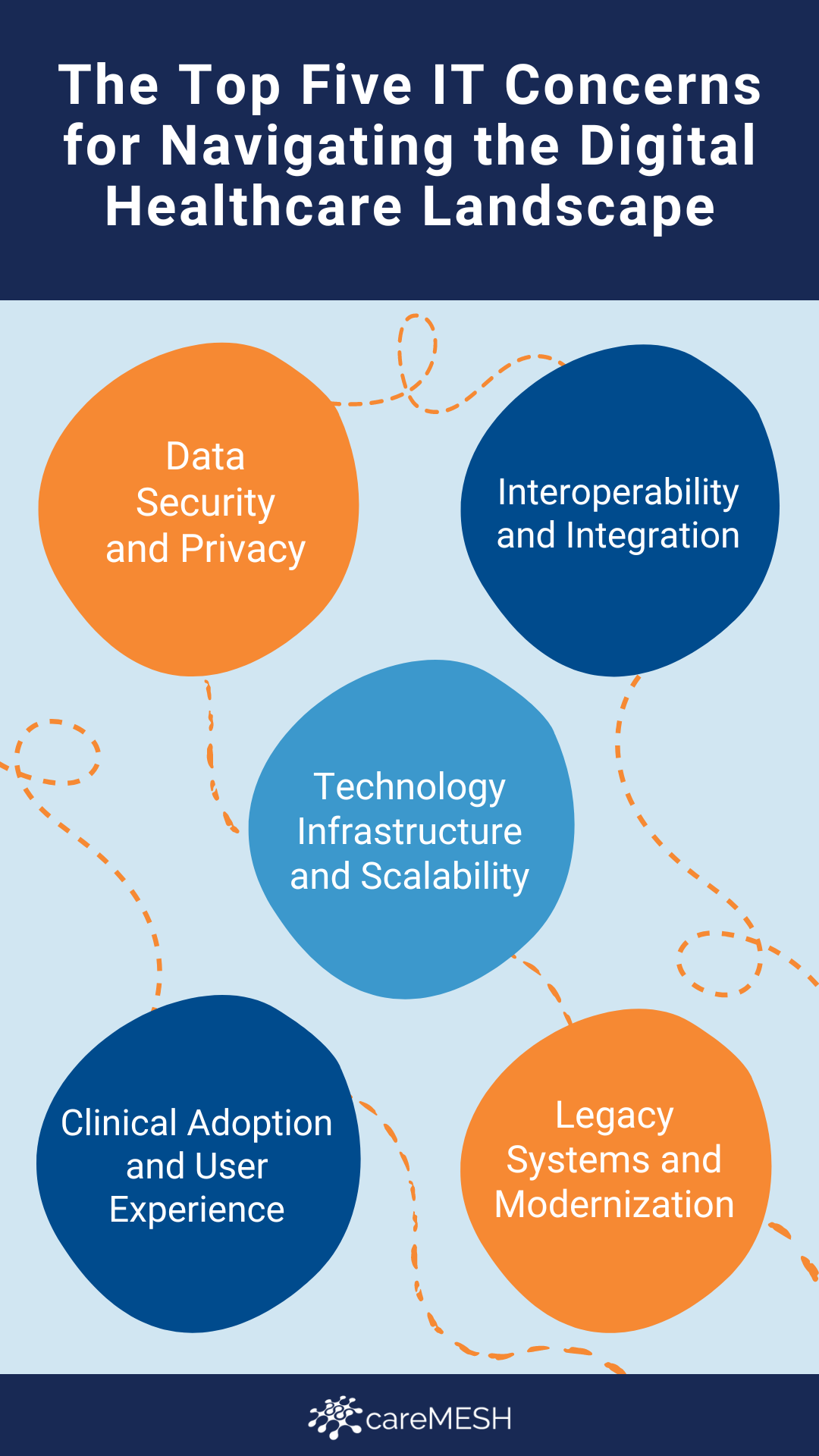
Despite the clear benefits of the vision Allison promoted, the digital health landscape faces significant hurdles. Implementing care orchestration is not merely a technical task; it is a clinical and cultural one.
1. Resistance to Workflow Changes
Clinicians are often wary of "automation," fearing a loss of autonomy or the introduction of "algorithmic bias." Allison’s work emphasized the concept of "Human-in-the-loop" (HITL) automation. The system handles the mundane (scheduling, reminders), but the clinician retains control over critical medical decisions.
2. Data Silos and Fragmentation
Even in 2026, some specialized clinics operate on legacy software that does not easily share data. The solution Allison championed involves using middleware and robust API layers to create a "virtual" unified record, even if the underlying databases remain separate.
3. Change Management
The most successful implementations of Allison’s strategies involve deep "clinical pathing" workshops. This requires hospital leadership to map out every single step of a patient’s journey on a whiteboard before a single line of code is deployed. This ensures the technology reflects the best clinical practices of the specific institution.
The Economic Impact of Digital Health Leadership
Alexander Allison’s impact is also measured in dollars and cents. In the 2026 healthcare economy, the "cost to serve" is the primary metric for hospital survival. By automating the coordination of care, systems using the Lumeon model have seen:
- Reduction in Length of Stay (LOS): Orchestration ensures that discharge planning begins the moment a patient is admitted, reducing unnecessary hospital days.
- Lower Readmission Rates: Automated follow-ups and remote monitoring catch complications before they require a return to the hospital.
- Increased Staff Retention: By removing the "scut work" of manual scheduling and documentation, health systems reduce the burnout that leads to nursing and physician shortages.
Future Outlook: Alexander Allison and the AI Evolution
As we move through 2026, the digital health landscape is increasingly dominated by Generative AI and Predictive Analytics. Allison’s foundational work in care orchestration provides the necessary structure for these AI tools to be effective. An AI model can predict which patient is likely to miss an appointment, but without an orchestration engine like the one Allison helped develop, that prediction is useless. The engine provides the "legs" for the AI’s "brain," executing the communication or rescheduling the appointment without human intervention.
The legacy of Alexander Allison in this landscape is the move toward the "Autonomous Hospital." While we are not yet at a point where hospitals run themselves, the frameworks established during his tenure at Lumeon have made the "self-navigating" patient journey a reality for millions.
Frequently Asked Questions
What is Alexander Allison’s primary contribution to digital health?
Alexander Allison is best known for co-founding Lumeon and pioneering the concept of "care orchestration." His work focused on automating clinical and administrative workflows, ensuring that patients move through the healthcare system efficiently without manual intervention for every step.
How does care orchestration differ from an EHR?
An Electronic Health Record (EHR) is a database for storing patient information. Care orchestration, as developed by leaders like Allison, is a layer that sits on top of the EHR. It uses the data within the EHR to trigger actions, such as sending instructions to patients or scheduling tests, moving healthcare from a passive record-keeping state to an active management state.
Is Alexander Allison still involved with Lumeon?
While leadership roles in technology companies often evolve, Allison's strategic influence remains embedded in Lumeon’s core architecture and market positioning. His vision for "process-driven" healthcare continues to guide the company's product development and expansion into new global markets as of 2026.
Why is care orchestration important for value-based care?
Value-based care (VBC) rewards providers for outcomes rather than the volume of services. Care orchestration is essential for VBC because it ensures that patients follow the most efficient and effective care pathways, reducing waste, preventing complications, and lowering the overall cost of care while improving patient health.
What technical standards support Allison’s vision of digital health?
The most critical standards are HL7 FHIR and API-based integrations. These allow different healthcare software systems to communicate in real-time, enabling the seamless flow of data required for automated care pathways to function correctly across different hospitals and clinics.
Practical Next Steps for Healthcare Leaders
For organizations looking to adopt the strategies championed by Alexander Allison, the path forward involves three key actions:
- Audit Clinical Pathways: Before investing in new software, map out your existing patient journeys for high-volume procedures. Identify every manual touchpoint that could be automated.
- Prioritize Interoperability: Ensure that any new digital health tool you adopt is "API-first" and fully compliant with FHIR standards. Avoid systems that create new data silos.
- Focus on "The Last Mile": Don't just digitize your records; automate the actions that stem from those records. Look for platforms that offer orchestration capabilities rather than just simple "reminders" or "dashboards."
The shift from manual coordination to automated orchestration is the defining characteristic of the 2026 digital health era. Alexander Allison’s role in this transition has provided the blueprint for a more efficient, patient-centered, and sustainable healthcare system.