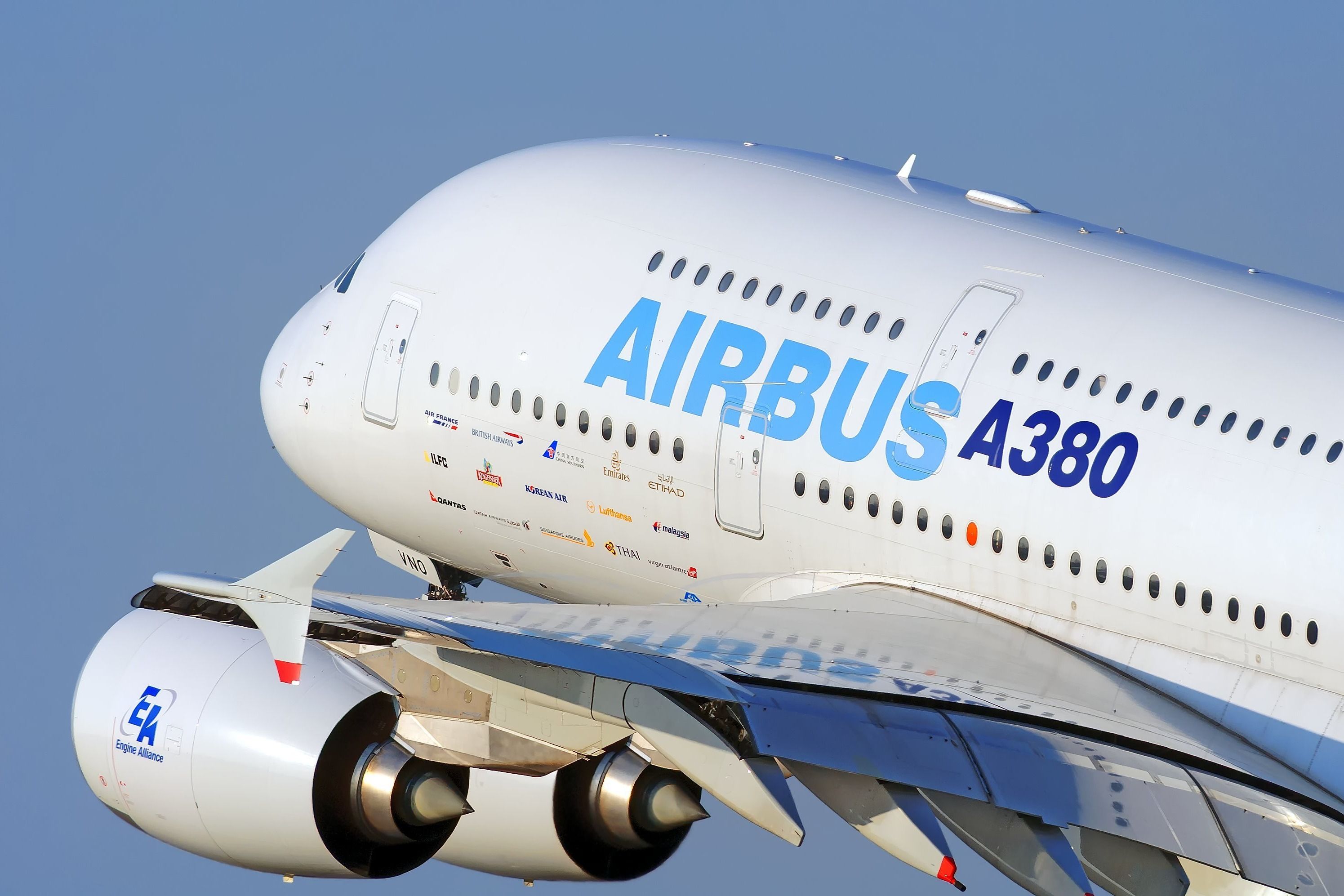
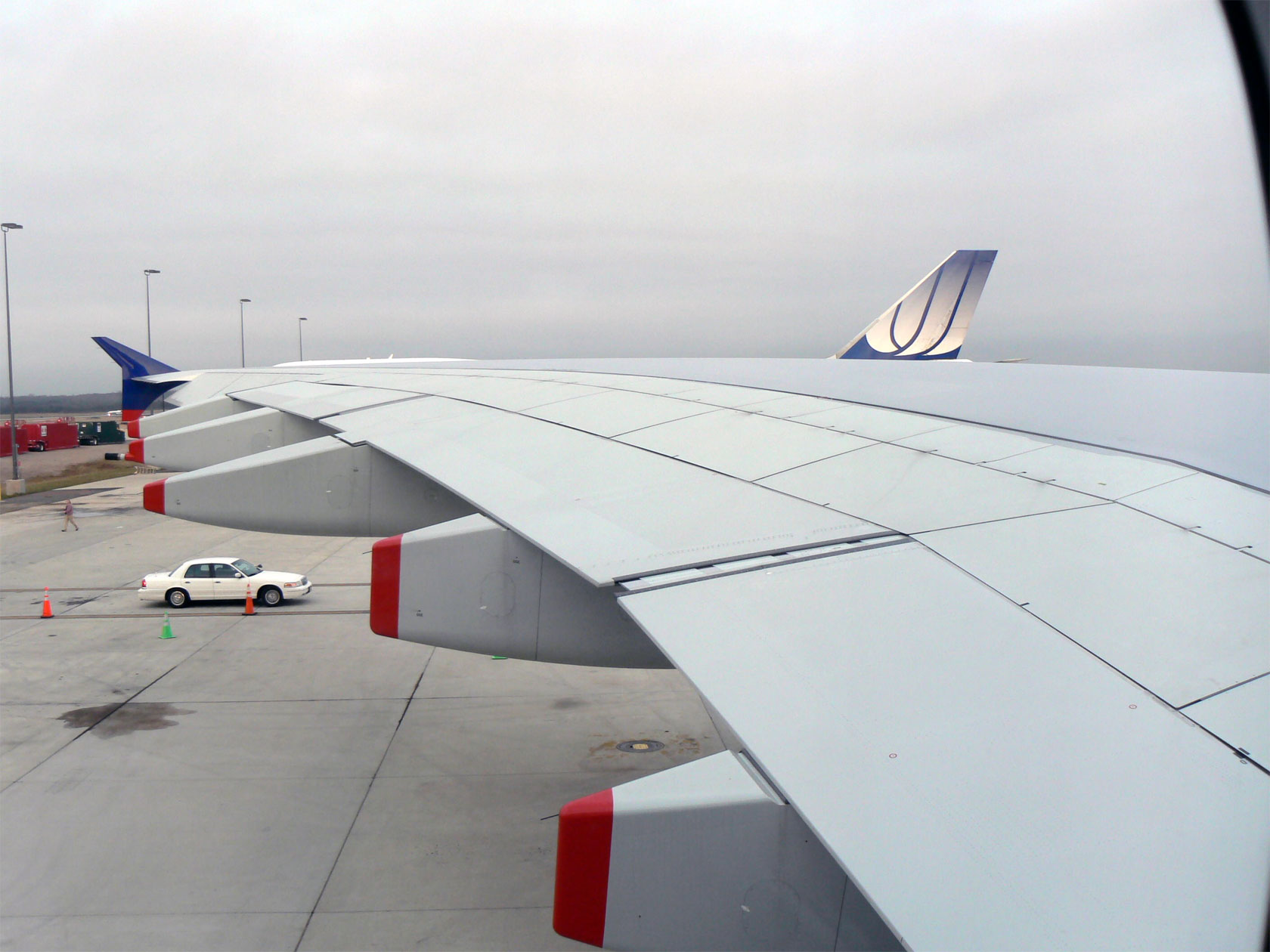
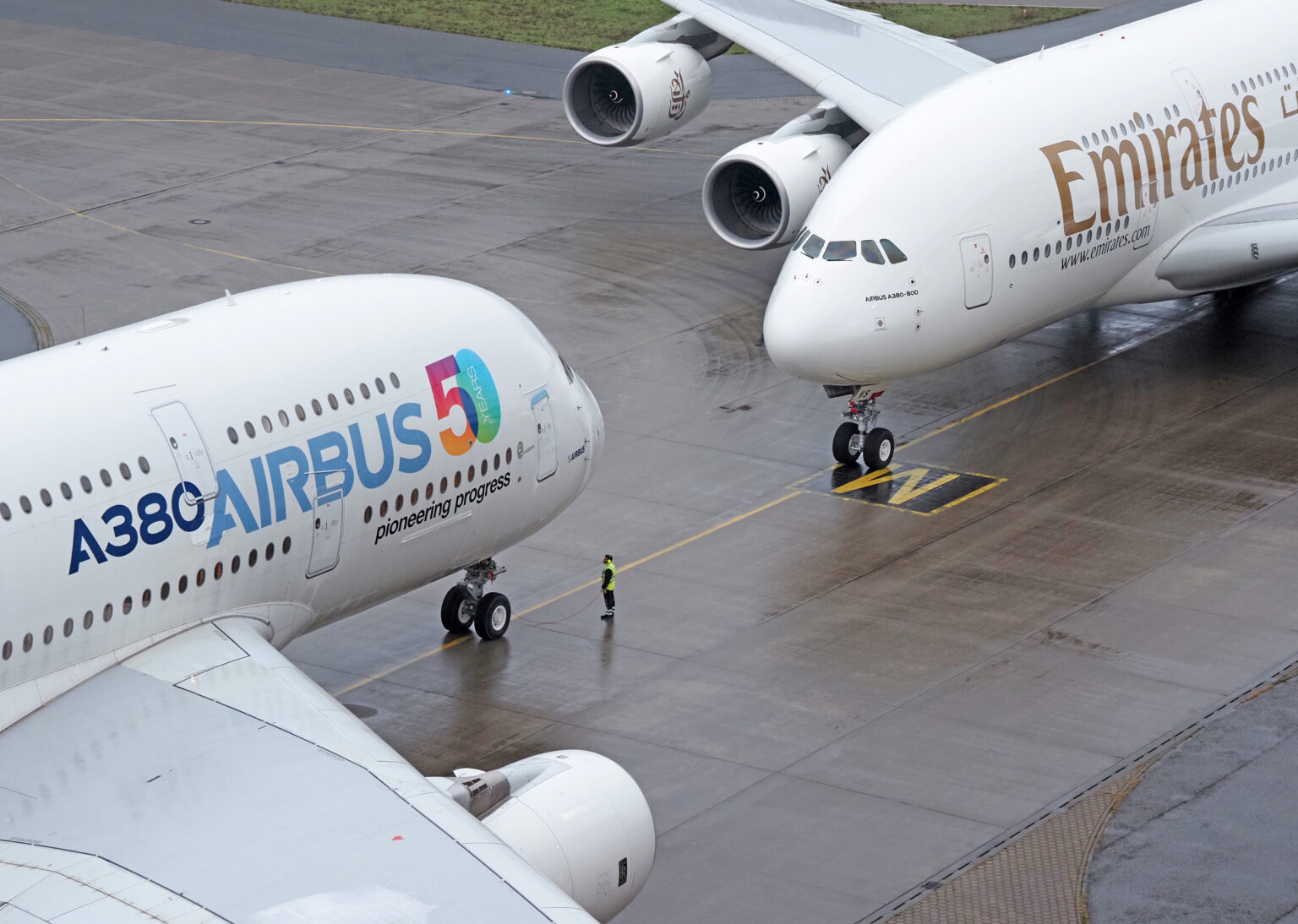
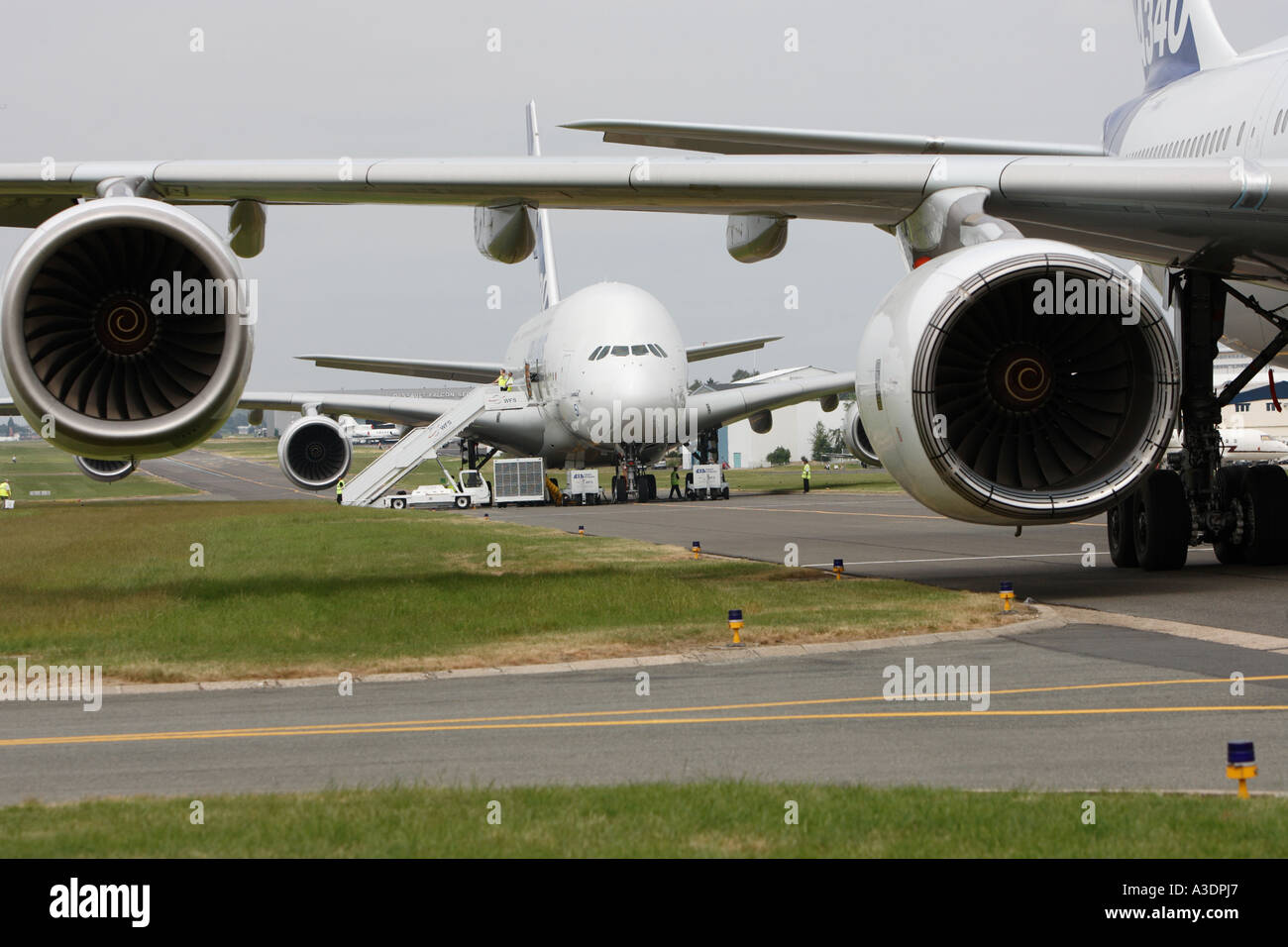
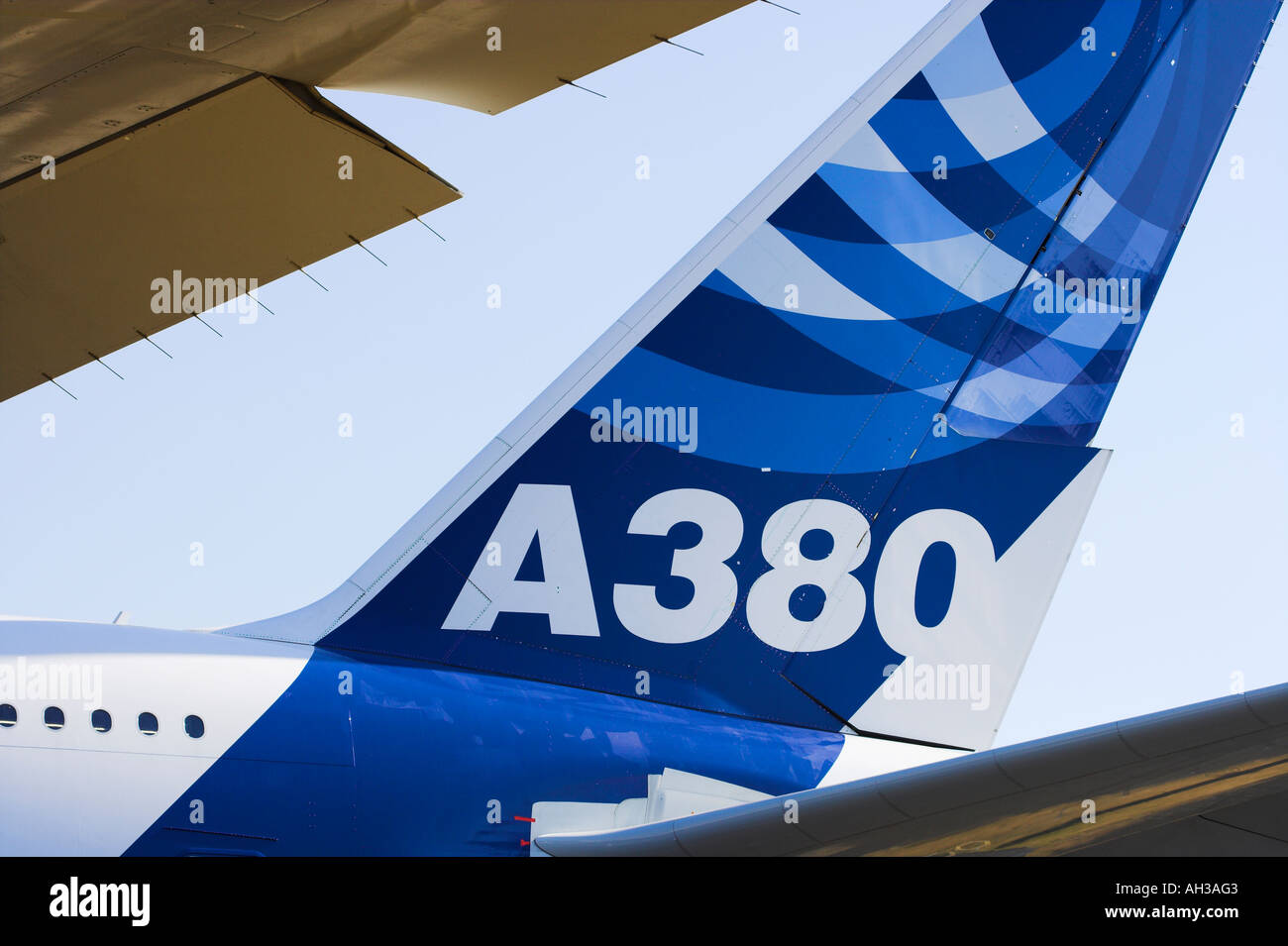
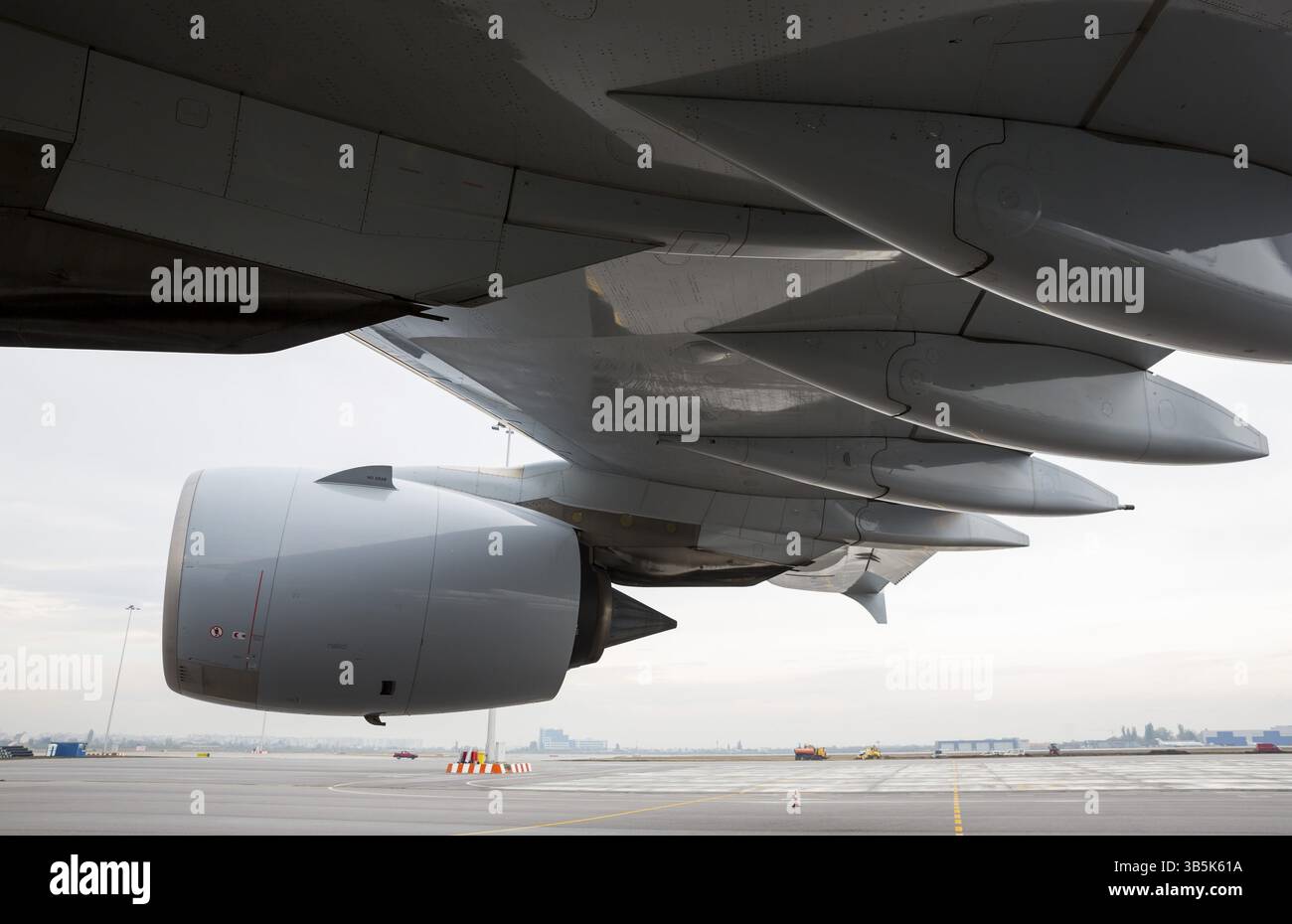
The Airbus A380 wing is the largest and most complex lifting surface ever constructed for a commercial airliner, featuring a surface area of 845 square meters (9,100 square feet). Designed to support a maximum takeoff weight (MTOW) of 575 tonnes, the wing incorporates advanced aluminum alloys and composite materials to balance structural rigidity with fuel efficiency. As of 2026, these wings continue to represent a pinnacle of subsonic aerodynamic engineering, supporting the global fleet's long-haul operations through specialized maintenance protocols.
The Design Philosophy: A Wing Built for Two
To understand the Airbus A380 wing, one must first recognize that it was engineered not just for the standard A380-800, but for a theoretical "stretch" version known as the A380-900. Because Airbus anticipated a larger variant, the wing is significantly "over-designed" for the current aircraft. This is why the A380 has a lower wing loading than many of its contemporaries, which allows for impressive takeoff and landing performance despite its massive scale.
The wing's planform is characterized by a 33.5-degree sweep at 25% chord. This specific angle was chosen to optimize the aircraft for a cruise speed of Mach 0.85. A steeper sweep would have allowed for higher speeds but would have compromised low-speed handling and increased structural weight. By balancing these factors, engineers ensured the A380 could operate out of existing runways that were originally designed for the Boeing 747.
Furthermore, the wing features a high thickness-to-chord ratio. This provides the internal volume necessary for the massive fuel tanks required for 8,000-nautical-mile missions. However, high thickness usually increases transonic drag. To counteract this, Airbus utilized advanced supercritical airfoil sections, which delay the onset of wave drag and allow the wing to remain efficient at high altitudes.
Structural Composition and Advanced Materials
In 2026, the A380 remains a case study in hybrid material construction. While newer aircraft like the A350 or the Boeing 787 use carbon-fiber-reinforced polymer (CFRP) for the majority of the wing structure, the A380 uses a strategic mix to manage cost, weight, and repairability.
Aluminum-Lithium and Advanced Alloys
The primary structure of the A380 wing consists of advanced aluminum alloys. The upper wing skins are made from 7000-series aluminum, which offers high compressive strength, while the lower skins utilize 2000-series aluminum for superior fatigue resistance. Aluminum-lithium was also integrated into certain components to reduce weight while maintaining the stiffness required for such a long span (79.75 meters).
The Role of Composites
While the main wing box is metallic, the trailing edge, flaps, and spoilers are largely composite. The use of CFRP in the A380 wing's secondary structures saved approximately 1.5 tonnes of weight compared to traditional metallic designs. Additionally, the wing-to-fuselage fairings—the large "belly" structures that smooth the airflow—are made from composite materials to provide high aerodynamic efficiency with minimal weight.
The Central Wing Box
The heart of the aircraft is the center wing box, which connects the two wing halves. In a departure from previous designs, Airbus used CFRP for the A380’s center wing box. This was the first time such a large, critical load-bearing structure was made from composites on a commercial aircraft, marking a major milestone in aerospace history.
Aerodynamic Features: Fences vs. Sharklets
Unlike the "Sharklets" found on the A320neo or the raked wingtips of the Boeing 777X, the A380 features distinctive wingtip fences. These are vertical surfaces that extend both above and below the wingtip.
The primary purpose of these fences is to reduce induced drag by managing the high-pressure air that tries to "roll" over the wingtip into the low-pressure area above. By inhibiting the formation of powerful wingtip vortices, these fences improve fuel efficiency by approximately 2% to 3%.
In the late stages of the A380 program, Airbus introduced the "A380plus" concept, which featured much larger, 4.7-meter-high scimitar-style winglets. While this update was designed to provide an additional 4% fuel burn reduction, the majority of the fleet in 2026 continues to fly with the original wingtip fence design, which was optimized for the 80-meter airport "box" constraint.
Manufacturing and Logistics: The Journey to Toulouse
The production of the A380 wing was a feat of international logistics. The wings were manufactured at the Airbus facility in Broughton, Wales. Because of their size—too large for the Beluga transport aircraft—they required a unique transport method known as the Itinéraire à Grand Gabarit (IGG).
- River Transport: The wings were loaded onto a specially designed barge, the Afon Dyfrdwy, and transported down the River Dee.
- Sea Voyage: They were then transferred to a sea-going vessel, the Ciudad de Cádiz, which carried them to Bordeaux, France.
- Road Convoy: From Bordeaux, the wings were placed on massive flatbed trailers and driven through the French countryside at night to the final assembly line in Toulouse.
This logistical chain required the modification of several French villages, including the widening of roads and the removal of permanent street furniture to accommodate the 45-meter-long wing sections.
Fuel Capacity and Management Systems
The A380 wing is essentially a massive, flying fuel tank. It contains five primary tanks: two outer, two inner, and one mid-tank. When combined with the trim tank in the horizontal stabilizer, the total fuel capacity exceeds 250,000 kilograms (roughly 320,000 liters).
Gravity and Transfer
The fuel management system is highly automated. During flight, fuel is moved between tanks to maintain the aircraft's center of gravity (CG). By pumping fuel to the trim tank in the tail, the system can reduce the "downforce" required from the elevators, which in turn reduces trim drag and improves fuel economy.
Surge Tanks and Venting
At the very tip of each wing, beyond the usable fuel tanks, are surge tanks. These are designed to catch any fuel that might expand due to temperature changes or move during aggressive maneuvers, preventing it from being vented overboard.
Technical Specifications Table
The following table provides a detailed breakdown of the A380 wing's physical and operational parameters.
| Parameter | Specification | Engineering Significance |
|---|---|---|
| Wingspan | 79.75 meters (261.6 ft) | Limited by the 80m x 80m airport gate constraint. |
| Wing Area | 845 square meters | Provides high lift for MTOW with low wing loading. |
| Sweep Angle | 33.5 degrees | Optimized for Mach 0.85 cruise speed. |
| Aspect Ratio | 7.5 | Balances aerodynamic efficiency with structural weight. |
| Fuel Capacity | ~320,000 Liters | Essential for ultra-long-range missions (15+ hours). |
| Material (Primary) | Aluminum Alloy (7000/2000 series) | Provides the best balance of fatigue life and strength. |
| Leading Edge | Slats (16 per wing) | Ensures high-lift performance during takeoff/landing. |
| Trailing Edge | Single-slotted flaps | Simplifies maintenance compared to double-slotted designs. |
Maintenance Challenges: The Wing Rib Crack Issue
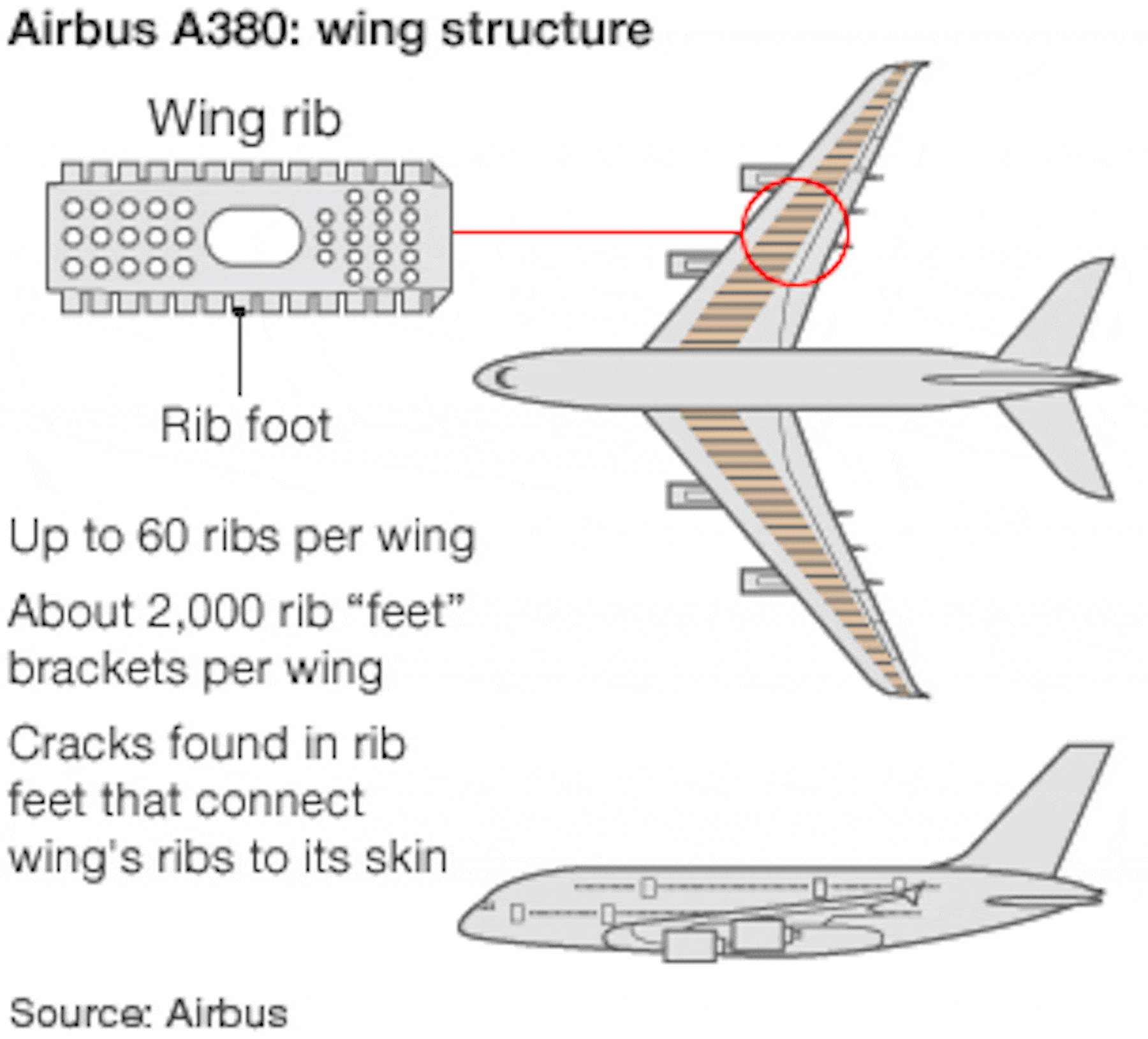
Throughout its service life, the A380 wing has faced specific maintenance challenges, most notably the "wing rib feet" cracking issue. This problem first came to light in 2012 and required several Airworthiness Directives (ADs) from the European Union Aviation Safety Agency (EASA).
Understanding the Cracks
The cracks were found in the aluminum alloy "feet" that connect the wing's ribs to the skin panels. These were caused by a combination of high-stress loads during the assembly process and the specific type of aluminum alloy used in the early production models.
The Engineering Solution
In 2026, the global fleet has largely transitioned to a permanent fix. For older aircraft, this involved a complex "Type 2" repair, where the original rib feet were replaced with a more robust alloy. For later production aircraft (from MSN 104 onwards), Airbus modified the design and manufacturing process to eliminate the stress concentrations. Operators now perform regular ultrasonic inspections during heavy maintenance checks (C-Checks and D-Checks) to ensure structural integrity.
Performance in 2026: The Legacy of Scale
In the current aviation landscape, the A380 wing remains a marvel of load distribution. Despite the industry's shift toward smaller, twin-engine aircraft like the A350 and 787, the A380's wing allows it to perform tasks no other aircraft can. Its massive surface area provides a "buffer" for wake turbulence, although the strength of the vortices it creates requires specific separation standards for following aircraft.
The wing's design also contributes to the A380's reputation as one of the quietest aircraft in its class. The large flap surfaces and advanced slat design allow for lower approach speeds, which reduces the aerodynamic noise generated during the landing phase.
Frequently Asked Questions
Why doesn't the A380 have larger winglets?
The A380 was designed to fit within an "80-meter box" at airports. Increasing the winglet size would have exceeded this limit, making the aircraft unable to park at standard gates. While the A380plus proposed larger winglets, the added weight and the decline in production meant they were never adopted as a standard retrofit for the existing fleet.
How much does a single A380 wing weigh?
While the exact weight of a "dry" wing (without fuel or engines) is proprietary, estimates suggest each wing assembly weighs approximately 40 to 45 tonnes. This includes the internal ribs, spars, skin, and flight control surfaces.
Is the A380 wing made of carbon fiber?
Only partially. The wing's secondary structures (flaps, spoilers, trailing edge) and the central wing box are made of carbon fiber. However, the main wing spars and skins are primarily constructed from advanced aluminum alloys to handle the immense bending loads and facilitate easier repairs.
How do engineers check for cracks in the wing ribs?
Technicians use Non-Destructive Testing (NDT) methods, primarily ultrasonic and eddy-current inspections. These tools allow maintenance crews to "see" through the metal skin and identify microscopic cracks in the internal rib feet without having to dismantle the entire wing structure.
What is the purpose of the "droop" seen when the A380 is on the ground?
This is known as "ground wing droop." Because the wings are so long and flexible, they bend downward under their own weight and the weight of the fuel when on the ground. Once the aircraft takes off, the lift generated by the air moving over the wings causes them to flex upward, sometimes by several meters at the tips.
Strategic Maintenance Recommendations
For operators and maintenance organizations in 2026, the primary focus for A380 wing health is environmental protection and fatigue monitoring. As the fleet ages, the integrity of the wing-to-fuselage joints and the prevention of corrosion within the integral fuel tanks are paramount. It is recommended that operators strictly adhere to the latest EASA Airworthiness Directives regarding wing rib inspections and utilize digital twin technology to model the fatigue life of individual airframes based on their specific flight cycles and environmental exposure.