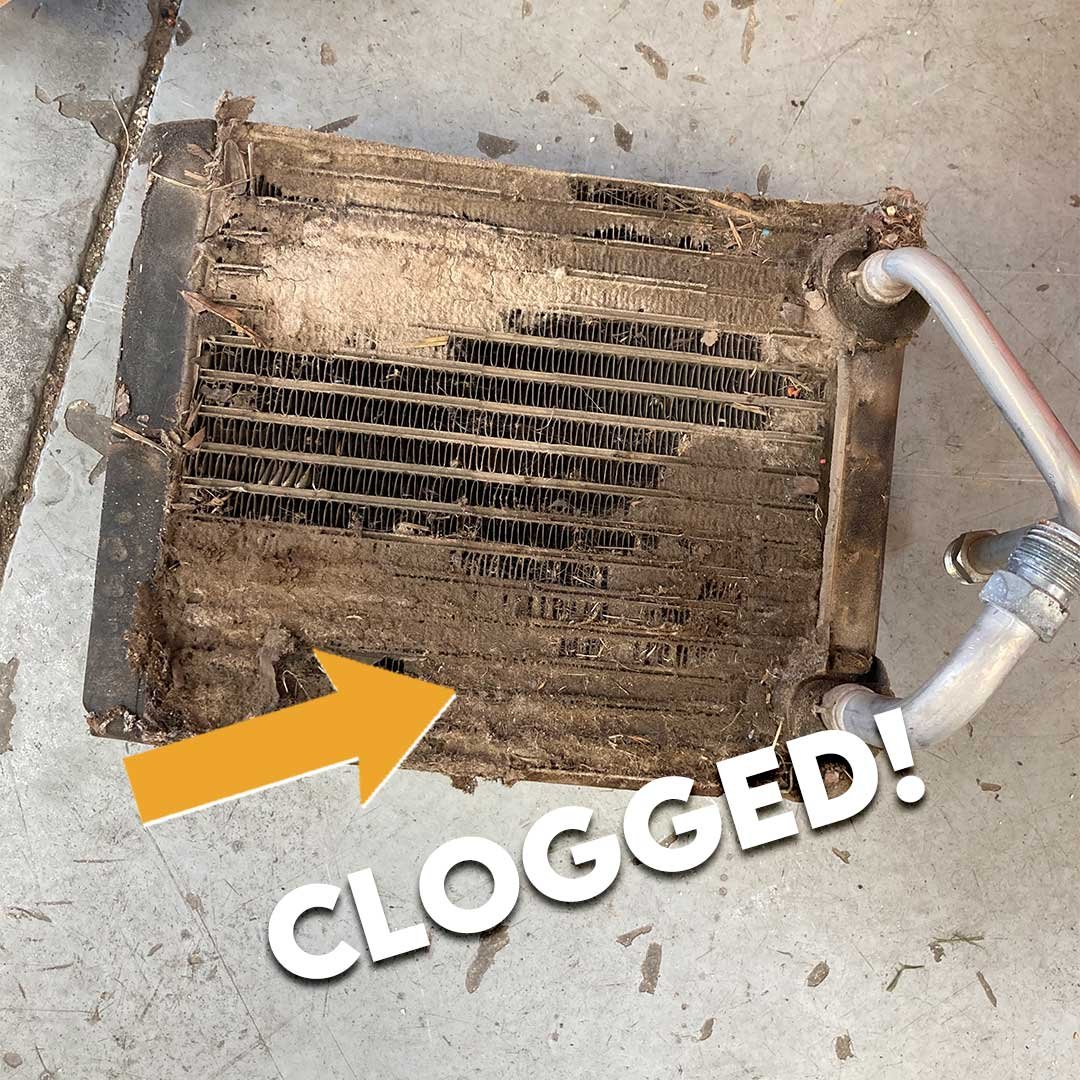
When your air conditioner is not blowing hard, your home quickly becomes warm, stuffy, and uncomfortable. This frustrating issue typically stems from restricted airflow, dirty components, or mechanical failures within either the indoor air handler or the outdoor condenser unit. Resolving weak airflow requires a systematic diagnostic approach to identify whether the restriction is localized to a single vent or affecting the entire HVAC system.
Understanding HVAC Airflow Dynamics
To fix an air conditioner that is not blowing hard, you must first understand how a forced-air HVAC system moves conditioned air through your home. The system relies on a continuous loop: air is drawn through return vents, pulled across the evaporator coils to be cooled, and then pushed by a powerful blower fan through the ductwork network and out of the supply registers.
When you notice a drop in air velocity, it means this delicate equilibrium has been disrupted. The blower motor might be struggling, passages might be blocked, or static pressure within the ducts might be too high. Recognizing the symptoms early can prevent catastrophic failures, such as a frozen evaporator coil or a burned-out blower motor.
The Role of Static Pressure
Static pressure is the resistance the blower motor must overcome to push air through your duct system and registers. If static pressure is too high—often caused by crushed flexible ducts, undersized return paths, or heavily clogged filters—the volume of air delivery plummets. Your AC unit might be running continuously, but the actual CFM (cubic feet per minute) entering your living space is severely reduced.
Common Causes of Weak Airflow and How to Diagnose Them
Troubleshooting an air conditioner that lacks force involves working backward from the supply vents to the mechanical components. Here are the most frequent culprits behind weak airflow.
1. Dirty or Clogged Air Filters
The single most common reason an air conditioner stops blowing hard is a dirty air filter. As air filters capture dust, pet dander, pollen, and microscopic debris, the material accumulates a thick layer of particulate matter.
- The Impact: Once the filter is choked, the blower motor must work exponentially harder to pull air through it. This creates a pressure drop, drastically reducing the volume of air pushed into the ducts.
- The Solution: Inspect your air filter monthly. Replace disposable fiberglass or pleated filters every 30 to 90 days, depending on household occupancy, pets, and local air quality.
2. Blocked, Closed, or Restricted Vents
Sometimes the issue is not the air conditioner itself, but the pathway through which air enters the room.
- The Impact: Homeowners frequently block supply registers with area rugs, heavy furniture, drapes, or children's toys. If multiple registers are obstructed, the system experiences increased back-pressure.
- The Solution: Walk through every room to ensure that supply and return vents are completely unobstructed. Check that individual damper levers on manual registers are pushed into the open position.
3. Dirty or Frozen Evaporator Coils
The evaporator coil, located inside the indoor air handler or attached to your furnace, absorbs heat from your home.
- The Impact: Over time, airborne dust bypasses the filter and coats the damp evaporator coils, forming an insulating sludge layer that impedes heat transfer. Worse yet, if airflow is restricted by a dirty filter, the coil temperature drops below freezing. Moisture condenses on the coil and turns into solid ice, completely blocking airflow and causing the air conditioner to stop blowing cold air altogether.
- The Solution: Turn off the cooling system and inspect the indoor coil. If it is caked in ice, turn the thermostat fan setting to "ON" (while keeping the AC off) to force room-temperature air across the coils and melt the ice. Once thawed, clean the coils with a no-rinse coil cleaner or hire a professional technician.
4. Blower Motor and Fan Blade Issues
The blower motor drives the entire air delivery process. If it fails to spin at peak RPM, your vents will produce a weak draft.
- The Impact: Blower motors utilize capacitors to provide the electrical torque needed to spin. A failing run capacitor will cause the motor to hum, spin sluggishly, or fail to start. Additionally, blower fan blades accumulate thick layers of dust and lint, altering their aerodynamic profile and severely diminishing their ability to push air.
- The Solution: Access the indoor blower compartment (after shutting off power at the breaker). Inspect the fan wheel for debris buildup and clean the individual fins using a soft brush and compressed air. If the motor hums or fails to turn, test or replace the capacitor, or call a certified technician to inspect the motor windings.
5. Ductwork Leaks, Disconnections, or Obstructions
Your home relies on an airtight network of metal or flexible ductwork to deliver conditioned air.
- The Impact: If a joint separates in the attic, crawlspace, or behind a wall, a massive percentage of your cooled air will leak into unconditioned spaces before ever reaching your living areas. Furthermore, flexible ducts are prone to sagging, sharp kinks, or being crushed by heavy insulation, cutting off airflow to specific rooms.
- The Solution: Inspect accessible ductwork in the basement, attic, or crawlspace. Look for disconnected metal runs, torn foil tape, or collapsed flexible tubing. Seal gaps using mastic sealant or UL 181-rated foil tape—avoid standard cloth duct tape, which degrades rapidly under temperature fluctuations.
Summary of Airflow Issues and Corrective Actions
| Issue Identified | Primary Symptom | Severity | Recommended Corrective Action |
|---|---|---|---|
| Clogged Air Filter | Weak airflow across all vents; higher energy bills | Low | Remove and replace with a fresh pleated air filter. |
| Obstructed Registers | Weak airflow in specific rooms only | Low | Clear furniture, rugs, and drapes away from supply vents. |
| Frozen Evaporator Coil | Little to no airflow; ice visible on indoor unit | Moderate | Shut down cooling, melt ice via fan mode, clean coils. |
| Failing Blower Capacitor | Motor hums or runs slowly; weak overall draft | Moderate/High | Test electrical components; replace faulty capacitor. |
| Disconnected Ductwork | Good airflow at unit, weak airflow at distant vents | High | Reconnect loose duct runs and seal joints with mastic. |
Advanced Troubleshooting and Mechanical Failures
If you have replaced your filter, cleared your vents, and verified that the blower is spinning cleanly, but your air conditioner is still not blowing hard, the problem likely requires advanced diagnostic tools or professional intervention.
Thermostat Fan Settings
A common oversight involves the thermostat fan setting. If your thermostat fan switch is set to "AUTO," the blower will only run when the compressor is actively cooling your home. If the system is short-cycling or satisfying the temperature setpoint too quickly, the fan will turn off prematurely, giving the impression of weak or inconsistent airflow. Switching the fan setting from "AUTO" to "ON" forces the blower motor to run continuously, circulating air even when the compressor is idle.
Refrigerant Leaks and System Restrictions
While low refrigerant levels primarily manifest as warm air blowing from the vents, a severely restricted refrigerant line (such as a clogged expansion valve or filter-drier) can indirectly cause systemic performance drops. When refrigerant cannot flow properly, the evaporator coil cannot maintain proper temperatures, leading to localized freezing and choked airflow paths. Diagnosing refrigerant issues requires EPA Section 608 certification and specialized gauge manifolds.
When to Call a Professional HVAC Technician
While homeowners can easily handle filter replacements, vent clearing, and basic register cleaning, many airflow problems require licensed professional expertise. You should contact a certified HVAC technician if:
- You suspect damaged or disconnected ductwork located within inaccessible walls or ceilings.
- The indoor blower motor is hot to the touch, emits a burning electrical odor, or trips the circuit breaker repeatedly.
- The system requires electrical diagnostics, such as measuring motor amp draw or testing control boards.
- Refrigerant pressures must be evaluated or adjusted.
Attempting complex electrical or mechanical repairs without proper training can result in personal injury, permanent equipment damage, or voided manufacturer warranties.
Frequently Asked Questions
Why is my AC blowing weak air from only one vent?
When airflow is weak in a single room while other vents perform normally, the problem is almost always localized to that specific run. Check to ensure the floor or wall register is fully open. If the register is open, enter your attic, crawlspace, or basement and inspect the flexible duct leading to that room for sharp kinks, heavy sagging, or a disconnected collar.
Can a dirty air filter completely stop my AC from blowing air?
Yes. When a disposable or pleated air filter becomes entirely choked with dust and debris, it acts as a solid wall. The indoor blower motor cannot pull air through the filter media, resulting in virtually zero airflow at the supply registers. Left unaddressed, this restriction causes the evaporator coil to freeze into a solid block of ice.
How often should I replace my air conditioner filter?
Standard 1-inch fiberglass filters should be replaced every 30 days. Higher-end pleated filters (such as MERV 8 to MERV 13 media filters) can last anywhere from 60 to 90 days. However, if you have multiple shedding pets, suffer from severe allergies, or run your HVAC system continuously during peak summer months, you should inspect your filter monthly and replace it as soon as surface discoloration appears.
Is a weak AC blower motor repairable or does it need replacement?
It depends on the specific component failure. If the blower motor is failing because of a bad run capacitor, a technician can replace the inexpensive electrical part, and the motor will return to full speed. However, if the motor bearings have seized, the electrical windings are burned out, or the internal module of a variable-speed ECM motor has failed, the entire motor assembly usually requires replacement.
Why is my AC blowing hard, but the air isn't cold?
If your air conditioner is blowing a strong volume of air but the air feels lukewarm or room temperature, the issue is not related to airflow restriction. This symptom points toward compressor failure, a restricted liquid line, dirty outdoor condenser coils, or a refrigerant leak. Check your outdoor unit to ensure the fan is spinning and that the surrounding fins are not blocked by dense foliage or cottonwood debris.