Choosing affordable discount dental plans requires looking past low monthly fees to evaluate provider networks, fee schedules, exclusions, and the distinction between discount programs and traditional insurance. By understanding how these plans operate and carefully verifying participating dentists, consumers can secure meaningful savings on routine and major dental care without unexpected out-of-pocket costs.
Managing dental expenses can present a significant financial challenge, particularly for individuals and families without access to employer-sponsored dental insurance. Traditional dental insurance often comes with high monthly premiums, strict annual maximums, waiting periods for major procedures, and complicated exclusions. For those seeking a more budget-friendly alternative, affordable discount dental plans—also known as dental savings plans—have emerged as a popular option. However, navigating the marketplace requires a strategic approach. Choosing wisely means understanding that discount plans are not insurance, recognizing how their pricing structures work, and verifying that your preferred dental professionals actually participate in the network.
Understanding What Discount Dental Plans Actually Are
The most common pitfall when shopping for oral health coverage is confusing a discount dental plan with traditional dental insurance. While both aim to reduce out-of-pocket expenses, their underlying mechanics are entirely different. Knowing these distinctions is the first step toward choosing wisely and avoiding costly misunderstandings at the dental clinic.
Discount Plans Versus Traditional Dental Insurance
Traditional dental insurance operates on a reimbursement and indemnification model. You pay a monthly premium to an insurance carrier, and the carrier pays a portion of your dental care costs after you meet deductibles and copays. Insurance policies typically feature an annual maximum benefit cap—frequently around $1,000 to $2,000 per year—after which you are entirely responsible for additional expenses. Furthermore, insurance plans often enforce waiting periods ranging from six to twelve months for basic or major services like crowns, bridges, and root canals.
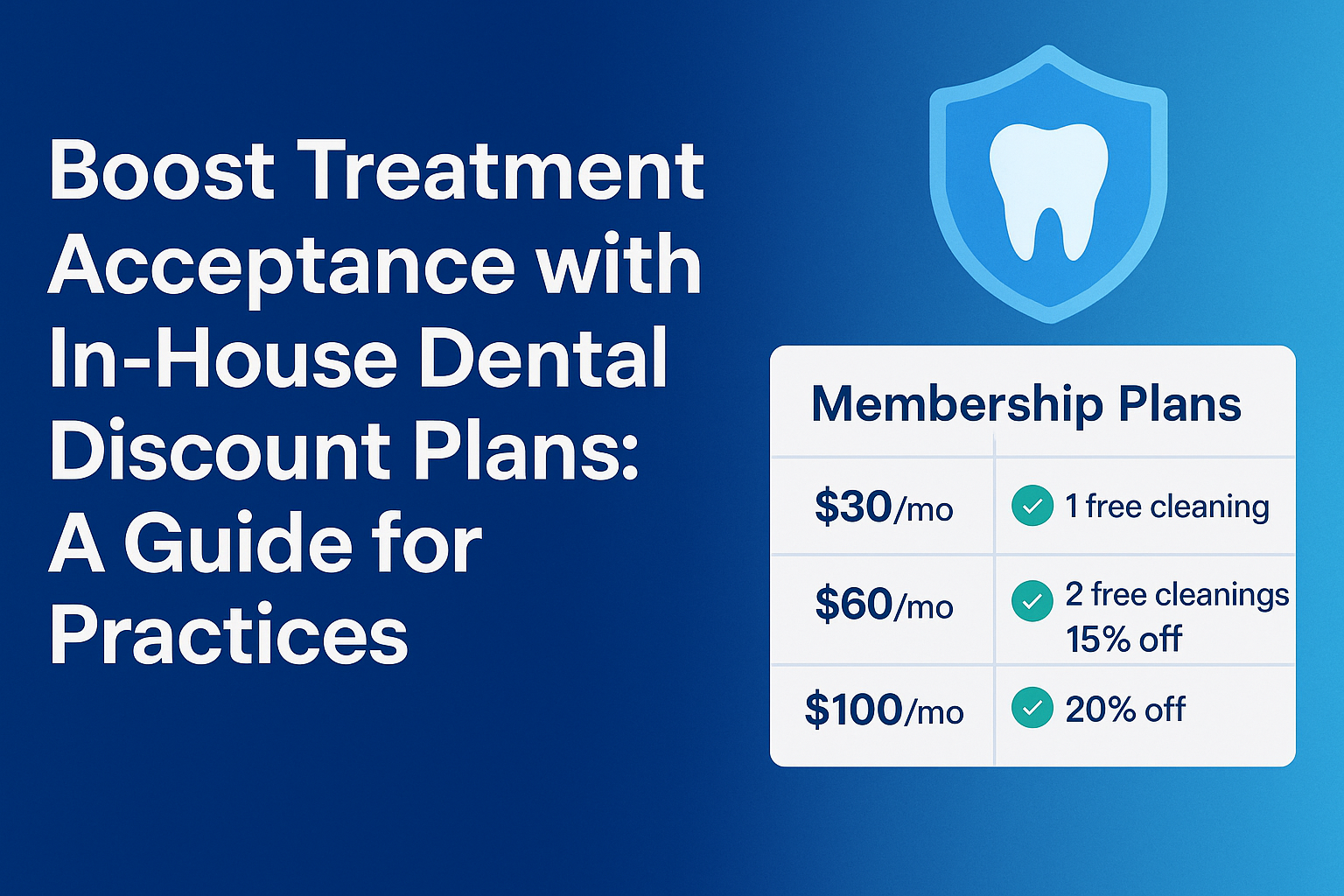
In contrast, discount dental plans function more like a wholesale club membership. You pay an annual or monthly fee to join a network. In exchange, participating dentists agree to provide services at pre-negotiated, discounted rates.
- No Annual Maximums: Discount plans do not cap how much you can save in a calendar year.
- No Waiting Periods: Members can typically use their discounts immediately after enrollment becomes active.
- No Claim Forms: There are no insurance claim forms to file; the discount is applied directly at the time of service.
- No Pre-Existing Condition Exclusions: Even if you need extensive work immediately, you are eligible for the discounted rate.
However, because discount plans do not pay money directly to the dentist, the patient pays the entire discounted fee out of pocket at the time of the visit.
How Fee Schedules Drive Savings
The core of any discount dental plan is its fee schedule. This is a transparent list detailing the exact dollar amount a participating dentist has agreed to charge plan members for specific procedures, identified by standard dental code numbers.
When evaluating plans, you must request or review the specific fee schedule for your geographic ZIP code. Dental fees vary dramatically by region due to local cost-of-living differences. A plan that offers deep discounts in a rural market may offer significantly different savings in a high-cost metropolitan area. Examining the fee schedule allows you to calculate your exact expected costs for upcoming procedures, such as routine cleanings, fillings, extractions, or orthodontics, before committing to a membership fee.
Key Factors to Evaluate Before Enrolling
Selecting the right plan involves more than scanning a list of low monthly prices. To ensure the plan genuinely meets your household's healthcare needs, you must scrutinize several structural components of the offering.
Network Participation and Dentist Availability
The most affordable discount plan is useless if your current dentist does not accept it, or if there are no participating providers within a reasonable driving distance. Unlike PPO insurance networks that may offer out-of-network benefits, discount dental plans strictly require you to see a dentist who has signed a contract with that specific plan network.
Before purchasing a plan, use the provider search tool on the plan administrator's website, but do not rely on it blindly. Dental networks change frequently as providers join or leave. Always call your preferred dental office directly, provide the exact name of the discount plan network, and ask: "Are you currently accepting new patients under this specific discount plan?"
Scope of Services and Specialty Care
Not all discount plans cover the same breadth of dental procedures. While basic preventive care—such as oral exams, cleanings, and standard X-rays—is universally included at steep discounts or even for free with some plans, major restorative services and specialties require closer inspection.
- Preventive Care: Generally offers the highest percentage discount, often 50% to 80% off standard fees.
- Basic Restorative: Fillings and simple extractions usually feature solid, reliable discounts.
- Major Services: Crowns, dentures, root canals, and periodontal treatments may have lower percentage discounts or may be excluded by certain basic plans.
- Specialty Care: Orthodontists, endodontists, and oral surgeons may or may not participate in the network. If you or your children require braces, verify that orthodontia is explicitly included in the plan's fee schedule.
Comparing Financial Structures and Total Costs
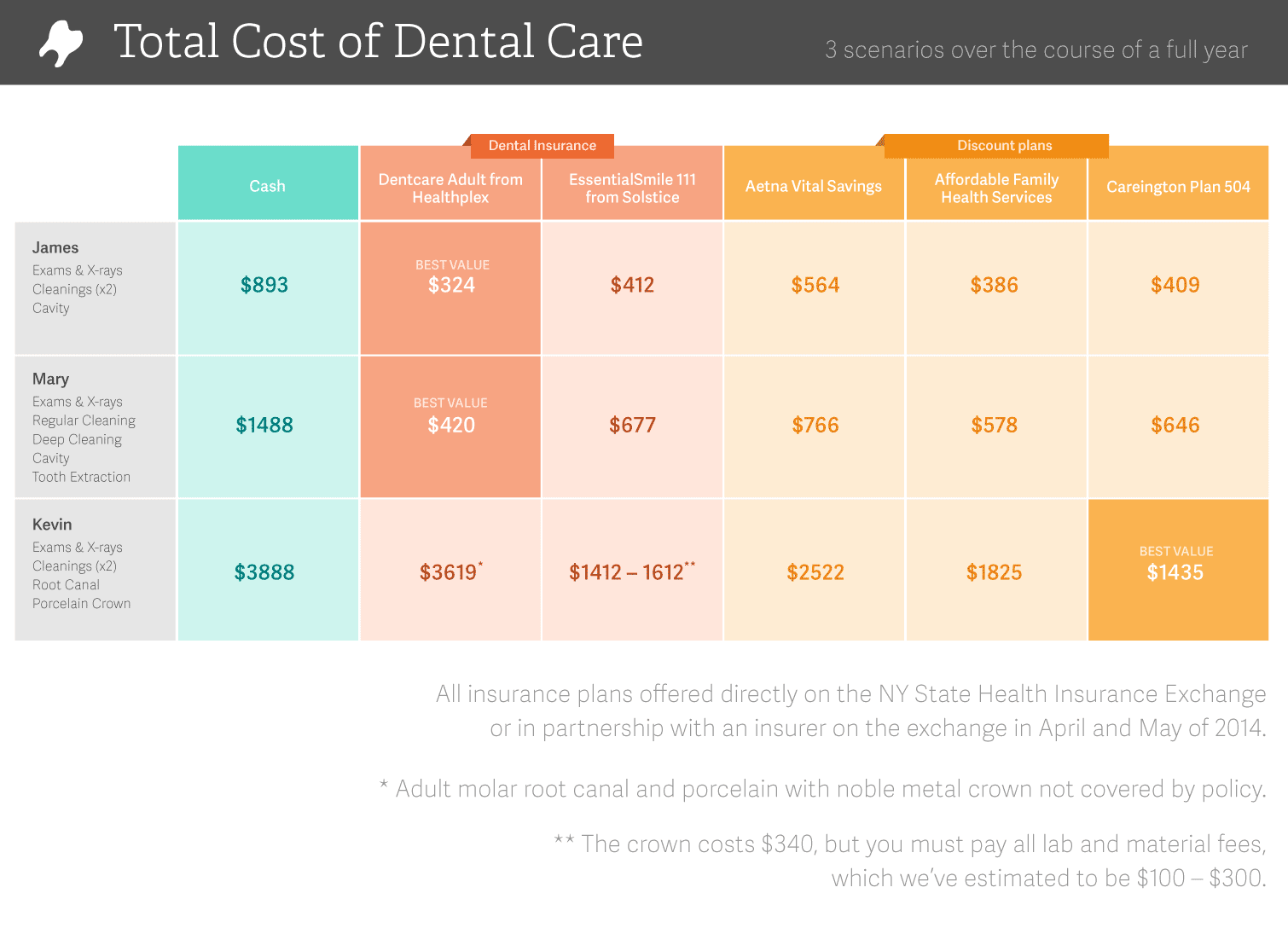
When evaluating affordability, look beyond the headline-grabbing monthly fee. Calculate the total annual financial commitment and weigh it against your anticipated dental utilization for the year.
| Plan Feature | Traditional Dental Insurance | Discount Dental Plan |
|---|---|---|
| Primary Mechanism | Carrier pays a percentage of costs after deductible. | Member pays a pre-negotiated discounted rate directly. |
| Monthly/Annual Cost | Moderate to high premiums ($30 to $100+ per month). | Low to moderate fees ($80 to $200 per year). |
| Annual Maximums | Yes (typically capped at $1,000–$2,000/year). | None. |
| Waiting Periods | Common (3 to 12 months for major work). | None (effective immediately upon activation). |
| Pre-Existing Conditions | Often excluded or subject to waiting periods. | Covered immediately. |
| Paperwork | Claim forms, pre-authorizations, and approvals required. | None; simple point-of-sale discount. |
Hidden Fees and Renewal Terms
Read the fine print regarding administrative fees, processing charges, and automatic renewal clauses. Some low-cost plans tack on non-refundable application fees or processing charges that make the first year significantly more expensive than subsequent renewal periods. Additionally, check whether the plan automatically renews your membership and charges your credit card on file, ensuring you have a clear mechanism to cancel if your needs change.
Common Mistakes to Avoid When Choosing a Plan
Navigating the discount dental plan market can lead to missteps if consumers focus solely on marketing claims. Being aware of frequent pitfalls helps protect your wallet.
Assuming All Dentists in a Network Are Equal
A plan's online directory might list dozens of dentists in your area, but quality, availability, and willingness to accommodate plan members can vary. Some high-volume clinics join multiple discount networks to drive traffic, while other practices limit the number of discount plan patients they accept per month to manage scheduling. Always confirm participation directly with the front desk staff.
Neglecting to Factor in Your Specific Dental History
If you only require bi-annual cleanings and checkups, almost any reputable discount plan will save you money compared to paying out of pocket or buying expensive insurance. However, if you have chronic dental issues or anticipate needing multiple crowns or surgical extractions, calculate the cumulative cost under the plan's specific fee schedule. In some cases, a higher-tier plan with lower procedure fees will save you more money over the course of the year than the cheapest available membership fee.
Step-by-Step Guide to Selecting and Enrolling
To streamline the process of finding the right plan, follow a structured sequence from assessment to activation.
- Assess Your Dental Needs: Make a realistic list of expected dental visits for yourself and your family over the next twelve months, separating preventive care from restorative needs.
- Audit Your Current Dentist: Contact your preferred dental provider to verify network participation for specific discount plan brands.
- Compare Plan Networks: Review multiple plan administrators, examining their geographic provider density and exact regional fee schedules.
- Calculate Total Costs: Add up the annual membership fee plus the estimated out-of-pocket costs for your planned dental procedures.
- Verify Activation Rules: Confirm when the plan becomes active and ensure you understand the cancellation and refund policies.
- Enroll and Book: Complete your registration, keep your member ID card or digital confirmation handy, and schedule your appointment.
Frequently Asked Questions
Can I combine a discount dental plan with traditional dental insurance?
No. Because discount plans operate outside the insurance framework and require you to pay the dentist directly at the discounted rate, they cannot be layered on top of traditional insurance policies to double up on savings.
Are discount dental plans regulated?
Yes, most U.S. states regulate discount medical and dental plans through their Departments of Insurance or Attorney General offices to protect consumers from deceptive marketing and ensure transparency in fee schedules.
What happens if my dentist drops the plan after I enroll?
If your participating dentist leaves the network, you will generally have to choose a new in-network provider to continue receiving discounts. Most plan administrators allow you to switch plans or request a refund within a specified trial window if your provider leaves unexpectedly.
Do discount dental plans cover cosmetic procedures like teeth whitening?
Standard medical and dental insurance almost never covers cosmetic treatments. However, many discount dental plans include voluntary cosmetic add-ons or negotiated discounts on elective procedures like teeth whitening and veneers. Check the specific plan brochure to confirm.
Can I sign up for a plan if I am already experiencing a dental emergency?
Yes. Because discount plans do not enforce waiting periods or pre-existing condition exclusions, you can typically purchase a plan online and begin using the discounted rates as soon as your membership ID is active—often within one to three business days.
Next Actions for Smart Shoppers
To secure the best value, begin by listing your necessary dental procedures and contacting your current dental office to confirm which networks they support. Visit reputable plan comparison platforms or state-regulated insurance department websites to review verified fee schedules. By matching your actual healthcare requirements with a transparent, well-supported discount plan network, you can maintain your oral health effectively while keeping your annual budget firmly under control.