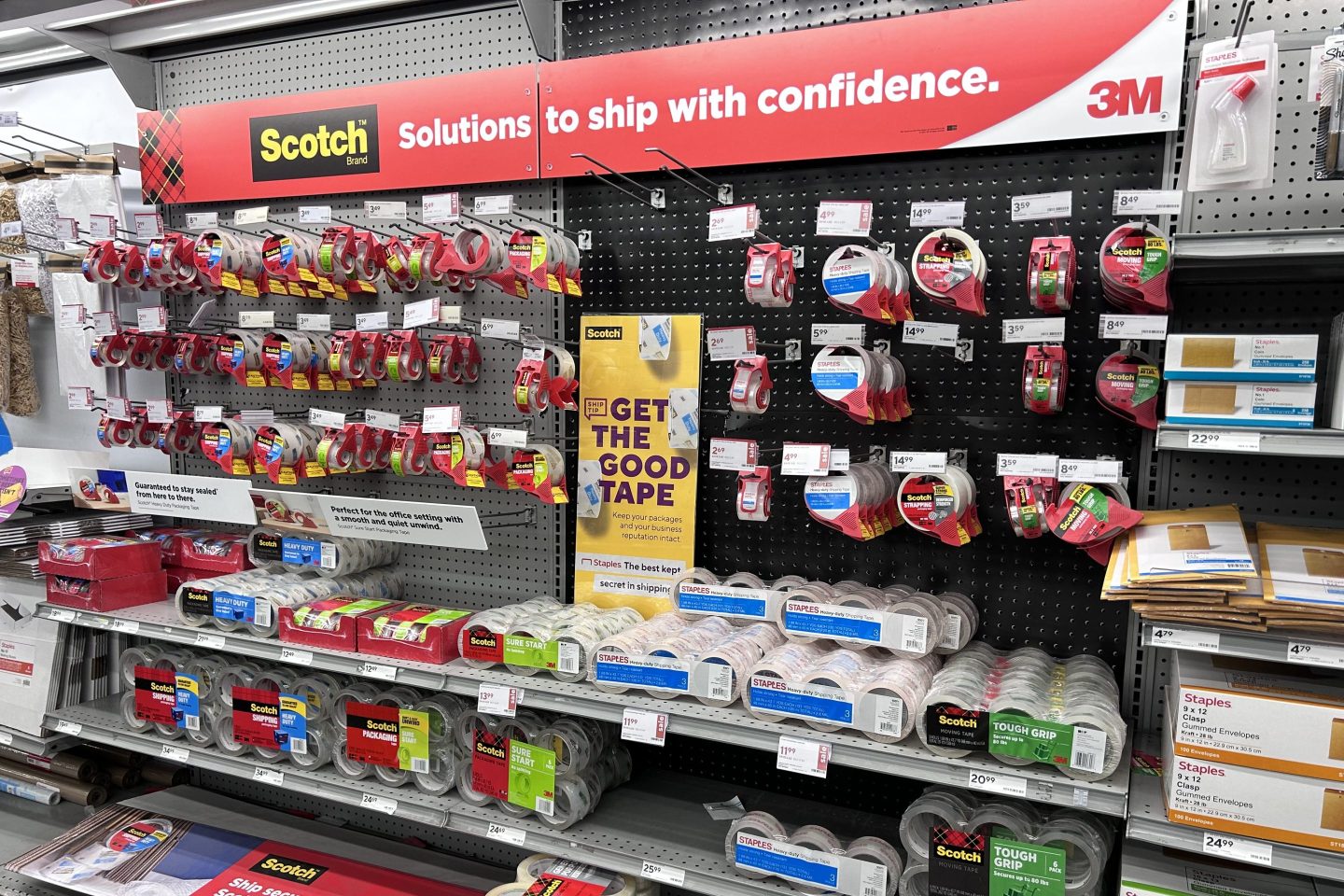
3M Company is a multinational conglomerate operating across industrial, safety, healthcare, and consumer sectors, known for its extensive portfolio of diversified science and technology products. Founded in 1902 and headquartered in Maplewood, Minnesota, the corporation leverages fundamental material science research to develop advanced adhesives, abrasives, filtration systems, and personal protective equipment.
Introduction to 3M Company
Understanding the corporate footprint of the 3M Company requires examining its unique operational model, historical evolution, and extensive market reach. Originally established as the Minnesota Mining and Manufacturing Company, the organization has evolved from a small-scale northern mining venture into a global innovation powerhouse.
The primary search intent behind a "3M company description" typically involves academic research, financial analysis, corporate profiling, or B2B sourcing verification. Stakeholders, including institutional investors, supply chain managers, compliance officers, and business students, frequently look for an objective overview of how this conglomerate structures its business groups, manages its global workforce, and maintains a diverse product portfolio.
Resolving any historical ambiguity regarding its identity, 3M is distinct from similarly named entities and operates publicly under the ticker symbol MMM on the New York Stock Exchange. The following sections explore the structural framework, key operating segments, research and development strategy, and market positioning that define the enterprise.
Corporate History and Evolution
The trajectory of 3M is a case study in corporate adaptation. The enterprise was founded in Two Harbors, Minnesota, by five businessmen intending to mine anilite mineral deposits for grinding wheels. When the local mineral deposits proved commercially unviable for abrasives, the company shifted its focus toward manufacturing sandpaper and related materials.
This early pivot established a foundational culture of internal experimentation and technological pivoting. Throughout the 20th century, 3M expanded its manufacturing footprint and introduced revolutionary products. Notable milestones include the invention of waterproof sandpaper in the 1920s, Scotch™ Cellulose Tape in the 1930s, magnetic recording tape in the 1940s, and Post-it® Notes in the 1970s.
Each innovation reinforced the company's reliance on proprietary chemistry, film-making, and adhesive technologies. Rather than tying its business model to a single industry, 3M built a platform where inventions developed for one division could be adapted and scaled across entirely different market sectors.
Core Business Segments
To manage its vast product catalog, 3M structures its operations into distinct business segments. Each segment focuses on specific end-markets, regulatory environments, and customer bases. The current operational structure is divided into several major groups:
- Safety and Industrial: This segment serves industrial, electrical, and safety markets. Products include personal protective equipment (PPE), abrasives, industrial adhesives, tape products, closure systems for personal hygiene articles, acoustic systems, and structural adhesives.
- Transportation and Electronics: Catering to automotive, commercial graphics, electronics, and aerospace markets, this division provides ceramic solutions, display materials, optical systems for electronic devices, retroreflective materials for traffic safety, and advanced aerospace fasteners.
- Healthcare: Focusing on medical and oral care, health information systems, and food safety, this sector supplies surgical supplies, skin health products, skin and wound care dressings, drug delivery systems, sterilization equipment, and dental restorative materials.
- Consumer: This business group addresses retail, home improvement, stationery, and home care markets. Well-known consumer brands under this umbrella include Post-it®, Scotch™, Command™, and Scotch-Brite™.
| Business Segment | Primary End Markets | Representative Product Lines |
|---|---|---|
| Safety and Industrial | Manufacturing, Construction, OHS | N95 Respirators, Abrasive Belts, Industrial Tapes |
| Transportation & Electronics | Automotive, Aerospace, Electronics | Optical Films, Retroreflective Sheeting, Fasteners |
| Healthcare | Hospitals, Dental Clinics, Food Safety | Surgical Drapes, Dental Cements, Sterilization Monitors |
| Consumer | Retail, Office Supply, Home Care | Adhesive Notes, Scrub Sponges, Wall Hanging Strips |
Research, Development, and Technological Platforms
At the core of 3M's corporate identity is its commitment to research and development (R&D). The enterprise relies heavily on proprietary technology platforms rather than isolated product designs. These platforms represent foundational capabilities—such as polymer science, nanotechnology, precision coating, and material physics—that can be combined in novel ways to create solutions for completely distinct customer problems.
The corporate strategy traditionally emphasizes cross-pollination across scientific disciplines. Researchers are encouraged to share technical insights across divisions, ensuring that an adhesive breakthrough in the consumer division might find a secondary application in aerospace manufacturing.
Furthermore, 3M's historical commitment to innovation is supported by a significant intellectual property portfolio. Thousands of active patents protect its proprietary formulations, manufacturing processes, and specialized materials, providing a substantial competitive moat within global supply chains.
Manufacturing Footprint and Global Supply Chain
Operating on a global scale requires a resilient and geographically distributed manufacturing and distribution network. 3M maintains research facilities, manufacturing plants, and administrative offices across dozens of countries in the Americas, Europe, the Middle East, Africa, and the Asia-Pacific region.
This localized manufacturing model allows the corporation to serve regional markets efficiently while mitigating supply chain vulnerabilities. Raw materials—ranging from specialty polymers and resins to industrial chemicals and metals—are sourced globally under stringent supplier compliance standards.
Logistics and distribution operations are similarly integrated, utilizing advanced inventory management systems to deliver products to industrial distributors, hospitals, retail chains, and direct-to-consumer channels.
Sustainability, Compliance, and Corporate Responsibility
In contemporary industrial operations, corporate sustainability and regulatory compliance are critical dimensions of enterprise evaluation. 3M has implemented various long-term environmental goals focusing on greenhouse gas emission reductions, water use efficiency, and renewable energy adoption in its manufacturing facilities.
The corporation operates under strict global regulatory frameworks, including chemical management standards, environmental protection mandates, and workplace safety laws. Compliance programs oversee product safety, chemical lifecycle management, and environmental remediation efforts.
As with many large-scale chemical and industrial manufacturers, 3M has managed complex legal and regulatory challenges related to historical chemical manufacturing processes, reinforcing the importance of rigorous compliance protocols and proactive environmental management strategies.
Frequently Asked Questions
What is the primary industry of the 3M Company?
3M operates primarily as a diversified technology and manufacturing conglomerate. Rather than fitting into a single industry box, its operations span multiple sectors, including industrial manufacturing, healthcare, electronics, consumer goods, and safety equipment.
Where is the headquarters of 3M located?
The corporate headquarters of 3M is located in Maplewood, Minnesota, a suburb of St. Paul. The campus houses executive leadership, central research laboratories, and administrative operations.
What are some of 3M's most famous consumer brands?
3M manages several globally recognized household and office brands, including Post-it® Notes, Scotch™ Tape, Scotch-Brite™ cleaning tools, and Command™ damage-free hanging products.
How does 3M structure its research and development?
3M structures its R&D around foundational technology platforms—such as adhesives, abrasives, and film coatings—rather than individual product categories. This allows scientists and engineers to apply core technical breakthroughs across multiple business segments.
Is 3M a publicly traded corporation?
Yes, 3M is a publicly traded company listed on the New York Stock Exchange under the ticker symbol MMM and is a component of major market indices.
Conclusion and Next Actions
Reviewing the 3M company description demonstrates the complex, multi-sector nature of a global industrial conglomerate. Whether conducting financial due diligence, academic research, or supply chain assessment, stakeholders should examine specific business segment reports, official SEC filings, and audited sustainability disclosures for the most up-to-date and granular enterprise data. To verify current operational data or explore specific product compliance documentation, consult official corporate disclosures and authorized distributor catalogs directly.