Maintaining the correct tire pressure is one of the most critical aspects of owning a 2019 Subaru Crosstrek. For the standard factory-equipped tires, the recommended cold tire pressure is 33 PSI for both the front and rear tires. Adhering to these specifications ensures optimal fuel efficiency, balanced handling, and the longevity of your tires, while also ensuring the safety systems of your vehicle function as intended.
Understanding Manufacturer Tire Specifications
The 2019 Subaru Crosstrek is engineered with a specific suspension geometry and weight distribution that relies on precise tire inflation to perform at its peak. The pressure recommendation of 33 PSI, found on the tire placard inside the driver’s side door jamb, is not a suggestion but a requirement for safe operation. This "cold" pressure refers to the state of the tire when the vehicle has been stationary for at least three hours or driven for less than one mile.
When you drive, friction between the tire tread and the road surface generates heat. This heat causes the air inside the tire to expand, naturally increasing the pressure. If you check your tire pressure immediately after driving on a highway, the reading will be artificially inflated. To get an accurate measurement, always use a reliable tire pressure gauge while the tires are cold. Relying on the numbers printed on the sidewall of the tire itself is a common mistake; those numbers represent the maximum pressure the tire can hold under its maximum load capacity, not the recommended operating pressure for your specific Subaru model.
The Impact of Incorrect Tire Pressure
Running your tires at the wrong pressure—whether over-inflated or under-inflated—has immediate and long-term consequences for your 2019 Crosstrek.
Under-inflation
If your tires are significantly below 33 PSI, the sidewalls flex excessively. This generates intense internal heat, which can cause premature wear and, in extreme cases, internal structural failure or blowouts. Furthermore, under-inflated tires increase rolling resistance. Your engine must work harder to move the vehicle, which directly lowers your fuel economy. You may also notice the vehicle feels "mushy" or sluggish during cornering, as the tire’s shoulder is forced into contact with the road instead of the intended tread contact patch.
Over-inflation
Conversely, putting too much air in your tires reduces the size of the contact patch. This leads to reduced traction, particularly on wet or icy roads, as less rubber is gripping the surface. The center of the tire will wear out significantly faster than the shoulders, leading to an uneven tread pattern that necessitates replacing the tires well before their expected lifespan. You will also experience a harsh, jarring ride quality, as the tires lose their ability to absorb minor road imperfections.
Seasonal Fluctuations and Physics
One of the most frequent questions owners ask is why their tire pressure light illuminates during the first cold snap of the year. The relationship between temperature and pressure is governed by the ideal gas law: as ambient temperature drops, the air molecules inside the tire become less active and occupy less space, resulting in a measurable drop in pressure.
For every 10-degree Fahrenheit drop in ambient temperature, your tires can lose approximately 1 PSI. If your tires were set to 33 PSI during a warm autumn day and the temperature drops by 30 degrees overnight, you could easily find your tires sitting at 30 PSI by the next morning. While this may not be enough to cause immediate damage, it is often enough to trigger the Tire Pressure Monitoring System (TPMS) alert on your dashboard. Checking and adjusting your pressures in accordance with seasonal changes is a vital maintenance routine for any Subaru owner.
Utilizing the Tire Pressure Monitoring System (TPMS)
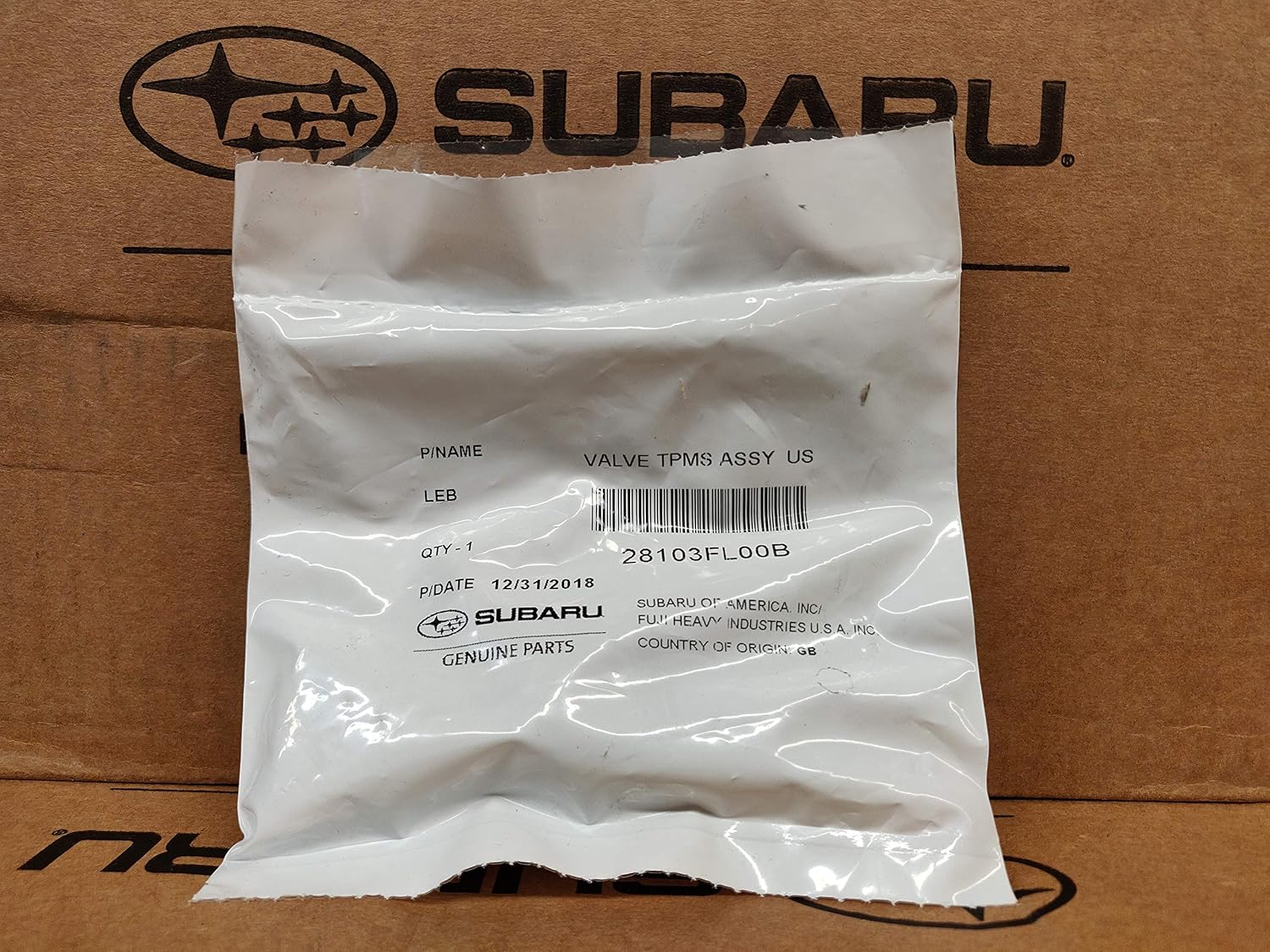
Your 2019 Subaru Crosstrek is equipped with a direct TPMS that utilizes sensors mounted inside each wheel assembly. These sensors transmit real-time pressure data to the vehicle’s onboard computer.
If the warning light appears on your instrument cluster, it is a definitive sign that at least one of your tires has dropped below the minimum threshold, which is typically about 25% lower than the recommended cold pressure. When this light appears, do not simply reset it or ignore it. Use an accurate gauge to check all four tires. If you find a tire that is low, check for visible punctures or debris that might be causing a slow leak. If no damage is found, add air to reach the target 33 PSI. The light should turn off automatically after you drive for a short distance, as the sensors recognize that the pressure has returned to the safe operating range.
Essential Tire Care Comparison Table
| Condition | PSI Impact | Handling Characteristic | Wear Pattern |
|---|---|---|---|
| Recommended | 33 PSI | Balanced, responsive | Even across tread |
| Under-inflated | Below 30 PSI | Sluggish, increased heat | Wear on outer edges |
| Over-inflated | Above 36 PSI | Harsh, reduced grip | Wear in center tread |
| Temperature Drop | -1 PSI / 10°F | Fluctuating readings | Dependent on correction |
Best Practices for Monitoring and Maintenance
To maintain the safety and efficiency of your Crosstrek, adopt a proactive approach to tire maintenance:
- Check Monthly: Make it a habit to check your tire pressure at least once a month. Tires can lose a small amount of air naturally over time through the valve stem or microscopic pores in the rubber.
- Use a Quality Gauge: Analog stick-style gauges are often inaccurate. Invest in a digital tire pressure gauge, which provides a precise readout that is easier to interpret.
- Inspect the Valve Stems: If you find that one tire is consistently lower than the others, check the valve stem. A loose or faulty valve core is a common cause of slow leaks and is inexpensive to replace.
- Don't Forget the Spare: If your Crosstrek is equipped with a compact spare tire, check its pressure occasionally as well. Though it is not intended for long-term use, it needs to be ready if you encounter a flat.
- Professional Rotation: Ensure your tires are rotated every 6,000 to 8,000 miles. Regular rotation helps distribute tread wear evenly, which ensures that the pressure distribution remains consistent across all four corners of the vehicle.
Common Troubleshooting and FAQ
Why does my tire pressure warning light stay on even after I fill the tires? If you have inflated the tires to 33 PSI and driven the car for a few miles, but the light remains, it is possible one of the TPMS sensors has a depleted battery or has been damaged. Older sensors, especially in a vehicle from 2019, may reach the end of their service life. A tire shop can use a diagnostic tool to determine if a specific sensor is failing.
Does the Crosstrek require different pressure for towing? The 2019 Crosstrek is not designed for heavy towing. If you are towing the maximum rated capacity, ensure your tires are at the manufacturer-recommended pressure. Increasing pressure significantly beyond 33 PSI to compensate for a load can negatively affect the vehicle's stability and traction.
Can I use nitrogen instead of compressed air? Nitrogen is often touted for being more stable in fluctuating temperatures because it is a dry, inert gas. While it may result in less frequent pressure adjustments, it is not strictly necessary for daily driving. If you do use nitrogen, you can still check and top off the pressure with regular compressed air if needed.
What should I do if a tire won't hold pressure? If a tire loses pressure rapidly, do not attempt to "top it off" repeatedly. This is a safety hazard. Inspect the tread for nails, screws, or sidewall punctures. If a puncture is in the shoulder or sidewall, the tire cannot be safely repaired and must be replaced.
Does off-roading change the tire pressure requirements? If you are driving on soft sand or deep snow, some enthusiasts lower their tire pressure to increase the contact patch and gain traction. However, this is for specialized, slow-speed off-road scenarios only. Always return your tires to 33 PSI before returning to paved roads to avoid tire damage and maintain proper handling.
Next Steps for Your Vehicle
Consistent tire maintenance is the most effective way to ensure the longevity of your 2019 Subaru Crosstrek. Start by checking your current pressure against the 33 PSI recommendation. If you identify a persistent issue with a specific tire, consult a tire professional to inspect the bead seat and the valve stem. By keeping your tires properly inflated, you protect your investment and ensure that your Subaru remains capable of handling all road conditions with confidence.