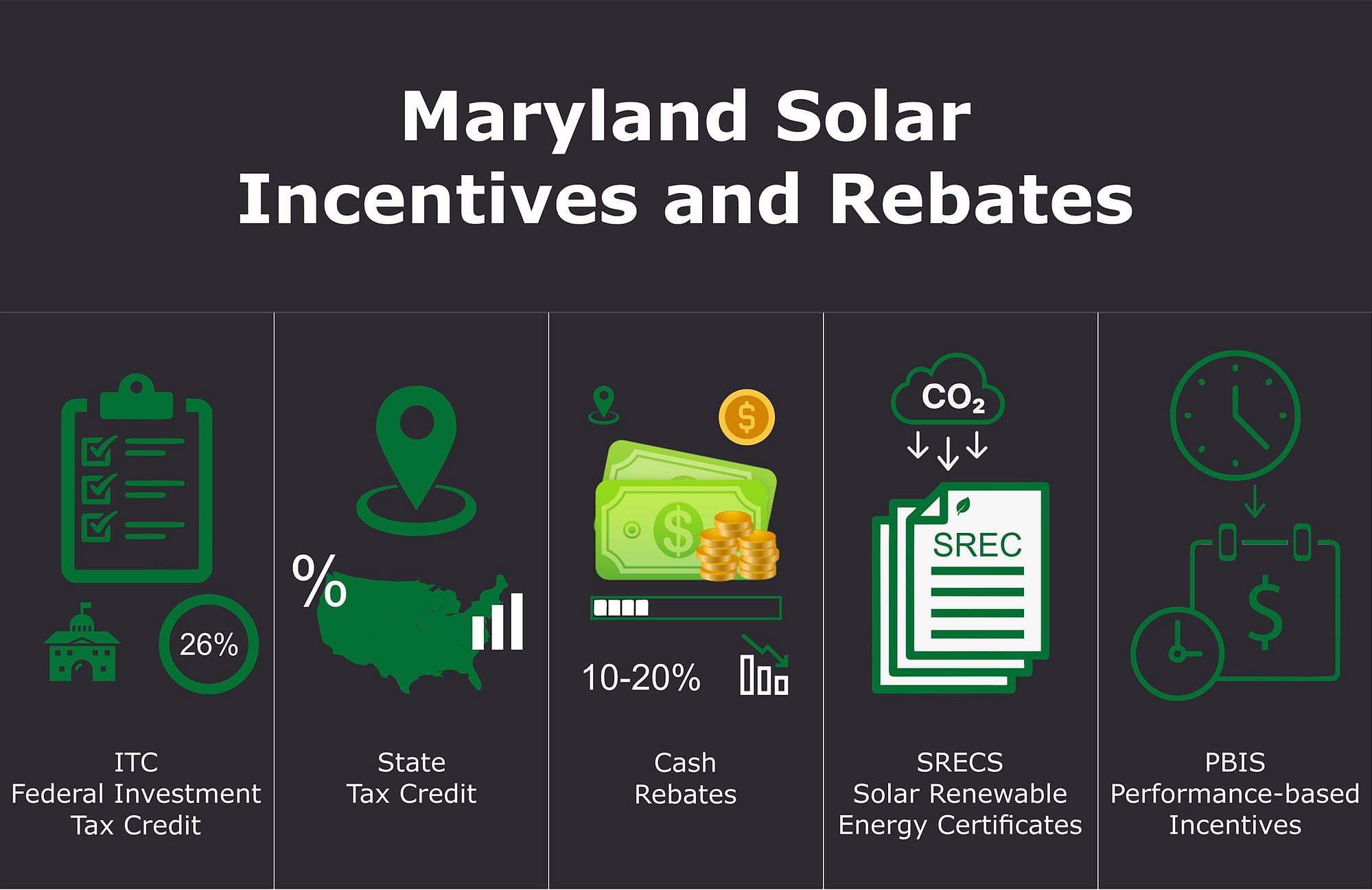
Yes, numerous financial incentives, tax credits, and rebates exist for installing solar panels, offered at federal, state, and local utility levels. These programs significantly reduce the upfront capital expenditure of a photovoltaic system, shorten the return on investment timeline, and accelerate the widespread adoption of renewable energy for residential and commercial properties.
Transitioning to renewable energy requires a clear understanding of the financial landscape. While the hardware costs of solar photovoltaic (PV) systems have declined significantly over the past decade, the initial investment remains a substantial commitment for property owners. Fortunately, a multi-layered framework of incentives helps offset these expenses. Navigating this landscape requires looking beyond national programs to examine state-specific policies, municipal offerings, and private utility incentives that change dynamically based on geographic location and regulatory shifts.
The Federal Framework: The Residential Clean Energy Credit
At the federal level in the United States, the primary incentive for residential solar installations is the Residential Clean Energy Credit, historically known as the Investment Tax Credit (ITC) or Section 25D. This program allows homeowners to claim a significant percentage of their total solar system installation costs as a credit against their federal income tax liability.
Under current federal guidelines, the credit applies to both equipment and installation labor, including necessary permitting fees, inspection costs, and balance-of-system components like solar batteries. Unlike a tax deduction, which merely lowers taxable income, a tax credit provides a dollar-for-dollar reduction in actual taxes owed. If the credit exceeds the taxpayer's total tax liability for the year, the remaining balance can be rolled over to subsequent tax years.
Understanding the mechanics of the federal credit involves recognizing eligibility criteria:
- Ownership: The taxpayer must own the solar energy system. Systems acquired through lease agreements or power purchase agreements (PPAs) do not qualify the occupant for the tax credit, as the third-party system owner claims the incentive instead.
- Property Type: The installation must take place on a residential property owned and used by the taxpayer. This includes primary residences, secondary homes, and vacation properties. Rental properties where the owner does not reside face different commercial credit structures.
- Installation Timeline: The system must be operational and placed in service during the tax year for which the credit is claimed.
State-Level Rebates and Solar Renewable Energy Certificates
While federal incentives establish a baseline, state governments often provide the most lucrative direct rebates and market-based mechanisms. State-level policies vary wildly, creating a fragmented geographic landscape where two neighboring towns might offer entirely different financial returns for the exact same solar array.
State Rebates and Direct Cash Incentives
Certain state energy offices and public utility commissions offer upfront cash rebates per watt of installed solar capacity. These rebates are often administered through block grant programs that decrease in value as more residents adopt solar energy. Consequently, early adopters within a specific state program tier typically secure higher payouts than those who wait.
Solar Renewable Energy Certificates (SRECs)
In states with a Renewable Portfolio Standard (RPS)—a mandate requiring electricity suppliers to source a specific percentage of their energy from renewables—Solar Renewable Energy Certificate markets thrive. For every megawatt-hour (MWh) of electricity a residential solar system produces, the owner receives one SREC.
Property owners can sell these certificates on an open market to utility companies needing to meet their regulatory requirements. This creates an ongoing passive income stream that persists for the lifetime of the certificates, typically tracked over a multi-year compliance period.
Local Utility Incentives and Net Metering Policies
Beyond state borders, individual electric utilities—whether investor-owned utilities, municipal cooperatives, or rural electric co-ops—shape the financial viability of solar installations through local rebates and billing structures.
Rebate Programs from Utility Providers
Many electric utilities offer direct cash-back rebates for customers who interconnect solar panels to the local grid. These programs are often designed to help utilities manage peak demand loads. For instance, utilities may offer higher incentive rates if the solar installation is paired with a battery storage system, which allows the utility to draw stored energy during high-stress grid events.
Net Metering and Interconnection Rules
Net metering is not a direct cash rebate, but it functions as a critical financial mechanism. Under a net metering policy, utility companies are required to credit solar system owners for the excess electricity their panels send back to the local grid.
- Full Retail Rate Net Metering: The utility credits excess generation at the exact same rate they charge for electricity consumption.
- Net Billing / Avoided Cost: Utilities purchase excess generation at a wholesale rate, which is typically much lower than the retail rate, significantly altering the financial return calculations for new solar owners.
| Incentive Type | Typical Mechanism | Primary Benefit | Geographic Variability |
|---|---|---|---|
| Federal Tax Credit | Dollar-for-dollar tax liability reduction | Lowers total net system cost by a fixed percentage | Uniform across the entire nation |
| State SRECs | Market-based certificate sales per MWh produced | Generates ongoing, periodic revenue | High; restricted to specific states with RPS laws |
| Utility Rebates | Upfront cash payment per watt or per battery | Reduces immediate out-of-pocket capital expenses | Extreme; varies by specific utility provider |
| Net Metering | Bill credits for excess electricity fed to the grid | Accelerates payback period via reduced monthly bills | High; subject to ongoing regulatory updates |
Additional Financial Tools and Property Tax Exemptions
In addition to direct rebates and tax credits, various legislative measures exist to protect solar investments from secondary financial penalties.
Property Tax Exemptions
Installing a solar energy system increases the overall appraisal value of a residential or commercial property. In many jurisdictions, this added equity would normally trigger an increase in local property taxes. However, numerous states and municipalities enact property tax exemptions for renewable energy installations, ensuring that homeowners are not penalized with higher tax bills for upgrading their properties with green technology.
Sales Tax Exemptions
Purchasing solar panels, mounting hardware, inverters, and storage batteries involves substantial equipment costs. Many states exempt renewable energy hardware from state and local sales taxes, saving buyers hundreds or thousands of dollars at the point of purchase.
Navigating Application Processes and Avoiding Pitfalls
Securing available rebates and tax credits requires strict adherence to administrative procedures and documentation protocols. Failing to meet a filing deadline or neglecting a pre-approval requirement can permanently disqualify a project from receiving funds.
The Step-by-Step Verification Process
- Conduct a Professional Solar Audit: Work with a licensed installer who understands local utility interconnection tariffs and municipal zoning laws.
- Secure Pre-Approval: Many utility-administered rebates and state block grants require submission of an application before physical installation begins. Installing equipment prematurely can void eligibility.
- Complete Electrical Inspections: Local municipal building departments must inspect and approve the system to ensure compliance with local electrical safety codes.
- Interconnection Approval: The utility must officially grant permission to operate (PTO) the system before it can legally export power to the grid.
- File for Credits and Rebates: Submit tax documentation (such as IRS Form 5695 for federal credits) alongside utility rebate verification forms during the appropriate tax or reporting cycle.
Common Mistakes to Avoid
- Assuming Universal Eligibility: Do not rely on generic online calculators without verifying local utility rules, as net metering and rebate programs change frequently.
- Neglecting Maintenance Documentation: Keep detailed records of purchase receipts, installation invoices, and inspection sign-offs for tax auditing purposes.
- Ignoring Financing Impacts: Understand that utilizing third-party leases or power purchase agreements strips the property owner of direct tax credits and state incentives, transferring those financial benefits to the leasing corporation.
Frequently Asked Questions
Are solar rebates available in every state?
No. Direct cash rebates and SREC programs vary dramatically by geography. While the federal tax credit is available nationwide, state-level and utility-level incentives depend entirely on local legislation, state energy targets, and the policies of individual electric companies.
Can I get solar rebates if I lease my solar panels?
Generally, no. Direct rebates, tax credits, and performance-based incentives are claimed by the legal owner of the system. If you enter into a lease or a power purchase agreement, the third-party solar provider owns the hardware and claims the financial incentives, though they may factor those savings into lower monthly lease rates.
What happens if the solar tax credit exceeds my annual tax liability?
The federal Residential Clean Energy Credit is non-refundable, meaning it cannot be paid out to you as cash if it exceeds what you owe in taxes. However, unused portions of the credit roll over automatically to subsequent tax years until the full amount is exhausted.
Do solar panels increase property taxes?
In most jurisdictions with pro-solar legislation, state and local laws explicitly exempt renewable energy home improvements from adding to your property tax assessment, even though the market value of the home increases.
How do I know if my utility offers net metering?
You must contact your specific electric utility provider or review their interconnection guidelines online. Utility policies range from full retail crediting for excess solar generation to lower wholesale rate compensation models, which directly impacts your long-term energy savings.
Next Actions for Prospective Solar Owners
To determine your exact eligibility for solar rebates and incentives, start by requesting quotes from reputable, licensed solar contractors who operate locally. Ask them to provide a comprehensive financial projection that accounts for federal tax credits, state-specific SREC markets, and local utility net metering tariffs. Cross-reference their estimates with official resources provided by your state energy office or the Database of State Incentives for Renewables & Efficiency (DSIRE) to ensure you capture every available financial offset before committing to an installation contract.