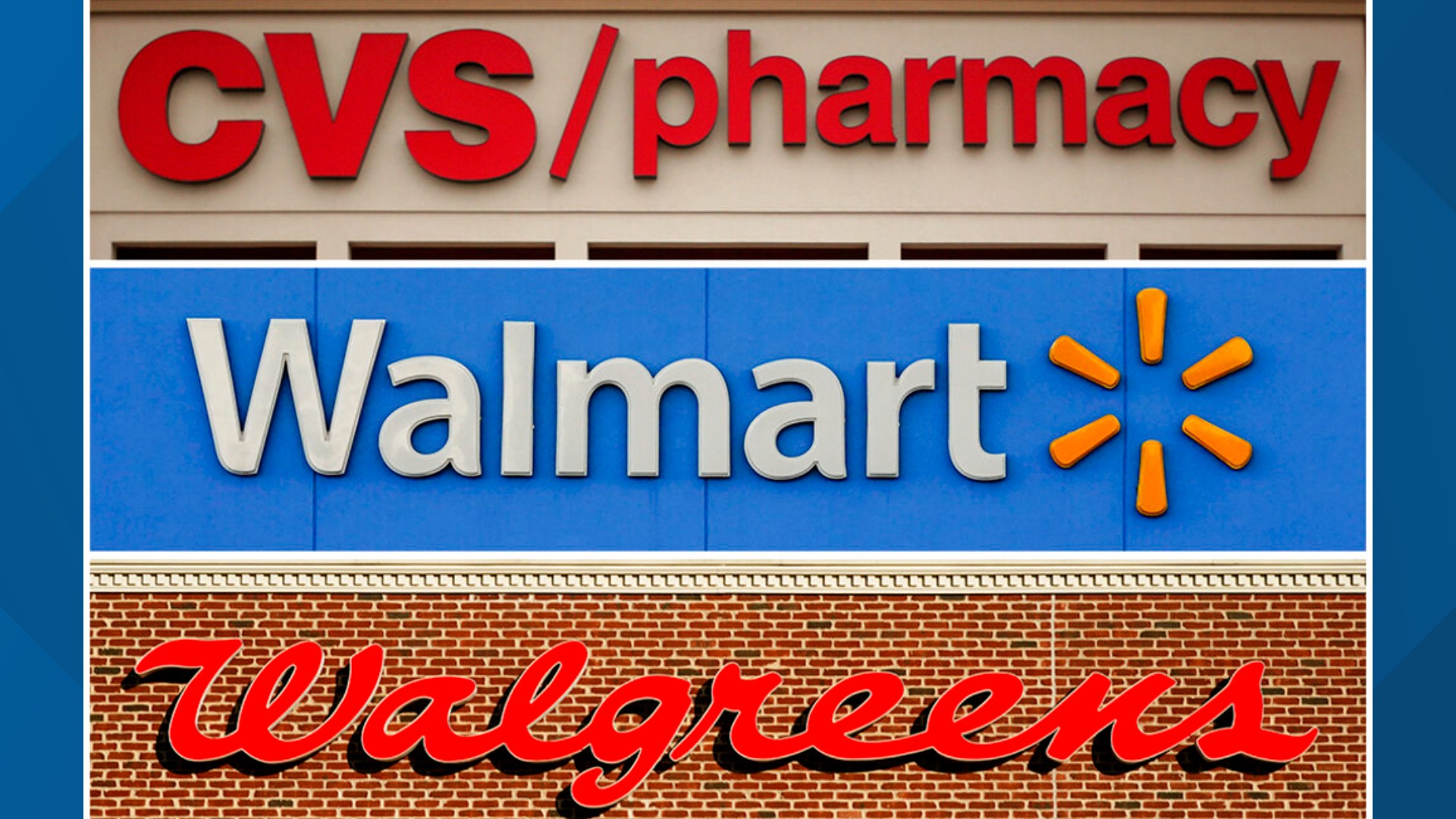
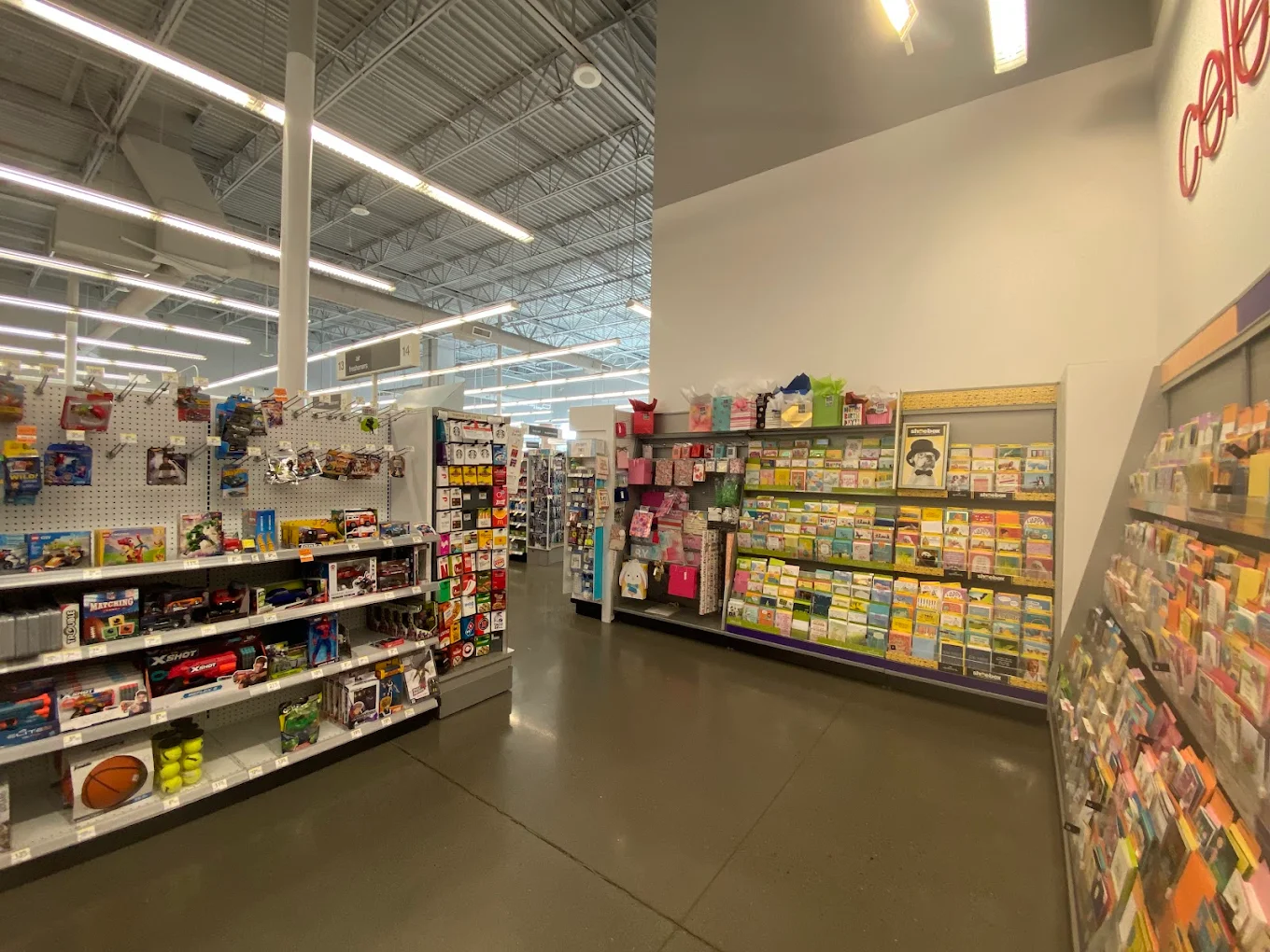
Walmart and Walgreens are completely separate, unrelated companies owned by different parent organizations, managed by distinct executive teams, and operated independently of one another. Despite both being dominant forces in the American retail and pharmacy sectors—frequently occupying neighboring real estate and serving overlapping consumer demographics—they share no corporate parent, joint venture, or shared ownership history. Walmart is a publicly traded multinational retail corporation founded by Sam Walton in Arkansas, whereas Walgreens is a subsidiary of Walgreens Boots Alliance, a global pharmacy-led health enterprise with roots in Illinois.
Understanding the corporate landscape of American retail requires untangling the dense web of competitors, store brands, and market strategies. Consumers frequently conflate major corporate entities due to shared conveniences, such as identical pharmacy benefit manager acceptances, co-located strip malls, or similar branding colors like blue and red. However, a deeper examination reveals distinct operational frameworks, corporate governance, supply chain infrastructures, and financial structures that prove these two entities operate in entirely different corporate spheres.
The Corporate Structure and Ownership of Walmart
Walmart Inc., headquartered in Bentonville, Arkansas, operates as a publicly traded corporation listed on the New York Stock Exchange under the ticker symbol WMT. The company was founded by Sam Walton in 1962 and has since evolved into the world's largest company by revenue. The Walton family retains a massive controlling stake in the corporation through Walton Enterprises LLC and individual holdings, owning roughly half of the company's total stock.
Walmart's business model relies heavily on its multi-format retail strategy. The corporation operates several distinct store formats, including Walmart Supercenters, discount stores, neighborhood markets, and Sam's Club wholesale membership warehouses. Within this vast empire, Walmart incorporates its own in-house pharmacy and optical centers directly within its store footprints. These pharmacies are wholly owned subsidiaries of Walmart Inc. and are managed through internal corporate channels rather than through outsourcing partnerships or external healthcare conglomerates.
Furthermore, Walmart’s supply chain and logistics network is entirely self-contained. The company operates one of the world's largest private truck fleets, managing distribution centers that exclusively supply Walmart and Sam's Club locations. This vertical integration allows Walmart to control inventory from the manufacturer to the point of sale, reinforcing its financial and operational independence from other major retail entities, including pharmaceutical competitors.
The Corporate Structure and Ownership of Walgreens
Walgreens, officially operating as Walgreen Co., is an operating subsidiary of Walgreens Boots Alliance, Inc. (WBA), which is traded on the Nasdaq under the ticker WBA. The company traces its origins back to 1901 when Charles R. Walgreens Sr. purchased a drug store in Chicago, Illinois. Over the decades, Walgreens expanded aggressively, culminating in a massive merger in 2014 with European health and beauty retailer Alliance Boots to form Walgreens Boots Alliance.
Unlike Walmart's sprawling big-box format, Walgreens focuses primarily on convenience, retail pharmacy, and community healthcare. Walgreens operates thousands of retail drugstores across the United States, offering prescription fulfillment, over-the-counter medications, health and wellness products, and photo services. In recent years, Walgreens Boots Alliance has expanded into value-based care by investing heavily in primary care clinics, such as VillageMD, alongside specialty pharmacy operations.
Walgreens manages its own independent corporate governance structure, distinct board of directors, and specialized pharmaceutical distribution agreements. While Walgreens contracts with major drug wholesalers—such as AmerisourceBergen (now Cencora)—to stock its shelves, its supply chain, merchandising strategy, and financial liabilities remain entirely separate from any other major retailer.
| Feature | Walmart Inc. | Walgreens (Walgreens Boots Alliance) |
|---|---|---|
| Primary Headquarters | Bentonville, Arkansas, USA | Deerfield, Illinois, USA |
| Stock Exchange / Ticker | NYSE: WMT | NASDAQ: WBA |
| Founding Year | 1962 | 1901 |
| Primary Business Model | Hypermarkets, discount stores, grocery, e-commerce, and in-store pharmacies | Retail pharmacy, convenience health clinics, and health and beauty retail |
| Primary Ownership | Publicly traded; Walton family holds a controlling majority stake | Publicly traded multinational holding company (Walgreens Boots Alliance) |
| Healthcare Strategy | In-store pharmacies, Walmart Health clinics (historical pilot shifts), and optical centers | Retail pharmacy, VillageMD partnerships, and specialized health services |
Historical Misconceptions and Why People Think They Are Related
The persistent confusion regarding whether Walmart and Walgreens are related stems from several optical, geographical, and consumer-facing similarities. In many suburban and rural American communities, real estate developers intentionally position big-box retailers and retail pharmacies near one another to capture high-volume traffic. It is common to see a Walgreens standalone brick-and-mortar store situated directly outparcel to a Walmart Supercenter parking lot, or sharing the same commercial strip. This physical proximity frequently leads casual observers to assume a corporate affiliation.
Another contributing factor is the branding color palette. Both corporations heavily utilize blue and red in their corporate logos, store signage, and marketing campaigns. While Walmart transitioned through various logo iterations featuring stars, hyphens, and bright yellow sparks, its traditional blue text and red accents have mirrored the visual identity traditionally associated with American retail pharmacy chains.
Additionally, consumer experiences in the healthcare and insurance sectors reinforce this confusion. When a customer visits a pharmacy, their insurance coverage, co-pays, and prescription benefit managers (PBMs) dictate where they can fill their prescriptions. Because both Walmart Pharmacies and Walgreens accept the vast majority of major commercial insurance plans, Medicare Part D, and Medicaid programs, customers often interact with both pharmacies interchangeably. If a patient transfers a prescription from Walmart to Walgreens, the standardized electronic transfer protocols can make the two entities feel like interconnected branches of the same overarching healthcare system.
Competitive Landscape and Market Positioning
Rather than being related corporate entities, Walmart and Walgreens are fierce competitors across multiple retail categories, most notably in over-the-counter (OTC) health products, beauty items, and pharmacy services.
Walmart leverages its massive economies of scale to offer everyday low pricing (EDLP) across all merchandise categories, undercutting traditional drugstores on grocery items, household goods, and standard maintenance medications. Walmart's aggressive pricing strategy on generic drugs—historically anchored by its famous $4 and $10 generic prescription lists—historically forced traditional pharmacies like Walgreens to adapt their pricing models to remain competitive.
Walgreens, conversely, positions itself on convenience, speed, and localized healthcare accessibility. While a consumer might save money buying bulk items or filling a routine prescription at a Walmart Supercenter, they may choose Walgreens for its drive-thru pharmacy windows, neighborhood corner placements, extended operating hours, and specialized pharmacist consultations. Walgreens has increasingly leaned into healthcare services, positioning its stores as neighborhood health destinations rather than just retail shops.
Frequently Asked Questions
Are Walmart and Walgreens owned by the same parent company?
No. Walmart Inc. is an independent publicly traded retail corporation owned in large part by the Walton family and public shareholders. Walgreens is a subsidiary of Walgreens Boots Alliance, Inc., a separate publicly traded global health and retail enterprise. They share no corporate ownership, parent company, or financial consolidation.
Can I use a Walgreens gift card at Walmart, or vice versa?
No. Because they are entirely separate corporate entities with distinct point-of-sale systems, financial accounting structures, and merchant accounts, you cannot use a Walgreens gift card at Walmart, nor can you use a Walmart gift card at Walgreens.
Why are Walmart and Walgreens stores often built right next to each other?
This is a result of independent commercial real estate development strategies rather than a corporate partnership. Retail developers and zoning boards frequently designate specific commercial corridors for high-density retail and healthcare services, making neighboring lots attractive to both big-box chains and national pharmacy brands.
Do Walmart pharmacies and Walgreens pharmacies share patient records?
No. Walmart and Walgreens operate entirely independent pharmacy management systems. If you wish to transfer a prescription from a Walmart pharmacy to a Walgreens pharmacy—or vice versa—the receiving pharmacy must contact the originating pharmacy directly to process a formal prescription transfer, exactly as they would when transferring between any two completely unrelated competitor chains.
Is Walgreens a part of CVS?
No. CVS Health and Walgreens are fierce direct competitors in the retail pharmacy sector. CVS is owned by CVS Health Corporation, while Walgreens is owned by Walgreens Boots Alliance. They are entirely separate corporate entities.
Conclusion and Next Steps
Walmart and Walgreens are completely separate, independent corporations with distinct ownership histories, operational strategies, and business models. While they compete directly for consumer health, wellness, and retail dollars—and often occupy neighboring commercial real estate—they share no corporate ties. When managing your retail shopping, grocery trips, or prescription fills, recognize that interacting with one company has no bearing on, or connection to, the other. If you need to transfer prescriptions, resolve insurance billing issues, or return merchandise, you must deal directly with the specific merchant in question, as neither organization honors the policies, gift cards, or internal systems of the other.