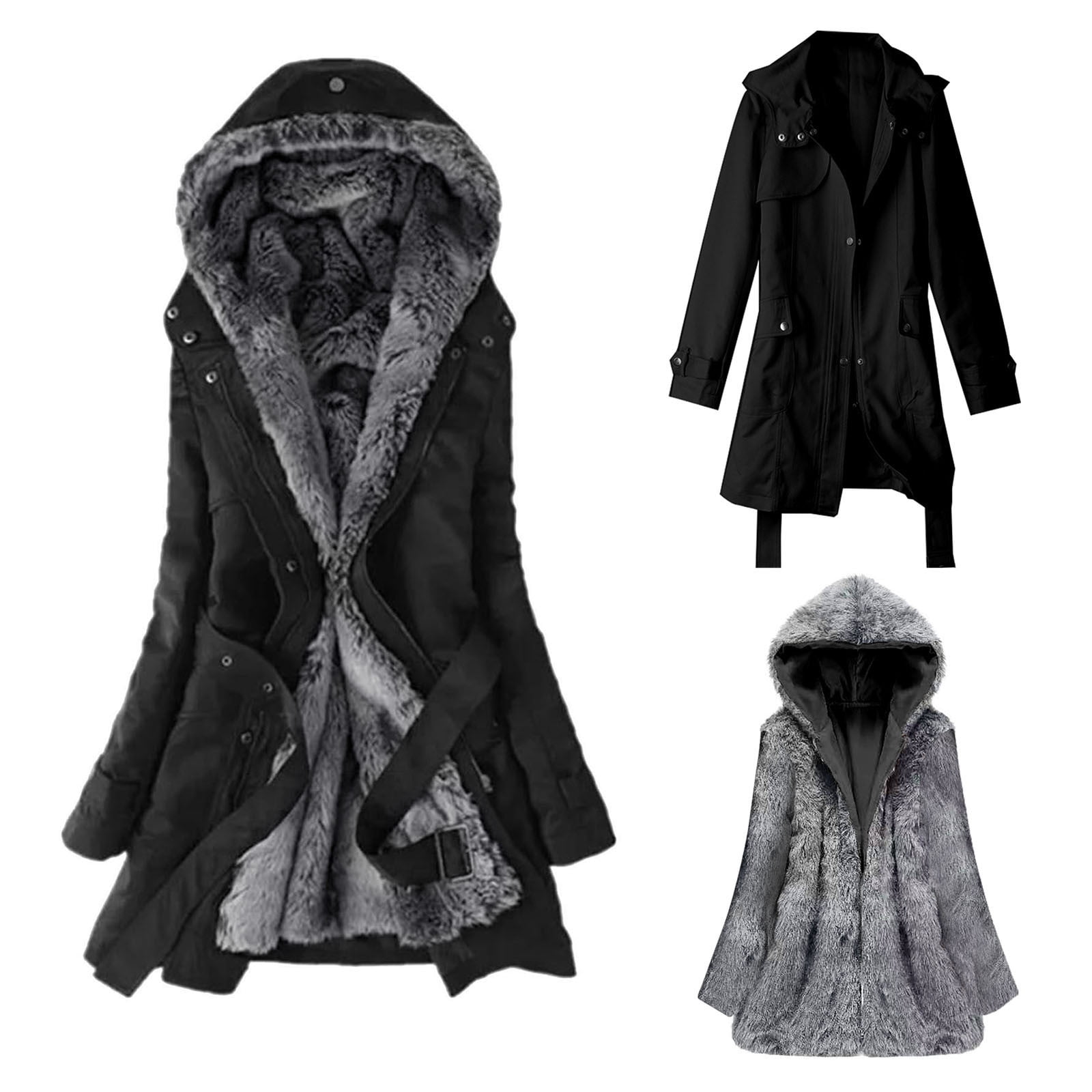
Deciding whether premium winter jackets are worth the investment depends heavily on your local climate, frequency of outdoor exposure, and preferred materials, as high-end coats often deliver superior thermal efficiency, weatherproofing, and durability that justify their costs for individuals facing severe conditions.
Winter weather can transform a simple morning commute into a battle against biting winds, freezing precipitation, and sub-zero temperatures. For many shoppers, staring at a price tag exceeding several hundred dollars for a single piece of outerwear prompts an immediate hesitation. Are warm jackets for the winter actually worth the price, or are consumers simply paying for luxury brand names, clever marketing, and trendy aesthetics? To answer this question, buyers must look past the initial sticker shock and evaluate the intricate engineering, material science, construction quality, and long-term utility that separate a mediocre coat from a high-performance cold-weather garment.
Understanding the Economics of Winter Outerwear
When evaluating winter apparel, price variations are driven by a combination of material quality, ethical sourcing certifications, hardware durability, and brand positioning. Entry-level winter coats often rely on synthetic insulation and basic chemical coatings for water resistance, retailing anywhere from fifty to one hundred and fifty dollars. Mid-range options introduce higher-grade synthetic fills or lower-tier down, improved windproofing membranes, and sturdier zippers. Premium and luxury tier jackets, which can range from three hundred to over one thousand five hundred dollars, typically utilize certified goose down, specialized waterproof-breathable membranes like Gore-Tex, heavy-duty YKK hardware, and robust outer shell fabrics designed to withstand decades of heavy use.
The core argument for purchasing an expensive winter jacket lies in cost-per-wear and longevity. A cheap synthetic coat may lose its loft, develop zipper failures, or lose its water-repellent coating within two seasons, requiring a replacement purchase. Conversely, a meticulously constructed jacket built with premium insulation and rugged face fabrics can easily endure a decade or more of harsh winters. When a five-hundred-dollar jacket lasts ten years, the annual cost is fifty dollars—often less than the cumulative cost of replacing inferior coats every few years. However, this economic justification only holds true if the buyer actually requires high-level thermal protection. Someone living in a mild, rainy maritime climate will derive little functional value from an alpine-grade parka designed for Arctic expeditions.
Insulation Science: Down Versus Synthetic Fills
The primary driver of warmth in any winter jacket is its insulation. Understanding how insulation functions helps clarify why certain jackets command premium prices. Insulation works by trapping stagnant air pockets within its fibers or clusters, which prevents body heat from escaping and blocks cold air from penetrating the garment.
Natural Down Insulation
Derived from the under-plumage of ducks or geese, down is widely regarded as the gold standard for warmth-to-weight ratio and compressibility. High-end jackets boast a high "fill power"—a measurement of the fluffiness and insulating efficiency of the down. Fill power ratings typically range from 550 to 900 and above. Higher fill power means the down traps more air relative to its weight, resulting in a lighter jacket that provides exceptional warmth.
Premium down jackets also command higher prices due to ethical sourcing standards, such as the Responsible Down Standard (RDS), which ensures birds are not subjected to live-plucking or force-feeding. Furthermore, high-end down is often treated with a durable water-repellent (DWR) finish to prevent it from clumping when exposed to moisture, addressing down's historic weakness in wet conditions.
Synthetic Insulation
Synthetic insulation, composed of fine polyester fibers, mimics the structure of down. Proprietary synthetics like PrimaLoft or Thinsulate are engineered to retain warmth even when wet, making them ideal for damp winter climates. While traditional synthetics were bulkier and less compressible than down, modern high-end synthetic fills offer remarkable thermal performance.
Synthetics are generally less expensive than natural down, which lowers the overall price of the jacket. However, premium synthetic jackets still carry higher price tags when paired with advanced outer shell materials and ergonomic tailoring. Over time, synthetic fibers can break down and lose their loft faster than high-grade down, meaning budget synthetic coats may require replacement sooner.
Shell Fabrics, Weatherproofing, and Construction
Warmth alone does not make a winter jacket valuable; the outer shell must protect the insulation from environmental elements. Wind is a primary culprit in lowering perceived temperatures through wind chill. A dense, tightly woven face fabric or a windproof membrane blocks air movement, drastically improving the jacket's thermal efficacy.
Water resistance and waterproofing are equally critical. A jacket that absorbs melting snow or freezing rain will quickly lose its insulating properties. Premium jackets utilize multi-layer laminated membranes, such as proprietary waterproof shells or industry standards like Gore-Tex, which allow interior perspiration vapor to escape while completely blocking external water droplets. Seam-taping—the process of sealing needle holes with waterproof tape—further prevents moisture infiltration.
Construction quality is another hidden factor in jacket pricing. High-end manufacturers employ reinforced stitching at high-stress points, such as shoulders and pockets, and utilize heavy-duty, snag-free zippers. Features like internal powder skirts, adjustable hood cinches, fleece-lined pocket interiors, and storm flaps over main zippers require precise manufacturing labor and superior components, all of which contribute to the final retail price.
Comparing Winter Jacket Categories
To determine whether a warm jacket is worth the price, it helps to compare the primary categories available on the market based on construction, performance, and ideal use cases.
| Jacket Category | Typical Price Range | Primary Insulation | Best Use Case | Longevity & Value |
|---|---|---|---|---|
| Budget Synthetic | $60 – $150 | Basic polyester staple fiber | Mild winter climates, short commutes | Low to moderate; 1–3 seasons before degrading. |
| Mid-Range Parka | $150 – $350 | Mid-tier down or advanced synthetic | Cold urban winters, daily transit | Moderate; 3–6 seasons with proper care. |
| Technical Alpine | $350 – $700 | 700+ fill power down or premium synthetic | Mountaineering, extreme cold, heavy snow | High; 6–10+ seasons of rugged use. |
| Luxury City Coat | $700 – $1,500+ | High fill power down, specialized wool/blend | Urban styling, extreme cold, status | High material quality; longevity tied to fashion trends. |
Assessing Personal Needs and Environmental Factors
Before investing in a high-priced winter jacket, consumers must conduct an honest assessment of their lifestyle and regional climate. The value proposition shifts dramatically depending on several environmental and behavioral variables.
- Climate Severity: If winter temperatures regularly drop below freezing and heavy snowfall is common, investing in a high-performance jacket is a practical necessity rather than an indulgence. For mild winters where temperatures rarely breach the freezing mark, a heavy alpine parka is unnecessary overkill.
- Duration of Outdoor Exposure: Individuals who spend hours walking dogs, waiting for public transportation, or working outdoors require robust windproofing and insulation. Those who transition immediately from a heated garage to a heated office building or vehicle spend minimal time exposed to the elements, reducing the functional need for expensive thermal gear.
- Activity Level: High-output activities like winter hiking or cross-country skiing generate internal body heat, requiring breathable jackets with ventilation zips rather than heavily insulated static parkas. Conversely, low-output activities like standing at a bus stop require maximum static insulation.
Common Mistakes When Buying Winter Outerwear
Shoppers often make costly errors when navigating the winter coat market, leading to buyer's remorse or inadequate cold protection. Recognizing these pitfalls helps ensure a smart purchasing decision.
- Prioritizing Brand Prestige Over Technical Specs: Paying an exorbitant markup purely for a designer logo often results in inferior insulation and fabric performance compared to specialized outdoor technical brands at the same price point.
- Ignoring Fit and Layering Room: Buying a jacket too tightly restricts air circulation and prevents layering. A proper winter jacket should accommodate a base layer and a mid-layer fleece without compressing the insulation.
- Neglecting Care Instructions: Assuming an expensive jacket is indestructible leads to improper washing and drying, which can ruin down clusters or degrade waterproof membranes prematurely. Always follow manufacturer maintenance guidelines.
- Overlooking Crucial Details: Failing to check for storm flaps, deep pockets, adjustable cuffs, and a secure hood can render an otherwise warm jacket frustrating to use in active winter storms.
Maintenance and Care to Protect Your Investment
Purchasing an expensive winter jacket is only half the battle; proper maintenance is essential to ensure the garment lasts for years and retains its thermal performance. Unlike standard cotton apparel, winter jackets require specialized care, particularly when dealing with down insulation and technical waterproof membranes.
Washing a down jacket requires a front-loading washing machine and a specialized down-safe detergent that strips away body oils without damaging the natural oils on the feathers. Traditional laundry detergents can strip these oils, leaving the down brittle and clumped. Drying down jackets requires low heat with several clean tennis balls or specialized dryer balls tossed into the drum to help break up clumps and restore the garment's original loft.
For synthetic and waterproof-breathable shells, periodic cleaning and re-application of DWR treatments maintain the fabric's ability to shed water. Ignoring stains and accumulated dirt can cause technical fabrics to wet out prematurely, allowing moisture to saturate the outer shell and chill the wearer. By dedicating a small amount of time to seasonal cleaning and proper off-season storage—hanging the jacket in a cool, dry place rather than compressing it tightly in a plastic bin—owners can dramatically extend the lifespan of their investment.
Frequently Asked Questions
Are expensive winter jackets actually warmer than cheap ones?
Not automatically, but they generally offer a superior warmth-to-weight ratio, better windproofing, and more durable materials. A high-priced jacket uses high fill-power down or advanced technical synthetic insulation trapped within wind-blocking, weather-resistant shells. While a heavy, inexpensive synthetic coat can provide adequate warmth in dry conditions, it will often be bulkier, heavier, and prone to losing its insulating properties much faster than a premium alternative.
How many years should a quality winter jacket last?
A well-maintained winter jacket purchased from a reputable outdoor or technical brand should easily last between five and ten years, and often longer. Longevity depends heavily on frequency of use, exposure to harsh environmental conditions, and adherence to proper washing and storage guidelines. Premium hardware like YKK zippers and reinforced seams also prevent premature structural failure.
Is down insulation better than synthetic insulation?
Down offers a superior warmth-to-weight ratio, compresses smaller, and lasts longer if properly maintained, making it ideal for dry, freezing climates. Synthetic insulation is heavier and less compressible, but it retains its ability to insulate even when wet and is typically more affordable. The best choice depends on your local winter climate and whether you encounter frequent freezing rain or wet snow.
Why do some winter jackets cost over one thousand dollars?
Jackets in this ultra-premium tier often incorporate luxury fashion branding, specialized ethically sourced down with extreme fill power, exclusive weatherproofing collaborations, and meticulous tailoring. While some of the cost is attributable to brand prestige, a significant portion reflects high labor costs, premium raw materials, and limited-production manufacturing.
Can I machine wash a high-end winter jacket?
Yes, most winter jackets can be machine washed, but you must follow the care label instructions precisely. Down jackets require front-loading washers without agitators, specialized down cleaners, and thorough drying cycles with dryer balls to restore loft. Waterproof shells often require specific technical washes and low-heat tumble drying to reactivate their water-repellent treatments.
Conclusion and Next Actions
Ultimately, warm winter jackets are well worth the price for individuals who regularly face harsh, cold, and wet conditions, provided the investment is directed toward material quality and functional performance rather than brand prestige alone. To make the best choice, assess your local climate, evaluate your daily outdoor exposure, and prioritize jackets with verified insulation ratings and durable shell construction. Before making a purchase, inspect the warranty policies of the manufacturer, check care requirements, and ensure the fit accommodates proper layering for maximum cold-weather comfort.