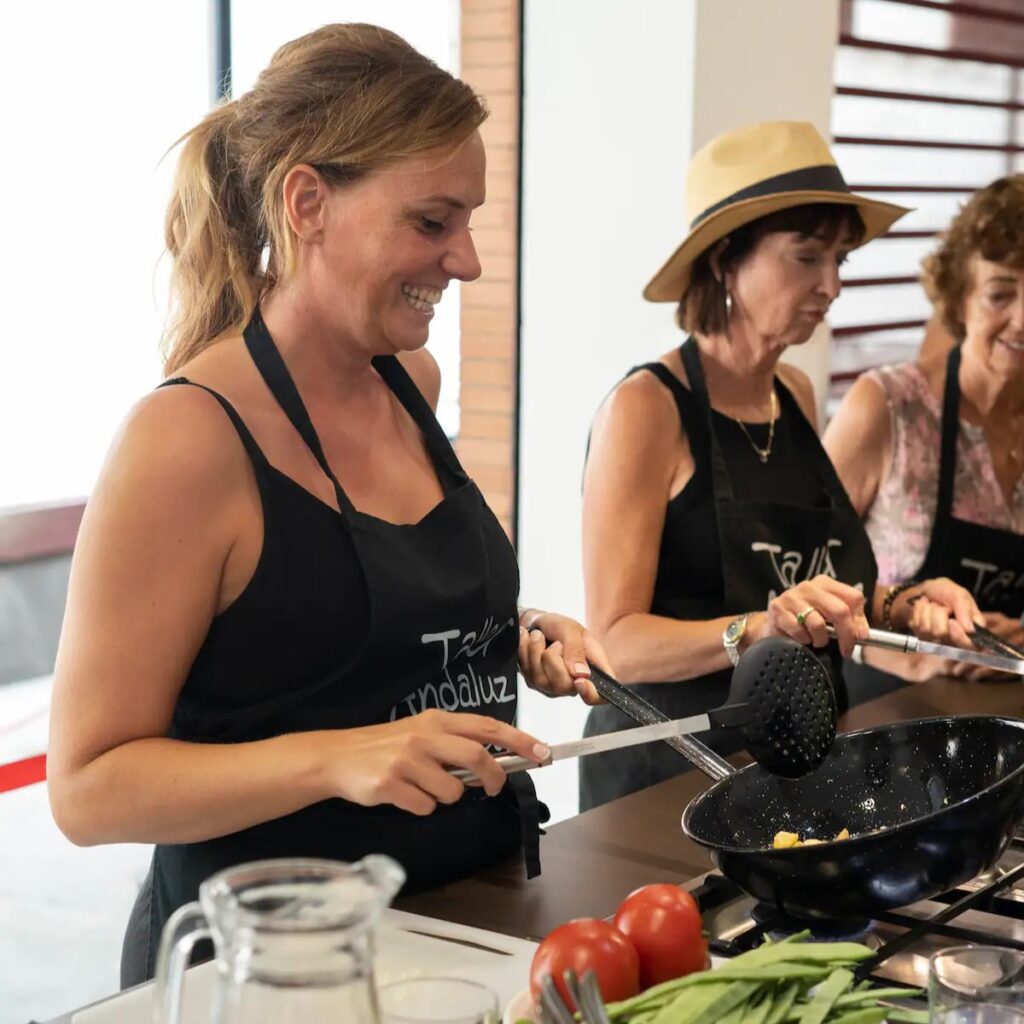
Taking a Spanish cooking class in Madrid reveals that authentic Iberian cuisine is built on a foundation of "patience over pace," prioritizing the slow-cooked sofrito base, the precise selection of monovarietal olive oils, and rigorous rice hydration techniques. By mastering these foundational methods, participants learn to replicate complex, regional flavors while avoiding common errors.
Madrid has long served as the culinary crossroads of Spain, a city where the seafood of Galicia, the rice of Valencia, and the stews of Castile converge. In 2026, the city’s gastronomic scene has evolved to offer more than just recipes; it offers a technical deep-dive into the chemistry and history of Spanish food. Attending a professional cooking class in the capital is no longer a mere tourist activity but a masterclass in the Mediterranean diet's core principles.
The Foundation of Flavor: The Science of the Sofrito
The most significant "secret" revealed in a Madrid kitchen is that almost every iconic Spanish dish—from paella to lentejas—begins with the sofrito. While many international versions of these dishes use raw vegetables or quick-sauteed aromatics, Spanish chefs emphasize a process of long, slow caramelization.
The Reduction Process
A proper sofrito is not a garnish; it is a concentrate. Instructors demonstrate how to finely dice onions, peppers, and garlic (the browning vegetables) and cook them in an abundance of Extra Virgin Olive Oil (EVOO) for forty-five minutes to an hour. The goal is to remove almost all water content, leaving behind a jam-like consistency where the sugars have undergone the Maillard reaction. This provides the deep, umami-rich "bottom" of the dish.
The Acidic Balance
The introduction of tomatoes is another critical step. Chefs reveal that using fresh, grated tomatoes is superior to canned versions because of the control over acidity. In a 2026 Madrid classroom, you will likely learn to balance this acidity not with sugar, but by further reducing the tomato until it turns a dark, brick-red color. This ensures the final dish has a complex sweetness that cannot be replicated by high-heat cooking.
Rice Mastery: Beyond the Surface of Paella
While paella is the most famous Spanish export, Madrid cooking classes often focus on the broader category of arroces (rice dishes). The secret to a successful Spanish rice dish is understanding the relationship between the grain and the caldo (broth).
Grain Selection and Starch Management
A common mistake among home cooks is using long-grain or risotto rice. Technical classes emphasize the use of Arroz Bomba or Calasparra. These are short-grain varieties with a unique cellular structure that allows them to absorb up to three times their volume in liquid without breaking down or becoming creamy like Italian Arborio. In Madrid, you learn that Spanish rice should be suelto (individual grains) rather than sticky.
The Art of the Socarrat
The socarrat—the caramelized, slightly crunchy layer of rice at the bottom of the pan—is often considered the "soul" of the dish. Achieving this without burning the rice requires precise heat management. Chefs teach students to listen to the pan; as the liquid evaporates, the sound changes from a bubble to a rhythmic crackle. This indicates that the fat is beginning to fry the bottom layer of rice. Revealing this "audio cue" is one of the most practical secrets shared in high-end classes.
The Liquid Gold: Decoding Olive Oil Varietals
In Spain, olive oil is treated with the same reverence as wine. A professional cooking class in Madrid will often include an oil tasting to explain which varietal belongs in which dish.
- Picual: High in polyphenols with a peppery finish. This is revealed as the secret for high-heat cooking and frying because of its high smoke point and stability.
- Arbequina: Known for its buttery, apple-like notes. Instructors recommend this for cold emulsions like alioli or for finishing a salmorejo to avoid an overpowering bitterness.
- Hojiblanca: A versatile middle ground used for baking or sautéing vegetables where a balanced herbal note is desired.
Students learn that the "culinary secret" isn't just using olive oil, but matching the chemical profile of the oil to the cooking temperature and flavor profile of the ingredients.
Technical Execution of the Tortilla Española
The Spanish Omelet, or Tortilla de Patatas, appears simple but is technically demanding. Classes in Madrid often address the "Great Onion Debate" (with or without), but the real secret revealed is the temperature of the oil.
Confit vs. Frying
To achieve the velvety texture found in Madrid’s best tabernas, the potatoes and onions must be confited, not fried. This means submerged in olive oil at a temperature between 130°C and 150°C. The potato should become tender and saturated with oil, almost like a preserve, rather than developing a crispy golden exterior.
The Resting Period
Perhaps the most overlooked secret is the "mix and rest" phase. Once the potatoes are cooked and drained, they are mixed with beaten eggs and allowed to sit for at least ten minutes. This allows the starches from the potato to thicken the egg mixture, ensuring a structural integrity that prevents the tortilla from falling apart when flipped, even if the center remains jugoso (juicy).
Essential Tools and Ingredient Sourcing in 2026
Modern Madrid cooking classes also bridge the gap between tradition and 2026 availability. They provide guidance on sourcing the "protected" ingredients that define the flavor profile.
- Pimentón de la Vera: This smoked paprika is a non-negotiable ingredient. Instructors explain the difference between dulce (sweet), agridulce (bittersweet), and picante (spicy), and warn never to burn it, as it turns bitter instantly.
- Azafrán (Saffron): Students are taught how to toast saffron threads and grind them in a mortero (mortar and pestle) to release the full aromatic potential, rather than throwing threads directly into the liquid.
Comparison of Cooking Class Formats in Madrid
| Class Type | Focus Area | Technical Depth | Ideal For |
|---|---|---|---|
| Market-to-Table | Sourcing & Seasonality | Medium | Foodies who want to understand local commerce. |
| Paella Masterclass | Rice Chemistry & Broths | High | Those looking to master a specific, complex technique. |
| Tapas & Pinchos | Small Plates & Presentation | Low-Medium | Social groups and those wanting a variety of recipes. |
| Professional Intensive | Knife Skills & Mother Sauces | Very High | Serious home cooks or aspiring professionals. |
The Role of the "Majado"
One of the oldest "secrets" in the Spanish kitchen is the majado. This is a paste made in a mortar and pestle, usually consisting of fried bread, garlic, saffron, and nuts (like almonds or hazelnuts). This mixture is added toward the end of stews and sauces.
The majado serves two purposes: it acts as a natural thickener (replacing the need for flour or cornstarch) and it provides a final "punch" of fresh aromatics. Learning the timing of the majado is what separates a generic stew from an authentic Spanish guiso.
Sourcing Locations: The Mercados of Madrid
To cook like a Madrileño, one must shop like one. Classes often take place near or involve a tour of the city’s historic markets.
- Mercado de Antón Martín: Favored for its balance of traditional stalls and modern organic produce. This is where chefs source specialty cheeses and embutidos (cured meats).
- Mercado de Maravillas: The largest municipal market in Europe. It is the secret location for finding rare ingredients from both Spain and its former colonies, reflecting the "Ibero-American" culinary fusion prevalent in 2026.
- Mercado de la Cebada: Located in La Latina, this market is essential for understanding the seasonal seafood cycles that dictate Madrid’s menus.
Practical Logistics for 2026 Participants
As of 2026, most reputable cooking schools in Madrid (such as Cooking Point, Soy Chef, or A Punto) require bookings at least two to four weeks in advance due to high demand.
- Cost: Expect to pay between €85 and €155 per person for a comprehensive 4-hour session. This generally includes all ingredients, wine pairings, and a digital recipe book.
- Language: While many classes are offered in English, "secrets" are often best gleaned in bilingual environments where the nuances of Spanish culinary terminology are preserved.
- Dietary Restrictions: In 2026, Madrid’s culinary schools are highly adept at modifying recipes for gluten-free (using chickpea flour/socarrat techniques) and vegan diets, though the traditional focus remains on meat and seafood.
Common Mistakes When Replicating Secrets at Home
Instructors often conclude by highlighting the pitfalls students face when they leave the controlled environment of the classroom:
- Using the Wrong Pan: Attempting to make paella in a deep saucepan. The shallow, wide nature of the paella (the pan itself) is essential for even evaporation and rice texture.
- Rushing the Onion: Most home cooks stop sautéing onions when they turn translucent. A Spanish chef will tell you they are only 10% done at that stage.
- Low-Quality Stock: Using water or bouillon cubes. The secret to Madrid’s flavors is the fondo—a stock made from roasted bones or shells simmered for hours.
- Over-stirring Rice: Once the rice is leveled in the pan, it should never be stirred again. Stirring releases starch and creates a mushy texture.
FAQ
Do I need prior experience to join a Spanish cooking class in Madrid?
No, most classes are designed for all skill levels. However, the "secrets" revealed range from basic kitchen safety to advanced chemical reactions. Instructors typically tailor their technical explanations to the group's proficiency.
Is the food in these classes too salty or spicy?
Authentic Spanish cuisine is rarely "spicy" in the way Mexican or Indian food is. It relies on Pimentón and garlic for depth. Regarding salt, classes emphasize "salting in layers"—adding small amounts at each stage of the sofrito and broth development to build a rounded profile rather than a sharp saltiness.
Can I learn to carve Jamón Iberico in a cooking class?
While some general classes include a demonstration, Jamón carving (el corte) is a specialized skill. If your primary goal is to learn the "secrets" of the ham, look for a dedicated Cortador de Jamón workshop rather than a general cooking class.
How has Spanish cooking changed by 2026?
By 2026, there is a much heavier emphasis on "Zero-Mile" sourcing and the revival of heirloom vegetable varieties from the Madrid region (Comunidad de Madrid). Classes now frequently incorporate "modern-traditional" techniques, such as using vacuum sealing for marinating or precise temperature probes for meat, alongside ancient mortar-and-pestle methods.
Are these classes suitable for solo travelers?
Yes, cooking classes are one of the most popular activities for solo travelers in Madrid. The communal nature of the kitchen and the shared meal at the end provide a natural social environment.
Final Recommendation
To truly capture the "secrets" of Spanish cuisine, choose a class that includes a market visit. Understanding how to identify the freshest bacalao (cod) or the correct ripeness of a Piquillo pepper is just as important as the cooking itself. After the class, visit a local ferretería (hardware store) to purchase an authentic carbon steel paella pan and a heavy granite mortar and pestle. These tools, combined with the techniques of slow reduction and proper ingredient selection, will allow you to maintain the integrity of Spanish flavors long after you have left Madrid.