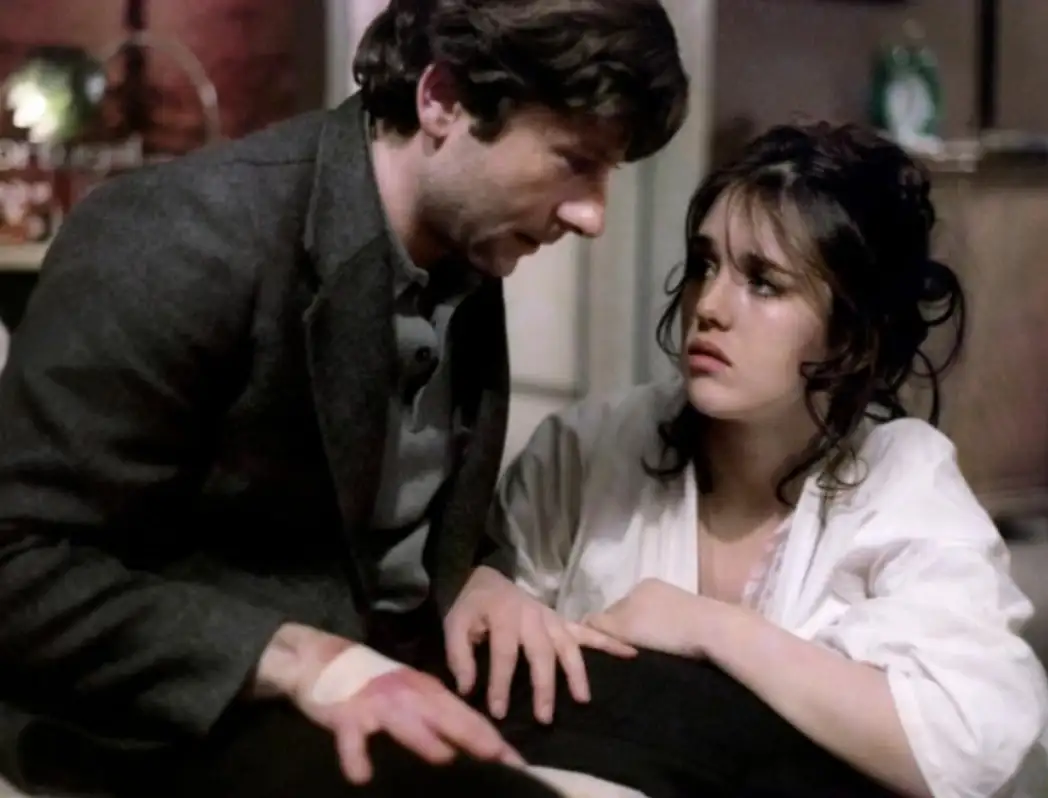
A psychological film is a genre that emphasizes character minds, prioritizing internal motivations, mental states, and emotional instability over external plot mechanics. By centering the narrative on the protagonist’s psyche, these films explore themes of memory, perception, trauma, and identity, often blurring the lines between objective reality and the character’s subjective experience.
Defining the Psychological Genre
At its core, a psychological film functions as a cinematic study of the human condition. Unlike action or traditional thriller genres, where the conflict is often derived from environmental threats or physical antagonists, the psychological genre posits that the most dangerous or complex conflicts reside within the individual. The filmmaker uses the camera not merely to document physical actions but to translate abstract mental processes—such as paranoia, repression, or cognitive dissonance—into visual and auditory experiences.
In these narratives, the protagonist often faces an "unreliable" environment. This may manifest as a literal mental health struggle, a fractured memory, or a pervasive existential dread. Because the audience is frequently tethered to the protagonist's limited or distorted perspective, they are forced to participate in the character’s confusion. This creates a high level of engagement, as the viewer must actively interpret information to distinguish between what the character believes is happening and what is actually occurring within the film’s narrative world.
The Role of Subjective Reality
One of the most defining characteristics of this genre is the distortion of space and time to reflect mental states. Cinematographers and directors frequently manipulate lighting, color grading, and framing to signify a character’s internal breakdown. For instance, the use of tight, claustrophobic close-ups can mirror a character’s rising anxiety, while disorienting editing patterns may signal a descent into dissociation or delirium.
The "unreliable narrator" is a frequent trope in this genre. By presenting the story through the eyes of a character whose perception is flawed, filmmakers prevent the audience from gaining objective truth. This lack of certainty is intentional; it is the engine that drives the film’s tension. The audience’s effort to "solve" the character’s mental puzzle becomes the primary draw of the experience, mirroring the character’s own search for internal coherence.
Structural Requirements and Narrative Techniques
To effectively prioritize the mind over the action, these films adhere to specific structural conventions that distinguish them from more mainstream dramas:
- Introspective Pacing: These films often move at a deliberate, measured pace that allows the audience to settle into the character’s perspective. This slow-burn approach is essential for establishing the baseline "reality" before deconstructing it.
- Symbolism and Motif: Objects or recurring imagery often serve as external manifestations of internal trauma. A recurring sound, a specific color palette, or an architectural element may function as a psychological anchor for the protagonist.
- Minimalist Exposition: Information is rarely delivered through clear dialogue or standard exposition. Instead, character history is often revealed through fragmented flashbacks or sensory triggers, demanding active audience participation.
- The Emotional Climax: In a standard thriller, the climax involves the defeat of a villain. In a psychological film, the climax is usually an internal resolution—the moment a character confronts their trauma, admits a truth, or loses their grasp on reality entirely.
Comparison of Genre Elements
Understanding how psychological films differ from traditional genres helps clarify why they command such a dedicated audience. The table below outlines the shift in focus when moving from conventional storytelling to the psychological approach.
| Element | Traditional Narrative | Psychological Genre |
|---|---|---|
| Primary Conflict | External (Man vs. Man/Nature) | Internal (Man vs. Self/Mind) |
| Pacing | Fast, plot-driven escalation | Slow, character-driven introspection |
| Narrator | Objective or reliable | Subjective or unreliable |
| Visual Focus | Broad action and setting | Intimate, claustrophobic detail |
| Resolution | Resolved external threat | Mental change or psychological shift |
The Evolution of Character-Mind Emphasis
The emphasis on the human mind in cinema gained significant momentum in the mid-20th century, influenced heavily by the rise of psychoanalytic theory in popular culture. As filmmakers became more interested in the subconscious, the visual language of the medium adapted. Early experiments with German Expressionism, which used distorted sets to reflect a character’s inner turmoil, laid the groundwork for the modern psychological film.
By the early 21st century, the genre evolved to encompass more complex, non-linear narratives. With the rise of digital editing and more sophisticated narrative structures, directors began to weave intricate labyrinths of memory and identity. In 2026, the genre continues to expand, often integrating elements of science fiction or horror to provide a metaphorical framework for discussing modern mental health, digital isolation, and the fragility of truth in an era of infinite information.
Common Misconceptions
A frequent mistake viewers make when approaching this genre is expecting a "traditional" resolution. Because the conflict is rooted in the psyche, the conclusion may not provide a clear answer to every question posed during the film. The ending is often open-ended or ambiguous, as it focuses on the character's status of mind rather than the resolution of a physical event.
Another point of confusion is the overlap with the "thriller" or "horror" labels. While many psychological films contain frightening moments or high-stakes scenarios, the intent is not necessarily to startle or threaten the viewer. The fear in a psychological film is an existential one, arising from the possibility that the mind—the very tool we use to interpret our existence—is failing.
Engaging with the Genre: A Viewer’s Guide
To get the most out of a psychological film, one should approach the work as an active participant rather than a passive observer.
- Note the Perspective: Identify early on whose eyes you are seeing the story through. Are they keeping secrets from you?
- Look for Inconsistencies: If a scene feels "off," pay attention to why. Does the lighting change? Does the character’s behavior contradict their previous statements?
- Trace the Imagery: If a specific object appears repeatedly, consider it a physical manifestation of a thought or memory.
- Embrace the Ambiguity: Resist the urge to demand a neatly packaged explanation. The satisfaction in this genre comes from the complexity of the internal journey, not the finality of the destination.
Frequently Asked Questions
Why is the "unreliable narrator" so common in psychological films? The unreliable narrator is a tool to align the audience with the character’s confusion. By forcing the viewer to doubt the information provided, the filmmaker replicates the character's internal state, effectively making the audience experience the narrative through a lens of instability rather than observing it from a distance.
Are psychological films the same as horror movies? They often overlap, but the distinction lies in the source of the threat. A horror movie typically features an external threat (a monster, a killer, a supernatural force). A psychological film focuses on internal threats. If the horror is merely a metaphor for the character's mental state, it belongs to the psychological genre.
How does a director translate a character's "mind" to the screen? Directors use "subjective cinematography." This involves using techniques like shallow focus (to isolate the character), Dutch angles (to show unease), and sound design (to isolate specific thoughts or ambient sounds) to make the viewer feel as though they are inside the character's headspace.
Do these films always deal with mental illness? Not necessarily. While many psychological films utilize mental health as a plot device, others explore universal aspects of the mind, such as grief, regret, obsession, or the process of remembering. The focus is on the mechanism of the mind rather than just clinical diagnosis.
Is it necessary to watch a psychological film more than once? Often, yes. Because these films frequently rely on subtle clues and non-linear revelations, a second viewing allows the viewer to see how the ending informs the beginning. Small details that seemed irrelevant on the first viewing often become central to understanding the character's true state of mind upon repeat visits.
Conclusion and Next Steps
If you are looking to explore the depth of this genre, start by selecting a film known for its rigorous approach to character interiority. Pay close attention to the visual cues provided by the director and consider how the narrative structure mirrors the protagonist's emotional state. Your next step should be to watch a critically acclaimed psychological film with a focus on "visual cues"—note down how the environment changes as the character changes, and you will begin to see the architecture of the human mind unfolding on screen.