Arkansas Rehabilitation Services (ARS) in Fayetteville provides specialized vocational rehabilitation to individuals with disabilities, helping them overcome barriers to employment through training, technology, and career placement. As of 2026, the Fayetteville field office serves as the primary resource for Northwest Arkansas residents seeking to enter or return to the workforce through personalized employment plans and employer partnerships.
The path to career independence for individuals with physical or mental impairments often requires more than a standard job search. In Fayetteville and the surrounding Washington County area, Arkansas Rehabilitation Services (ARS) acts as the state’s primary vehicle for delivering these specialized supports. Operating under the Arkansas Department of Commerce’s Office of Skills Development, ARS is tasked with ensuring that every Arkansan has the opportunity to achieve an employment outcome that matches their abilities and interests.
The Fayetteville office is not merely a government bureau; it is a specialized center where counselors work one-on-one with clients to navigate the complexities of the modern job market. Whether you are a student transitioning out of high school, a veteran adjusting to civilian life with a service-connected disability, or a professional who has experienced a mid-career injury, the resources available at the Fayetteville location are designed to bridge the gap between "disability" and "employability."
Understanding the Role of Arkansas Rehabilitation Services
The core mission of Arkansas Rehabilitation Services is to provide the tools necessary for individuals with disabilities to work and lead independent lives. This is accomplished through a process known as Vocational Rehabilitation (VR). VR is a federal-state program that dates back to the Smith-Fess Act of 1920, and in 2026, it remains the gold standard for disability-related employment support.
In Fayetteville, the ARS office addresses the unique economic landscape of Northwest Arkansas. With the region’s rapid growth in retail, logistics, and technology sectors, ARS helps align the skills of its clients with the needs of local industry giants and small businesses alike. The services are not "handouts" but "hand-ups," focusing on skill acquisition, assistive technology, and removing systemic barriers to the workplace.
The Impact of Vocational Rehabilitation in Northwest Arkansas
The Fayetteville office serves a diverse population. Given the proximity to the University of Arkansas, the office frequently handles cases involving young adults entering the workforce for the first time. Simultaneously, the region's industrial and corporate growth means that ARS often works with individuals needing retraining or workplace accommodations to remain in competitive employment.
By focusing on "Competitive Integrated Employment," ARS ensures that clients are not placed in segregated work environments. Instead, they are prepared for jobs in the community where they work alongside people without disabilities and earn the same wages and benefits.
Eligibility and the Application Process
Navigating the eligibility requirements is the first step for any resident of Fayetteville or Washington County. It is important to understand that ARS is not an entitlement program; rather, it is an eligibility-based program focused specifically on employment outcomes.
Who Qualifies for Services?
To be eligible for services through the Fayetteville ARS office in 2026, an individual must meet three primary criteria:
- Documented Impairment: The individual must have a physical or mental impairment. This can include anything from mobility issues and visual impairments to neurodivergence (such as Autism or ADHD) and mental health conditions (like PTSD or Anxiety).
- Employment Barrier: The impairment must result in a substantial impediment to employment. This means the disability makes it significantly harder for the person to get, keep, or advance in a job.
- Benefit from Services: There must be a reasonable expectation that the individual can benefit from vocational rehabilitation services in terms of an employment outcome.
The Four Stages of the ARS Process
Once an individual contacts the Fayetteville office, they move through a structured sequence designed to maximize their chances of success.
- Application and Intake: The applicant meets with a vocational rehabilitation counselor. During this initial meeting, the applicant provides medical records or signs releases so ARS can obtain them. The goal is to document the disability and its impact on work.
- Eligibility Determination: ARS is required by law to determine eligibility within 60 days of the application. In most cases in the Fayetteville office, this happens much faster if documentation is readily available.
- The Individualized Plan for Employment (IPE): This is the most critical document in the process. The client and counselor work together to choose a vocational goal (e.g., "Medical Billing Clerk" or "Software Developer") and list the specific services ARS will provide to reach that goal.
- Service Implementation: This is the phase where the work happens—whether it is attending training at a local college, receiving job coaching, or obtaining a prosthetic limb or specialized computer software.
Core Services Offered at the Fayetteville Office
The services provided by ARS are highly individualized. No two clients receive the exact same package of support, as the services are dictated by the IPE. However, several core service categories are standard in the 2026 service model.
Counseling and Guidance
This is the foundation of all ARS activities. Many individuals with disabilities are unaware of the career paths available to them or the legal protections afforded by the Americans with Disabilities Act (ADA). Counselors in Fayetteville provide professional guidance on career selection, disability adjustment, and self-advocacy.
Training and Education
If a client requires a degree, certification, or specific skill set to reach their employment goal, ARS may assist with the costs. This can include:
- Tuition assistance for local institutions like the University of Arkansas or Northwest Arkansas Community College (NWACC).
- Vocational training at specialized trade schools.
- On-the-job training (OJT) where ARS partners with a Fayetteville employer to pay a portion of the client's wages while they learn the job.
Assistive Technology (AT)
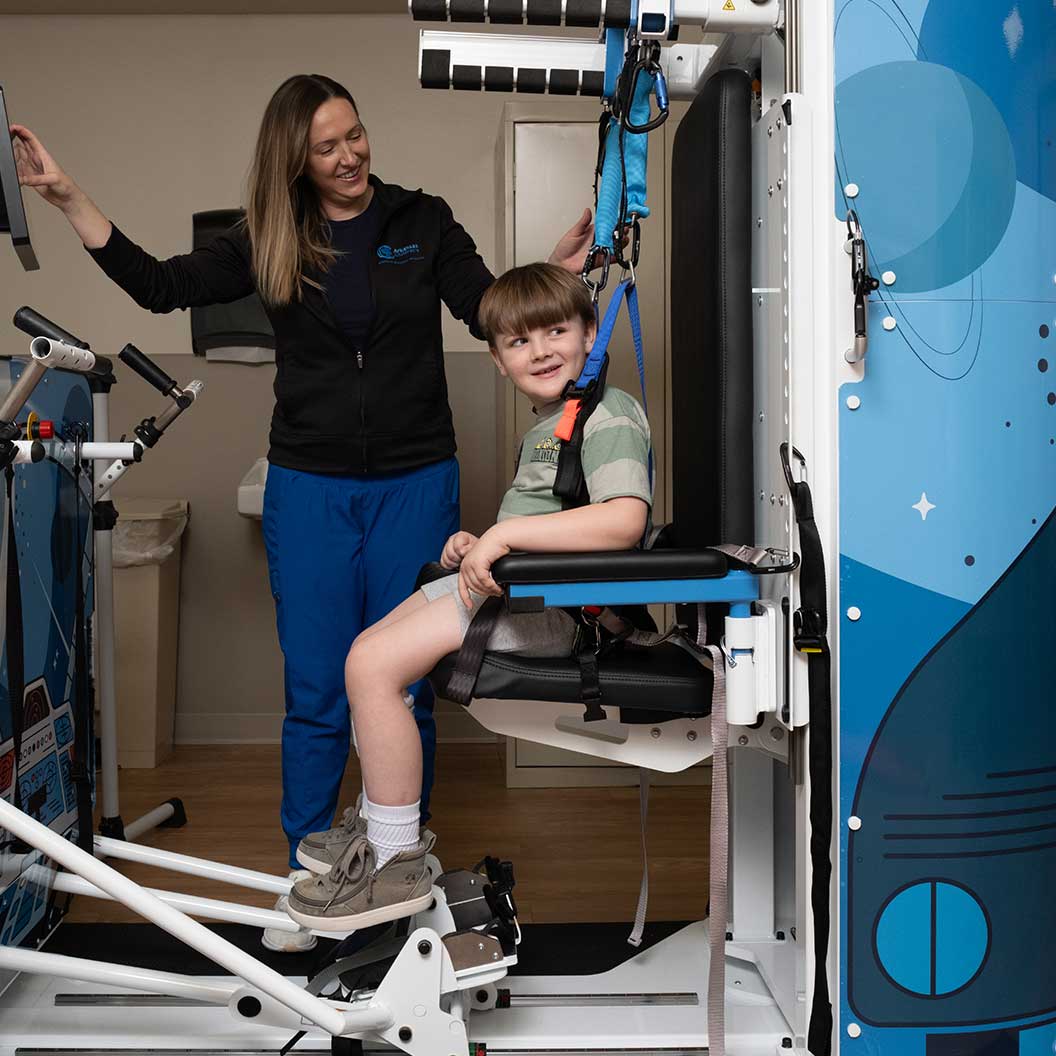
The ARS Fayetteville office leverages the Arkansas State Technology Assistance Resource (STAR) program. AT can range from high-tech solutions like screen-reading software for the blind to low-tech solutions like ergonomic chairs or specialized hand tools. If a piece of technology is required for a client to perform their job duties, ARS can often evaluate, procure, and train the client on that technology.
Transition Services for Students
A significant portion of the Fayetteville office's work involves Pre-Employment Transition Services (Pre-ETS). These services are designed for students with disabilities (ages 14–21) who are still in high school or early college. The goal is to prevent the "cliff" that many students experience after graduation. Pre-ETS includes job exploration counseling, work-based learning experiences, and instruction in self-advocacy.
Business Engagement: Helping Fayetteville Employers
Arkansas Rehabilitation Services is a dual-customer agency. While the primary customer is the individual with a disability, the second customer is the local business community. The Fayetteville office has dedicated Business Relations Representatives who work with Northwest Arkansas companies to fill their talent pipelines.
Benefits for Local Businesses
Employers who partner with ARS in 2026 find several advantages:
- Vetted Talent: ARS provides candidates who have been trained and are ready to work.
- On-Site Support: If a new hire needs extra help, ARS can provide a job coach to assist with the onboarding process at no cost to the employer.
- Tax Credits: Businesses may be eligible for the Work Opportunity Tax Credit (WOTC) when hiring individuals referred by ARS.
- Accessibility Consulting: ARS staff can provide "disability etiquette" training and help employers identify reasonable accommodations to make their workplaces more inclusive.
Service Comparison Table
The following table outlines the different service tracks commonly utilized at the Fayetteville ARS office to help prospective clients identify where they might fit.
| Service Track | Target Audience | Primary Goal | Key Components |
|---|---|---|---|
| Vocational Rehab | Adults with disabilities | Competitive Employment | Counseling, Training, Job Placement |
| Pre-ETS | Students (Ages 14-21) | Career Exploration | Internships, Self-Advocacy Training |
| Supported Employment | Individuals with significant disabilities | Long-term job stability | Permanent Job Coaching, Follow-along |
| TAP (Telecommunications) | Individuals with hearing/speech loss | Communication access | Specialized phones, Tablets, Software |
| Business Services | Local Fayetteville Employers | Workforce Diversification | Recruitment, ADA Consulting, Tax Credits |
Navigating the Fayetteville Office: Practical Details
The Fayetteville ARS field office serves as the central point for residents of Washington and Madison counties. When visiting or contacting the office in 2026, it is helpful to have specific information ready.
Location and Accessibility The office is located at 4058 N. College Ave, Suite 150, Fayetteville, AR 72703. It is situated along one of the city's main commercial arteries, making it accessible via Ozark Regional Transit. The facility is fully ADA-compliant, featuring accessible parking and entrance points.
Contact Information
- Phone: (479) 582-1286
- Hours of Operation: Monday through Friday, 8:00 AM to 4:30 PM.
- Website: Official information can be found via the Arkansas Department of Commerce website under the Arkansas Rehabilitation Services section.
Preparing for Your First Appointment
To expedite the process at the Fayetteville office, applicants should bring the following items to their intake interview:
- A valid photo ID and Social Security card.
- Names and contact information for doctors or therapists who have treated the disability.
- A list of previous medications or treatments relevant to the employment barrier.
- A copy of an Individualized Education Program (IEP) or 504 plan if the applicant is a student.
- A basic work history or resume, even if it is outdated.
Frequently Asked Questions
Does Arkansas Rehabilitation Services charge for its help?
Most diagnostic and counseling services are provided free of charge to eligible individuals. However, for certain services like tuition assistance or expensive equipment, ARS may conduct a "Financial Needs Assessment." Depending on the client's income level, they may be asked to contribute toward the cost of those specific services.
How long does the process take from application to employment?
There is no fixed timeline because the "rehabilitation" needed varies. A client who only needs job placement assistance might be employed within three months. A client who requires a four-year degree as part of their IPE will be in the system for several years. The Fayetteville office prioritizes moving clients through the system as efficiently as possible while ensuring the employment outcome is sustainable.
Can ARS help me if I am already employed?
Yes. This is known as "Job Retention" or "Self-Correction" services. If a disability is beginning to interfere with your ability to perform your current job, ARS can work with you and your employer to provide accommodations or assistive technology that allows you to keep your position.
What happens if my case is closed?
Cases are generally closed after a client has been successfully employed for at least 90 days. However, ARS offers "Post-Employment Services" if minor issues arise later that threaten the job. If a major change occurs or a new disability arises, an individual can always re-apply for a new period of service.
Does ARS help with transportation to work?
ARS can sometimes assist with temporary transportation costs (like bus passes) while a client is in training or during the first few weeks of a new job. However, the agency does not typically provide long-term transportation or purchase vehicles for clients. The goal is to help the client reach a point where they can manage their own transportation needs.
Is my information confidential?
Yes. ARS is bound by strict federal and state confidentiality laws. Information regarding your disability or the services you receive cannot be released to employers or other agencies without your written consent, except in very specific legal circumstances.
Practical Recommendations for Next Actions
If you or someone you know in the Fayetteville area is struggling to find or maintain employment due to a disability, the first step is to initiate a "Referral." You do not need a doctor’s note or a formal letter to start; you simply need to contact the office.
- Call for an Orientation: Contact the Fayetteville office at (479) 582-1286 and ask when the next orientation or intake session is scheduled.
- Gather Records: Start collecting medical records or school documents that prove your diagnosis. Having these in hand during your first meeting can save weeks of waiting.
- Define Your Goal: Think about what kind of work you want to do. ARS is most effective when the client has a clear interest or passion they want to pursue.
- Stay Engaged: The VR process requires active participation. Check in with your counselor regularly and follow through on the tasks outlined in your IPE.
By utilizing the specialized expertise of Arkansas Rehabilitation Services in Fayetteville, residents with disabilities can transform their challenges into competitive advantages, contributing to the vibrant economic life of Northwest Arkansas in 2026 and beyond.