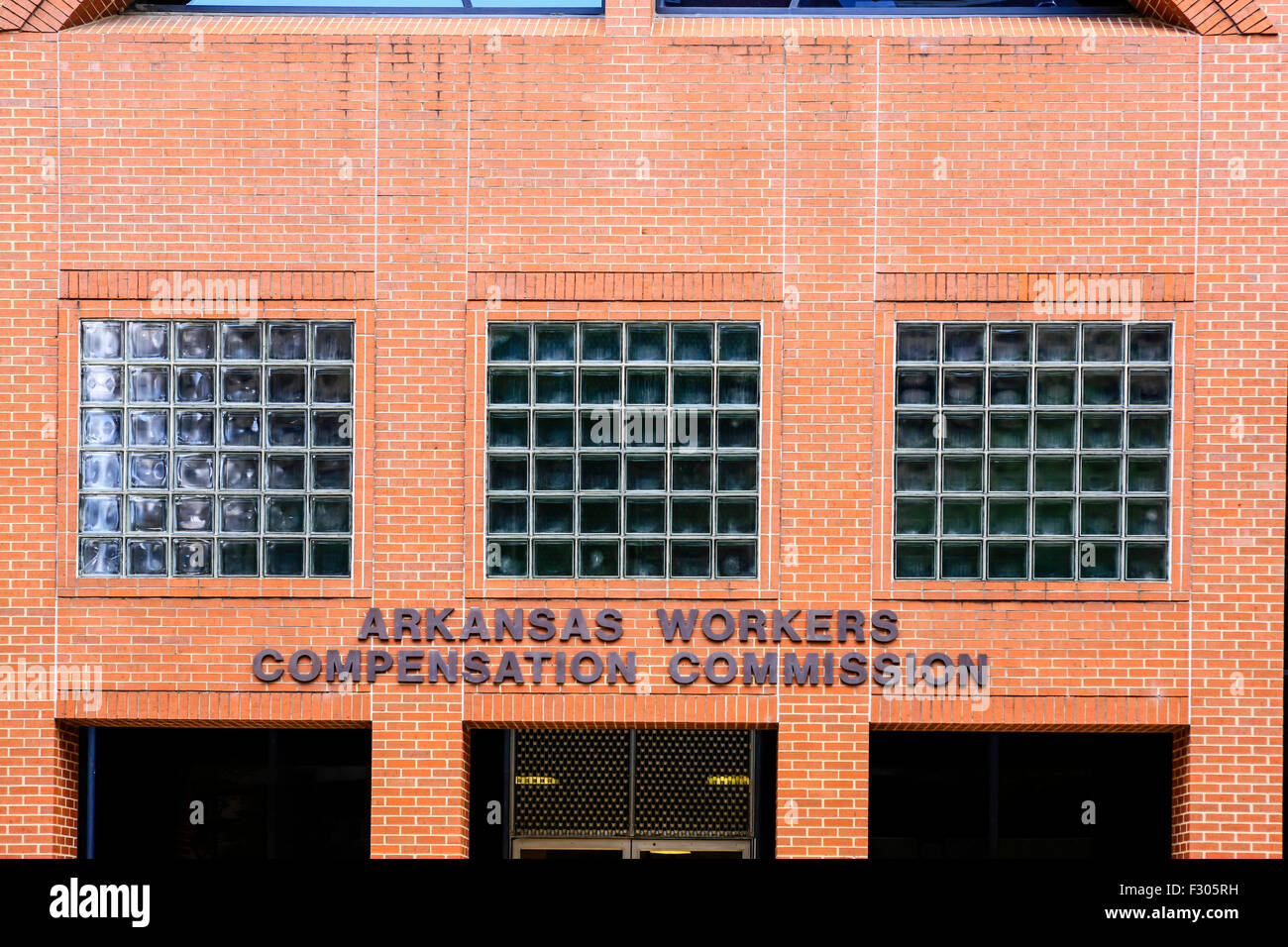
The Arkansas Workers' Compensation Commission (AWCC) is the state agency responsible for administering and enforcing workers' compensation laws in Arkansas. It provides a quasi-judicial system to resolve disputes between injured workers and employers, ensures compliance with insurance requirements, and oversees the delivery of medical and disability benefits to those injured on the job.
As of 2026, the Arkansas Workers' Compensation Commission remains the primary authority for navigating the complexities of workplace injuries. Whether you are an employee seeking benefits, an employer trying to stay compliant, or a legal professional managing a case, understanding the structure and procedures of the AWCC is essential for a successful resolution. This guide provides a detailed breakdown of the Commission's functions, the claims process, and the legal requirements for all parties involved.
The Role and Structure of the AWCC
The AWCC is not an insurance company; it is a regulatory and adjudicatory body. Its mission is to ensure that the provisions of the Arkansas Workers' Compensation Act are carried out fairly and efficiently. The Commission is designed to provide a "no-fault" system where employees receive benefits regardless of who was at fault for the injury, in exchange for giving up the right to sue their employer in civil court.
The Three-Member Commission
The agency is headed by three commissioners appointed by the Governor of Arkansas for six-year terms. To ensure a balanced perspective, the structure is specifically defined by statute:
- The Chairman: A neutral representative of the public.
- The Employers' Commissioner: A representative of Arkansas business interests.
- The Employees' Commissioner: A representative of the Arkansas labor force.
These three individuals serve as the final administrative appellate level within the agency. If a party is dissatisfied with an initial ruling from an Administrative Law Judge (ALJ), they can appeal to the Full Commission.
Administrative Law Judges (ALJs)
While the Commissioners handle high-level appeals, the "front line" of the AWCC consists of Administrative Law Judges. These judges conduct formal hearings, take testimony, review medical evidence, and issue written opinions. They operate across various districts in Arkansas, ensuring that hearings are accessible to residents in Little Rock, Fort Smith, Jonesboro, and other regions.
Coverage Requirements for Arkansas Employers in 2026
In Arkansas, workers' compensation coverage is not optional for most businesses. The law is designed to cast a wide net to protect the state's workforce.
The Numerical Threshold
Generally, any employer who has three or more employees is required by law to carry workers' compensation insurance. It is important to note that "employees" include full-time, part-time, and seasonal workers. However, there are significant exceptions to this three-person rule:
- Construction Industry: Due to the high risk of injury, any employer in the construction industry with one or more employees must provide coverage.
- Public Entities: State, county, and municipal agencies are typically required to provide coverage regardless of the number of employees.
- Hazardous Occupations: Certain specific hazardous industries may be required to carry insurance even if they fall below the three-employee threshold.
Exemptions and Exclusions
Certain classes of workers are exempt from mandatory coverage under the Arkansas Workers' Compensation Act. These typically include:
- Domestic servants (private home employees).
- Agricultural farm labor.
- Real estate agents (under specific independent contractor conditions).
- Inmates of state or federal institutions.
- Casual employees whose work is not in the usual course of the employer's business.
Employers who fail to provide required coverage face severe penalties from the AWCC Operations/Compliance Division, including fines and potential "stop-work" orders.
The Workers' Compensation Claims Process
Navigating a claim through the AWCC involves a series of strict deadlines and specific documentation. Failure to follow these steps can lead to a denial of benefits.
Step 1: Immediate Notification
The moment an injury occurs, the employee must notify the employer. Under Arkansas law, an employee should provide notice immediately, but certainly within the timeframe required to prevent prejudice to the employer’s defense. The employer is then required to provide the worker with Form AR-N (Notice of Injury).
Step 2: Filing Form AR-C
Reporting the injury to the boss is not the same as filing a claim with the AWCC. To officially protect your rights, an injured worker should file Form AR-C (Claim for Compensation). This form serves two purposes:
- It notifies the AWCC that a claim exists.
- It specifies the types of benefits being requested (e.g., medical, temporary total disability, or permanent partial disability).
Step 3: Medical Treatment and the "Form AR-P"
Arkansas law gives the employer (and their insurance carrier) the initial right to choose the treating physician. Upon injury, the employer must provide the worker with Form AR-P, which explains the rules regarding the "Change of Physician." If a worker seeks non-emergency treatment from a doctor not authorized by the insurance company without following the AWCC's change-of-physician rules, the insurance company may not be liable for those medical bills.
Types of Benefits and Compensation
The AWCC oversees several categories of benefits designed to address the financial and physical impact of a workplace injury.
Medical Benefits
Injured workers are entitled to all reasonably necessary medical treatment related to the workplace injury. This includes surgery, hospitalization, physical therapy, prescription medications, and even mileage reimbursement for travel to and from medical appointments.
Disability Benefits
Disability payments are generally calculated as a percentage (usually 66.67%) of the worker's Average Weekly Wage (AWW), subject to state maximums and minimums updated annually by the AWCC.
| Benefit Type | Description | Duration/Limit |
|---|---|---|
| Temporary Total Disability (TTD) | Paid while the worker is completely unable to work during the healing period. | Until the worker reaches Maximum Medical Improvement (MMI). |
| Temporary Partial Disability (TPD) | Paid if the worker can return to light-duty work but at a lower wage. | Until MMI or return to full wages. |
| Permanent Partial Disability (PPD) | Paid for a permanent loss of function to a body part (e.g., a "scheduled" injury like a finger or an "unscheduled" injury like the back). | Based on the AWCC "Rating" assigned by a doctor. |
| Permanent Total Disability (PTD) | Paid if the injury prevents the worker from ever returning to any gainful employment. | Potentially for life, or until retirement age eligibility. |
| Death Benefits | Paid to the dependents (spouse/children) of a worker killed in a job-related accident. | Subject to specific statutory durations and caps. |
Dispute Resolution and Adjudication
Disputes are common in workers' compensation. An insurance carrier may deny a claim, arguing that the injury did not happen at work, that it was a pre-existing condition, or that the worker was intoxicated.
The Role of Mediation
Before heading to a formal hearing, the AWCC often encourages mediation. A neutral mediator from the Commission meets with both parties to see if a settlement can be reached. Mediation is confidential and can save both sides months of litigation.
The Formal Hearing
If mediation fails, the case proceeds to a hearing before an ALJ. This is similar to a non-jury trial. Witnesses are sworn in, and evidence is presented. The ALJ will then issue a written "Opinion and Order" that establishes whether the claim is compensable and what benefits are owed.
Appeals to the Full Commission and Beyond
If either party disagrees with the ALJ's decision, they have 30 days to file an appeal to the Full Commission. The Full Commission reviews the record of the hearing and the ALJ’s findings. If a party is still dissatisfied after the Full Commission’s ruling, the next step is the Arkansas Court of Appeals.
Critical Deadlines and Statutes of Limitations
In 2026, the statute of limitations remains one of the most technical aspects of Arkansas workers' compensation law. If these dates pass, the right to benefits is lost forever.
- Reporting the Injury: Should be done immediately. Delaying more than a few days can cast doubt on the claim’s validity.
- Filing the Claim (Form AR-C): Generally, a claim must be filed within two years from the date of the injury.
- Additional Benefits: If benefits have already been paid, a claim for additional benefits must be filed within one year from the date of the last payment of compensation or two years from the date of injury, whichever is later.
- Medical Bills: Claims for medical-only benefits also fall under specific statutory timelines that require diligent monitoring of payment dates.
Common Mistakes to Avoid
The Arkansas workers' compensation system is administrative and rigid. Small errors can have large consequences.
- Failing to Report Pre-existing Conditions: Always be honest with your doctor about previous injuries. The AWCC and insurance carriers cross-reference medical records. If they find an undisclosed prior injury to the same body part, they may use it to deny the claim based on "lack of credibility."
- Ignoring the "Change of Physician" Rules: Do not simply go to your family doctor unless it is an emergency. If you want to change doctors, you must petition the AWCC or get written permission from the insurance carrier using the proper forms.
- Missing Doctor Appointments: Consistent medical evidence is the backbone of a claim. Missing appointments suggests to the ALJ that the injury is not serious or that the worker is not compliant with treatment.
- Social Security and Offset Issues: If you are receiving Social Security Disability (SSDI), your workers' comp benefits might be reduced. It is vital to coordinate these benefits to avoid overpayment penalties.
Frequently Asked Questions
Can I be fired for filing a workers' comp claim in Arkansas?
Arkansas is an "at-will" employment state, meaning an employer can generally terminate an employee for any reason or no reason. However, it is illegal for an employer to terminate or discriminate against an employee specifically for filing a workers' compensation claim. Proving "retaliatory discharge" can be difficult and usually requires a separate civil lawsuit outside the AWCC's jurisdiction.
What does "Maximum Medical Improvement" (MMI) mean?
MMI is the point at which a doctor determines that your condition has stabilized and no further significant improvement is expected with additional medical treatment. Once you reach MMI, your TTD (temporary disability) payments usually stop. At this point, the doctor will determine if you have a "Permanent Impairment Rating."
Does the AWCC provide legal advice to injured workers?
No. While the AWCC staff and the Public Employee Advisor Division can explain the law, rules, and procedures, they cannot provide legal strategy or advocate for you. Most injured workers hire a workers' compensation attorney, especially if a claim is denied. In Arkansas, attorney fees in these cases are strictly regulated by the AWCC and are usually paid as a percentage of the "controverted" (disputed) benefits won.
How do I check the status of my claim with the AWCC?
You can contact the AWCC directly at their Little Rock headquarters. They maintain a database of all filed claims. If you have an attorney, they will have access to the electronic filing system to monitor motions, orders, and hearing dates.
Are mental health injuries covered by the AWCC?
In Arkansas, a "mental-mental" injury (mental injury without a physical injury) is generally not compensable. To receive benefits for a mental injury, it must usually be caused by a physical injury that is otherwise compensable under the Act. There are very narrow exceptions for certain victims of a crime of violence.
What if my employer doesn't have insurance?
If an employer is required to have insurance but does not, the injured worker can still file a claim with the AWCC. The Commission can order the employer to pay benefits out of pocket. Furthermore, the employer may lose their "exclusive remedy" protection, meaning the employee might be able to sue them in civil court for negligence.
Summary of Next Actions
If you have been injured on the job in Arkansas, your immediate priority should be your health and the preservation of your legal rights. Follow these steps to engage with the AWCC system effectively:
- Report the injury to your supervisor immediately and request a copy of the Form AR-N.
- Seek medical attention from the provider designated by your employer, unless it is an emergency.
- File Form AR-C with the AWCC in Little Rock to officially record your claim and protect against the statute of limitations.
- Keep a detailed log of all medical appointments, mileage, and conversations with insurance adjusters.
- Consult the AWCC website (arkansas.gov) for updated benefit rates and official forms for 2026.
- Seek legal counsel if your claim is denied, if your benefits are stopped prematurely, or if you are pressured to return to work before you are physically ready.
Disclaimer: This guide is for informational purposes only and does not constitute legal or professional advice. Workers' compensation laws are subject to legislative changes and judicial interpretation. Consult with a licensed attorney for specific legal guidance regarding your case.