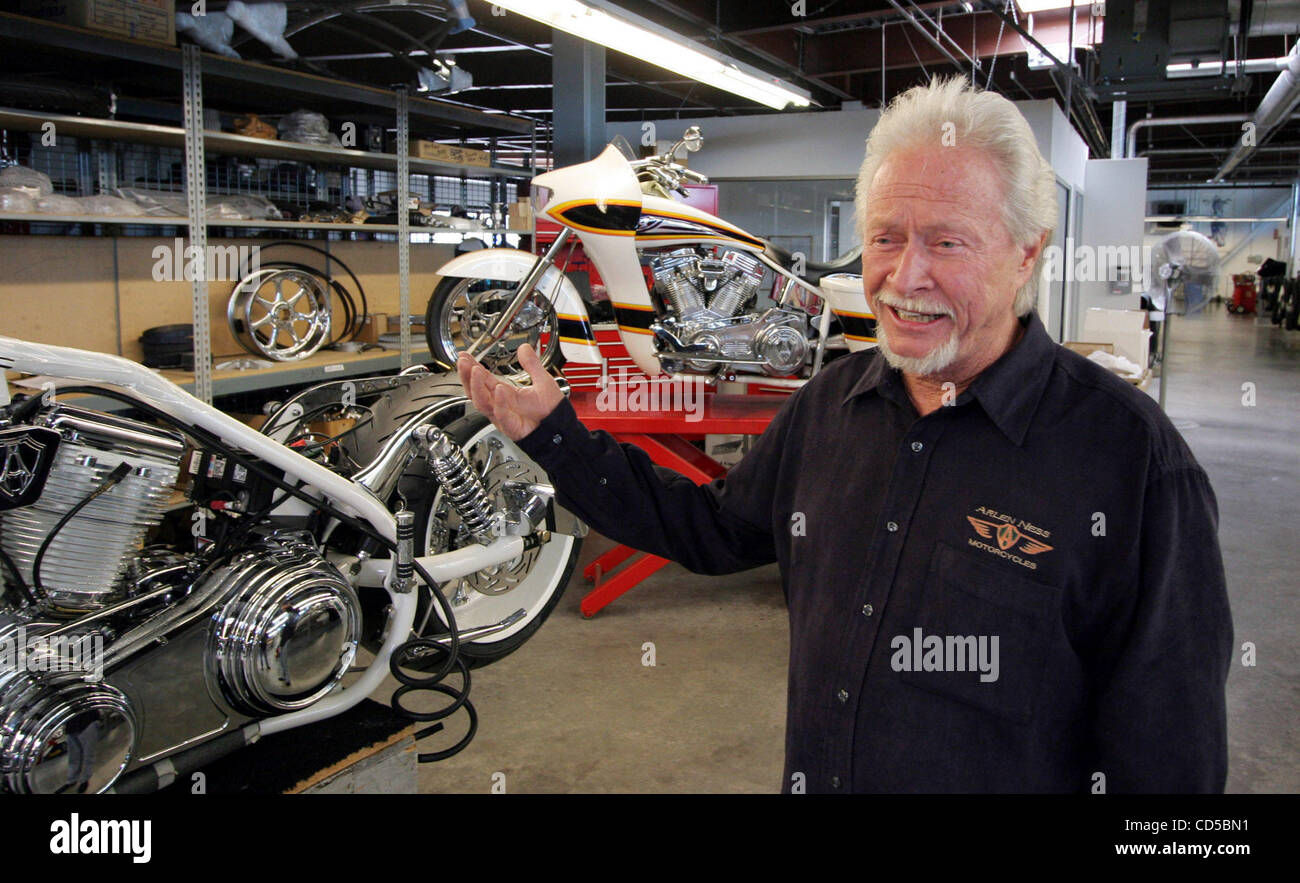
Arlen Ness is the definitive pioneer of custom motorcycle styling, credited with transforming the "chopper" from a fringe subculture into a globally recognized high-art form. His signature style, characterized by long, low-slung "Digger" frames and fluid bodywork, revolutionized the industry. Through Arlen Ness Enterprises, he influenced decades of design trends, from early billet aluminum parts to modern performance baggers.
The Early Years: From a $300 Knucklehead to an Industry Titan
Arlen Ness did not begin his career with a formal education in engineering or industrial design. His journey started in San Leandro, California, in the late 1960s. Working as a furniture mover by day, Ness spent his nights in a modest garage, fueled by a passion for two-wheeled machines and a desire to create something that didn't yet exist in the showroom of any major manufacturer.
In 1967, Ness purchased a 1947 Harley-Davidson Knucklehead for $300. This motorcycle, which he named "Untouchable," became the canvas for his first major foray into custom styling. Rather than following the "chopper" trends of the era—which often prioritized extreme fork lengths and tall sissy bars—Ness focused on a lower center of gravity and a streamlined silhouette. He stripped the bike to its essentials, applied a vivid paint job, and reshaped the metal to create a sense of motion even while the bike was stationary.
By the early 1970s, his work had garnered enough attention to allow him to open his first storefront. This transition from a hobbyist to a professional builder marked the beginning of a multi-generational empire. Ness was a self-taught master of metal fabrication, and his ability to see lines and proportions where others saw only mechanical components set him apart from his contemporaries. His early success was built on the "Digger" style—a long, low, and narrow configuration that featured heavily raked necks and stretched frames, often utilizing Sportster or Big Twin engines.
Defining the "Ness" Aesthetic: Key Design Principles
The "Ness Look" is not defined by a single part, but by a cohesive design philosophy that emphasizes flow and integration. Before Ness, many custom motorcycles looked like a collection of bolted-on accessories. Ness pioneered the concept of "monocoque-style" visuals, where the fuel tank, frame, and fenders appeared to be a single, continuous piece of sculpture.
The "Digger" Revolution
The Digger style remains one of Ness’s most significant contributions to motorcycle history. Unlike the tall, spindly choppers of the 1960s, the Digger was aggressive and low. It typically featured:
- Stretched Frames: The backbone of the frame was elongated to push the front wheel further out without necessarily increasing the height of the handlebars.
- Low-Profile Tanks: Frisco-mounted or narrowed tanks that sat on top of the frame rails, emphasizing the horizontal lines of the machine.
- Square-Section Tubing: While most builders used round tubing, Ness often experimented with different shapes to give the frames a more architectural feel.
Billet Aluminum and Precision Engineering
In the 1980s, Arlen Ness became a leader in the "Billet" movement. As CNC (Computer Numerical Control) machining technology became more accessible, Ness realized he could manufacture components with unprecedented precision. He moved away from chrome-plated steel and toward high-grade billet aluminum. This allowed for the creation of intricate, lightweight parts—wheels, mirrors, hand controls, and engine covers—that featured the smooth, sweeping curves he was known for. This era gave birth to "Ness-Tech," a line of parts that allowed enthusiasts to add a piece of the Ness aesthetic to their own motorcycles without needing a full custom build.
Smoothness and Flow
The term "Smoothness" is often used to describe Ness's work, but it also refers to one of his most famous motorcycles. His designs often hid wires, cables, and structural supports. He pioneered the use of hidden axle bolts and recessed lighting, ensuring that nothing interrupted the visual "flow" of the bike. This attention to detail forced the rest of the custom industry to elevate its standards of craftsmanship.
Iconic Masterpieces: The Motorcycles That Changed History
To understand Arlen Ness's impact, one must examine the specific builds that defined his career. These motorcycles were not merely transportation; they were proof-of-concept pieces that pushed the boundaries of what a motorcycle could be.
| Motorcycle Name | Year Built | Primary Engine Type | Significance |
|---|---|---|---|
| Untouchable | 1967/1971 | H-D Knucklehead | The bike that started it all; established the low-slung Ness silhouette. |
| Smoothness | 1980s | H-D Evolution | A masterclass in hidden fasteners and integrated bodywork. |
| Ferrari Bike | 1990s | H-D Sportster | Featured a custom aluminum body inspired by Ferrari Testarossa styling. |
| Top Banana | 2000s | Ness Custom V-Twin | Winner of the Discovery Channel's "Biker Build-Off"; showcased modern billet tech. |
| Mach Ness | 2005 | Gas Turbine | A futuristic, steam-punk inspired bike powered by a helicopter turbine engine. |
The Ferrari Bike
The Ferrari Bike remains one of the most polarizing and technically impressive builds in the Ness catalog. It featured a hand-formed aluminum body that completely encased the engine and frame, mimicking the side strakes of the Ferrari Testarossa. This project proved that Ness was not limited by motorcycle traditions; he was an industrial designer who happened to use motorcycles as his medium.
Mach Ness
Mach Ness demonstrated Ness’s willingness to experiment with alternative powerplants. Powered by a Garrett turbine engine from a helicopter, the bike featured a massive, hand-shaped aluminum shroud that resembled a jet engine. While it was more of a sculpture than a daily commuter, it highlighted the "Pioneer" aspect of his career—he was always looking for the next frontier in styling and propulsion.
Engineering Innovation: The Rise of Ness-Tech Parts
While Arlen Ness is celebrated for his one-off custom builds, his lasting impact on the average rider came through Arlen Ness Enterprises. By the 1990s, the company had transitioned from a custom shop into a premier manufacturer of aftermarket parts.
Ness was one of the first to realize that the "custom" experience should be accessible. He developed a catalog of parts that were "bolt-on" but retained a "hand-built" appearance. This included:
- Big Brake Kits: Ness recognized that as custom bikes got faster, they needed better stopping power. His oversized rotor kits became an industry standard for Harley-Davidson upgrades.
- Inverted Front Ends: By adapting racing technology for street cruisers, Ness improved both the handling and the aggressive look of custom bikes.
- The "Big Sucker" Air Cleaner: One of the most successful aftermarket parts in history, this intake system simplified the engine's breathing while cleaning up the aesthetics of the V-Twin's right side.
By 2026, these innovations have been further refined. The company now utilizes advanced 3D printing for rapid prototyping and carbon fiber integration for high-performance bagger racing, a segment that Ness-Tech continues to dominate.
The Arlen Ness Legacy in 2026: Cory and Zach Ness
Arlen Ness passed away in 2019, but his vision remains the cornerstone of the company that bears his name. In 2026, Arlen Ness Enterprises is a three-generation legacy, led by his son Cory Ness and grandson Zach Ness.
Cory Ness established his own reputation by winning multiple "Biker Build-Off" competitions and focusing on the precision and "jewelry-like" finish of modern customs. Zach Ness has brought a contemporary, performance-oriented edge to the brand, focusing on the "Performance Bagger" movement. This modern trend combines the long-distance comfort of touring bikes with the high-performance suspension and braking of sportbikes—a natural evolution of Arlen’s original "Digger" philosophy.
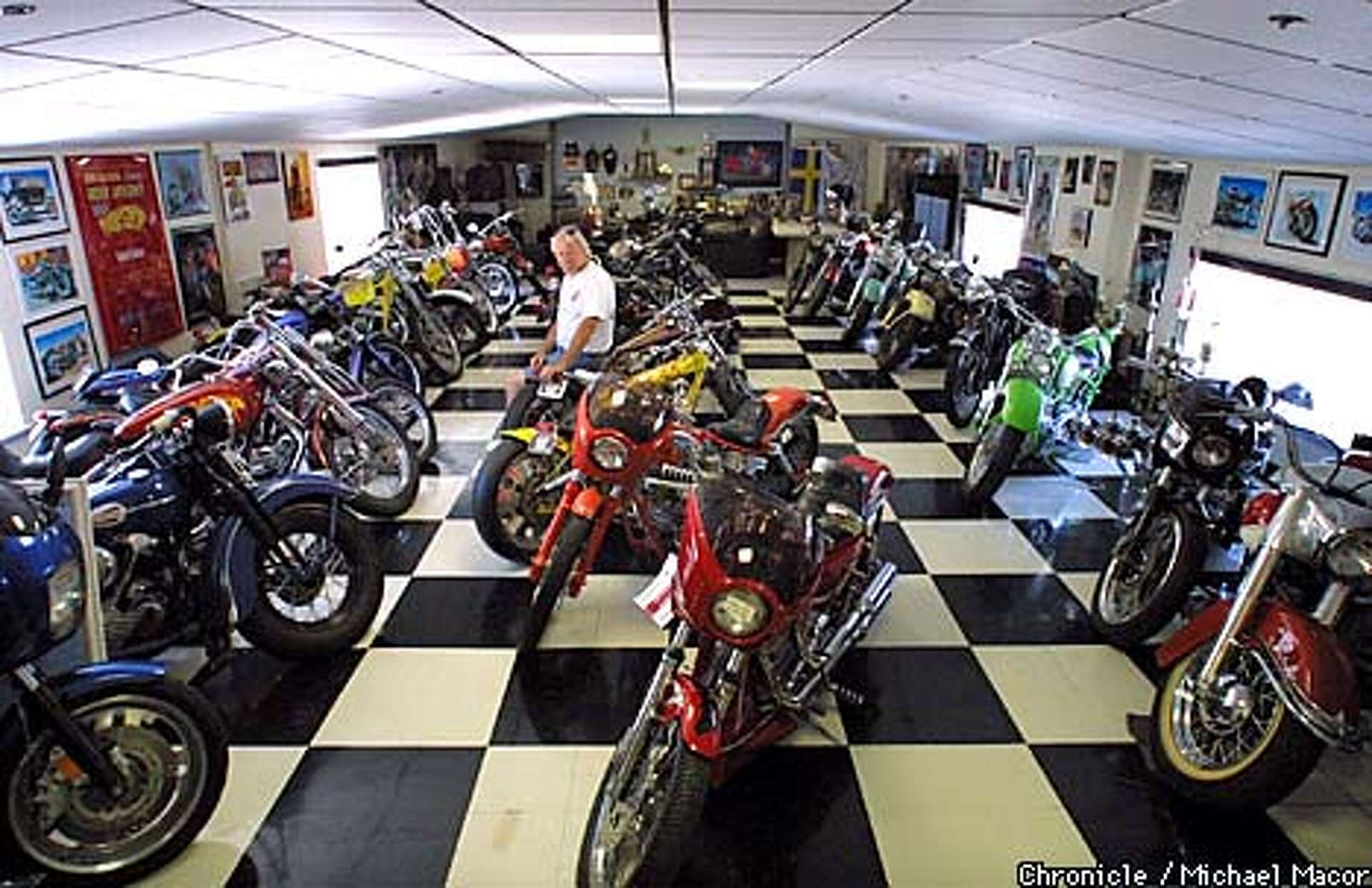
The headquarters in Dublin, California, serves as more than just a retail space; it is a pilgrimage site for motorcycle enthusiasts. It houses the Arlen Ness Museum, which contains over 40 of Arlen’s most famous motorcycles. In 2026, the museum continues to inspire new generations of builders who look to Arlen’s early work to understand the fundamentals of proportion and style.
Visiting the Arlen Ness Museum and Store
For those seeking to experience the history of custom motorcycle styling firsthand, a visit to the Dublin, California facility is essential. The museum is one of the few places in the world where you can see the evolution of the custom motorcycle in a chronological fashion.
- Location: Dublin, CA (approximately 35 miles east of San Francisco).
- What to See: The "Untouchable," the "Ferrari Bike," and the original "Digger" prototypes.
- Technical Insights: Visitors can see the transition from hand-hammered steel to CNC-machined billet aluminum up close.
- The Workshop: While the private build areas are restricted, the retail floor often showcases the latest projects from Cory and Zach Ness, providing a glimpse into the future of custom styling.
According to official Arlen Ness Enterprises records, the museum remains free to the public as of 2026, fulfilling Arlen’s wish to keep the culture of customizing accessible to everyone.
Frequently Asked Questions
What is the "Digger" style of motorcycle?
The Digger style, pioneered by Arlen Ness in the 1970s, features a long, low frame with a heavily raked front end. Unlike traditional choppers that sit high, Diggers have a low center of gravity and often use smaller, drag-style handlebars and narrowed fuel tanks to create a sleek, "dragster" appearance.
Is Arlen Ness still involved in the company?
Arlen Ness passed away in March 2019 at the age of 79. However, the company is still family-owned and operated by his son Cory and grandson Zach Ness. They continue to design new parts and build world-class custom motorcycles using the principles Arlen established.
Does Arlen Ness only make parts for Harley-Davidson?
While Arlen Ness Enterprises is most famous for its Harley-Davidson components, the company has a long history of working with other brands. They were instrumental in the design of Victory Motorcycles and currently offer extensive parts catalogs for Indian Motorcycles and various metric cruisers.
Why is billet aluminum so important in Ness's designs?
Billet aluminum allowed Arlen Ness to move away from the limitations of cast parts. Billet parts are machined from a solid block of aluminum, which provides superior strength and allows for more intricate, sharp, and flowing designs. This helped create the high-end, "jewelry" look that defined the custom scene in the 1990s and 2000s.
Can I buy a complete Arlen Ness motorcycle?
While Arlen Ness Enterprises primarily focuses on parts and one-off custom builds for clients, they have occasionally released limited-production motorcycles. In 2026, most enthusiasts "build" their own Ness bike by utilizing the extensive catalog of frames, engines, and bolt-on parts provided by the company.
How to Incorporate Arlen Ness Styling Into Your Ride
If you are looking to adopt the pioneer's style for your own motorcycle, focus on the "Three Pillars of Ness Design": Stance, Flow, and Detail.
- Lower the Stance: Start by adjusting the suspension to give the bike a lower profile. Arlen always believed a bike looked better when it hugged the ground.
- Streamline the Bodywork: Look for ways to integrate your components. Use "stretched" fuel tanks or side covers that bridge the gaps in the frame.
- Upgrade the Hardware: Replace stock, stamped-steel parts with high-quality billet aluminum accessories. Focus on the "touchpoints"—grips, pegs, and mirrors—as these are the details that define the quality of a build.
For those just starting, the Big Sucker Air Cleaner and a set of Ness-Tech mirrors are the most accessible entry points. For more advanced builders, an inverted front end or a custom wheel set can completely transform the identity of a stock machine.
As we look at the landscape of motorcycle customization in 2026, it is clear that Arlen Ness was more than just a builder; he was a visionary who saw the motorcycle as a medium for artistic expression. His influence can be seen in every raked-out bagger on the highway and every billet accessory in a showroom. He truly was, and remains, the pioneer of custom motorcycle styling.