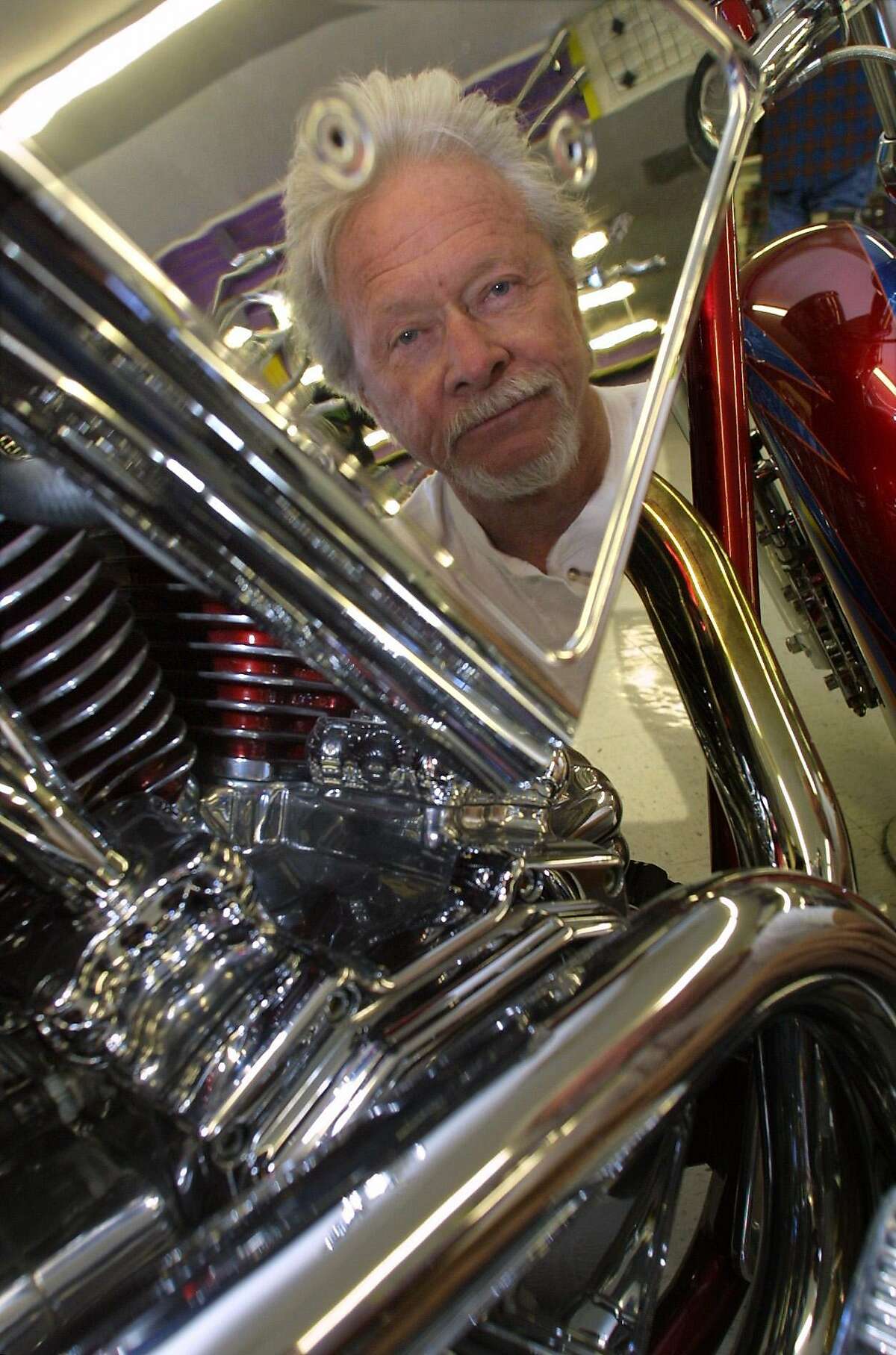
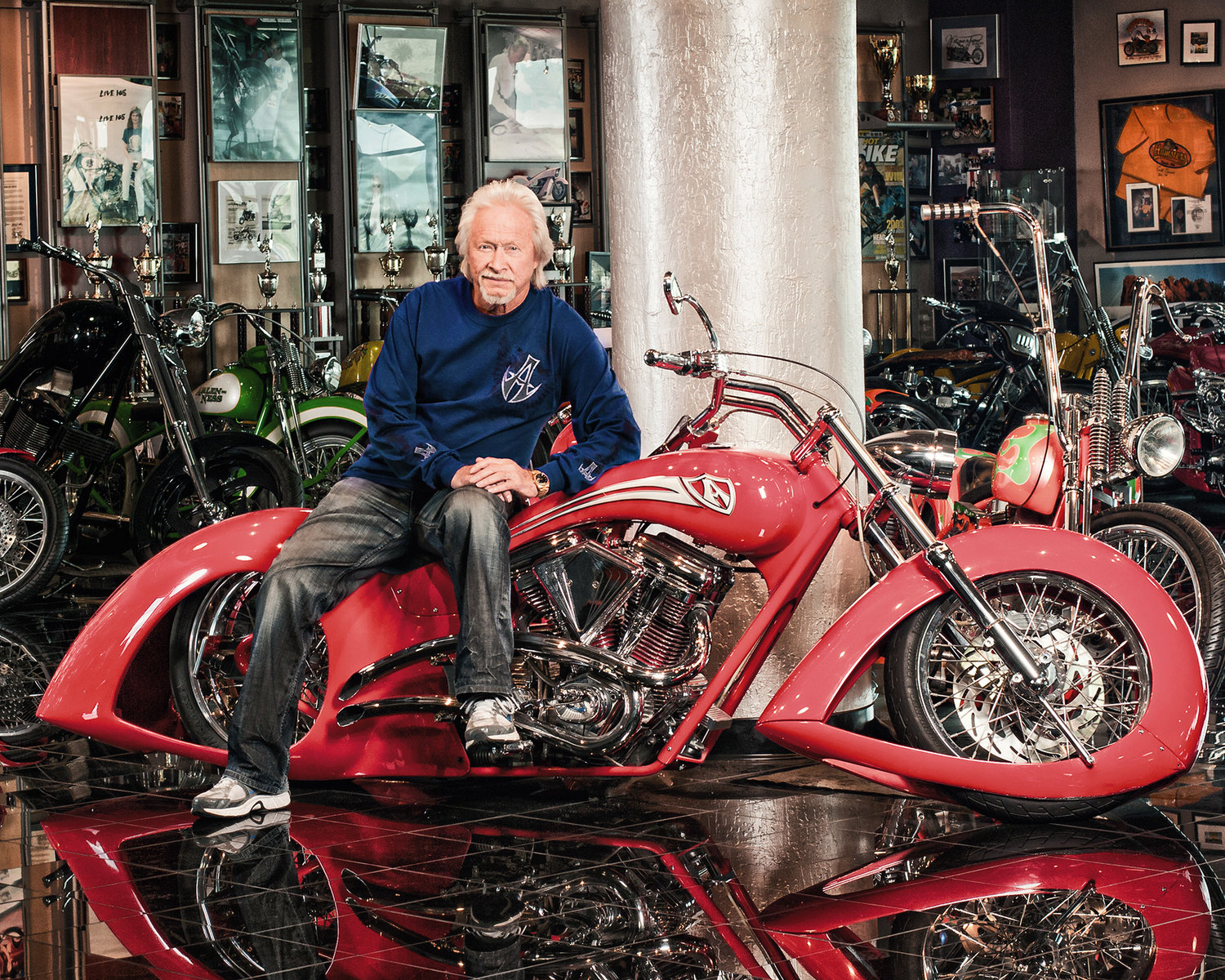
Arlen Ness revolutionized the custom motorcycle world by blending high-art aesthetics with precision engineering, effectively moving the industry from gritty backyard chop-shops to high-end design studios. His pioneering use of billet aluminum, stretched "digger" frames, and a massive retail parts catalog democratized custom culture, allowing riders worldwide to achieve a professional, "Ness-style" look on production motorcycles.
The Genesis of a Custom Icon
To understand the impact of Arlen Ness, one must look back to the late 1960s in San Leandro, California. Ness, then a bowling alley employee, purchased a 1947 Harley-Davidson Knucklehead for $300. This bike, eventually named "The Untouchable," became the catalyst for a career that would span five decades. At a time when the "chopper" scene was defined by the rugged, often dangerous designs seen in films like Easy Rider, Ness introduced a level of finish and artistic fluidity that had never been seen before.
The impact of "The Untouchable" cannot be overstated. It featured a sleek, low profile and a level of intricate detail—including a translucent paint job and heavy chrome—that challenged the status quo. Ness didn’t just build a bike; he created a rolling sculpture. This transition from "functional transport with attitude" to "industrial art" is the foundation of the modern custom motorcycle industry.
By the mid-1970s, Ness had opened his first shop. His work during this era defined the "Digger" style: motorcycles with heavily raked-out front ends, small fuel tanks, and frames that were stretched long and low. This aesthetic became a hallmark of Northern California custom culture and served as a blueprint for thousands of builders who followed.
The Billet Revolution: Changing How Bikes Are Built
Perhaps the most significant technical contribution Arlen Ness made to the industry was the popularization of billet aluminum. Before Ness, most custom parts were either modified stock pieces or hand-fabricated from steel. Ness recognized that aluminum could be machined into complex, lightweight, and highly polished components.
From One-Offs to Mass Production
In the 1980s, Ness began leveraging CNC (Computer Numerical Control) machining to create parts from solid blocks of 6061-T6 aluminum. This was a seismic shift in motorcycle manufacturing. It allowed for:
- Precision and Consistency: Every part produced was identical, ensuring that a builder in Florida could achieve the same fitment as Ness did in California.
- Aesthetic Brilliance: Billet aluminum could be polished to a mirror finish that resisted the yellowing and pitting common with chrome-plated pot metal.
- Structural Integrity: Machined parts often offered superior strength-to-weight ratios compared to traditional castings.
This innovation led to the creation of Ness Enterprises, a parts empire that offered everything from mirrors and grips to entire frames and wheels. By making these high-end components available via mail-order catalogs, Ness essentially "democratized" the custom look. A rider no longer needed to be a master welder to have a show-quality bike; they simply needed a wrench and a Ness catalog.
Iconic Builds That Defined Eras
The impact of Arlen Ness is best visualized through his most famous creations. Each of these motorcycles pushed the boundaries of what was considered possible in terms of geometry and engine configuration.
| Bike Name | Year Built | Key Innovation / Significance |
|---|---|---|
| The Untouchable | 1960s/70s | The Knucklehead that started it all; defined the "Ness Look." |
| Two Bad | 1980s | Featured two Sportster engines linked together; a masterpiece of engine synchronization. |
| Smooth-Ness | 1990s | Inspired by the 1930s Bugatti; featured a full-body fairing made of hand-formed aluminum. |
| Ferrari Bike | 1990s | Used a Ferrari engine and styling cues, bridging the gap between exotic cars and motorcycles. |
| Mach Ness | 2000s | A turbine-powered motorcycle with a steam-punk aesthetic, showcasing extreme engineering. |
The "Smooth-Ness" and Art Deco Influence
In the 1990s, Ness took a dramatic turn toward Art Deco styling. "Smooth-Ness" remains one of the most influential custom motorcycles in history. Drawing inspiration from the 1934 Bugatti Type 57SC Atlantic, Ness moved away from the exposed mechanicals of the traditional chopper. Instead, he encased the motorcycle in flowing, aerodynamic bodywork.
This build proved that a motorcycle could be a cohesive design study rather than a collection of bolt-on parts. It influenced a generation of "bagger" builders who today use carbon fiber and fiberglass to create seamless, flowing lines on modern touring bikes.
Bridging the Gap: Collaboration with Major Manufacturers
While many custom builders remained fiercely independent, Arlen Ness saw the value in bringing custom design to the masses through corporate partnerships. His most notable collaboration was with Victory Motorcycles (a brand owned by Polaris).
Starting in the early 2000s, Ness—along with his son Cory and grandson Zach—designed a series of "Signature Series" Victory bikes. These weren't just stock bikes with different paint; they featured Ness-designed wheels, handlebars, and trim pieces. This partnership was a milestone because it was one of the first times a major manufacturer allowed a custom builder to influence the production line directly.
The impact was twofold:
- Mainstream Validation: It proved that there was a massive market for "factory customs."
- Engineering Standards: Ness had to adapt his wild designs to meet federal safety and emissions standards, proving that custom flair could coexist with reliability.
Later, the Ness legacy continued through parts development for Indian Motorcycle, ensuring that the "Ness touch" remained accessible to riders who preferred modern, fuel-injected platforms over vintage steel.
The Ness Dynasty: Family and Future Legacy
As of 2026, the Arlen Ness brand remains a dominant force, thanks to the multi-generational nature of the business. Arlen passed away in 2019, but his son Cory Ness and grandson Zach Ness had already been established as master builders in their own right.
Cory Ness brought a sense of modern refinement and performance to the brand, often focusing on cleaner lines and aggressive stances. Zach Ness introduced the brand to a younger demographic, experimenting with cafe racers, street trackers, and modern performance baggers. This evolution ensured that the "Arlen Ness impact" didn't freeze in time as a 1970s relic; it evolved into a contemporary lifestyle brand.
The company’s headquarters in Dublin, California, serves as both a retail hub and a museum. It houses over 40 of Arlen’s most famous bikes, serving as a pilgrimage site for builders. The presence of this museum ensures that the technical breakthroughs and design philosophies of the "King of Custom Motorcycles" are preserved for future generations of engineers and designers.
Technical Specifications and Engineering Philosophy
Ness’s impact was not merely aesthetic; he changed the way motorcycles were engineered for the custom market. His frames, often manufactured by Paughco or in-house, utilized specific geometries to handle the extreme rakes he favored.
- Rake and Trail: Ness understood that simply lengthening a fork would make a bike unridable. He pioneered the use of "raked triple trees" to maintain proper trail measurements, ensuring that even a bike with a 45-degree rake could be steered safely at low speeds.
- Hidden Wiring: Ness was an early proponent of internalizing all wiring and cables. By drilling handlebars and frames to hide the "clutter," he forced the industry to focus on clean, minimalist design.
- Paint Mastery: Before high-end spray booths were common, Ness was known for his "rattle-can" masterpieces. He eventually transitioned to complex House of Kolor candies and pearls, setting the standard for the deep, multi-layered paint jobs that are now mandatory on the show circuit.
Impact on the Modern Bagger Movement
In the current landscape of 2026, the most popular segment of the custom world is the "Performance Bagger." While this movement is relatively recent, its roots are firmly planted in Arlen Ness’s work. The use of oversized front wheels (21, 23, and even 30 inches) was a trend Ness experimented with decades ago.
Furthermore, the integration of high-performance components—such as radial-mount brakes, inverted forks, and carbon fiber fenders—onto heavy touring bikes reflects Ness’s philosophy of blending disparate worlds. He was never afraid to put a racing engine in a cruiser frame or car parts on a bike, a spirit that defines the current "anything goes" era of custom building.
Common Misconceptions About the Ness Legacy
Despite his fame, several misconceptions exist regarding Arlen Ness’s impact:
- "He only worked on Harleys": While he is synonymous with American V-twins, Ness built customs using Honda, Kawasaki, and even Ferrari engines. He was a fan of mechanical ingenuity regardless of the badge on the tank.
- "Form over function": Although his bikes look like sculptures, Ness was an avid rider. Most of his "show bikes" were fully functional and frequently ridden on the street, which pushed the industry toward building customs that actually worked.
- "Billet is just for show": As mentioned, the move to billet was as much about manufacturing efficiency and structural strength as it was about the "shiny" factor.
FAQ
How did Arlen Ness influence the price of custom motorcycles?
Ness transitioned the market from cheap, salvaged builds to premium, high-value assets. By creating a market for high-end parts, he helped establish a "pro-build" tier where motorcycles could be sold for six figures. Conversely, his parts catalog allowed budget-conscious builders to upgrade their bikes incrementally, creating a multi-tiered economy within the hobby.
What is the "Ness Look" exactly?
The "Ness Look" is defined by a "long and low" silhouette. Key features include a stretched frame, a small, sleek fuel tank that flows into the seat line, hidden wiring, and an abundance of chrome or polished billet aluminum. The paint is typically a deep candy or flake finish with intricate pinstriping.
Can you still buy Arlen Ness parts in 2026?
Yes. Arlen Ness Motorcycles continues to operate as a major manufacturer and retailer. They produce parts for Harley-Davidson, Indian, and Victory models, as well as universal custom components. Their catalog remains one of the most comprehensive in the industry.
Did Arlen Ness invent the "Digger" motorcycle?
While "invented" is a strong word in the world of evolving styles, Ness is widely credited with perfecting and popularizing the Digger. He took the basic concept of a low, drag-style bike and added the high-end finish and artistic flair that made it a distinct sub-genre of the chopper movement.
What was Arlen Ness’s most expensive build?
While prices for his one-off museum pieces are rarely disclosed, bikes like the "Ferrari Bike" and "Mach Ness" involved hundreds of thousands of dollars in fabrication and engineering. On the auction block, original Ness builds from his golden era consistently command premium prices among collectors.
Practical Recommendation for Aspiring Builders
For those looking to incorporate the Arlen Ness philosophy into their own projects in 2026, the key is cohesion. Ness’s greatest strength was his ability to make every part of the motorcycle look like it belonged to a single, unified vision.
Start by defining your "line"—the silhouette of the bike from the side. Ensure that your handlebars, tank, and rear fender follow a natural curve. Avoid "cluttering" the build with mismatched bolt-on parts. Instead, select a theme (such as billet, blacked-out, or vintage) and stick to it across every component, from the mirrors down to the axle covers. Finally, prioritize the "hidden" details; tucking away wires and cables is often what separates a garage build from a professional-looking custom.