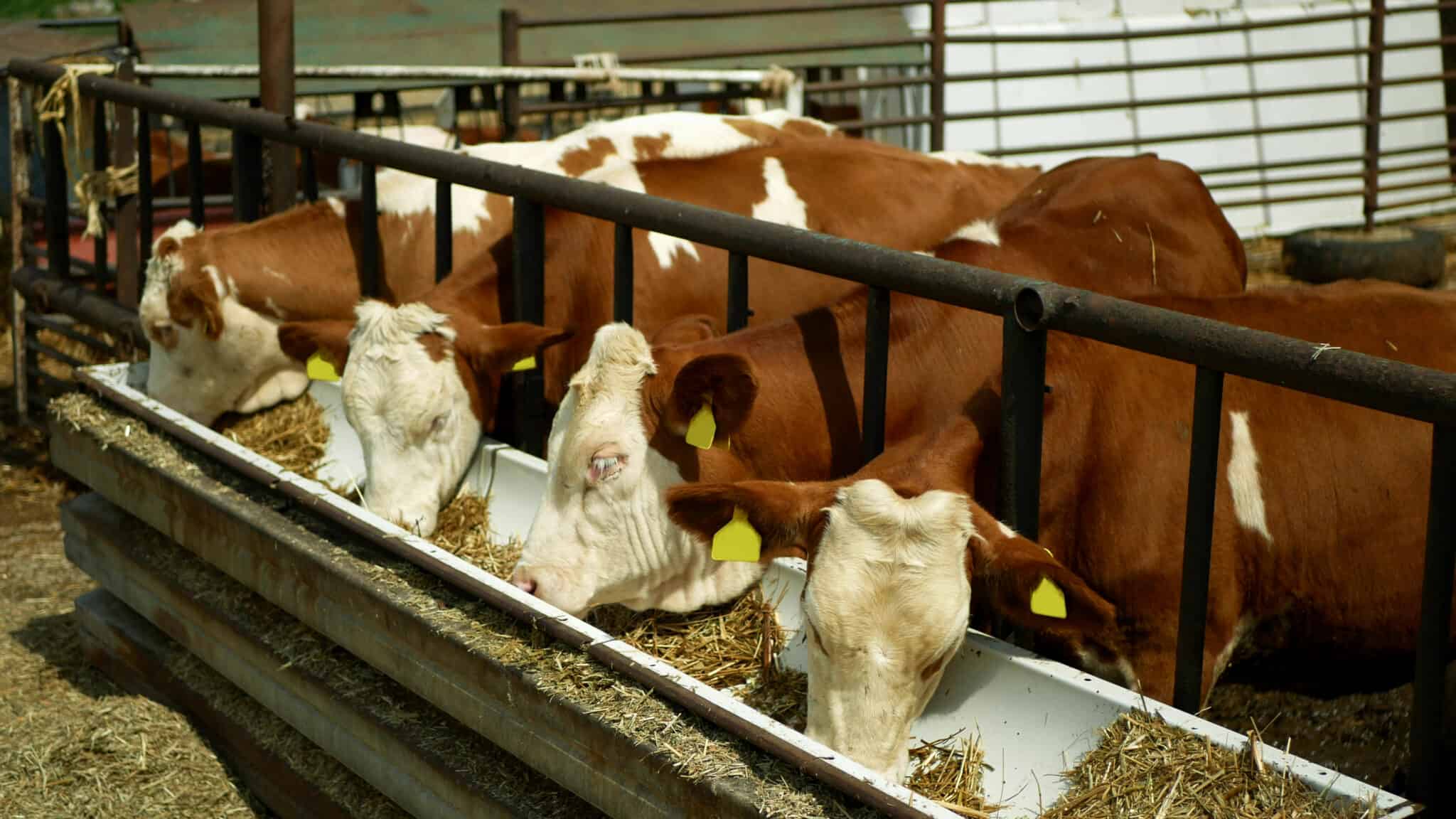
Domestication is a long-term evolutionary process, not a sudden event, involving the genetic and behavioral adaptation of wild species to life alongside humans. While humans have not intentionally domesticated a new major species in the 21st century, current efforts focus on the captive breeding of niche species and the ongoing genetic modification of existing livestock, distinguishing modern biological management from historical domestication.
Defining Modern Domestication vs. Selective Breeding
To understand the status of animals becoming domesticated today, one must distinguish between true domestication and intensive selective breeding. Domestication, in its biological sense, is a multi-generational process where a population of animals is isolated from its wild conspecifics, leading to distinct physiological and behavioral changes—often referred to as the "domestication syndrome." This includes changes in coat color, floppy ears, reduced adrenal gland size, and a decrease in the flight-or-fight response.
In 2026, we are not witnessing the "domestication" of new species in the way our ancestors transformed the wolf into the dog or the wild aurochs into cattle. Instead, we are observing high-level selective breeding programs. For example, the breeding of "teacup" variants of established pets or specific phenotypes of exotic reptiles are forms of artificial selection that operate within an already domesticated or captive-adapted framework. These animals do not undergo the deep evolutionary shifts associated with the foundational domestication events of the Neolithic period.
The Genetic Limits of Modern Domestication
The primary reason we do not see new large-scale domestication projects today involves genetic and behavioral constraints. Successful domestication requires a species to possess a specific suite of traits: a flexible diet, a fast growth rate, an ability to breed in captivity, a pleasant disposition, and a social hierarchy that permits human dominance.
Most wild animals that were suitable for domestication were already exploited by human civilizations thousands of years ago. Modern attempts to "tame" wild species, such as zebras or gazelles, have historically failed or resulted in animals that are simply not safe or efficient for human infrastructure. The cost of domesticating a new species—requiring hundreds of years of controlled mating to suppress aggressive instincts—far outweighs the utility in an era where we already have stable, high-yield livestock.
Current Approaches to Captive Breeding
While formal domestication is not occurring, "captive breeding" is a thriving industry. This practice differs from domestication because the goal is often conservation or specialized trade, rather than a permanent alteration of the species' nature to serve a human function.
- Conservation Breeding: Organizations like the Association of Zoos and Aquariums (AZA) engage in Species Survival Plans (SSPs). These programs manage the genetic diversity of endangered species to prevent extinction. While these animals live under human care, they are not being domesticated; the objective is to maintain their wild-type behaviors and genetic integrity to facilitate potential reintroduction into native habitats.
- Commercial Exotic Breeding: The trade in "pocket pets" or exotic reptiles involves intensive selective breeding for specific aesthetic traits. While this can change the appearance of a species over time, it is an exercise in aesthetics rather than a shift in ecological niche or evolutionary path.
The Role of Epigenetics and Behavioral Training
Modern science has moved beyond traditional breeding into the realm of epigenetic study and behavioral conditioning. Researchers in 2026 are focused on how the environment influences gene expression in captive animals.
A significant area of study involves "neoteny," the retention of juvenile characteristics in adults. By selecting for animals that display playful, submissive, or curiosity-driven behaviors, humans can influence the temperament of a population in as little as a few generations. This is distinct from domestication because it is reversible; if the human selective pressure is removed, the population will quickly revert to its wild phenotypic baseline.
Comparison of Domestication Processes
| Feature | Historical Domestication | Modern Selective Breeding |
|---|---|---|
| Duration | Thousands of years | Years to decades |
| Genetic Shift | Permanent, deep evolutionary change | Temporary, cosmetic or behavioral |
| Human Utility | Essential for civilization/survival | Aesthetic or niche commercial use |
| Intent | Symbiotic co-evolution | Human-directed trait optimization |
| Reversibility | Virtually impossible | Reversible over generations |
Ethics and the "Domestication Syndrome"
The pursuit of "domesticating" modern wild animals raises significant ethical concerns. The concept of "domestication syndrome" involves more than just docility; it includes physiological tradeoffs. For example, selecting for extreme tameness in foxes—a famous experiment conducted in Russia—led to physical changes like curly tails and white spotting.
In 2026, the ethical consensus remains that species unsuited for the human environment should not be subjected to the pressures of domestication. The psychological distress caused by confining high-energy or wide-ranging wild species often leads to maladaptive behaviors, stereotypic movements, and premature death. Modern legal frameworks in many jurisdictions strictly regulate the keeping of exotic animals, effectively acting as a barrier to the "domestication" of new species by private individuals.
Challenges in Scaling New Domestication
The barrier to entry for domesticating a species is fundamentally resource-intensive. To successfully domesticate a new animal, a breeder would require:
- Large Population Size: To maintain genetic health and prevent the fixation of deleterious mutations.
- Controlled Environment: A secure space that prevents interbreeding with wild populations.
- Economic Incentive: A clear benefit to humans (e.g., food, labor, or medical research) that justifies the multi-generational investment.
Without these pillars, any attempt at "domesticating" a wild animal today is likely to fail, leading to either an unstable hybrid population or, more commonly, a group of captive-reared wild animals that retain their dangerous natural instincts.
Frequently Asked Questions
Can we domesticate a tiger or a lion to be like a house cat? No. Domestication is a genetic process that requires thousands of years of selecting against aggression. Even after generations of captive breeding, large felids retain the predatory instincts, territoriality, and strength of their wild ancestors, making them fundamentally incompatible with human domestic environments.
Is selective breeding the same as domestication? Selective breeding is a tool used within domestication, but it is not the process itself. Selective breeding focuses on maximizing specific traits (like coat color or size) in a short timeframe, whereas domestication is the overall adaptation of a species to live in a human-dominated ecological niche.
Are there any species being domesticated right now? No major species are currently undergoing the process of domestication. Most recent efforts are focused on the "taming" or selective breeding of existing domestic species (e.g., designer dog breeds) or the maintenance of captive populations for scientific and conservation purposes.
Why did humans stop domesticating new animals? Humans have already identified and domesticated the most useful species on Earth. The species that remain are either physically dangerous, difficult to confine, or offer no significant advantage over the livestock and companion animals that have been refined over the last 10,000 years.
What is the difference between a tame animal and a domesticated one? A tame animal is an individual that has been conditioned to tolerate human presence, usually through intensive socialization. A domesticated animal belongs to a species that has been genetically altered over generations to live alongside humans. Taming is behavioral; domestication is genetic.
Conclusion and Next Actions
The concept of animals becoming domesticated today is largely a misunderstanding of intensive selective breeding. While we have the technology to sequence genomes and select for specific traits with greater precision than ever before, we lack the evolutionary necessity and the patience required to start the domestication process anew.
For those interested in the science of animal behavior or genetics, the most practical approach is to study existing domesticated populations. Observing the phenotypic variations in modern livestock or companion animals provides a clear window into the history of human-animal interaction. If you are considering participating in captive breeding, ensure your activities align with current regional wildlife laws and prioritize the welfare of the animals over the pursuit of novel or exotic traits.