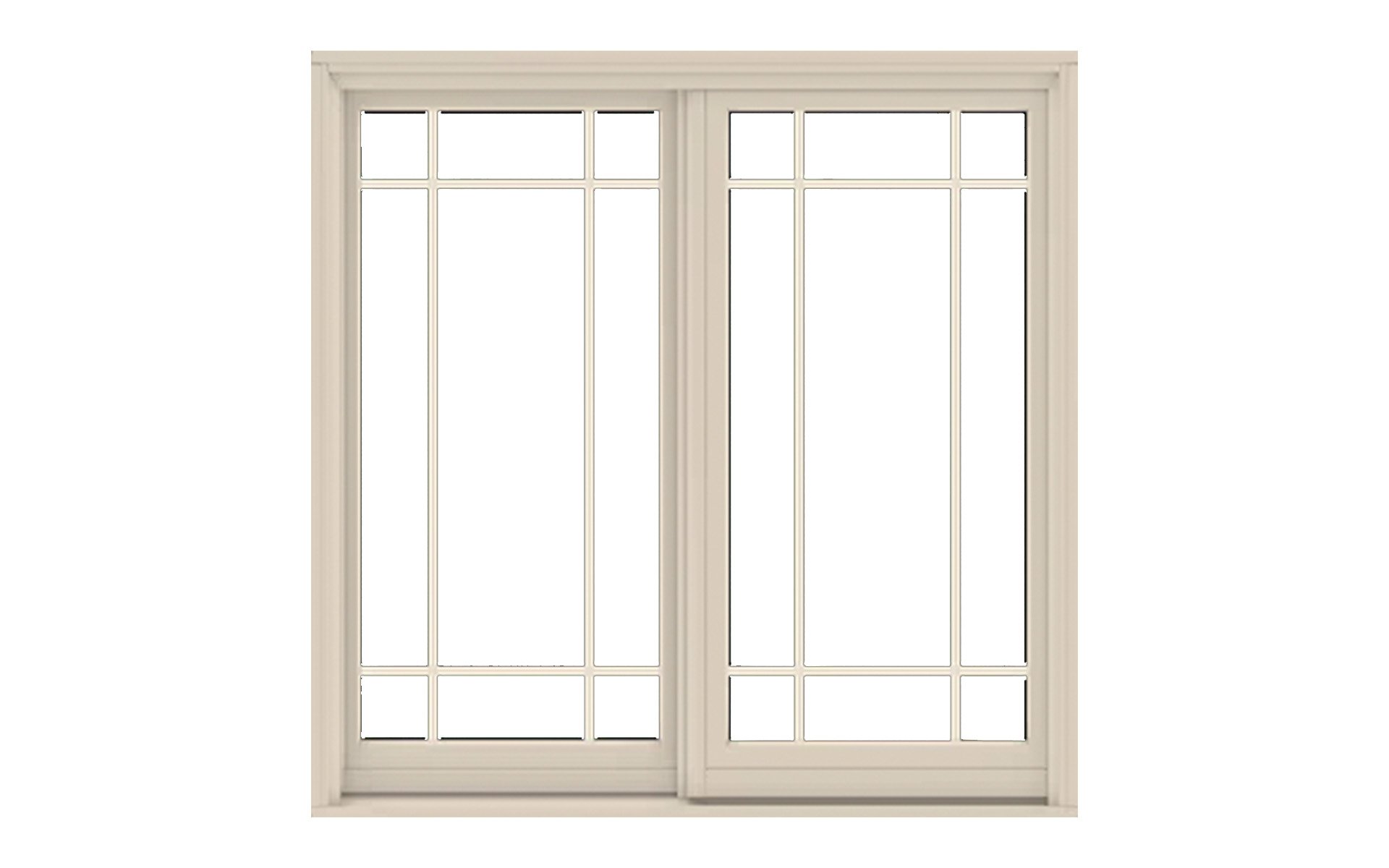
Andersen offers a diverse range of windows and doors tailored for both residential and commercial environments, ranging from the budget-friendly 100 Series to the highly customizable E-Series. Their products utilize innovative materials like Fibrex composite and cladded wood to provide energy efficiency, durability, and aesthetic versatility across diverse climates.
Choosing the right fenestration products in 2026 requires a balance between architectural intent, long-term maintenance costs, and strict energy performance standards. Whether you are outfitting a private residence or a modern professional office, Andersen’s product portfolio is structured into specific "Series" that cater to different price points and performance requirements. Understanding the technical specifications of these series is essential for architects, contractors, and property owners aiming to maximize the value of their building envelope.
The Architectural Collection: A-Series and E-Series
For luxury homes and high-end office spaces where design is the primary driver, Andersen’s Architectural Collection offers the highest degree of customization. This collection is divided into the A-Series and the E-Series, each serving distinct structural and stylistic needs.
A-Series (Architectural Series)
The A-Series is specifically designed to facilitate authentic architectural styles, such as Craftsman, Victorian, or Modern. These windows are engineered with a focus on historical accuracy and "curb appeal." For residential projects, this means precise proportions and profiles that match traditional home designs.
From a technical standpoint, A-Series products are often the best performers in terms of weather resistance. They are frequently used in coastal homes and offices due to their high Performance Grade (PG) ratings. The materials involve a mix of wood interiors with a fiberglass and Fibrex exterior, making them nearly immune to the blistering and peeling often associated with painted wood in harsh environments.
E-Series (Eagle Series)
The E-Series is the "unlimited" option in the Andersen catalog, making it a favorite for modern office buildings that require unique shapes or specific brand-aligned colors. Unlike other series that offer a limited color palette, the E-Series provides 50 standard colors, custom colors, and a variety of wood species for the interior, including oak, maple, and cherry.
For office applications, E-Series windows can be manufactured in massive sizes and unique geometries (trapezoids, circles, and gothic arches) to create dramatic storefronts or atrium lighting. The aluminum-cladded exterior provides a rigid, low-maintenance shield that is essential for commercial properties where exterior painting is logistically difficult and expensive.
The Core Performance Series: 400 and 200 Series
The 400 and 200 Series represent the backbone of Andersen’s residential offerings, though the 400 Series is frequently utilized in "light commercial" applications like small law offices, medical clinics, and retail boutiques.
400 Series: The Industry Standard
The 400 Series is arguably the most popular window in the United States. It features a wood frame protected by a Perma-Shield vinyl cladding. This design offers the interior warmth of real wood while ensuring the exterior never needs painting. For home offices and residential living areas, the 400 Series provides a classic look with modern longevity.
In 2026, the 400 Series remains a top choice for those seeking "Tilt-Wash" functionality, which allows the sashes to tilt inward for easy cleaning—a critical feature for multi-story homes and small office buildings where professional window cleaning services may be infrequent.
200 Series: Streamlined Value
The 200 Series focuses on the most popular sizes and styles to keep costs lower. It is a wood-based product with a vinyl exterior, but it offers fewer customization options than the 400 Series. For developers building large-scale office complexes or residential subdivisions on a budget, the 200 Series provides the "Andersen" brand reliability without the premium price tag of custom-built units.
100 Series: The Power of Fibrex Technology
The 100 Series is Andersen’s entry-level product, yet it is highly regarded in the commercial sector for its durability and environmental credentials. These windows are made entirely of Fibrex, a composite material patented by Andersen that consists of 40% reclaimed wood fiber and 60% thermoplastic polymer.
Why Fibrex for Offices?
Fibrex is twice as strong as vinyl and resists thermal expansion and contraction much more effectively. In an office setting, where large windows are often subjected to intense solar heat gain, Fibrex maintains its seal and structural integrity.
- Low Maintenance: It does not rot, fade, pit, or corrode.
- Sustainability: Because it uses reclaimed materials, it often contributes to LEED certification points for commercial green building projects.
- Aesthetic: The 100 Series offers a matte finish that looks more premium than standard shiny vinyl, making it suitable for modern, minimalist office interiors.
Large-Format Openings: Big Doors for Modern Spaces
Modern architectural trends in 2026 emphasize "indoor-outdoor" living and collaborative office environments. Andersen addresses this through their "Big Doors" category, which includes Folding Outswing Doors and MultiGlide sliding doors.
MultiGlide and Sliding Doors
These doors can span widths of up to 50 feet or more, allowing a residential patio or a corporate breakroom to open entirely to the outdoors. For offices, these large glass expanses provide natural light that has been proven to increase employee productivity and well-being. The tracks can be recessed into the floor for a flush transition, which is vital for ADA compliance in commercial settings.
Folding (Bifold) Doors
Andersen’s folding doors act like an accordion, stacking to the side to create a wide-open passage. These are frequently used in upscale restaurants and executive boardrooms to create flexible spaces. They are available in the A-Series and E-Series frameworks, ensuring they match the rest of the building's aesthetic.
Technical Comparison of Andersen Product Lines
The following table compares the primary characteristics of the various Andersen series to assist in the selection process for different building types.
| Series | Primary Material | Interior Options | Exterior Maintenance | Best Use Case |
|---|---|---|---|---|
| 100 Series | Fibrex Composite | Pre-finished (Limited) | Very Low | Entry-level homes, rental offices |
| 200 Series | Wood w/ Vinyl Wrap | Pine or White | Low | Standard residential, light commercial |
| 400 Series | Wood w/ Perma-Shield | Pine, Oak, Maple, White | Low | Custom homes, professional suites |
| A-Series | Wood / Fiberglass | Multiple Wood Species | Low | Architectural replicas, coastal zones |
| E-Series | Wood w/ Aluminum | Custom Woods/Stains | Very Low | High-end custom, unique office colors |
Energy Efficiency and Glass Specifications
In 2026, building codes have become increasingly stringent regarding U-Factor and Solar Heat Gain Coefficient (SHGC). Andersen products meet or exceed these requirements through advanced glazing options.
- Low-E4 Glass: The standard for most applications, reflecting heat in the summer and retaining it in the winter.
- SmartSun™ Glass: Blocks 95% of harmful UV rays, which is essential for offices to prevent the fading of furniture, carpets, and artwork.
- PassiveSun® Glass: Ideal for colder climates (Northern US/Canada) where solar heat gain is desired to help warm the building naturally.
- HeatLock® Coating: An additional layer applied to the room-side surface to reflect heat back into the room, further improving U-Factor ratings.
For office buildings, glass selection is often dictated by the "orientation" of the building. North-facing windows may require different coatings than south-facing windows to balance light and thermal comfort. Andersen’s specialized glass options allow for a "tuned" building envelope.
Specialized Products: Storm Doors and Commercial Entry
Beyond windows and patio doors, Andersen provides high-performance storm doors and commercial-grade entry solutions.
- Storm Doors: Essential for residential homes in volatile climates, these provide an extra layer of insulation and protection for the primary entry door.
- Commercial Entry: Andersen’s commercial-grade doors are designed for high-traffic use, featuring heavy-duty hardware, closers, and panic bars required by fire codes. They maintain the aesthetic of the residential lines but are reinforced for the "wear and tear" of a busy office or retail environment.
Installation and Warranty Considerations
A high-performance window is only as good as its installation. Andersen products are typically installed by "Certified Contractors" or through the "Renewal by Andersen" full-service division. For commercial office projects, Andersen provides technical data sheets and CAD files to architects to ensure that the "rough openings" and flashing details are handled correctly to prevent water infiltration.
Warranties: As of 2026, Andersen continues to offer some of the strongest warranties in the industry. The 400 Series, for example, typically carries a 20-year limited warranty on glass and a 10-year limited warranty on non-glass components. These warranties are often transferable, which adds significant resale value to both homes and commercial properties.
Frequently Asked Questions
Can I use residential Andersen windows in a commercial office building?
Yes, but it depends on the building type and local codes. For "light commercial" buildings (1–3 stories), series like the 400 or 100 are frequently used. However, for high-rise offices, you must ensure the windows meet the required Design Pressure (DP) and Performance Grade (PG) ratings for wind loads at higher elevations. The E-Series and A-Series are better suited for these demanding environments.
What is the main benefit of Fibrex over standard vinyl?
Fibrex is significantly more rigid than vinyl. This means it doesn't warp or bow under high heat, which is a common failure point for vinyl windows in dark colors. Additionally, Fibrex has a lower thermal expansion rate, meaning the seals stay intact longer, preventing drafts and moisture leaks in both homes and offices.
Are Andersen products energy-efficient enough for LEED certification?
Many Andersen products contribute toward LEED (Leadership in Energy and Environmental Design) points. The 100 Series is particularly notable for its use of reclaimed materials. Furthermore, specifying SmartSun glass can significantly improve a building's energy modeling performance, a core requirement for LEED and other green building certifications.
How do I choose between the A-Series and E-Series for a custom project?
Choose the A-Series if you want a specific "look" (like a traditional farmhouse or a colonial) and want the highest level of weather protection. Choose the E-Series if you need total creative freedom, such as a specific RAL color to match a corporate logo or a non-standard window shape that isn't available in other lines.
What maintenance is required for cladded wood windows?
The exterior cladding (vinyl for 400 Series, aluminum for E-Series) requires virtually no maintenance other than occasional cleaning with soap and water. The interior wood, however, must be painted or stained and periodically inspected for finish wear to prevent moisture from affecting the wood core.
Final Recommendation
When selecting Andersen products for homes and offices in 2026, the decision should be driven by the specific environment and longevity requirements of the project. For residential owners seeking a balance of beauty and value, the 400 Series remains the gold standard. For commercial office developers or high-end homeowners prioritizing sustainability and modern aesthetics, the 100 Series or E-Series provides the necessary durability and design flexibility. Always consult with a structural engineer or a certified Andersen dealer to verify that the chosen series meets the local Design Pressure requirements for your specific site.