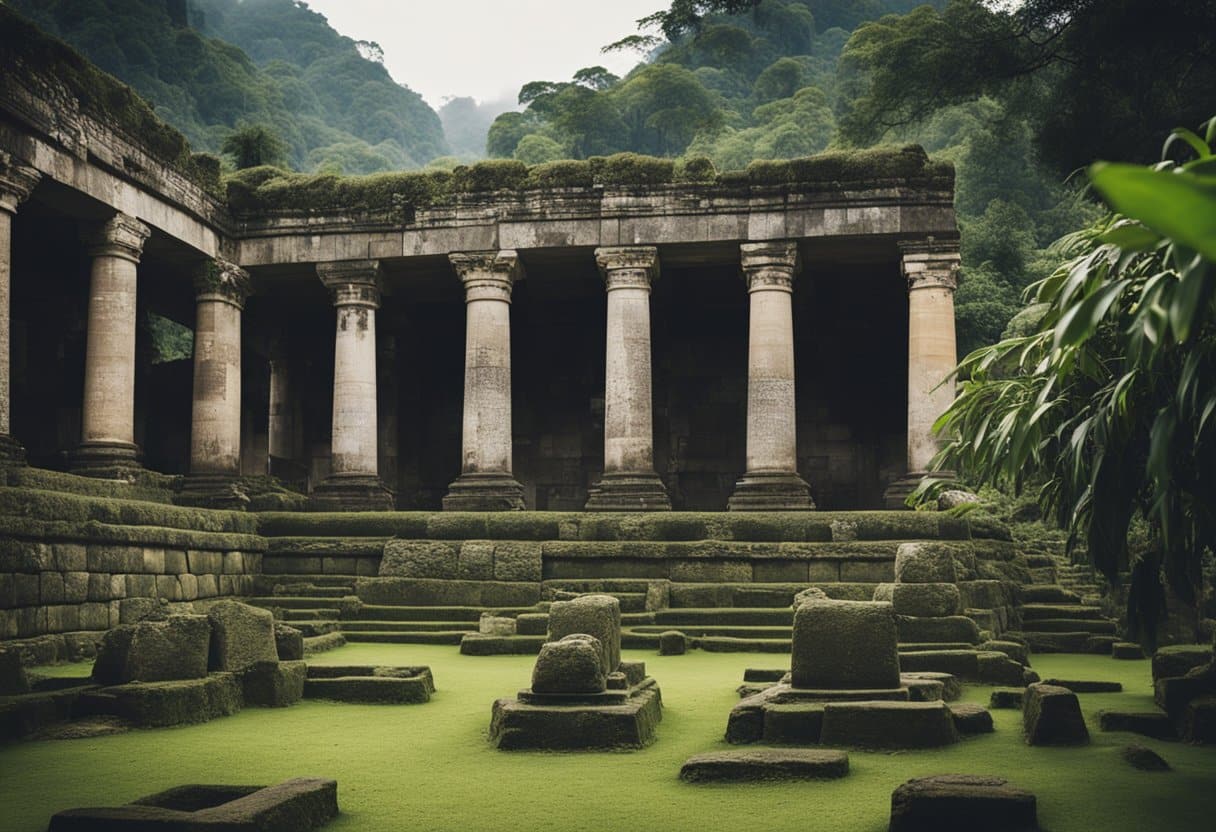
Visiting ancient ruins in America offers a tangible connection to the complex, diverse civilizations that inhabited the continent long before European arrival, spanning monumental stone architecture, cliff dwellings, and earthwork mounds preserved across varied landscapes.
The North American continent is home to a rich archaeological heritage that challenges the modern perception of pre-Columbian history. Far from being a pristine wilderness untouched by human hands before the 15th century, the Americas supported sophisticated, highly organized societies that built sprawling urban centers, complex agricultural networks, and monumental architecture. From the soaring sandstone cliff dwellings of the American Southwest to the massive geometric earthworks of the Mississippi River Valley, ancient ruins in America provide profound insights into how past populations engineered their environments, structured their societies, and expressed their spiritual beliefs.
Exploring these sites requires a balance of curiosity, preparation, and deep respect for cultural preservation. Many of these locations are sacred ancestral homelands to modern Native American tribes, and visiting them involves navigating federal regulations, fragile ecological zones, and strict preservation ethics. This guide examines the major categories of ancient ruins in America, outlines the historical context and engineering achievements behind them, and provides practical guidance for travelers and history enthusiasts seeking to understand these remarkable archaeological treasures.
Historical Context and Chronology of Ancient American Civilizations
To appreciate the ancient ruins found across the United States, it is essential to understand the chronological framework of pre-Columbian North America. Human presence on the continent spans more than 15,000 years, beginning with the migration of Paleo-Indian populations across the Bering Land Bridge. Over millennia, these nomadic hunter-gatherer groups transitioned into sedentary, agricultural societies that cultivated maize, beans, and squash—the foundational triad of American agriculture.
Archaeologists generally divide the pre-contact history of North America into distinct cultural periods, though these varied significantly by region:
- Paleo-Indian Period (c. 12,000 BCE – 8000 BCE): Characterized by highly mobile groups utilizing specialized stone tools to hunt megafauna. Few permanent architectural structures remain from this era, though rock art and temporary camp remains provide clues.
- Archaic Period (c. 8000 BCE – 1000 BCE): A prolonged era of adaptation to changing post-glacial climates. Populations developed regional foraging strategies, seasonal settlement patterns, and early forms of pottery and horticulture.
- Woodland Period (c. 1000 BCE – 1000 CE): Prominent in the Eastern Woodlands, this era marked the rise of pottery production, widespread burial mound construction, and increasingly complex social stratification.
- Mississippian Period (c. 8000 CE – 1600 CE): Defined by large-scale maize agriculture, complex chiefdoms, and massive platform earthworks surrounding centralized plazas, best exemplified by Cahokia.
- Ancestral Puebloan and Oasisamerican Periods (c. 200 CE – 1300 CE): Flourishing in the arid Southwest, these cultures built sophisticated masonry villages, cliff dwellings, and vast road networks linked by trade and religious practices.
Understanding these timelines helps dispel the outdated notion that North American societies were static or isolated. Extensive trade networks spanned thousands of miles, exchanging obsidian from the Rocky Mountains, mica from the Appalachians, and seashells from the Gulf of Mexico.
Monumental Architecture of the American Southwest
The American Southwest contains some of the most visually striking and structurally intact ancient ruins in the country. Protected by arid desert climates and deep sandstone alcoves, sites built by the Ancestral Puebloans (formerly referred to as the Anasazi), Mogollon, and Hohokam cultures offer a window into desert architecture and resource management.
Chaco Canyon and Mesa Verde
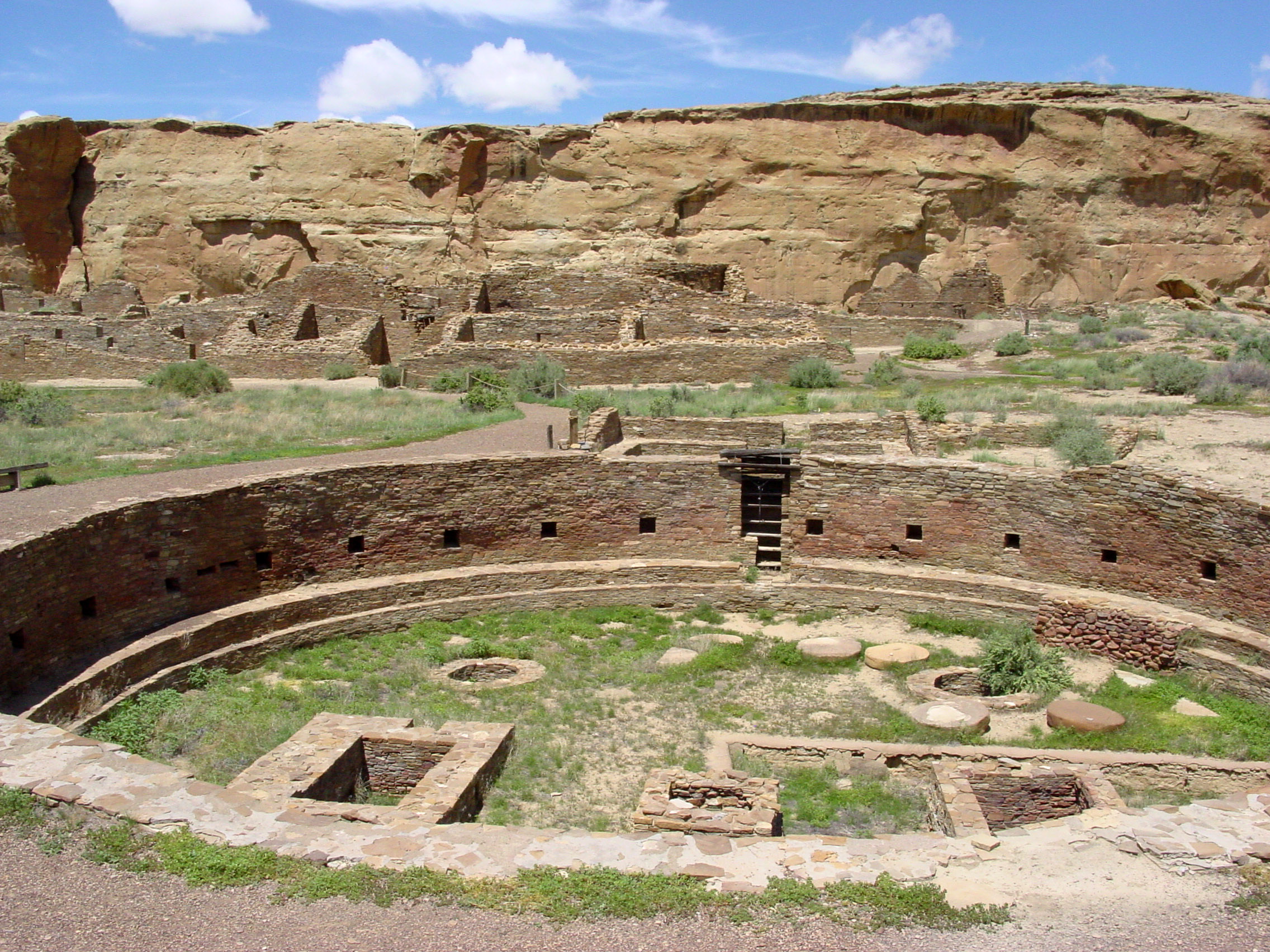
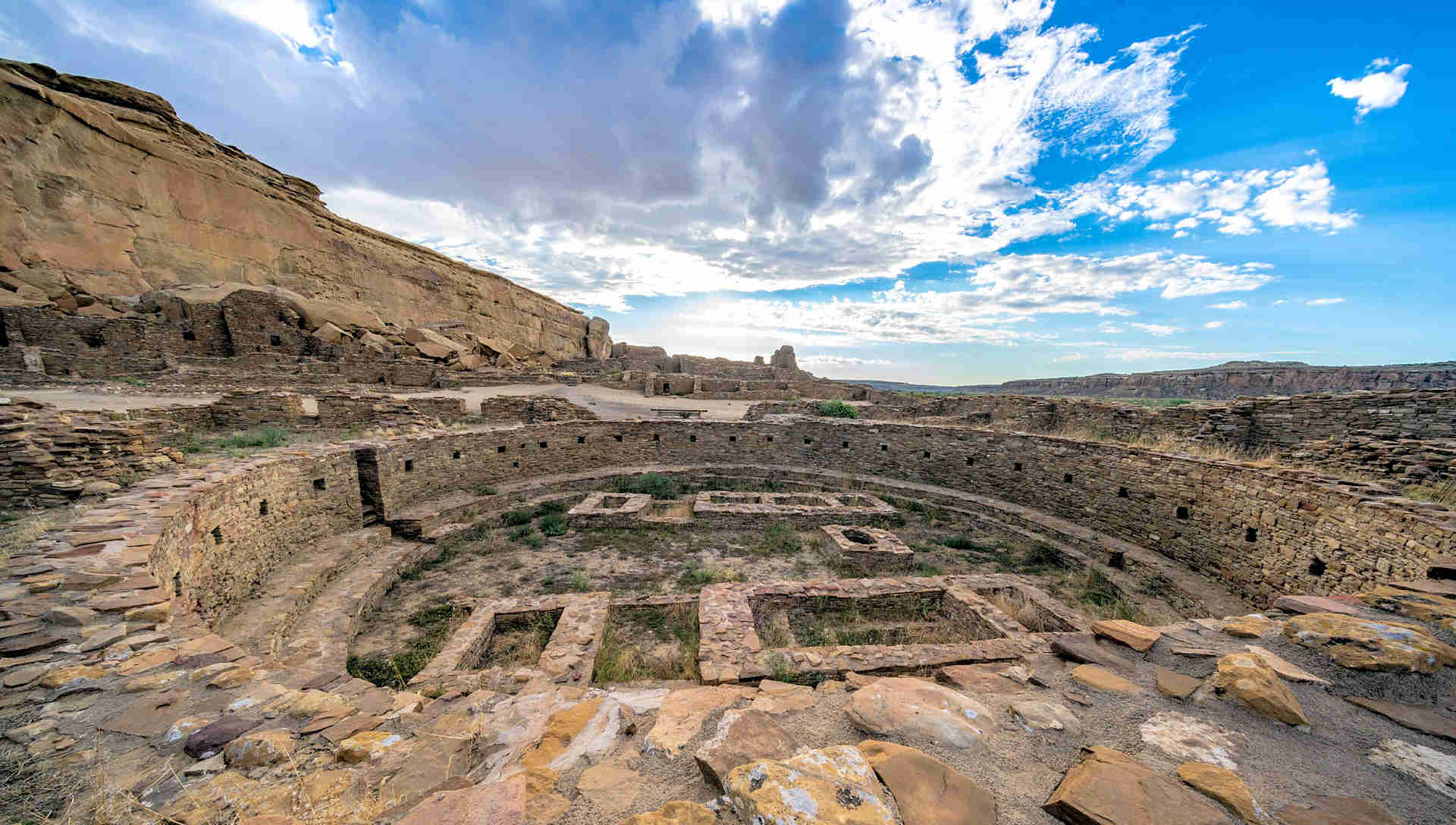
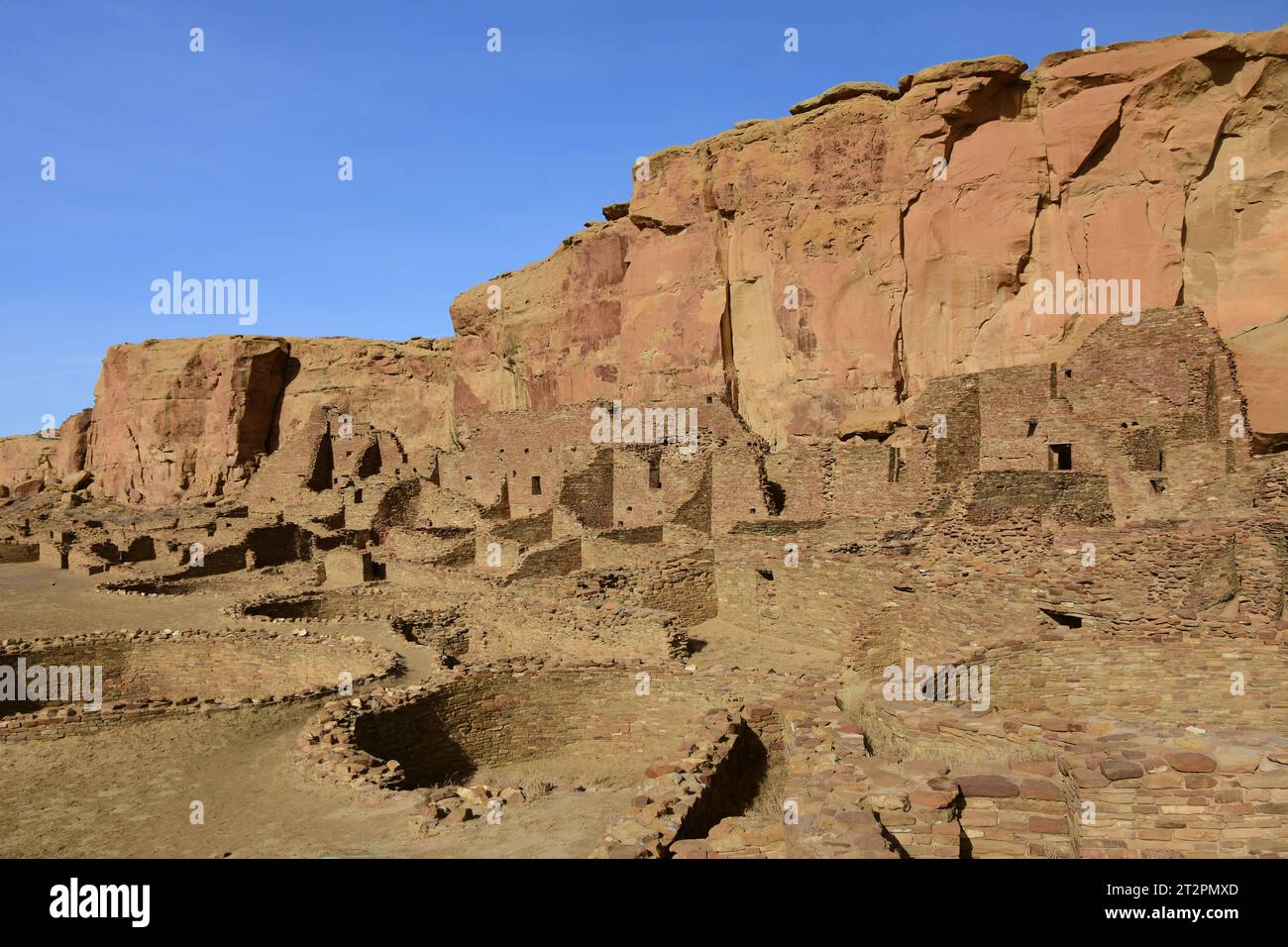
Chaco Culture National Historical Park in New Mexico represents the administrative, religious, and economic center of the Chacoan world between the 9th and 12th centuries. The site features massive multistory "great houses," such as Pueblo Bonito, which contained hundreds of rooms and large underground ceremonial chambers known as kivas. Chacoan architecture is distinguished by meticulous masonry techniques, core-and-veneer walls, and an alignment with solar and lunar events. Furthermore, the Chacoans engineered an extensive network of straight, wide roads connecting dozens of outlying communities across the desert landscape.
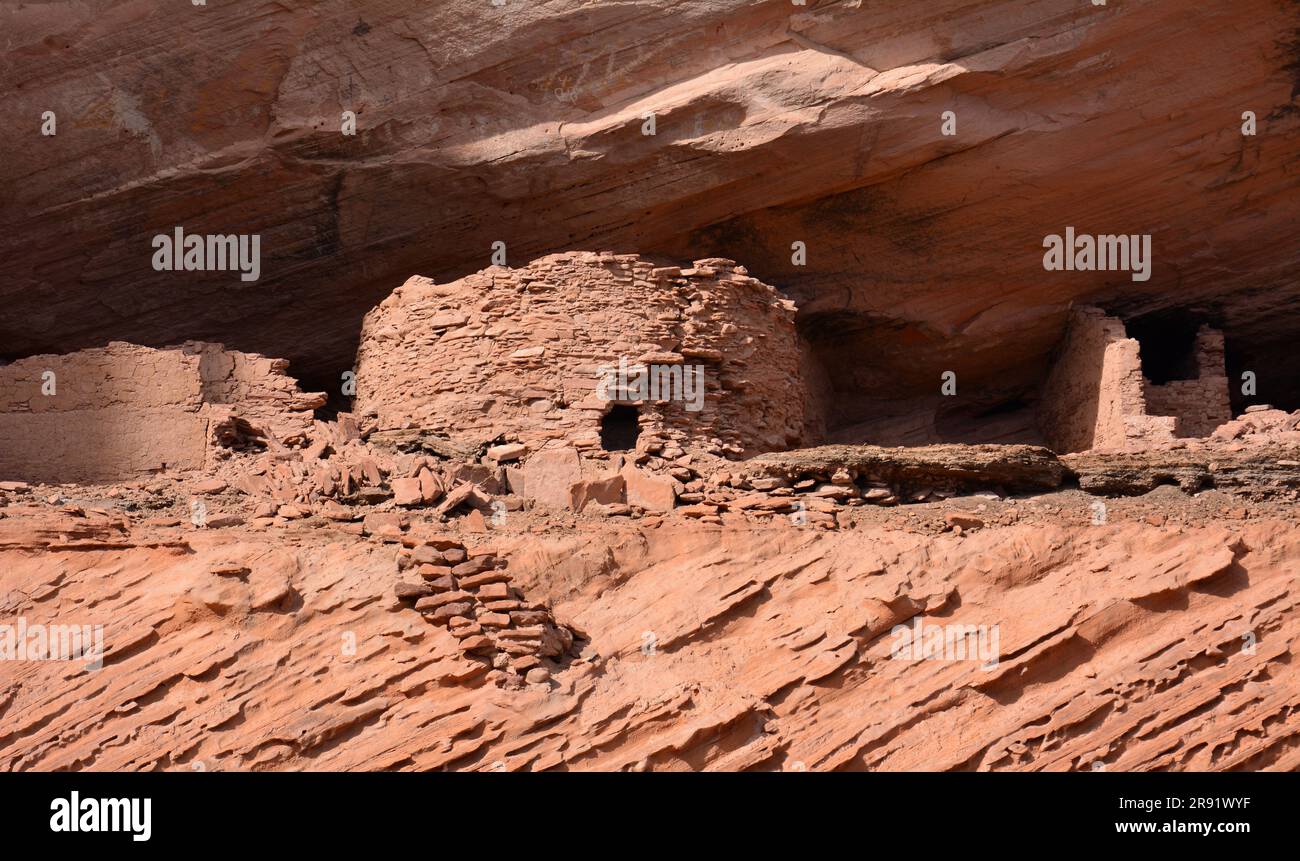
Further west, Mesa Verde National Park in Colorado showcases a dramatic shift in settlement patterns. Around the late 12th century, Ancestral Puebloan populations moved from mesa tops into towering natural alcoves in the canyon walls, constructing stone-and-mortar cliff dwellings like Cliff Palace and Balcony House. These protected locations offered strategic defense, natural insulation against extreme temperatures, and proximity to agricultural plots on the mesa tops above.
The Hohokam Canal Systems
While cliff dwellings command visual attention, the Hohokam culture of southern Arizona mastered a completely different environmental challenge: desert irrigation. Centered around the modern Phoenix metropolitan area, the Hohokam constructed hundreds of miles of hand-dug canals diverted from the Salt and Gila rivers. These engineering feats allowed them to cultivate cotton, corn, and beans in arid desert conditions that receive minimal annual rainfall. Sites like the Casa Grande Ruins National Monument feature multi-story adobe structures that served as astronomical observatories and communal hubs for these ancient agrarian communities.
| Culture / Region | Primary Architectural Type | Key Example Site | Estimated Peak Era | Notable Engineering Feature |
|---|---|---|---|---|
| Ancestral Puebloan | Stone masonry great houses, cliff dwellings | Mesa Verde, Chaco Canyon | 900 CE – 1300 CE | Solar alignments, multi-story masonry, alcove positioning |
| Mississippian | Earthen platform mounds, palisades | Cahokia Mounds | 1050 CE – 1350 CE | Massive earth movement, urban planning, wood-henge calendars |
| Hohokam | Adobe pit houses, multi-story compounds | Casa Grande Ruins | 600 CE – 1450 CE | Extensive canal networks, caliche-cemented adobe walls |
| Eastern Woodland | Burial mounds, effigy earthworks | Serpent Mound, Poverty Point | 1500 BCE – 1000 CE | Large-scale geometric landscaping without draft animals |
The Great Earthworks of the Eastern Woodlands
East of the Mississippi River, ancient architecture took a fundamentally different form. Rather than relying on stone or adobe, Indigenous builders moved millions of cubic yards of earth to construct monumental mounds, geometric enclosures, and symbolic effigies.
Poverty Point and Adena-Hopewell Traditions
Poverty Point, located in northeastern Louisiana, dates back to the Late Archaic period (c. 1730–1320 BCE). Built by hunter-gatherers rather than sedentary agriculturalists, this monumental complex features a series of concentric, semi-circular ridges and massive earthen mounds. The scale of construction at Poverty Point required the cooperative labor of thousands of workers over centuries, demonstrating complex social organization long before the widespread adoption of farming.
Later, the Adena and Hopewell cultures (c. 1000 BCE – 400 CE) constructed elaborate burial mounds and vast geometric enclosures throughout the Ohio River Valley. Hopewell earthworks, such as those preserved at the Hopewell Culture National Historical Park, frequently mirrored celestial movements and served as sacred ceremonial centers where goods traded from across North America—including copper, obsidian, mica, and marine shells—were interred.
Cahokia: The North American Metropolis
The peak of Eastern Woodland architecture occurred during the Mississippian period at Cahokia, located just across the Mississippi River from modern St. Louis, Missouri. Between 1050 and 1350 CE, Cahokia was a sprawling urban center with an estimated population surpassing that of many contemporary European cities, such as London.
The focal point of Cahokia is Monks Mound, a massive four-tiered earthen platform standing 100 feet tall and covering 14 acres at its base. Constructing Monks Mound required the excavation and placement of approximately 22 million cubic feet of earth, carried in baskets by human laborers. Cahokia also featured a massive wooden palisade wall for defense, residential neighborhoods, agricultural fields, and "woodhenges"—large circles of cedar posts used to track the equinoxes and solstices.
Preservation Status, Legal Protections, and Visiting Ethics
Protecting ancient ruins in America is a critical concern for archaeologists, government agencies, and tribal nations. Because these sites are fragile, non-renewable cultural resources, they face continuous threats from natural erosion, climate change, industrial development, and illegal looting or vandalism.
Federal Legislation and Protection
Several federal laws safeguard ancient ruins on public lands in the United States:
- The Antiquities Act of 1906: Grants the President authority to establish national monuments to protect historic landmarks, prehistoric structures, and objects of historic or scientific interest.
- The Archaeological Resources Protection Act (ARPA) of 1979: Prohibits the unauthorized excavation, removal, damage, or defacement of archaeological resources on public and tribal lands, carrying severe criminal and civil penalties.
- The Native American Graves Protection and Repatriation Act (NAGPRA) of 1990: Requires federal agencies and institutions that receive federal funding to repatriate Native American cultural items, including human remains, funerary objects, and sacred items, to lineal descendants and culturally affiliated tribes.
Responsible Tourism Guidelines
When visiting archaeological parks, national monuments, or tribal heritage sites, travelers must adhere to strict ethical guidelines to ensure these structures survive for future generations:
- Never Touch Walls or Rock Art: Skin oils, moisture, and physical pressure accelerate the erosion of ancient mortar, sandstone masonry, and delicate pictographs or petroglyphs.
- Leave Artifacts in Place: Collecting pottery shards, arrowheads, or stone tools is illegal on public lands and destroys the contextual archaeological record.
- Stay on Designated Trails: Walking off-trail damages fragile biological soil crusts, erodes earthen mounds, and disturbs unexcavated cultural deposits.
- Respect Tribal Sovereignty: Many sites are actively managed by or hold deep spiritual significance for Native American tribes. Always follow local regulations, signage, and closure notices regarding sacred spaces.
Frequently Asked Questions About Ancient Ruins in America
What are the oldest ancient ruins in the United States?
While Paleo-Indian sites date back more than 12,000 years, most consist of lithic scatters and temporary camp remains rather than standing structures. Among permanent monumental architectural sites, Poverty Point in Louisiana (dating to approximately 1730 BCE) represents one of the oldest complex earthwork complexes in North America.
Can visitors climb on top of ancient mounds or ruins?
In most cases, climbing on ancient ruins, cliff dwellings, and earthwork mounds is strictly prohibited to prevent structural collapse and soil erosion. Exceptions exist only at specific managed sites where designated boardwalks or stairs have been constructed to accommodate visitors without harming the underlying architecture.
How did ancient American civilizations build without metal tools?
Most pre-Columbian monumental builders in North America utilized stone, wood, bone, and shell tools. For earthwork construction, labor forces moved soil using woven baskets and wooden digging sticks. In the Southwest, stone masonry was shaped using hammerstones and hard quartzite flakes to dress sandstone blocks.
Are ancient ruins in America managed by federal agencies?
Many major sites are protected as National Parks, National Monuments, or National Historic Landmarks managed by the National Park Service, the Bureau of Land Management, or the U.S. Forest Service. Additionally, numerous sites are located on Native American reservation lands and are managed directly by sovereign tribal nations.
How do archaeologists date ancient American ruins?
Archaeologists utilize a combination of dating techniques, most notably dendrochronology (tree-ring dating), which allows researchers to determine the exact calendar year when wooden beams used in Southwestern structures were harvested. Other methods include radiocarbon dating of organic materials, pottery typology, and stratigraphy.
Strategic Next Steps for Travelers and Researchers
For those looking to deepen their understanding of ancient ruins in America, start by planning a visit to well-preserved national parks or state historic sites that offer interpretive centers and ranger-guided tours, such as Mesa Verde, Chaco Culture, or Cahokia Mounds. Before traveling, consult official federal or tribal tourism portals to verify current operating hours, seasonal road conditions, and permit requirements. To study the subject academically, explore publications from the Society for American Archaeology or regional university presses specializing in North American archaeology and anthropology.