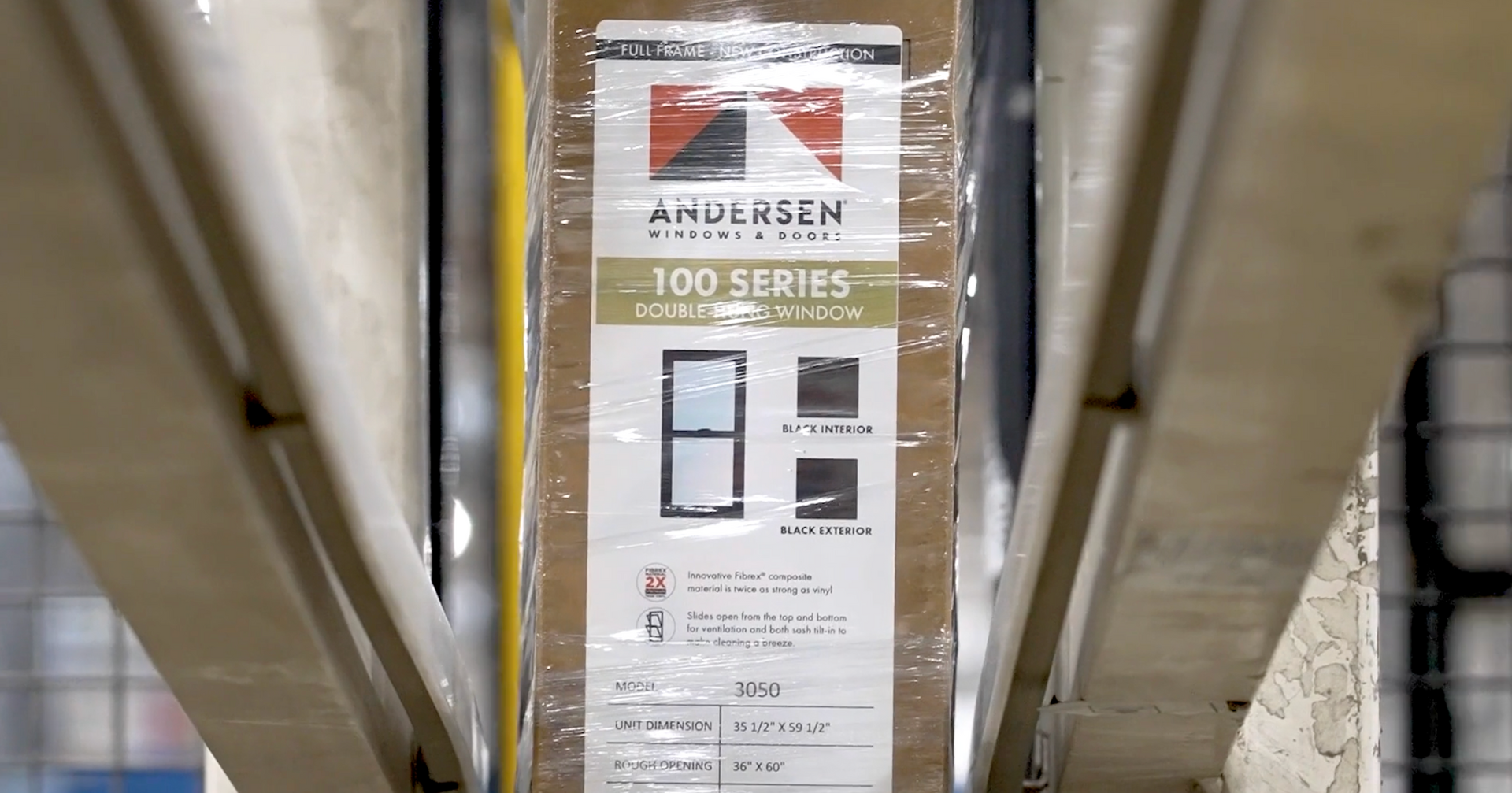
The U-Factor for Andersen 100 Series windows typically ranges from 0.20 to 0.30, depending on the specific window style and glass package selected. Windows equipped with SmartSun™ glass and HeatLock® technology offer the lowest U-Factors, providing maximum thermal resistance and superior energy efficiency for modern residential construction.
Understanding U-Factor and Its Importance in 2026
When evaluating windows for a new build or a renovation project in 2026, the U-Factor remains the most critical metric for thermal performance. Unlike R-value, which measures the resistance to heat flow (commonly used for insulation in walls and attics), the U-Factor measures the rate of heat loss. Specifically, it quantifies how well a window product prevents heat from escaping a home. The lower the U-Factor number, the better the window is at keeping heat inside during the winter and outside during the summer.
In the current regulatory landscape, building codes have become increasingly stringent. Residential energy standards now frequently demand U-Factors below 0.27 for Northern climates to meet Energy Star Version 8.0 requirements. For homeowners, understanding these decimals is the difference between a drafty living room and a high-performance envelope that significantly reduces monthly utility expenditures. The Andersen 100 Series, constructed from proprietary Fibrex® composite material, is specifically engineered to achieve these low ratings while maintaining structural integrity.
The Role of Fibrex® Material in Thermal Efficiency
The thermal performance of the Andersen 100 Series is rooted in its frame material. Fibrex® is a composite made of 40% reclaimed wood fiber and 60% thermoplastic polymer. From a U-Factor perspective, this material offers a distinct advantage over standard vinyl or aluminum frames.
Aluminum is a natural conductor, meaning it transfers heat rapidly, leading to high (poor) U-Factors unless complex thermal breaks are installed. Vinyl is a better insulator but can expand and contract significantly with temperature changes, potentially compromising the weatherstripping seals over time. Fibrex® combines the insulating properties of wood with the low-maintenance nature of vinyl. Because it is twice as stiff as vinyl, the frame profiles can be thinner while maintaining a tight seal. This stiffness ensures that the glass remains seated perfectly within the frame, preventing the "edge-of-glass" heat loss that often plagues cheaper window lines.
Detailed U-Factor Breakdown by Andersen 100 Series Style
Not all windows in the 100 Series line perform identically. The geometry of the window and the ratio of frame-to-glass significantly impact the final NFRC (National Fenestration Rating Council) rating.
Casement and Awning Windows
Casement and awning windows generally offer the best U-Factor ratings in the 100 Series lineup. Because the sash presses firmly against the frame when locked, these windows create an exceptionally tight seal. In 2026, a 100 Series Casement window with SmartSun™ glass and HeatLock® coating can achieve a U-Factor as low as 0.22. This makes them ideal for homeowners in cold Northern regions who prioritize airtightness.
Single-Hung Windows
Single-hung windows are a staple of the 100 Series. They feature a fixed top sash and a movable bottom sash. While highly efficient, the interlocking rail where the two sashes meet is a potential point for minor thermal transfer. Typically, these units see U-Factors ranging from 0.25 to 0.29 with standard Low-E4® glass. When upgraded to specialized glass coatings, they easily meet the requirements for most high-performance energy incentives.
Gliding (Sliding) Windows
Gliding windows operate on a track, which requires slightly different weatherstripping than a compression-sealed casement. Despite this, Andersen’s engineering keeps the 100 Series gliding window competitive, usually hovering around a 0.26 to 0.28 U-Factor. These are excellent choices for areas where a swinging sash would interfere with walkways or patios.
Picture and Fixed Windows
Because they do not open, picture windows have no moving parts or weatherstripping gaps. They typically offer the most consistent thermal performance across the center of the glass. However, because they often involve larger spans of glass, the choice of glazing is paramount. A 100 Series picture window with triple-pane-equivalent coatings can reach the 0.20 threshold, representing the peak of the series' insulating capability.
The Impact of Glass Options on U-Factor
The glass constitutes roughly 80% of a window's surface area, making it the primary factor in determining the overall U-Factor. Andersen offers several "Low-E" (low-emissivity) options for the 100 Series that utilize microscopic metallic layers to reflect heat.
- Low-E4® Glass: This is the standard energy-efficient glass. It is designed for climates where both heating and cooling costs are a concern. It reflects heat in the summer and retains it in the winter.
- SmartSun™ Glass: This is Andersen’s highest-performance glass for most applications. It blocks 95% of harmful UV rays while significantly lowering the U-Factor. It provides the benefits of tinted glass without the loss of visibility.
- HeatLock® Technology: This is a specialized coating applied to the room-side surface of the glass. It reflects heat back into the room that would otherwise escape. When added to SmartSun™ or Low-E4® glass, it can shave 0.02 to 0.04 off the U-Factor, often moving a window from "compliant" to "high-performance."
- Sun Glass: Primarily designed for Southern climates, this glass focuses more on the Solar Heat Gain Coefficient (SHGC). While it keeps the home cool, its U-Factor is generally optimized for preventing heat entry rather than just heat loss.
Comparative Performance Table: Andersen 100 Series
The following table outlines the estimated U-Factor and SHGC for various 100 Series configurations based on 2026 NFRC testing standards.
| Window Type | Glass Type | U-Factor | SHGC | Energy Star Zone |
|---|---|---|---|---|
| Casement | SmartSun w/ HeatLock | 0.22 | 0.24 | Northern / North-Central |
| Casement | Low-E4 Standard | 0.26 | 0.31 | North-Central |
| Single-Hung | SmartSun w/ HeatLock | 0.24 | 0.23 | Northern / North-Central |
| Single-Hung | Low-E4 Standard | 0.28 | 0.30 | North-Central / Southern |
| Gliding | SmartSun Standard | 0.27 | 0.25 | North-Central / Southern |
| Picture | SmartSun w/ HeatLock | 0.20 | 0.25 | Northern (Most Efficient) |
| Picture | Sun Glass | 0.26 | 0.11 | Southern (Cooling Focus) |
Note: Ratings may vary slightly based on window size and the presence of decorative grilles, which can marginally increase the U-Factor.
Energy Star 8.0 and Tax Credit Eligibility in 2026
As of 2026, the federal government and many local municipalities offer tax credits for windows that meet specific U-Factor thresholds. Under the current guidelines, most Andersen 100 Series windows equipped with SmartSun and HeatLock qualify for these incentives.
To verify eligibility, homeowners should look for the NFRC label on the glass of their new windows. This label provides the certified U-Factor, SHGC, and Visible Transmittance. For a window to be considered "Most Efficient" in 2026, it generally needs a U-Factor of ≤ 0.20, a mark the 100 Series can hit in fixed configurations. For standard operable units, a U-Factor of ≤ 0.25 is the typical benchmark for premium energy rebates.
Factors That Can Degrade Real-World U-Factor
While the laboratory-tested U-Factor is a reliable baseline, real-world performance depends on several external factors. It is important to distinguish between the "unit U-Factor" and the "installed performance."
Installation Precision
If a 100 Series window is not installed level, square, and plumb, the sash may not seat properly against the weatherstripping. Even a 1/16th-inch gap can allow air infiltration, which effectively bypasses the insulating properties of the Fibrex® frame and Low-E glass. Using high-quality closed-cell spray foam or backer rod and sealant around the perimeter is essential to maintain the assembly's thermal integrity.
Gas Fills (Argon)
Andersen 100 Series windows are standard with Argon gas blend fills between the panes. Argon is denser than air and reduces convective heat transfer within the insulated glass unit (IGU). Over decades, all gas-filled windows experience a very slow rate of leakage (usually less than 1% per year). Proper maintenance of the window seals ensures the Argon stays trapped, preserving the low U-Factor for the lifespan of the product.
Altitude Adjustments
For homes located at high altitudes (typically above 4,000 feet), capillary tubes may be installed in the window to equalize pressure. Historically, this allowed the Argon gas to escape, slightly increasing the U-Factor. However, by 2026, improved manufacturing techniques have minimized this impact, though it is still a factor to discuss with an authorized dealer if building in mountainous regions.
Cost vs. Value: Is a Lower U-Factor Worth the Investment?
Choosing the HeatLock® or SmartSun™ upgrades increases the initial purchase price of the 100 Series. However, the "payback period" is often shorter than many homeowners realize.
In a typical 2,000-square-foot home, upgrading from a standard 0.30 U-Factor window to a 0.24 U-Factor window can reduce annual heating and cooling costs by 10% to 15%. When combined with 2026 energy tax credits, the net cost of the upgrade often pays for itself within 5 to 7 years. Furthermore, windows with lower U-Factors increase the "Mean Radiant Temperature" of the interior glass surface. This means you can sit next to the window in the middle of winter without feeling a "cold draft," which is actually just your body heat radiating toward the cold glass.
How to Verify Your Andersen 100 Series Specs
If you are purchasing a home with 100 Series windows already installed or are reviewing a quote from a contractor, you can verify the technical specifications through the following steps:
- Check the Etching: Andersen glass typically has a small logo etched in the corner. This etching contains codes that identify the glass type (e.g., "SmartSun") and the date of manufacture.
- Locate the Serial Number: On 100 Series windows, look for a label on the head of the frame or the side of the sash. This serial number can be entered into the Andersen website or provided to a dealer to pull the exact "as-built" U-Factor for that specific unit.
- Review the NFRC Directory: The National Fenestration Rating Council maintains a public database where you can search for Andersen 100 Series products to see every possible U-Factor combination.
Frequently Asked Questions
Does the color of the 100 Series frame affect the U-Factor?
Generally, no. Whether you choose White, Sandtone, Terratone, or Black, the U-Factor remains consistent. However, darker exterior colors like Black or Dark Bronze will absorb more solar heat. While this doesn't change the U-Factor (heat loss), it can slightly increase the heat gain in the summer, which is reflected in the SHGC, not the U-Factor.
Is the Andersen 100 Series better than the 400 Series for U-Factor?
The 400 Series is a wood window with a vinyl clad, while the 100 Series is solid Fibrex®. In many configurations, the 100 Series actually performs as well as or better than the 400 Series in terms of U-Factor because the Fibrex® material is an excellent insulator and the frames are often thinner, allowing for more efficient glass packages relative to the frame size.
Can I get triple-pane glass in the 100 Series to lower the U-Factor?
As of 2026, the 100 Series is primarily a dual-pane system. However, the addition of HeatLock® technology allows these dual-pane units to achieve U-Factors (0.20–0.22) that are historically associated with triple-pane windows, without the added weight and thickness that triple-pane glass requires.
Why is my U-Factor higher on my window with grilles?
Grilles (or muntins) that are placed between the panes of glass can create a "thermal bridge." Even though they are small, they conduct heat slightly better than the Argon gas they replace. Permanent interior/exterior grilles also change the airflow over the glass surface. This typically results in a U-Factor increase of approximately 0.01 to 0.02.
How does U-Factor relate to condensation?
A lower U-Factor means the interior pane of glass stays warmer. Condensation occurs when warm, moist indoor air hits a cold surface. By choosing a 100 Series window with a lower U-Factor (and especially HeatLock coating), you significantly reduce the likelihood of interior condensation during the winter months.
Practical Recommendation
For homeowners in Northern and Central climates, the most cost-effective high-performance configuration for the Andersen 100 Series is the SmartSun glass with HeatLock technology. This setup provides the best balance of a low U-Factor (approx. 0.24) and high UV protection, ensuring compliance with 2026 energy standards and maximizing long-term savings. If you are building in a Southern climate, focus more on a low SHGC (0.20 or lower) while maintaining a respectable U-Factor of around 0.28 to keep the cooling energy from escaping. Always ensure your installer uses professional-grade flashing and foam to protect the thermal envelope you are investing in.