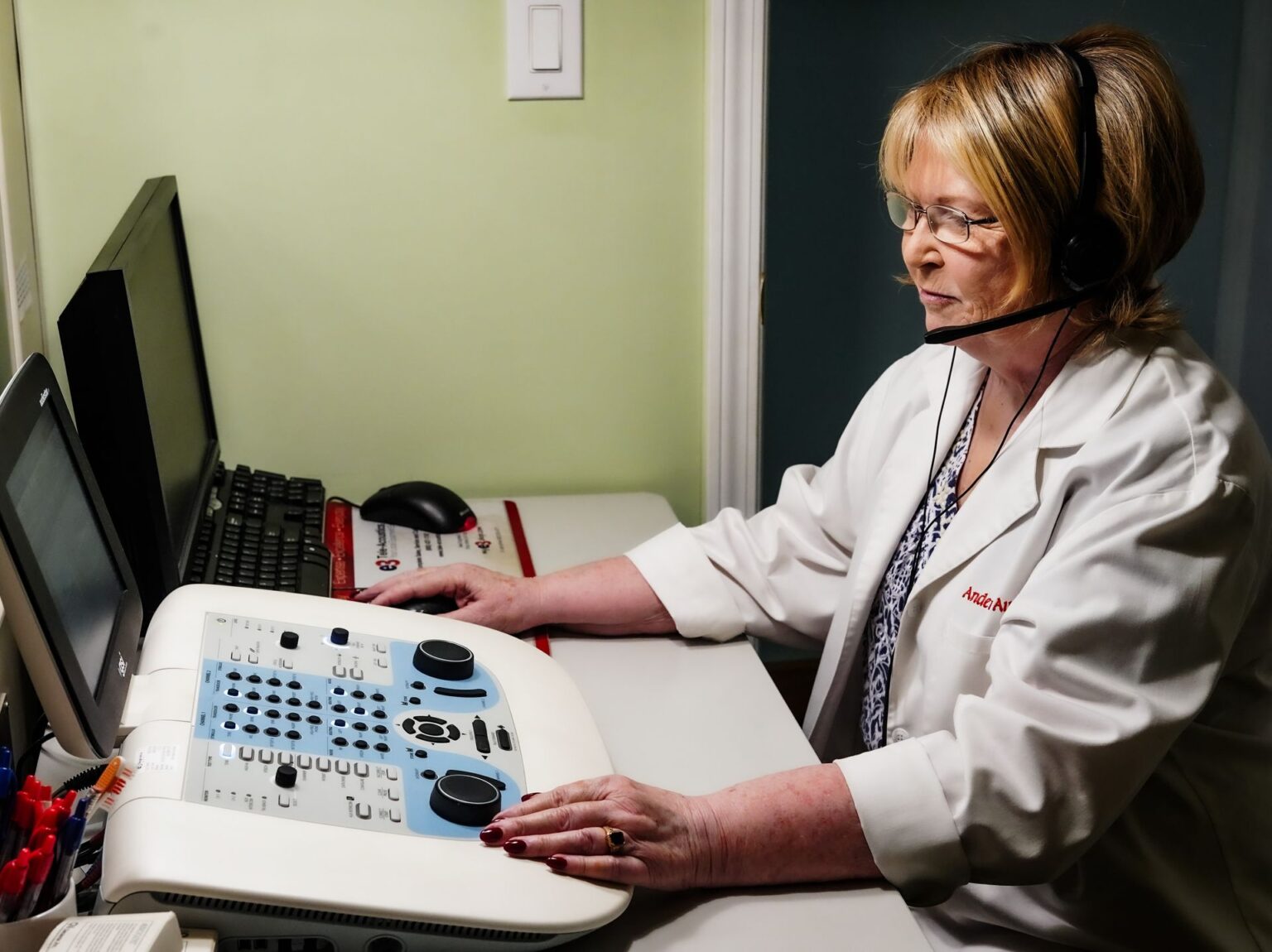
Anderson Audiology in Dublin, VA, provides a full spectrum of professional hearing health services, ranging from diagnostic hearing evaluations and tinnitus management to the precise fitting of advanced digital hearing aids. As of 2026, the clinic remains a primary resource for New River Valley residents seeking personalized, evidence-based solutions for auditory challenges and long-term hearing preservation.
The Importance of Local Audiological Expertise in 2026
Hearing health is increasingly recognized as a cornerstone of overall systemic wellness. In 2026, clinical research continues to reinforce the significant links between untreated hearing loss and cognitive decline, social isolation, and increased risks of falls. For residents of Dublin and the surrounding Pulaski County area, access to a specialized audiology clinic like Anderson Audiology means moving beyond basic retail hearing screenings and entering a comprehensive medical framework for auditory care.
Comprehensive hearing care is not merely about purchasing a device; it is a clinical process that begins with a deep understanding of an individual’s unique auditory profile. Anderson Audiology approaches patient care by analyzing the biological, environmental, and lifestyle factors that contribute to hearing difficulty. This localized expertise ensures that patients receive care tailored to the specific acoustic environments of Southwest Virginia, from quiet residential life to noisier occupational settings.
Diagnostic Hearing Evaluations: The Foundation of Care
The first step in any hearing health journey at Anderson Audiology is a diagnostic hearing evaluation. Unlike the quick "pass/fail" screenings often found at health fairs or big-box retailers, a diagnostic evaluation is an extensive battery of tests designed to identify the type, degree, and configuration of hearing loss.
Visual and Physical Inspection
The process typically begins with an otoscopic examination. Using a specialized light and magnifying tool, the audiologist inspects the ear canal and the tympanic membrane (eardrum). This step is crucial for identifying physical obstructions, such as impacted cerumen (earwax), or medical red flags, such as perforated eardrums or signs of infection, which may require a referral to an Otolaryngologist (ENT).
Middle Ear Analysis
Tympanometry and acoustic reflex testing are often performed to assess the health of the middle ear. By introducing a small amount of air pressure into the canal, the audiologist can determine how well the eardrum moves. This helps diagnose issues like fluid behind the eardrum or Eustachian tube dysfunction, which can cause temporary conductive hearing loss.
Pure Tone and Speech Audiometry
The core of the evaluation involves pure-tone testing in a sound-controlled booth. Patients listen for tones across various frequencies (pitches) and intensities (volumes). This identifies the softest sounds a person can hear, which are then plotted on an audiogram.
Speech audiometry is equally vital. It measures the "Speech Reception Threshold" (the lowest level at which a person can recognize words) and "Word Recognition Scores" (the ability to understand speech clearly when it is at a comfortable volume). In 2026, speech-in-noise testing has become a standard protocol at Anderson Audiology, as many patients struggle more with clarity in crowded environments than with simple volume.
Advanced Hearing Aid Technology and Selection
If the diagnostic evaluation reveals a permanent sensorineural hearing loss, the audiologists at Anderson Audiology guide patients through the complex landscape of hearing aid technology. By 2026, hearing aids have evolved into sophisticated "hearables" that integrate artificial intelligence (AI) to optimize sound in real-time.
Cutting-Edge Features in 2026
Modern hearing aids offered at the clinic are far more than amplifiers. They utilize AI to distinguish between meaningful speech and intrusive background noise, automatically adjusting the microphones to focus on the person speaking in front of the wearer. Key features available include:
- Bluetooth LE Audio and Auracast: These standards allow for seamless streaming from smartphones, televisions, and public venue broadcast systems directly into the hearing aids.
- Rechargeable Lithium-Ion Power: Most 2026 models provide 24+ hours of use on a single charge, eliminating the need for small, disposable batteries.
- Health Tracking Sensors: Many devices now include sensors to monitor steps, heart rate, and even detect falls, sending alerts to designated emergency contacts.
- Remote Programming: Using smartphone apps, patients can receive fine-tuning adjustments from their audiologist at Anderson Audiology without needing to drive to the Dublin office for every minor change.
Selecting the Right Style
The choice of a hearing aid depends on the user's manual dexterity, the severity of their hearing loss, and their aesthetic preferences. Anderson Audiology offers a range of form factors:
| Style | Best Suited For | Key Advantages |
|---|---|---|
| Receiver-in-Canal (RIC) | Mild to Profound Loss | Most popular style; discreet; natural sound quality; easy to repair. |
| Behind-the-Ear (BTE) | Severe to Profound Loss | Durable; houses larger batteries; high power output for significant needs. |
| In-the-Ear (ITE) | Mild to Severe Loss | Custom-molded to the ear shape; easy to insert for those with dexterity issues. |
| Completely-in-Canal (CIC) | Mild to Moderate Loss | Very discreet; fits deep in the canal; utilizes the ear's natural acoustics. |
The Fitting and Verification Process
Purchasing high-quality technology is only half the battle. The clinical success of a hearing aid is determined by the fitting and verification process. Anderson Audiology emphasizes Real Ear Measurement (REM), which remains the "gold standard" for hearing aid fitting in 2026.
During REM, a small probe microphone is placed in the ear canal alongside the hearing aid. The audiologist plays specific speech samples and measures exactly how the device is performing inside the patient's unique ear anatomy. This allows for precise calibration, ensuring that sounds are audible but never uncomfortably loud. Without REM, hearing aid fittings are essentially based on manufacturer "best guesses," which often lead to under-amplification or patient dissatisfaction.
Following the initial fitting, patients undergo a structured acclimatization period. The brain requires time to relearn how to process sounds it may not have heard for years. Anderson Audiology provides follow-up appointments to fine-tune the devices as the patient's neural pathways adapt to the new auditory input.
Tinnitus Management Solutions
Tinnitus, often described as a persistent ringing, buzzing, or hissing in the ears, affects a significant portion of the population in Dublin, VA. While there is no universal "cure" for tinnitus, Anderson Audiology provides comprehensive management strategies designed to reduce the "bothersomeness" of the sound.
The clinic utilizes a combination of Sound Therapy and educational counseling. Most modern hearing aids include built-in tinnitus maskers that produce "white noise" or fractal tones. These sounds help the brain habituate to the tinnitus, moving it from a foreground annoyance to a background sound that the brain can eventually ignore. For patients with tinnitus but no significant hearing loss, dedicated sound generators or wearable masking devices may be recommended.
Cerumen Management and Ear Hygiene
A common but often overlooked cause of hearing difficulty is the accumulation of cerumen, or earwax. When wax becomes impacted, it can cause muffled hearing, discomfort, and even feedback (whistling) in hearing aids.
Anderson Audiology provides professional earwax removal services. Using safe methods such as manual removal with specialized tools or gentle irrigation, the clinical staff can clear the ear canal without the risks associated with "home remedies" like cotton swabs or ear candles. Regular cerumen management is a vital part of maintenance for hearing aid users, as wax is a leading cause of device malfunction.
Longevity and Maintenance of Hearing Instruments
Hearing aids are significant investments and require consistent care to function optimally in the humid and variable climate of Virginia. Anderson Audiology offers comprehensive maintenance services to extend the life of these devices.
- Professional Clean and Check: Patients are encouraged to visit the clinic for periodic professional cleanings. Audiologists use vacuum pumps and specialized tools to remove debris from microphone ports and receivers that home cleaning cannot reach.
- In-Office Repairs: Many minor issues, such as broken wax guards, clogged earmold tubing, or battery door replacements, can be handled on-site in Dublin.
- Manufacturer Warranty Support: For more complex internal failures, the clinic coordinates repairs with the original equipment manufacturers, ensuring that devices are restored to factory specifications.
Financial Considerations and Insurance Navigation
Navigating the costs of hearing care is a major concern for many families. In 2026, insurance landscapes continue to evolve. Anderson Audiology works with various insurance providers to help patients maximize their benefits.
While traditional Medicare (Part B) typically covers diagnostic hearing tests when ordered by a physician, it does not generally cover the cost of the hearing aids themselves. However, many Medicare Advantage (Part C) plans and private employer-sponsored plans in 2026 offer hearing aid allowances or negotiated "third-party" pricing. The administrative staff at the clinic assists patients in verifying coverage, understanding co-pays, and exploring financing options such as CareCredit or specialized healthcare payment plans to make treatment more accessible.
Why Choose a Dublin, VA Audiologist?
The choice of a provider is as important as the choice of a device. By choosing Anderson Audiology in Dublin, patients benefit from:
- Continuity of Care: Developing a long-term relationship with a local audiologist ensures that your hearing history is documented and your care is consistent over years of treatment.
- Proximity for Adjustments: Hearing aids often require multiple fine-tuning sessions in the first few months. A local office makes these vital appointments convenient.
- Community Connection: A local provider understands the specific needs of the New River Valley community, whether that involves communicating in agricultural settings or attending performances at local theaters and churches.
Frequently Asked Questions
How often should I have my hearing tested?
As of 2026, the general recommendation for adults over age 50 is a baseline hearing test followed by a screening every two to three years, or immediately if you notice a sudden change in hearing. If you already have diagnosed hearing loss or wear hearing aids, annual evaluations are recommended to monitor for changes and ensure your devices are programmed correctly.
Will hearing aids make my hearing "normal" again?
Hearing aids are designed to improve communication and environmental awareness, but they do not "restore" hearing to a perfect biological state. They work by amplifying missing frequencies and using digital processing to clarify speech. With realistic expectations and proper professional fitting at a clinic like Anderson Audiology, most users experience a significant improvement in their quality of life and ability to engage in conversation.
Does Anderson Audiology treat pediatric patients?
While many audiology clinics specialize in adult and geriatric care, many also provide pediatric screenings and diagnostic services. It is recommended to contact the Dublin office directly to confirm their current age-specific service offerings and to ensure the appropriate diagnostic equipment is available for younger children or infants.
How long do modern hearing aids last?
With proper maintenance and regular professional servicing, most high-quality hearing aids in 2026 have a functional lifespan of five to seven years. Technological obsolescence often occurs before the device physically breaks, as newer AI features and connectivity standards (like future iterations of Bluetooth) may prompt users to upgrade every few years to maintain compatibility with new smartphones and public infrastructure.
Can I try hearing aids before I buy them?
Yes, most professional audiological protocols include a trial period. At Anderson Audiology, patients typically have a multi-week period to wear the devices in their own daily environments—at home, in restaurants, and at work—to ensure the technology meets their needs before the purchase is finalized.
Next Steps for Improving Your Hearing
If you or a loved one are experiencing difficulty following conversations, frequently asking others to repeat themselves, or turning up the volume on the television to levels that others find uncomfortable, the first step is a professional consultation. Comprehensive hearing care is a proactive measure that preserves cognitive health and maintains social connections.
To begin the process, contact Anderson Audiology in Dublin, VA, to schedule a diagnostic evaluation. Bringing a "communication partner"—a spouse, family member, or close friend—to the appointment is often encouraged, as they can provide valuable insights into your hearing challenges and help you process the information provided during the consultation.