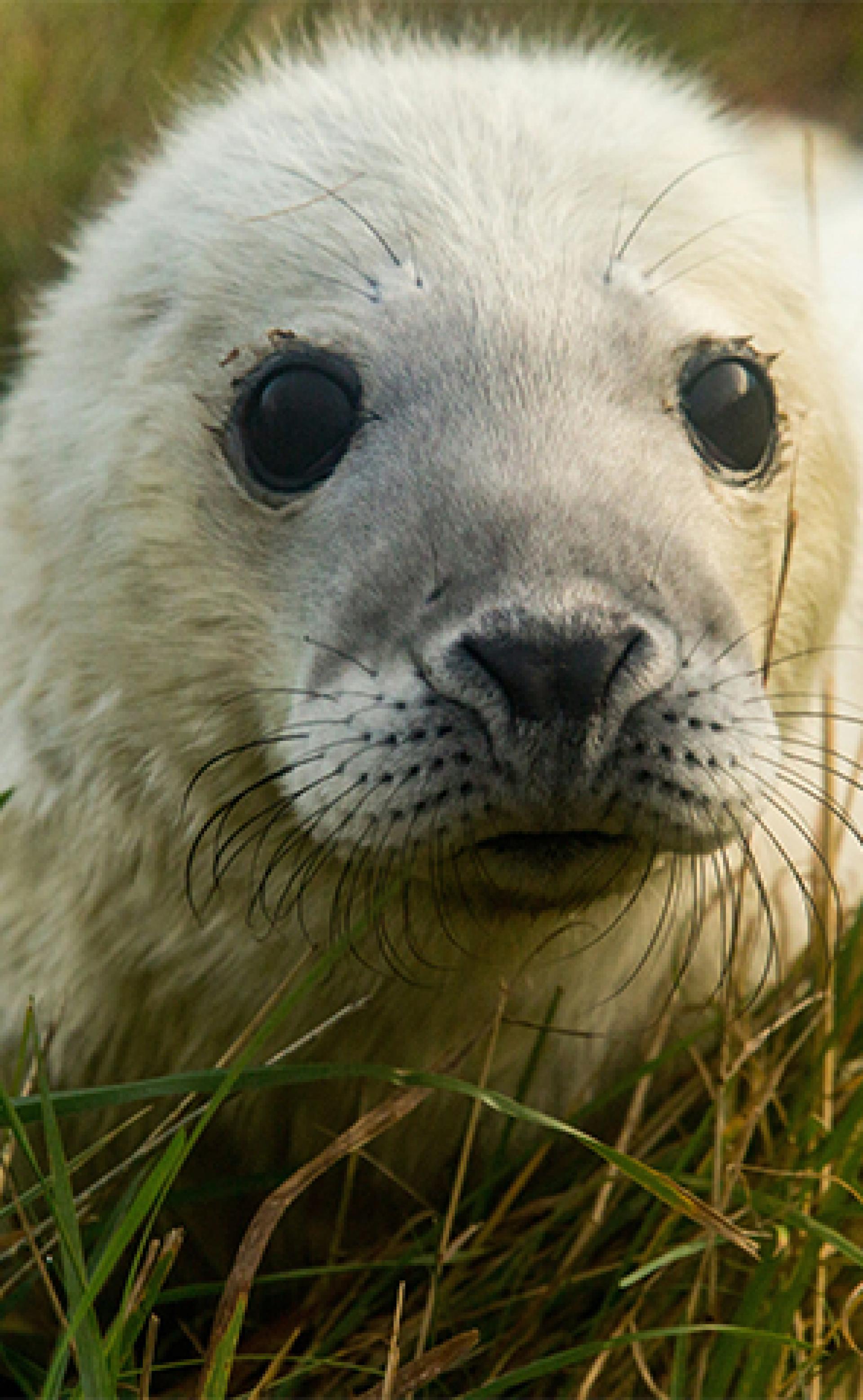
Seals are semi-aquatic marine mammals belonging to the family Phocidae, characterized by their lack of external ear flaps and inability to rotate their hind flippers forward. Found in diverse environments ranging from polar ice caps to tropical beaches, these "true seals" are essential predators that maintain the balance of global marine ecosystems through complex foraging and migratory behaviors.
Understanding the Phocidae: Defining the True Seal
In the world of marine biology, the term "seal" is often used broadly to describe all pinnipeds, a group that includes sea lions and walruses. However, to understand seals in the wild, one must distinguish the Phocidae (true seals) from the Otariidae (eared seals, such as sea lions and fur seals). As of 2026, scientific consensus continues to emphasize the distinct evolutionary path of phocids, which are more highly adapted to a fully aquatic lifestyle than their eared counterparts.
True seals lack external ear pinnae; they have small openings on the sides of their heads that lead to the ear canal. This streamlined profile reduces drag while swimming. Furthermore, their hind flippers are fixed backward. While this makes them exceptionally powerful swimmers, using a side-to-side motion of the lower body to propel themselves, it makes movement on land cumbersome. On a beach or ice floe, a true seal must "galumph"—a caterpillar-like undulation of the body—to move.
The evolutionary history of seals dates back roughly 20 to 25 million years, originating from bear-like or otter-like ancestors. Today, there are 18 recognized species of true seals. These species have colonized every major ocean, and one species, the Baikal seal, resides exclusively in the freshwater of Lake Baikal in Siberia.
Physical Adaptations for Extreme Environments
Seals are masters of thermoregulation and pressure management. To survive in the wild, especially in the frigid waters of the Arctic and Antarctic, they rely on a thick layer of blubber. This vascularized fat layer serves three primary purposes: insulation against the cold, a streamlined body shape for hydrodynamic efficiency, and an energy reserve during periods of fasting, such as during the molting or breeding seasons.
The Power of Vibrissae
One of the most fascinating technical aspects of seal anatomy is their vibrissae, or whiskers. In the wild, seals often hunt in dark or murky waters where vision is limited. Their whiskers are highly sensitive to hydrodynamic changes in the water column. A seal can detect the wake left by a swimming fish several minutes after the prey has passed by, allowing them to track food with surgical precision. Each whisker follicle is packed with hundreds of nerve endings, making them far more sensitive than the facial hair of terrestrial mammals.
Diving Physiology
Seals are among the most accomplished divers in the animal kingdom. The Northern Elephant Seal, for instance, can dive to depths exceeding 1,500 meters (approx. 5,000 feet) and remain submerged for over an hour. They achieve this through several physiological adaptations:
- Bradycardia: The ability to dramatically slow the heart rate to conserve oxygen.
- Peripheral Vasoconstriction: Diverting blood flow away from non-essential organs and limbs to prioritize the brain and heart.
- Myoglobin Storage: Seals have exceptionally high concentrations of myoglobin in their muscles, which stores oxygen locally, allowing them to function even when blood oxygen levels are low.
Global Distribution and Diverse Habitats
While many people associate seals with ice, they occupy a startling array of habitats. The distribution of seals in the wild is primarily dictated by the availability of food and "haul-out" sites—places where they can leave the water to rest, breed, and molt.
Polar Specialists
Species like the Weddell seal and the Crabeater seal are found exclusively in the Antarctic. The Weddell seal is known for its ability to maintain breathing holes in the ice by using its teeth to scrape away new frozen layers. In the Arctic, the Ringed seal is a fundamental part of the ecosystem, serving as the primary prey for polar bears. These seals rely on stable sea ice to create subnivean (under-the-snow) lairs for their pups.
Temperate and Tropical Residents
The Harbor seal and Grey seal are common sights along the temperate coastlines of the North Atlantic and Pacific. They are often found in estuaries, sandy beaches, and rocky outcrops. More surprisingly, the Mediterranean and Hawaiian Monk seals represent the tropical branch of the family. These seals are among the rarest in the world, having adapted to warm waters and coral reef ecosystems. As of 2026, the Hawaiian Monk Seal remains a focus of intensive conservation due to its limited habitat and small population size.
Diet and Foraging Strategies
Seals are generalist carnivores, but their specific diets vary significantly by species and location. Most seals consume a variety of fish, cephalopods (squid and octopus), and crustaceans.
The Leopard seal is perhaps the most specialized and formidable hunter of the group. Living in the Antarctic, it is the only seal that regularly feeds on other warm-blooded animals, including other seal species and penguins. Interestingly, Leopard seals also possess specialized molars that allow them to filter krill from the water, making them both apex predators and opportunistic filter feeders.
In contrast, the Crabeater seal—which, despite its name, rarely eats crabs—specializes almost entirely on Antarctic krill. Their teeth are uniquely shaped with multiple lobes that act as a sieve, allowing them to gulp water and trap the tiny crustaceans. This specialization has made the Crabeater seal one of the most numerous large mammals on Earth.
Comparative Overview of Common Seal Species
The following table compares key metrics for some of the most prominent seal species found in the wild.
| Species | Average Length (Adult) | Max Weight | Primary Habitat | Conservation Status (IUCN) |
|---|---|---|---|---|
| Harbor Seal | 1.5 – 1.9 meters | 150 kg | Coastal North Hemisphere | Least Concern |
| Northern Elephant Seal | 3.0 – 5.0 meters | 2,300 kg | Eastern Pacific Ocean | Least Concern |
| Leopard Seal | 2.4 – 3.5 meters | 600 kg | Antarctic Pack Ice | Least Concern |
| Hawaiian Monk Seal | 2.1 – 2.4 meters | 270 kg | Tropical Pacific Islands | Endangered |
| Grey Seal | 2.5 – 3.3 meters | 310 kg | North Atlantic Coasts | Least Concern |
| Baikal Seal | 1.1 – 1.4 meters | 130 kg | Freshwater Lake Baikal | Least Concern |
Reproduction and the Lifecycle of a Seal
The lifecycle of a seal is a balance between the safety of land (or ice) and the resources of the sea. Most seal species are "income breeders" or "fasting breeders."
Pupping and Nursing
Female seals typically give birth to a single pup annually. In many species, such as the Hooded seal, the nursing period is incredibly short. Hooded seal pups nurse for only four days, during which they double their birth weight thanks to milk that is approximately 60% fat. This rapid growth is a survival mechanism to ensure the pup can swim and survive on its own before the unstable pack ice breaks up.
Molting
Once a year, all seals undergo a process called a catastrophic molt. Unlike most mammals that lose hair gradually, seals lose their entire coat and the top layer of their skin simultaneously. During this time, they must remain hauled out on land or ice because the blood flow to the skin required for hair growth would result in too much heat loss in the water. This is a period of vulnerability where seals are often seen huddled together, looking lethargic and "scruffy."
Conservation Status and Threats in 2026
As we observe the state of wildlife in 2026, seals face a mix of traditional and emerging threats. While commercial sealing (hunting for fur and oil) has been largely banned or strictly regulated globally since the late 20th century, other factors remain critical.
Climate Change and Habitat Loss
For ice-dependent species like the Ringed seal and the Harp seal, the loss of polar sea ice is the most significant threat. Without stable ice, pups may be forced into the water before they are physically ready, leading to high mortality rates. In temperate regions, rising sea levels threaten to submerge the traditional haul-out sites used for resting and pupping.
Human Interaction and Pollution
Plastic pollution, particularly discarded fishing gear (ghost nets), leads to thousands of seal entanglements each year. Furthermore, chemical pollutants like PCBs (polychlorinated biphenyls) accumulate in seal blubber through a process called biomagnification. Because seals are apex predators, they ingest the accumulated toxins of every fish they eat, which can lead to suppressed immune systems and reproductive failure.
Noise Pollution
The increase in shipping traffic and underwater construction (such as offshore wind farms or oil exploration) has introduced significant acoustic pollution into the marine environment. Since seals rely on sound for navigation and potentially for locating prey, high levels of anthropogenic noise can disrupt their natural behaviors and cause physiological stress.
Frequently Asked Questions
What is the difference between a seal and a sea lion?
The primary differences are anatomical. Sea lions (eared seals) have external ear flaps and can rotate their hind flippers forward to "walk" on land. True seals (phocids) have no ear flaps and must crawl or wiggle on land. Additionally, sea lions use their large front flippers for swimming, while true seals use their rear flippers.
How long do seals live in the wild?
Lifespan varies by species, but most wild seals live between 20 and 30 years. Grey seals have been known to live up to 35 or 40 years in some cases. Females generally live longer than males, partly due to the physical toll and injuries sustained by males during aggressive breeding season battles.
Do seals drink water?
Most seals do not drink water in the traditional sense. They obtain the hydration they need from the fish and invertebrates they consume. Some ice-dwelling species may occasionally eat snow, but generally, their metabolism is adapted to extract water from their food and through the breakdown of their fat (blubber) stores.
Are seals dangerous to humans?
Seals are generally wary of humans and will flee if approached. However, they are powerful wild animals with sharp teeth. Large species like the Leopard seal or male Elephant seals can be aggressive if they feel cornered or during the breeding season. It is essential to maintain a distance of at least 50 meters (150 feet) to ensure the safety of both the human and the animal.
Why do seals "slap" the water or themselves?
This behavior, often called "flipper slapping," can serve multiple purposes. It may be a form of communication to warn other seals of a predator, a territorial display to ward off rivals, or a way to knock loose skin off during the molting process. In some contexts, it may also be used to stun small fish near the surface.
Practical Advice for Responsible Wildlife Observation
If you are planning to observe seals in the wild, whether in the United Kingdom, the California coast, or the fjords of Norway, following ethical guidelines is paramount for conservation.
- Use Binoculars: Always observe from a distance. If a seal notices you and changes its behavior (e.g., stops resting, looks at you repeatedly, or starts moving toward the water), you are too close.
- Keep Pets on Leash: Dogs are a major source of stress for hauled-out seals and can transmit diseases or cause physical injury to pups.
- Avoid Crowding: If a seal is on a public beach, do not surround it. Ensure it has a clear, unobstructed path back to the water.
- Report Distressed Animals: If you find a seal that appears injured, entangled, or abandoned (especially a pup), do not touch it. Contact local wildlife authorities or specialized organizations like the Marine Mammal Center for assistance.
By respecting their space and supporting conservation efforts aimed at protecting marine habitats, we can ensure that these remarkable mammals continue to thrive in the wild for generations to come.