The American Funds Short-Term Bond Fund is a fixed-income mutual fund managed by Capital Group designed to provide current income while prioritizing capital preservation and liquidity. By investing primarily in investment-grade bonds with short-term maturities, the fund offers a middle ground for investors who require higher yields than money market funds but lower volatility than intermediate-term bond portfolios.
Understanding the Fund Objective and Strategy
The primary objective of the American Funds Short-Term Bond Fund is to provide a level of current income consistent with the preservation of capital. In the financial landscape of 2026, this objective remains a cornerstone for conservative investors, retirees, and institutional entities looking to park "dry powder" or reduce overall portfolio beta.
Unlike aggressive fixed-income strategies that might chase yield by moving down the credit ladder into "junk" bonds, this fund focuses on high-quality debt. The management team seeks to achieve its goal by investing in a diversified portfolio of bonds, including U.S. government securities, corporate bonds, and mortgage-backed securities.
The Capital System Management Style
One of the defining features of this fund is the "Capital System." Capital Group, the parent company of American Funds, utilizes a multi-manager approach. Instead of a single "star" manager making all decisions, the fund's assets are divided among several portfolio managers. Each manager handles a slice of the portfolio independently within the fund’s overall mandate.
This structure is designed to:
- Reduce Individual Bias: No single manager's error in judgment can derail the entire fund.
- Enhance Research Depth: Each manager draws from a global pool of analysts who specialize in specific sectors like sovereigns, financials, or industrials.
- Smooth Performance: Different managers may have slightly different styles (e.g., one focusing on macro trends, another on individual credit selection), which can lead to more consistent returns over time.
Portfolio Composition and Asset Allocation
The American Funds Short-Term Bond Fund typically maintains a dollar-weighted average effective maturity of three years or less. This duration constraint is the primary mechanism for controlling interest rate risk.
Credit Quality Standards
The fund predominantly invests in investment-grade securities. Under normal market conditions, at least 80% of its assets are invested in bonds rated Baa3/BBB- or higher by major credit rating agencies. In practice, the fund often holds a significant portion of its assets in "A" rated and "AAA" rated securities, including U.S. Treasuries.
In the current 2026 economic environment, the allocation often looks like this:
- U.S. Government Obligations: Treasuries and agency bonds provide the highest liquidity and safety.
- Corporate Bonds: Diversified across sectors like banking, technology, and energy to capture credit spreads over Treasuries.
- Mortgage-Backed and Asset-Backed Securities: These provide structural diversification and can offer attractive risk-adjusted yields compared to plain-vanilla corporate debt.
Geographic Diversification
While the fund is primarily U.S.-focused, it has the flexibility to invest in non-U.S. dollar-denominated bonds. However, for a short-term bond fund, currency risk is often hedged or kept to a minimum to ensure that the "preservation of capital" objective isn't undermined by volatile foreign exchange movements.
Risk Profile and Duration Management
Every investment involves risk, and the American Funds Short-Term Bond Fund is no exception. However, its risks are categorized differently than those of equity funds or long-term bond funds.
Interest Rate Risk (Duration)
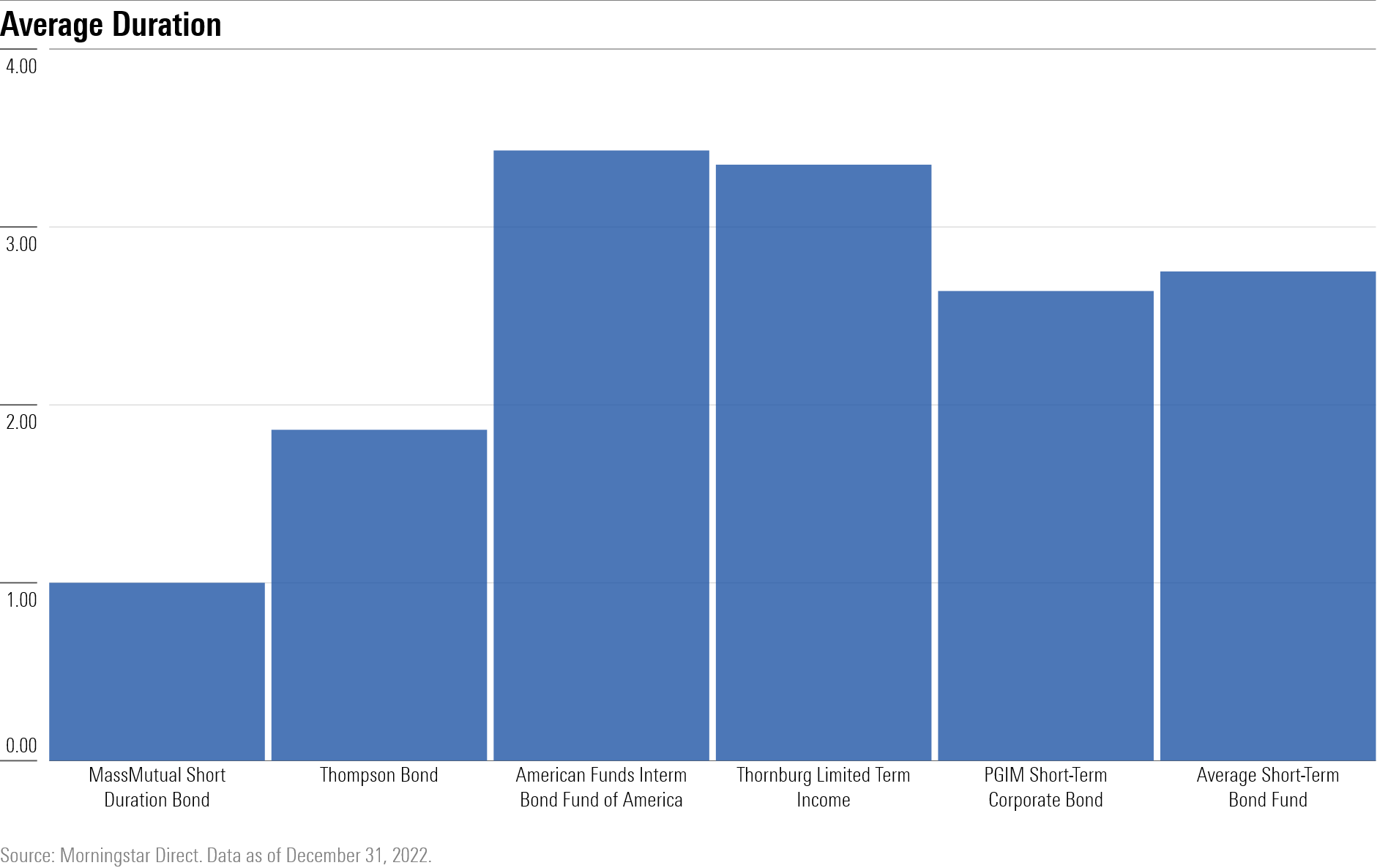
Duration is a measure of a bond fund's sensitivity to changes in interest rates. As of 2026, the fund's effective duration typically fluctuates between 1.5 and 2.5 years.
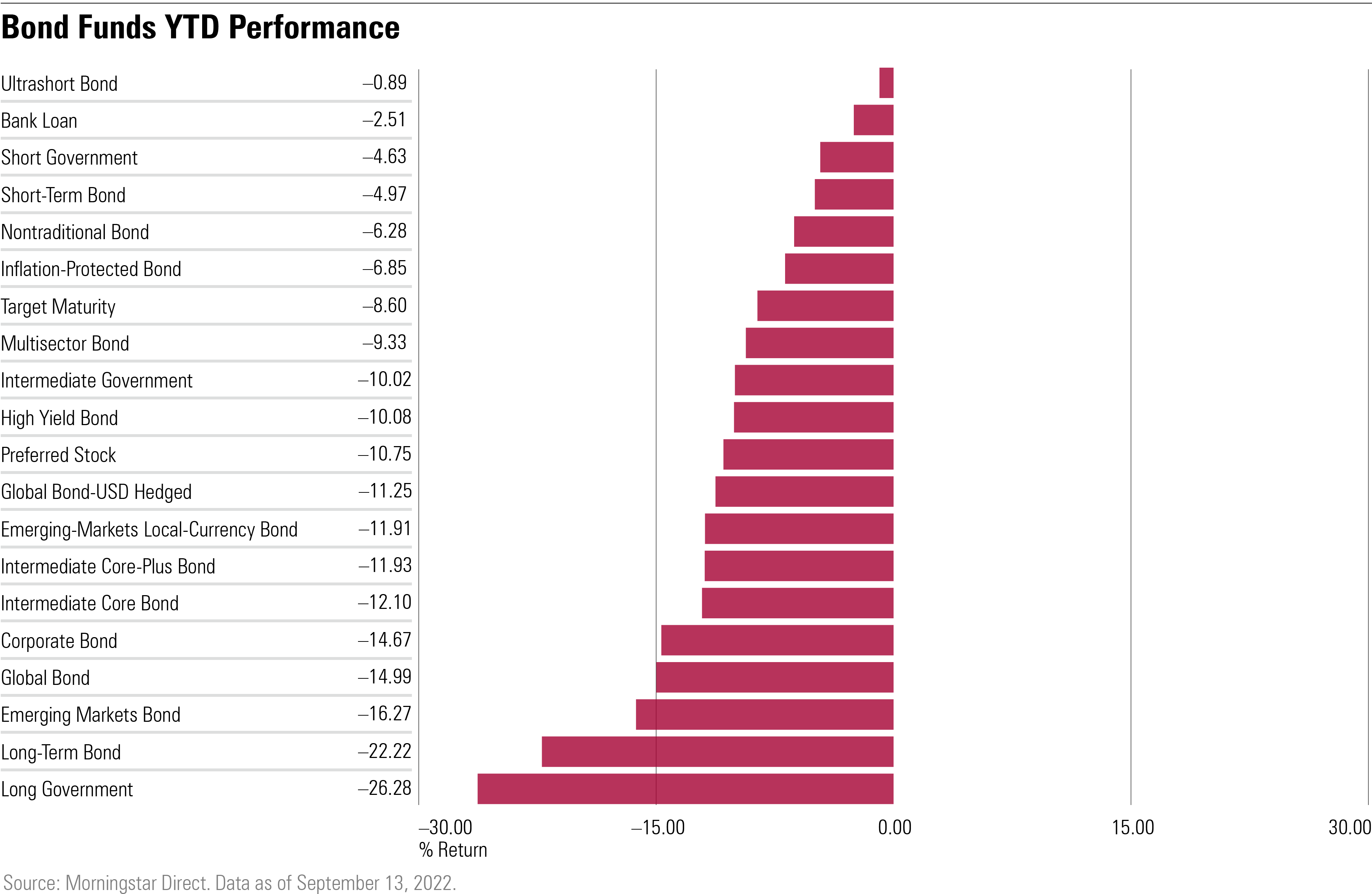
The Mathematical Impact: If interest rates rise by 1%, a fund with a duration of 2.0 would be expected to lose approximately 2% of its net asset value (NAV). Conversely, if rates fall, the NAV would rise. Because this fund's duration is low, it is significantly less sensitive to the Federal Reserve's rate hikes than the Bloomberg US Aggregate Bond Index, which often has a duration of 6 years or more.
Credit Risk and Default Probability
Credit risk is the possibility that a bond issuer will fail to make interest or principal payments. Because the fund focuses on investment-grade issuers, the historical default rate is very low. However, during periods of economic stress, the "spread" between corporate bonds and Treasuries can widen, causing the price of corporate bonds to drop even if they don't default. The fund's multi-manager approach aims to mitigate this by performing deep fundamental research on every corporate issuer.
Share Classes and Expense Ratios
American Funds is known for offering a wide variety of share classes tailored to different types of investors and fee structures. Choosing the right share class is critical, as high expenses can significantly eat into the modest returns of a short-term bond fund.
| Share Class | Ticker | Load Type | 12b-1 Fee | Typical Use Case |
|---|---|---|---|---|
| Class A | ASBAX | Front-end Load | 0.25% | Commission-based advisors |
| Class C | ASBCX | Level Load | 1.00% | Short-term holdings (< 3 years) |
| Class F-1 | ASBFX | No Load | 0.25% | Fee-based advisory accounts |
| Class F-2 | ASBGX | No Load | None | Most efficient for direct investors |
| Class R-6 | RSBXF | No Load | None | Retirement plans (401k) |
Note: Expense ratios and loads are subject to change; investors should consult the latest American Funds Prospectus for current data.
The "F-2" Advantage
For investors looking for the lowest cost without being part of a large institutional retirement plan, the Class F-2 (ASBGX) is often the most attractive. It lacks both the front-end sales charge of Class A and the high ongoing 12b-1 fees of Class C. In a low-yield environment, saving 0.50% to 1.00% in annual fees can be the difference between a positive and negative real return.
Performance Comparison: ASBAX vs. Competitors
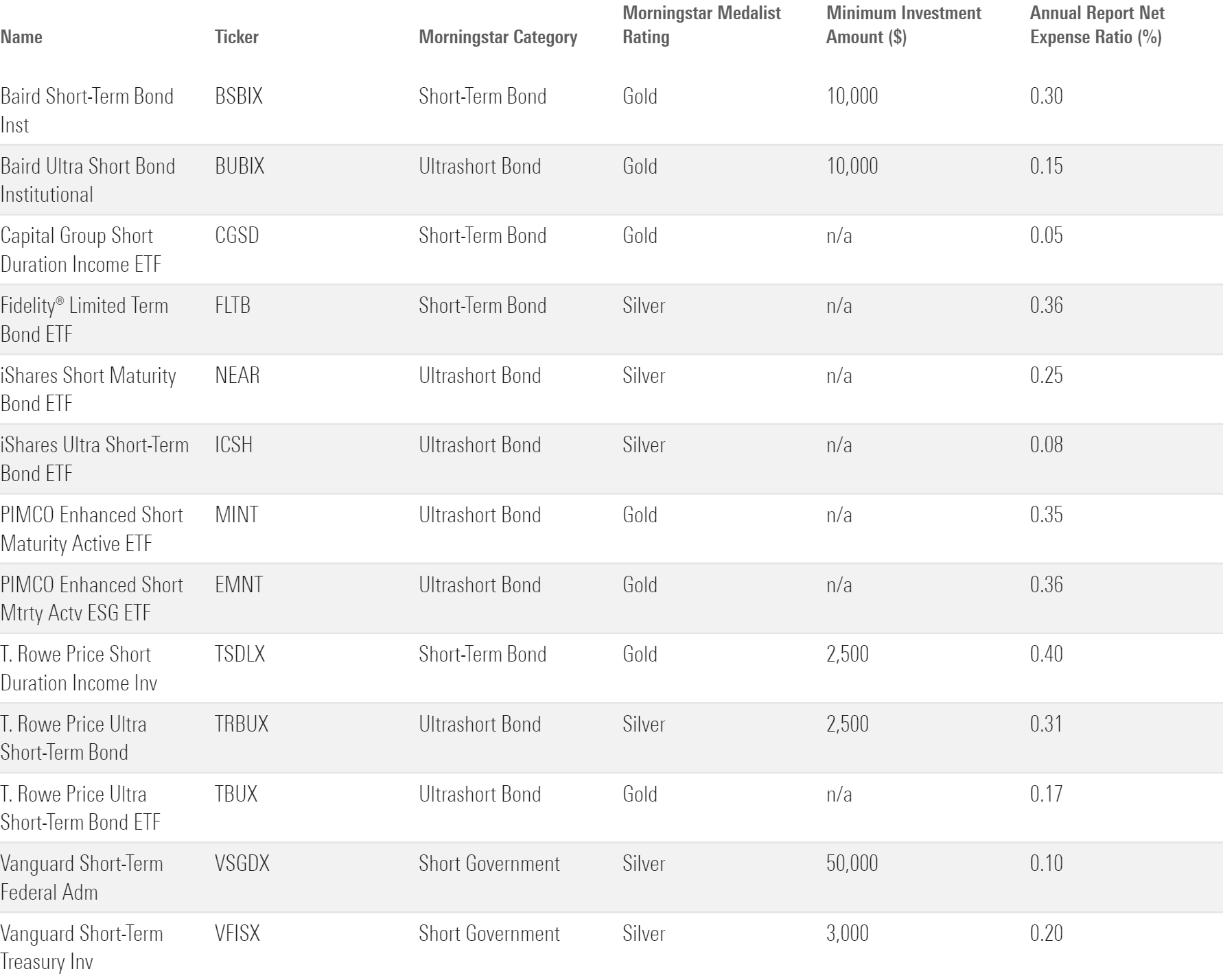
To evaluate whether the American Funds Short-Term Bond Fund is right for your portfolio, it is helpful to compare it against industry benchmarks and low-cost passive alternatives like the Vanguard Short-Term Bond ETF (BSV).
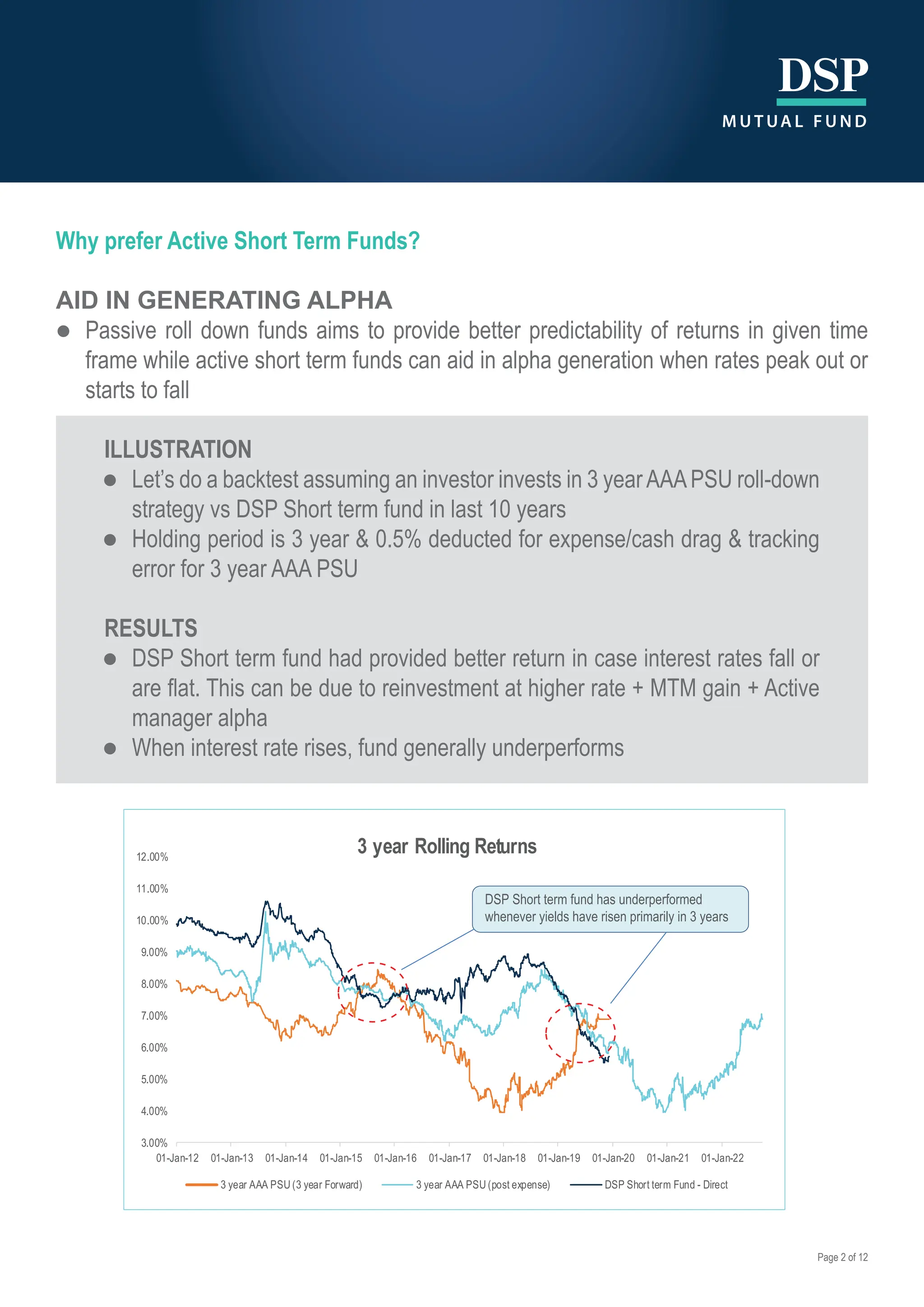
Historically, the American Funds offering has sought to outperform through active management—specifically through sector rotation and individual bond selection. While passive funds offer lower expenses, active managers in the short-term space argue they can avoid over-leveraged companies and navigate liquidity traps that indices might ignore.
Income vs. Total Return
Investors often confuse "yield" with "total return."
- SEC Yield: This is a standardized calculation based on the income generated over the last 30 days. It is the best way to compare the "income-producing" power of two funds.
- Total Return: This includes both the income (dividends) and any change in the price of the fund's shares (NAV).
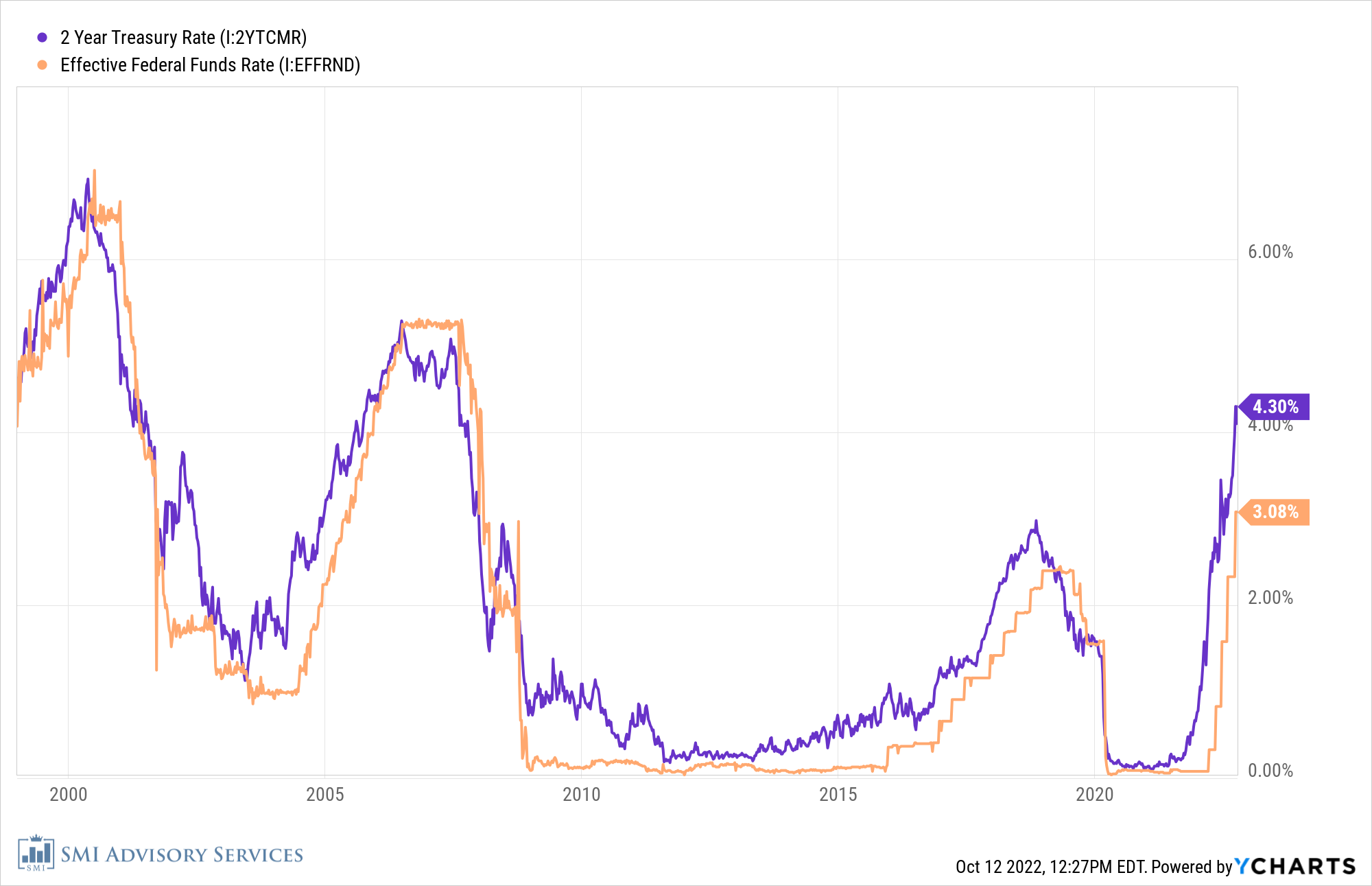
In a year where interest rates are falling, the total return will likely exceed the SEC yield. In a year where rates are rising, the total return may be lower than the SEC yield, or even negative.
Tax Considerations and Dividend Frequency
The American Funds Short-Term Bond Fund typically pays dividends monthly. This makes it a popular choice for investors who use their investment accounts to supplement their monthly income.
Tax Treatment
Most of the income generated by the fund is taxable as ordinary income at the federal level. If the fund holds corporate bonds, that income is also generally taxable at the state level. For investors in high tax brackets, this fund is often best held within a tax-advantaged account like a Traditional or Roth IRA.
If held in a taxable brokerage account, the "tax drag" can be significant. In such cases, investors might compare the "after-tax yield" of this fund to a municipal short-term bond fund, which offers federal tax-exempt interest.
Who Should Consider This Fund?
The American Funds Short-Term Bond Fund is not a "get rich" investment. It is a functional tool used for specific portfolio roles:
- Risk Mitigation: If you have a portfolio heavily weighted toward stocks, adding a short-term bond fund can lower your overall volatility. When the stock market experiences a correction, high-quality short-term bonds often remain stable or even appreciate slightly as investors seek safety.
- Short-Term Goals: If you need your money in 2 to 4 years (e.g., for a house down payment or a child’s tuition), a money market fund might pay too little, but a stock fund is too risky. A short-term bond fund is often the "Goldilocks" solution.
- Core Fixed Income for Conservative Portfolios: For retirees who cannot afford a 20% drawdown in their bond sleeve, this fund's focus on duration management and credit quality provides a level of psychological and financial security.
Common Pitfalls and Implementation Errors
Despite its conservative nature, investors can still make mistakes when utilizing this fund.
Overestimating Liquidity
While you can sell shares of the fund any business day, mutual fund trades settle on a T+1 basis. This is not the same as a checking account. Furthermore, if you sell during a market panic when interest rates have spiked, you may realize a small capital loss. It is not a "guaranteed" principal vehicle like a CD or an FDIC-insured savings account.
Ignoring the Share Class
As noted in the table above, the Class C shares (ASBCX) carry a 1.00% 12b-1 fee. If the total yield of the bond market is only 3-4%, giving away 1% to the fund company is a massive performance drag. Investors should always verify they are in the lowest-cost share class for which they are eligible.
Using it as a Money Market Substitute
During periods where the yield curve is "inverted" (short-term rates are higher than long-term rates), investors might be tempted to move all their cash into short-term bond funds. However, if the Fed suddenly cuts rates, the NAV of the short-term bond fund will rise, but the reinvestment rate for its monthly dividends will fall. Understanding the difference between "cash" and "short-term bonds" is vital for liquidity planning.
Frequently Asked Questions
Does the American Funds Short-Term Bond Fund have a sales charge?
It depends on the share class. Class A shares typically have a front-end sales charge (load) that can be as high as 2.50% for smaller investments, though this is often waived for large purchases or fee-based accounts. Class F-2 and F-3 shares do not have sales charges.
How often are dividends paid?
The fund typically declares and pays dividends on a monthly basis. Capital gains, if any, are usually distributed once a year in December.
Is this fund safer than an intermediate-term bond fund?
Generally, yes, in terms of interest rate risk. Because the "duration" is shorter, the fund's price will fluctuate less when interest rates change. However, it will also likely offer a lower yield than an intermediate-term fund during a "normal" upward-sloping yield curve environment.
Can I lose money in ASBAX?
Yes. Unlike a bank account, the Net Asset Value (NAV) of the fund fluctuates daily. If interest rates rise sharply or the credit quality of the underlying bonds deteriorates, the value of your investment can decrease. However, the losses are typically much smaller than those seen in equity or long-term bond markets.
What is the minimum investment?
For most American Funds, the initial investment minimum is $250 for IRAs or accounts with an automatic investment plan, and $1,000 for standard individual accounts. Some institutional share classes have much higher minimums.
Strategic Recommendation
In the 2026 market, the American Funds Short-Term Bond Fund remains a reliable "Tier 2" liquidity tool. It should not replace your emergency savings (Tier 1), but it serves as an excellent repository for funds needed within a 2- to 5-year window.
To maximize the effectiveness of this investment:
- Audit your share class: Ensure you are in F-2 or R-6 shares to minimize expenses.
- Monitor the Fed: While the fund is "short-term," it is still reactive to Federal Reserve policy.
- Reinvest dividends: Unless you need the monthly income, reinvesting dividends allows for the compounding of interest, which is the primary driver of returns in fixed-income investing.
If you are looking for a conservative way to outpace inflation without the stomach-churning volatility of the stock market, this fund provides a disciplined, multi-manager approach to high-quality debt that has stood the test of time.