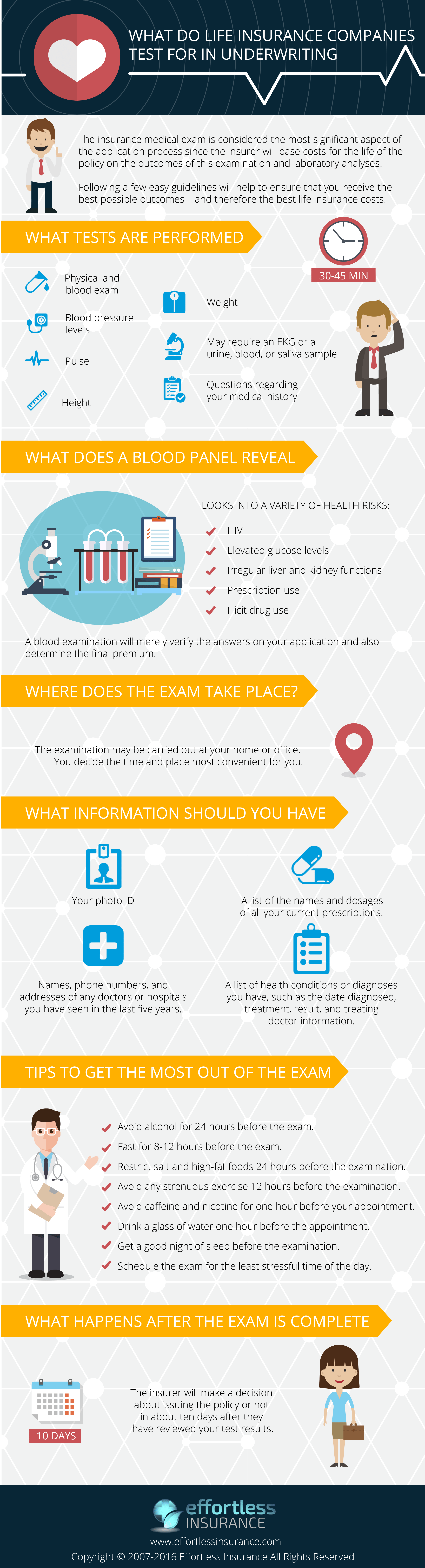
The blood test required for an AIG (now Corebridge Financial) life insurance policy is a critical component of the medical underwriting process. It allows the insurance company to verify the health information provided on your application and screen for underlying conditions such as diabetes, high cholesterol, liver disease, and nicotine use. By analyzing specific biomarkers, the insurer assigns you a "health class," which directly determines your monthly premium costs.
In the landscape of 2026, many life insurance consumers still associate legacy policies with American International Group (AIG). However, it is essential to note that AIG’s life and retirement division has completed its transition to Corebridge Financial. While the branding has evolved, the rigorous medical underwriting standards—including the comprehensive blood panel—remain a cornerstone of their permanent and term life insurance products.
Understanding the "why" and "how" of these blood tests can help you navigate the application process more effectively and potentially secure more favorable rates.
The Role of Blood Testing in Life Insurance Underwriting
Underwriting is the process by which an insurance company evaluates the risk of insuring a specific individual. For a company like Corebridge (formerly AIG), the goal is to determine the likelihood that a policyholder will pass away during the policy term. Since insurance is fundamentally a game of mathematical probability, the company requires objective data to support its calculations.
A blood test provides a biological snapshot that a written questionnaire cannot offer. While an applicant might unintentionally forget to mention a history of high glucose or might be unaware of a burgeoning kidney issue, the blood panel provides undeniable data. This data is used to place you into a specific health bracket:
- Preferred Plus: Excellent health, no tobacco use, ideal lab results.
- Preferred: Great health with minor issues (e.g., controlled blood pressure).
- Standard Plus: Better than average but with some minor flags.
- Standard: Average health and life expectancy.
- Substandard (Table Ratings): Higher risk due to chronic conditions or poor lab results.
What Does the AIG/Corebridge Blood Test Screen For?
The blood draw is usually performed during a "paramedical exam," where a licensed technician visits your home or office. The sample is sent to a laboratory—often ExamOne or APPS—where it undergoes a comprehensive screening. The following are the primary areas of focus:
Lipid Profile (Cholesterol and Triglycerides)
Insurers are highly interested in your cardiovascular health. The test measures Total Cholesterol, LDL (the "bad" cholesterol), HDL (the "good" cholesterol), and Triglycerides. Rather than just looking at the total number, underwriters focus on the Total Cholesterol/HDL Ratio. A lower ratio suggests a lower risk of heart disease, which is essential for qualifying for "Preferred Plus" rates.
Blood Sugar and Diabetes Screening
This is perhaps the most significant part of the test. The lab measures fasting glucose levels and, more importantly, Hemoglobin A1C. While glucose shows your sugar levels at the moment of the draw, the A1C test shows an average of your blood sugar over the past two to three months. This prevents applicants from "gaming" the test by eating healthy for just 24 hours before the exam.
Liver and Kidney Function
Elevated liver enzymes (such as ALT, AST, and GGT) can indicate a variety of issues, ranging from fatty liver disease to excessive alcohol consumption or hepatitis. Similarly, Creatinine and Blood Urea Nitrogen (BUN) levels are used to assess kidney filtration. If these markers are outside the normal range, the insurer may request further medical records from your primary care physician.
Nicotine and Drug Screening
Even if you apply for "Non-Tobacco" rates, the lab will test for Cotinine, a byproduct of nicotine. This can detect cigarettes, vaping, cigars, and even nicotine gum or patches. If cotinine is found, you will be moved to a tobacco rating, which can triple your premiums. The panel also screens for illicit substances and certain prescription medications to ensure they align with the medical history you disclosed.
Infectious Diseases
Standard protocols include screening for HIV, Hepatitis B, and Hepatitis C. In 2026, these remain standard requirements for most fully underwritten policies due to the long-term impact these conditions can have on mortality risk.
The Paramedical Exam Process
The blood test is not a standalone event; it is part of a 20-to-30-minute appointment known as the paramedical exam. Here is how the process typically unfolds:
- Scheduling: Once your application is submitted, a third-party medical firm will contact you to schedule the appointment. You can choose the time and location (usually your home).
- Health History: The examiner will verify the answers you gave on your application regarding your family history, surgeries, and medications.
- Physical Measurements: The examiner will record your height, weight, blood pressure, and pulse. For large face-amount policies (e.g., over $1 million), an EKG may also be required.
- The Draw: A small amount of blood is drawn, and a urine sample is collected. The urine sample is used to double-check for drug use, nicotine, and signs of kidney stress (proteinuria).
How to Prepare for the Blood Test to Ensure Accurate Results
Your behavior in the 24 to 48 hours leading up to the test can significantly impact your results. While you cannot "cure" a chronic condition overnight, you can prevent "false flags" that might lead to a higher premium.
- Fasting is Mandatory: You should fast for at least 12 hours before the blood draw. Consuming food or sugary drinks before the test can spike your glucose and triglycerides, making you appear as a higher risk for diabetes or heart disease.
- Hydrate Well: Drink plenty of water. Being well-hydrated makes it easier for the technician to find a vein, reducing the likelihood of a painful or unsuccessful draw. It also helps clear your system of excess salt and toxins.
- Avoid Strenuous Exercise: Do not engage in heavy weightlifting or intense cardio for 24 hours before the exam. Intense exercise can cause a temporary spike in protein levels in your urine and can elevate liver enzymes, which might be misinterpreted as organ stress.
- Limit Caffeine and Alcohol: Avoid alcohol for at least 48 hours. Alcohol can dehydrate you and temporarily elevate liver enzymes. Similarly, avoid coffee or energy drinks on the morning of the exam, as caffeine can raise your blood pressure and heart rate.
- Sleep: A good night's rest helps stabilize your blood pressure and heart rate.
Comparison of Key Blood Markers and Underwriting Impact
| Marker | Ideal Range (Preferred Plus) | Why the Insurer Cares |
|---|---|---|
| Cholesterol Ratio | Under 4.5 | Predicts risk of stroke and heart attack. |
| Hemoglobin A1C | Under 5.7% | Identifies pre-diabetes and managed/unmanaged diabetes. |
| Creatinine | 0.7 to 1.3 mg/dL | Indicates how well the kidneys are filtering waste. |
| Cotinine | Negative | Determines if the applicant gets Tobacco or Non-Tobacco rates. |
| AST / ALT | 10 to 40 U/L | Screens for liver damage, hepatitis, or alcohol abuse. |
| Glucose (Fasting) | 70 to 99 mg/dL | Measures immediate blood sugar levels. |
What Happens After the Test?
Once the lab processes your results, they are sent to the Corebridge (AIG) underwriting department. This typically takes 7 to 14 days.
If your results are within the expected ranges for the health class you applied for, the policy moves toward approval. If the results show abnormalities, the underwriter may "postpone" the application (waiting for more data) or "rate" the policy (offering it at a higher price).
In many jurisdictions, you have a legal right to see your lab results. You can usually access these through the portal of the medical exam company (like ExamOne). It is highly recommended that you review these results and share them with your primary care physician, as insurance blood panels are often more comprehensive than standard annual physical labs and can catch early warning signs of health issues.
Accelerated Underwriting: Life Insurance Without Blood Tests
By 2026, Corebridge and other major insurers have expanded their "Accelerated Underwriting" programs. For applicants who are younger (typically under age 50 or 60) and applying for moderate coverage amounts (often up to $1 million or $2 million), the company may waive the blood test requirement entirely.
Instead of a blood draw, the insurer uses "Big Data." They run your name through:
- MIB (Medical Information Bureau): A database of previous insurance applications.
- Prescription Data Bases: To see what medications you have been prescribed.
- Motor Vehicle Records: To check for DUIs or reckless driving.
- Digital Health Records: If you have opted into digital sharing with your doctors.
If your data profile is clean, you can be approved in minutes or days without ever seeing a needle. However, if any "red flags" appear in your digital records, the insurer will revert to traditional underwriting and require the full blood test.
Frequently Asked Questions
Can I refuse the blood test for an AIG/Corebridge policy?
You can refuse the test, but it will likely result in a denial of your application for fully underwritten term or permanent life insurance. If you are needle-phobic or wish to avoid a medical exam, you should specifically apply for "No-Exam" or "Guaranteed Issue" policies. Be aware that these policies often have lower coverage limits and higher premiums per dollar of coverage.
Will the blood test detect marijuana use?
Yes, the drug screen typically includes THC. While Corebridge has become more lenient regarding marijuana use compared to previous decades, the frequency of use (recreational vs. medicinal) will determine your health class. Some users may still qualify for non-tobacco rates, while others may be classified as smokers depending on the delivery method (smoking vs. edibles) and frequency.
What if my blood pressure is high because I’m nervous (White Coat Syndrome)?
Underwriters are familiar with "White Coat Syndrome." If your blood pressure is high during the exam, you should mention this to the examiner. They will often take three separate readings to see if the pressure drops as you relax. If the blood test results (which show long-term health) are excellent, underwriters are often willing to be more flexible with a one-time high blood pressure reading.
How long do the blood test results stay on my record?
The results are stored by the insurance company and are often shared with the MIB (Medical Information Bureau). This means that if you apply for life insurance with a different company later, they may have access to the fact that you had certain lab results (like high glucose) during your AIG/Corebridge application. These records generally influence underwriting for up to seven years.
Can a "false positive" happen?
While rare, false positives can occur, particularly with infectious disease screenings or drug tests. If you believe your results are inaccurate, you can request a "re-draw" or provide records from your own physician that contradict the findings. Insurers are usually willing to review additional evidence if it comes from a reputable medical source.
Practical Recommendations
If you are preparing for an AIG/Corebridge life insurance blood test, the best strategy is transparency and preparation. Start by scheduling your exam for the early morning so that your 12-hour fast occurs mostly while you are asleep. In the week leading up to the exam, focus on a "clean" diet—low in sodium and processed sugars—to ensure your blood pressure and glucose levels are at their natural baseline.
Finally, always request a copy of your lab report. Even if you are not approved for the policy at the rate you wanted, the data provided in a life insurance blood panel is a valuable tool for your personal health management. If a marker like your A1C is higher than expected, it serves as an early intervention point that could save you significantly more than just insurance premiums in the long run.