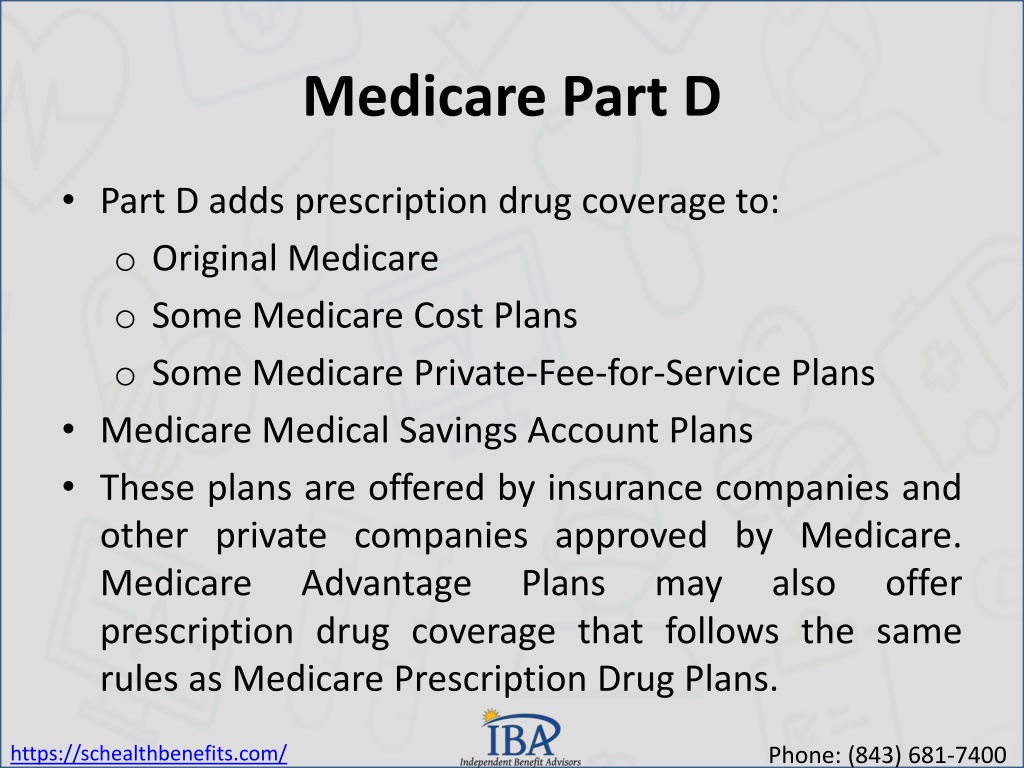
Aetna Medicare Part D plans, primarily branded under the SilverScript name, provide standalone prescription drug coverage for individuals enrolled in Original Medicare. In 2026, these plans feature a mandatory $2,000 out-of-pocket maximum and tiered formularies designed to lower costs through preferred pharmacy networks, including CVS Pharmacy and many local independent locations.
As we navigate the 2026 plan year, understanding Aetna Medicare Part D (PDP) plans requires a look at how these policies have evolved under recent federal legislation. For beneficiaries, Aetna offers a structured range of options—from low-premium plans for those with few prescriptions to comprehensive coverage for those managing chronic conditions. Because Aetna is a CVS Health company, their plans are deeply integrated with one of the nation’s largest pharmacy networks, often providing significant savings for those who use "preferred" pharmacies.
The 2026 Medicare Part D Landscape and Aetna’s Role
In 2026, the Medicare Part D landscape remains transformed by the full implementation of the Inflation Reduction Act (IRA). The most significant change for Aetna policyholders is the continuation of the $2,000 annual out-of-pocket cap on covered prescription drugs. This means once a beneficiary spends $2,000 on their medications within the calendar year, they pay $0 for covered drugs for the remainder of that year.
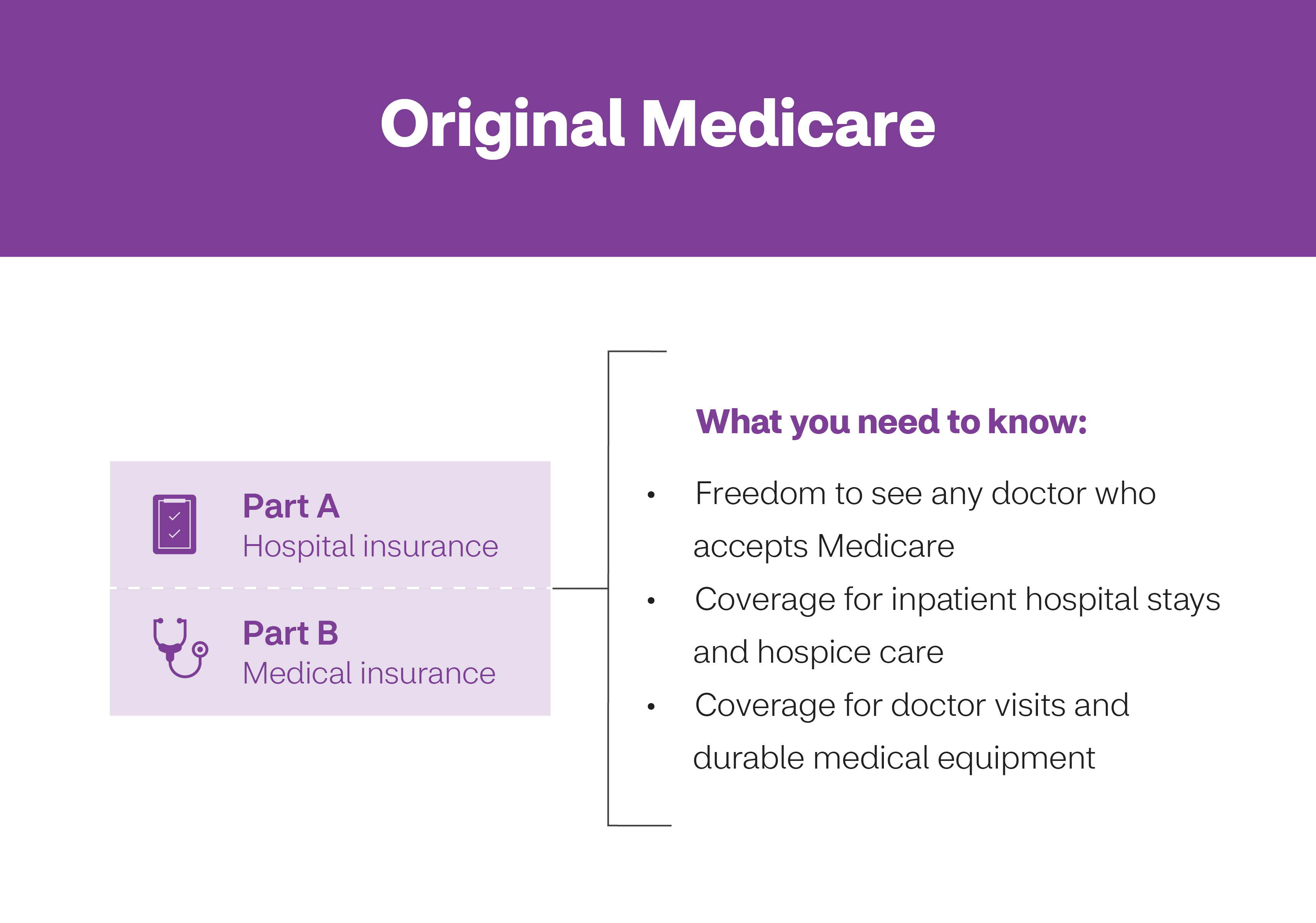
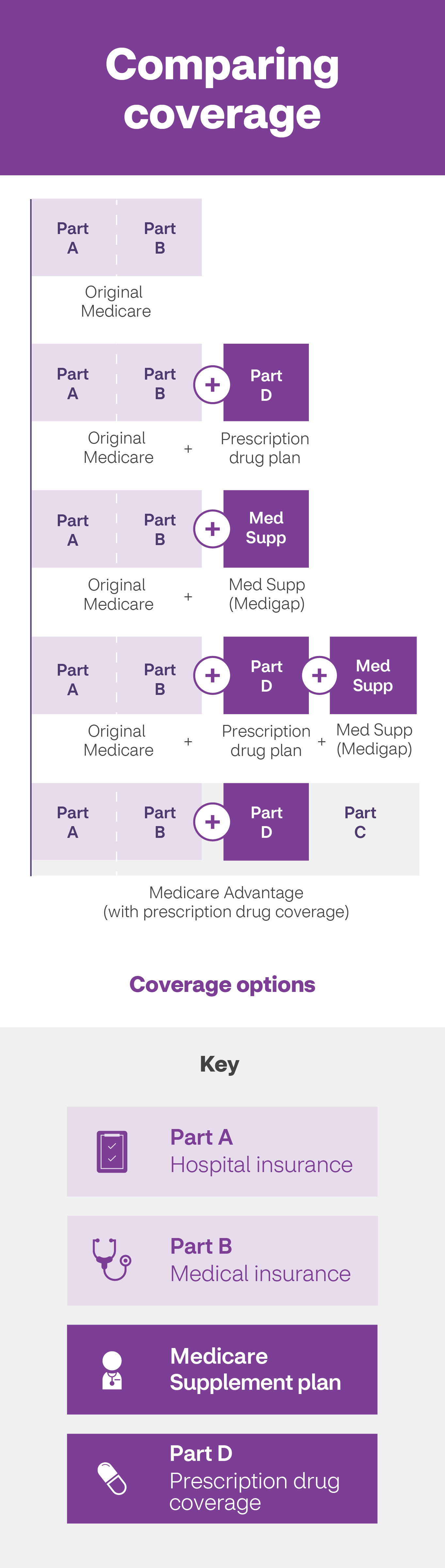
Aetna, through its SilverScript insurance subsidiaries, remains one of the largest providers of these standalone plans. Their offerings are designed to complement Original Medicare (Part A and Part B), which typically does not cover outpatient prescription drugs. By 2026, the traditional "donut hole" or coverage gap has been officially eliminated, replaced by a streamlined three-phase structure: the Deductible Phase, the Initial Coverage Phase, and the Catastrophic Phase (where costs are capped).
Understanding the Three Primary Aetna SilverScript Plans
Aetna generally categorizes its Part D offerings into three distinct tiers to meet different budget and health needs. While specific plan names and availability can vary by state or ZIP code, the following three structures represent the core of the 2026 SilverScript lineup.
1. SilverScript SmartSaver (PDP)
This is typically Aetna’s lowest-premium option. It is specifically designed for "just in case" coverage—ideal for beneficiaries who currently take very few or no maintenance medications but want to avoid the late enrollment penalty.
- Target Audience: Healthy individuals seeking the lowest monthly cost.
- Key Features: Low monthly premiums and competitive copays for Tier 1 and Tier 2 generics at preferred pharmacies.
- Potential Trade-offs: Usually features a higher annual deductible (often the CMS maximum) and higher coinsurance for specialty or brand-name drugs.
2. SilverScript Choice (PDP)
The Choice plan is the "middle ground" option, balanced for those who take a few regular medications. It provides more comprehensive coverage than the SmartSaver while maintaining a moderate premium.
- Target Audience: Individuals with a standard list of generic and some brand-name maintenance drugs.
- Key Features: Broad formulary coverage and stable copay structures. In many regions, this plan is a popular choice for those who qualify for "Extra Help" (Low-Income Subsidy).
- Pharmacy Access: Wide network access with significant savings at CVS and other preferred providers.
3. SilverScript Plus (PDP)
The Plus plan is the most robust offering in the Aetna Part D portfolio. It is designed for individuals with high prescription drug costs who want to minimize their out-of-pocket expenses early in the year.
- Target Audience: Beneficiaries who take multiple brand-name drugs or high-cost specialty medications.
- Key Features: Some versions of this plan offer $0 or reduced deductibles for certain drug tiers, meaning coverage kicks in immediately.
- The Advantage: While it has the highest monthly premium, it offers the most predictable costs for Tier 1 and Tier 2 drugs, often including coverage for some medications that other plans might exclude.
2026 Comparison of Aetna SilverScript Plan Types
| Feature | SilverScript SmartSaver | SilverScript Choice | SilverScript Plus |
|---|---|---|---|
| Primary Goal | Lowest Premium | Balanced Value | Lowest Out-of-Pocket |
| Monthly Premium | Lowest | Moderate | Highest |
| Deductible | Usually the full CMS max | Varies (often mid-range) | Often $0 for Tiers 1-2 |
| Preferred Pharmacies | CVS, Select others | CVS, Many retailers | CVS, Widest preferred list |
| Out-of-Pocket Cap | $2,000 (2026 Limit) | $2,000 (2026 Limit) | $2,000 (2026 Limit) |
| Best For | "Just in case" coverage | Most beneficiaries | High drug utilization |
The Medicare Prescription Payment Plan (M3P)
New for 2026 is the full integration of the Medicare Prescription Payment Plan, often referred to as "smoothing." Every Aetna Part D plan participant has the option to opt into this program.
Instead of paying a large sum at the pharmacy counter (for example, if a high-cost drug is filled in January), the program allows the beneficiary to spread those out-of-pocket costs into monthly installments throughout the year. This does not change the total amount you pay, but it manages cash flow, ensuring you don't hit the $2,000 cap all at once in a single month. Aetna provides an online calculator for 2026 to help members decide if "smoothing" is right for their specific medication costs.
How the Aetna Formulary and Tiers Work
A formulary is the list of drugs covered by a plan. Aetna uses a tiered system to determine how much you pay. In 2026, these tiers generally follow this structure:
- Tier 1 (Preferred Generic): The lowest-cost drugs, typically common generics.
- Tier 2 (Generic): Slightly higher-cost generics.
- Tier 3 (Preferred Brand): Brand-name drugs that Aetna has negotiated better rates for.
- Tier 4 (Non-Preferred Drug): Higher-cost brands and non-preferred generics.
- Tier 5 (Specialty Tier): The most expensive medications, often used to treat complex conditions like cancer or MS.
When reviewing Aetna plans, it is vital to check the Aetna/SilverScript Formulary to ensure your specific medications are listed and to see which tier they fall under. A drug that is Tier 2 on the Choice plan might be Tier 3 on the SmartSaver plan.
The Importance of Pharmacy Networks
Aetna Part D plans utilize a Pharmacy Network, which is a group of pharmacies that have agreed to provide drugs to plan members at negotiated rates. In 2026, the distinction between "Preferred" and "Standard" pharmacies remains critical for cost-saving.
- Preferred Pharmacies: As a CVS Health company, CVS Pharmacy locations are almost always "preferred" in Aetna plans. Many grocery store pharmacies and independent local pharmacies also participate in this network. Using these locations results in the lowest possible copays.
- Standard Pharmacies: You can still use these pharmacies, but your out-of-pocket costs (copays or coinsurance) will likely be higher.
- Mail Order: Aetna encourages the use of CVS Caremark Mail Service Pharmacy for 90-day supplies, which often costs less than three 30-day fills at a retail location.
Eligibility and Enrollment Periods
To enroll in an Aetna Medicare Part D plan, you must be entitled to Medicare Part A and/or enrolled in Medicare Part B. You must also live in the plan's service area. Enrollment is restricted to specific timeframes:
- Initial Enrollment Period (IEP): The seven-month window when you first become eligible for Medicare.
- Annual Enrollment Period (AEP): Every year from October 15 to December 7. Changes made during this time take effect on January 1. This is the time to review if your 2025 Aetna plan is still the best fit for 2026.
- Special Enrollment Period (SEP): Triggered by life events, such as moving out of your plan’s service area, losing employer coverage, or qualifying for Extra Help.
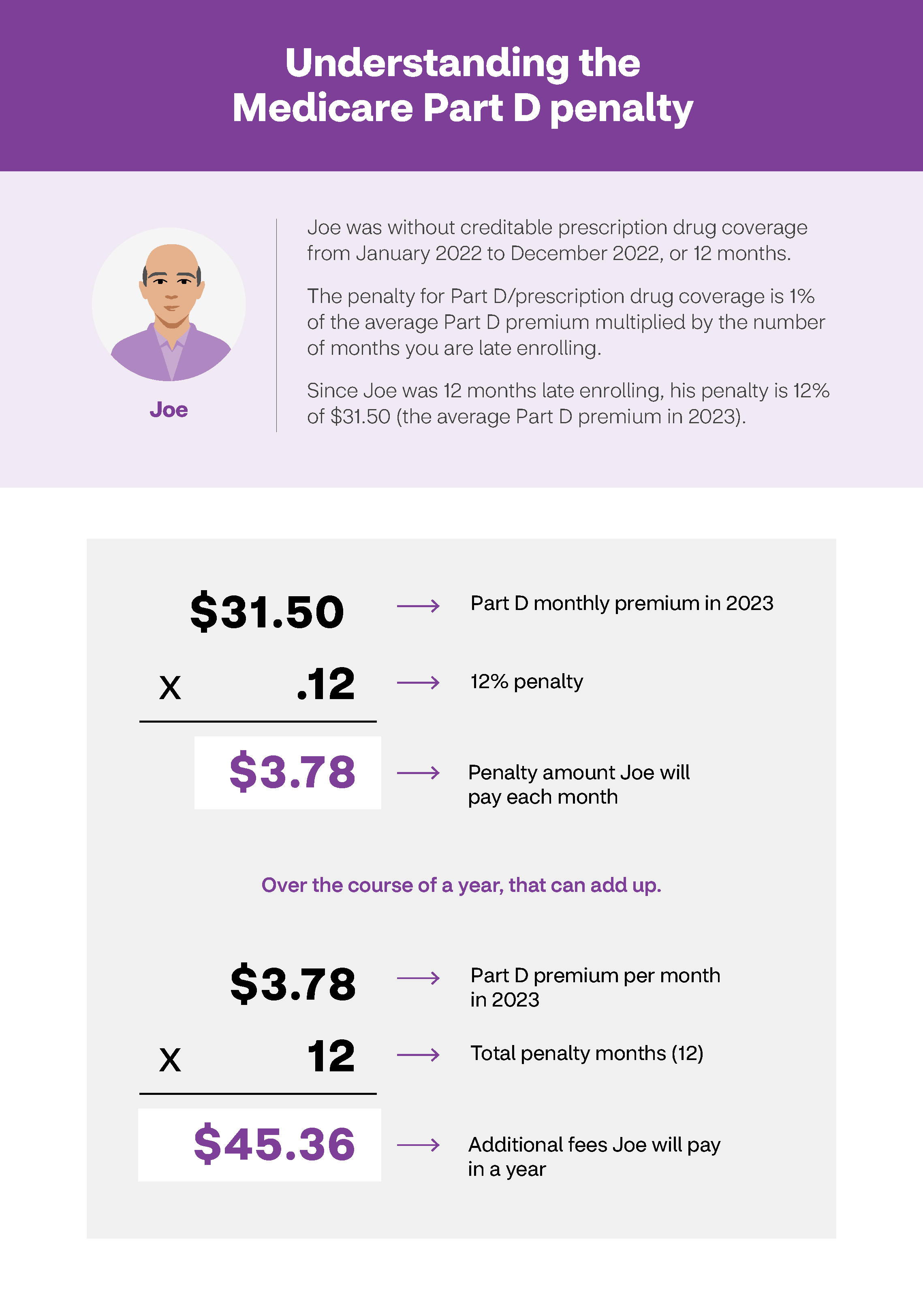
According to Medicare.gov, failing to enroll in a Part D plan when first eligible (and not having "creditable" coverage from another source) can result in a permanent late enrollment penalty. Aetna’s low-premium SmartSaver plan is a common strategy to avoid this penalty.
Practical Steps for Choosing an Aetna Plan in 2026
Choosing the right Aetna plan involves more than just looking at the monthly premium. Follow these steps to ensure the best fit:
- List Your Medications: Note the exact name, dosage, and frequency of your current prescriptions.
- Check the Formulary: Use the Aetna online search tool to see which plans cover your drugs and at what tier.
- Estimate Total Annual Cost: Calculate the total cost (Monthly Premium × 12 + Annual Deductible + Estimated Copays). Sometimes a plan with a higher premium (like SilverScript Plus) results in a lower total annual cost if you have many prescriptions.
- Review Pharmacy Preference: If you have a favorite local pharmacy, verify if it is "Preferred" or "Standard" for the specific Aetna plan you are considering.
Frequently Asked Questions
What happens if my drug isn't on the Aetna formulary?
If a medication is not on the formulary, you can work with your doctor to find a covered alternative. If a transition is not possible, you or your doctor can request a Formulary Exception. This typically requires medical documentation explaining why the covered drugs would not be as effective or would cause adverse effects.
Does Aetna offer Part D through Medicare Advantage?
Yes. While this article focuses on standalone Part D plans (PDPs), Aetna also offers Medicare Advantage Plans (Part C) that include prescription drug coverage (MAPDs). If you choose an MAPD, you do not need a separate SilverScript plan; your drug coverage is bundled with your medical coverage.
Is the "Donut Hole" really gone in 2026?
Yes. As part of the Inflation Reduction Act, the coverage gap (donut hole) has been eliminated. In 2026, after you meet your deductible, you enter the Initial Coverage Phase. Once your total out-of-pocket spending reaches $2,000, you move directly into the Catastrophic Phase, where you pay nothing for covered drugs.
Can I change my Aetna Part D plan mid-year?
Generally, no. You can only change your plan during the Annual Enrollment Period unless you qualify for a Special Enrollment Period (SEP). Common SEPs include moving to a new state or entering a long-term care facility.
How does "Extra Help" work with Aetna plans?
If you have limited income and resources, you may qualify for the Low-Income Subsidy (LIS), also known as "Extra Help." This program helps pay for Part D premiums, deductibles, and copays. Aetna’s SilverScript Choice plan is often structured to have $0 premiums for those receiving full Extra Help.
Next Actions for Beneficiaries
If you are currently an Aetna member, review your Annual Notice of Change (ANOC), which arrives every September. This document outlines any changes to your plan’s premium, formulary, or pharmacy network for the upcoming 2026 year. If you are new to Medicare, use the Medicare Plan Finder tool to compare Aetna’s 2026 offerings against your specific medication list.
For those managing high-cost prescriptions, investigate the Medicare Prescription Payment Plan enrollment options on the Aetna website to see if monthly installment payments will help manage your 2026 healthcare budget.