Adam Sandler performs his own vocals throughout the 1998 romantic comedy The Wedding Singer. As the character Robbie Hart, a professional wedding entertainer navigating the neon-soaked aesthetics of the 1980s, Sandler showcases a unique blend of comedic timing and genuine musical aptitude. His performances—ranging from lounge-act covers of New Wave classics to original, heartfelt power ballads—serve as the emotional anchor for the film’s narrative development.
The Role of Robbie Hart as a Musical Protagonist
In The Wedding Singer, Robbie Hart is introduced not just as a character, but as a specific archetype of 1980s suburban entertainment. The film relies heavily on the premise that Hart is an exceptionally talented wedding singer who has lost his creative spark following a personal heartbreak. Unlike many comedic roles where musical segments are relegated to brief gags, Sandler’s performance is integrated into the structural fabric of the movie.
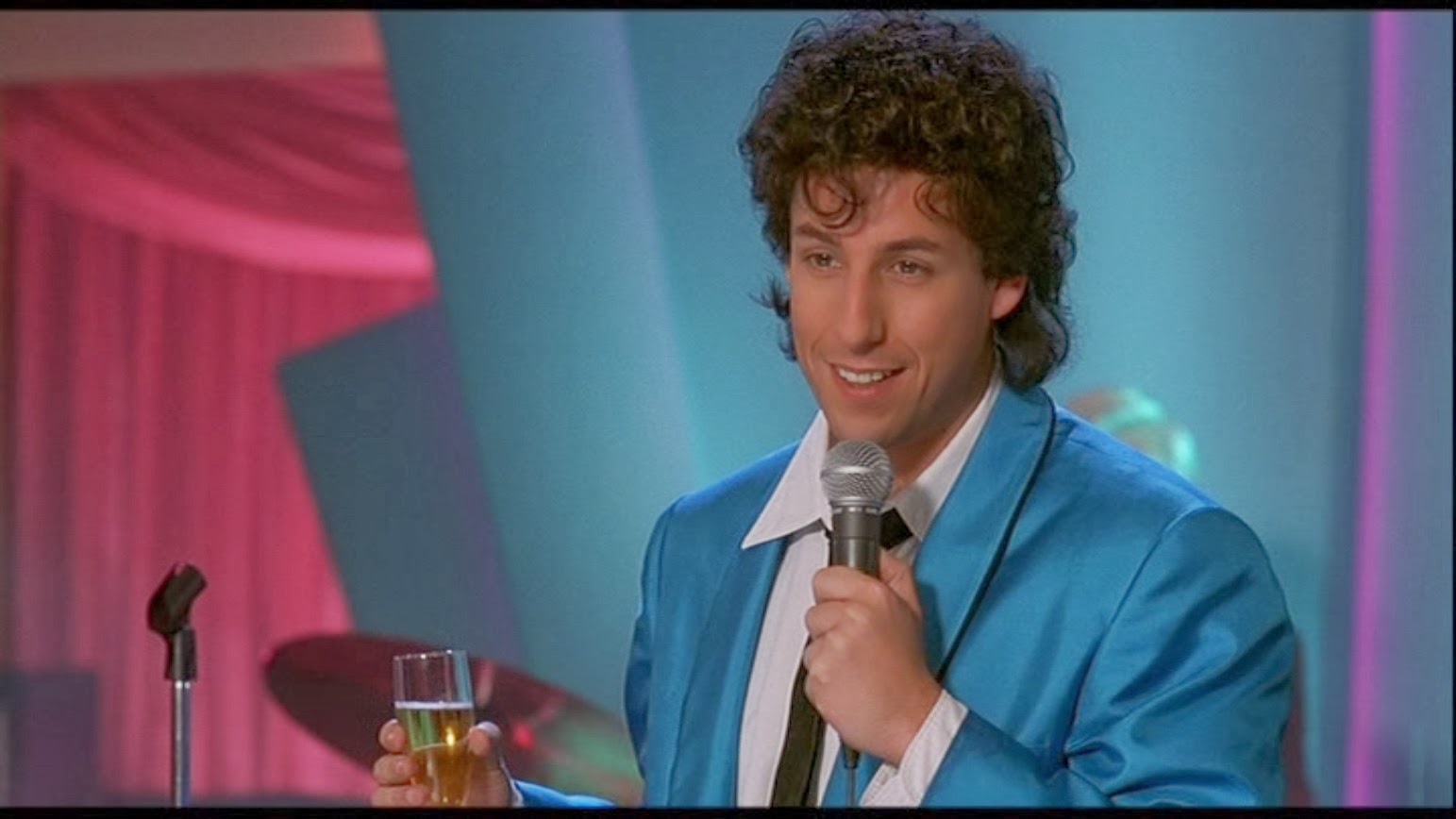
His musical identity is defined by his versatility. He performs upbeat, synth-driven pop songs that mirror the era’s enthusiasm, yet he transitions seamlessly into melancholy, guitar-led ballads that capture the character’s internal desolation. This duality is essential for the audience’s investment in the central romance. Because the viewers see him "work"—performing sets at weddings, dealing with difficult clients, and composing songs in his bedroom—the music becomes the primary language through which he expresses his vulnerability to the female lead, Julia Sullivan (played by Drew Barrymore).
Key Musical Sequences and Their Narrative Impact
Several moments in the film solidify the significance of Sandler’s vocal performances. These sequences are not merely decorative; they function as narrative turning points.
The "Somebody Kill Me" Sequence
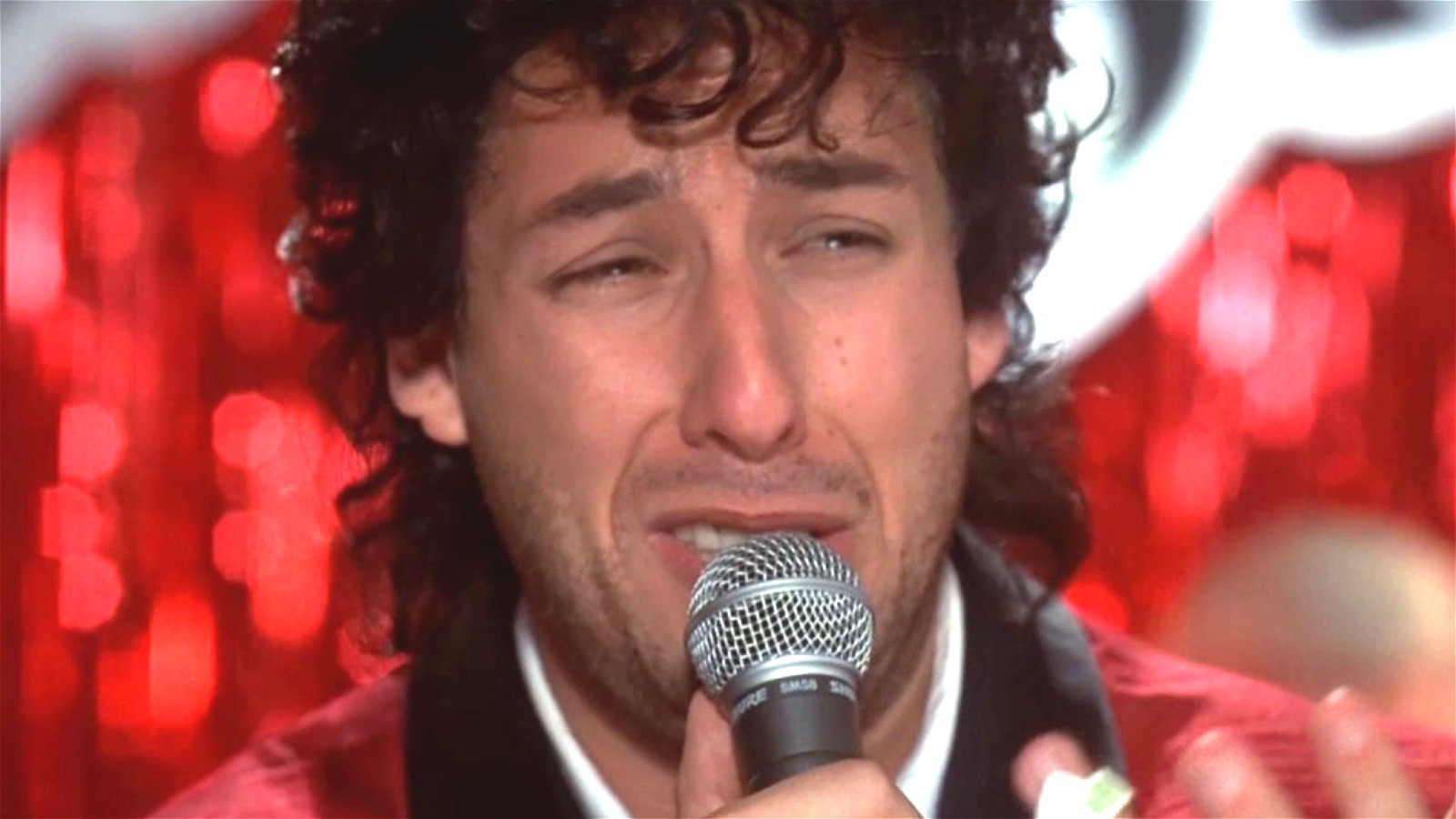
Perhaps the most iconic musical moment in the film occurs when Robbie, devastated by his failed engagement, performs a raw, improvised song at a wedding. This sequence serves two functions: it provides a massive comedic release through its abrasive, nihilistic lyrics, and it establishes the low point of the protagonist’s arc. Sandler’s delivery here is intentionally strained and unpolished, emphasizing the character’s inability to maintain his professional facade during a personal crisis.
The "Grow Old with You" Finale
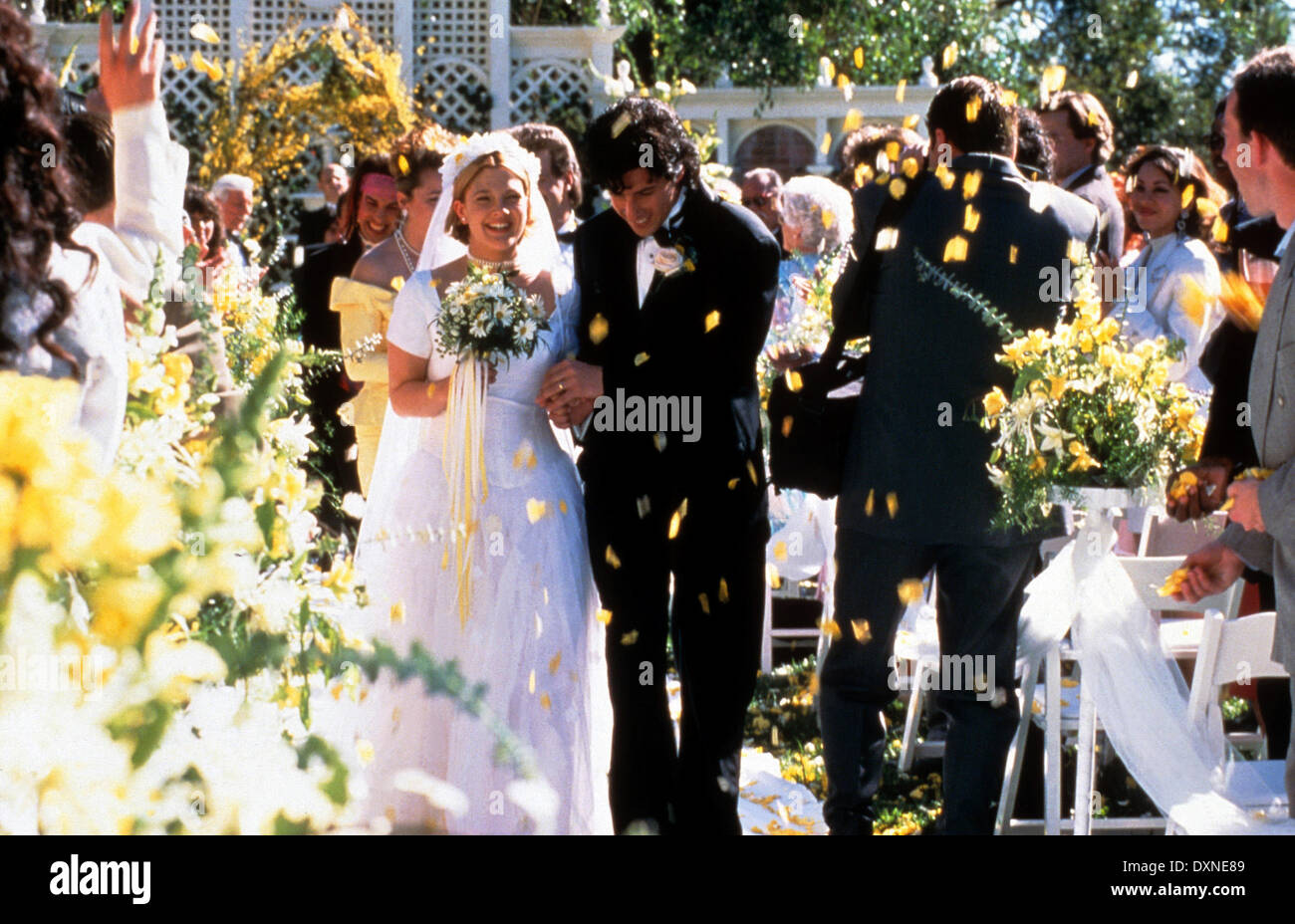
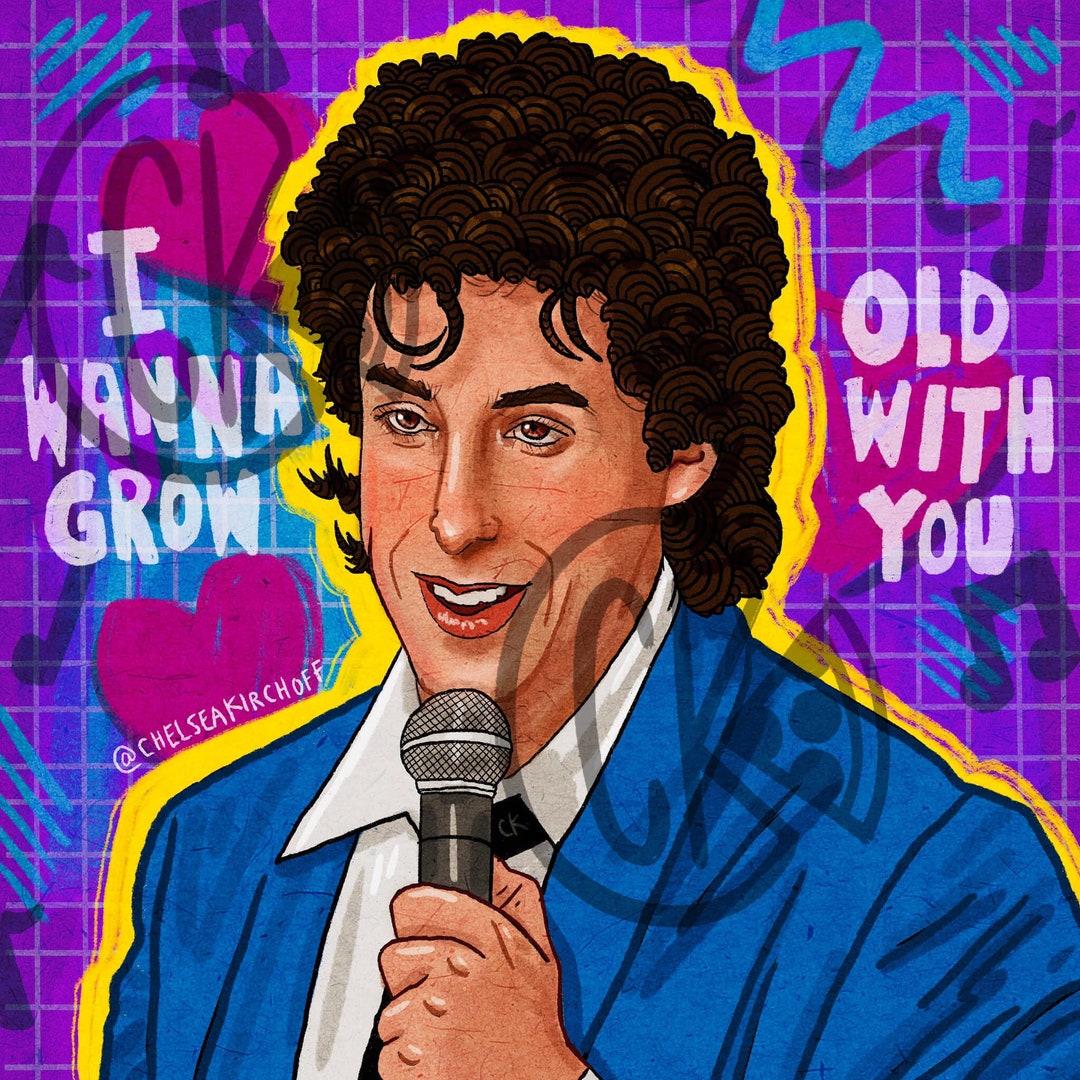
The film’s climax features a pivotal musical performance on a commercial airline flight. Robbie Hart performs an original composition, "Grow Old with You," to win back Julia before she elopes with her antagonist fiancé. This performance is intentionally stripped back, featuring only an acoustic guitar and Sandler’s unadorned vocals. The lack of 1980s production artifice reflects the character’s growth from a shallow wedding singer to a man grounded in genuine, long-term romantic commitment.
Technical Execution: Sandler as a Vocalist and Musician
While Adam Sandler is known primarily for his comedic sketches and films, his musical abilities are rooted in a long history of songwriting that predates his rise to major motion picture stardom. In The Wedding Singer, his vocal technique is characterized by a "character-driven" approach. He does not aim for technical perfection in a pop-star sense; rather, he prioritizes emotional authenticity and stylistic mimicry of 1980s vocalists.
The film’s soundtrack incorporates a mix of era-appropriate hits and original compositions. When performing covers, such as Billy Idol’s "White Wedding" or various lounge versions of New Wave hits, Sandler mimics the vocal inflections and phrasing typical of the period. This technical attention to detail helps ground the film in its 1985 setting, creating an immersive experience for the audience.
Comparative Analysis of Performance Styles
| Musical Context | Purpose in Film | Musical Approach |
|---|---|---|
| Professional Sets | Establish character status | High energy, pitch-perfect 80s mimicry |
| Improvised Outbursts | Illustrate internal turmoil | Erratic, aggressive, unrefined vocals |
| Romantic Ballads | Demonstrate character arc | Acoustic-led, intimate, vulnerable |
| Collaborative Duets | Build emotional chemistry | Soft, harmonious, conversational |
The Integration of Music and 1980s Nostalgia
The success of The Wedding Singer as a romantic comedy is inseparable from its soundtrack and Sandler’s performances. The film functions as a time capsule, and the music is the primary tool used to evoke the spirit of the mid-1980s. By having the lead actor perform the music himself, director Frank Coraci maintained a level of intimacy that a professional playback performance might have lacked.
Sandler’s willingness to perform "bad" music—specifically the lounge-style renditions of complex synth-pop songs—adds a layer of self-awareness. The film knows that the music is slightly kitschy, and by leaning into that, it avoids feeling like a cynical cash-grab. Instead, it becomes a tribute to the era’s earnestness. The songs act as a bridge between the protagonist’s professional facade and his true identity, mirroring the audience’s own relationship with nostalgia: we enjoy the kitsch, but we value the sincerity underneath.
Frequently Asked Questions
Did Adam Sandler actually sing all his songs in The Wedding Singer?
Yes, Adam Sandler provided all the lead vocals for his character, Robbie Hart. He is a trained musician who has frequently incorporated music into his comedy albums and stand-up specials throughout his career, making him well-suited for the role.
Does Adam Sandler play the guitar in the movie?
While Sandler is seen playing the guitar throughout the film, some close-up fingerwork in complex sequences was supplemented by professional musicians to maintain the film’s high production standards. However, his interaction with the instrument is consistent with his character’s professional background as a musician.
Why is "Somebody Kill Me" considered an important scene?
"Somebody Kill Me" marks the transition point for Robbie Hart from a functioning professional to a man in the midst of a nervous breakdown. The song’s absurdity highlights the disconnect between the upbeat, happy wedding atmosphere and Robbie’s internal state of misery.
Are the songs in the movie original compositions?
The soundtrack is a mix. It includes iconic 1980s hits performed by the original artists, covers performed by the cast, and several original songs written specifically for the film, such as "Grow Old with You," which was co-written by Adam Sandler, Tim Herlihy, and Brooks Arthur.
How did the music influence the success of the film?
The music served as a nostalgic hook for audiences. By blending familiar 1980s tracks with original compositions that captured the character’s emotional journey, the film successfully balanced comedy with a sincere romantic narrative, leading to high audience engagement and longevity as a cult classic.
Recommendation for Viewers
For those interested in exploring the musicality of Adam Sandler beyond The Wedding Singer, it is recommended to listen to his early comedy albums, such as They're All Gonna Laugh at You! or What the Hell Happened to Me?. These collections provide context for how he developed his specific brand of musical comedy, which ultimately found its most polished narrative expression in his 1998 performance as Robbie Hart. To fully appreciate the film’s sound design, watch the film with high-fidelity audio, which highlights the distinct contrast between the polished wedding-reception tracks and the raw, acoustic-driven moments of the film’s conclusion.