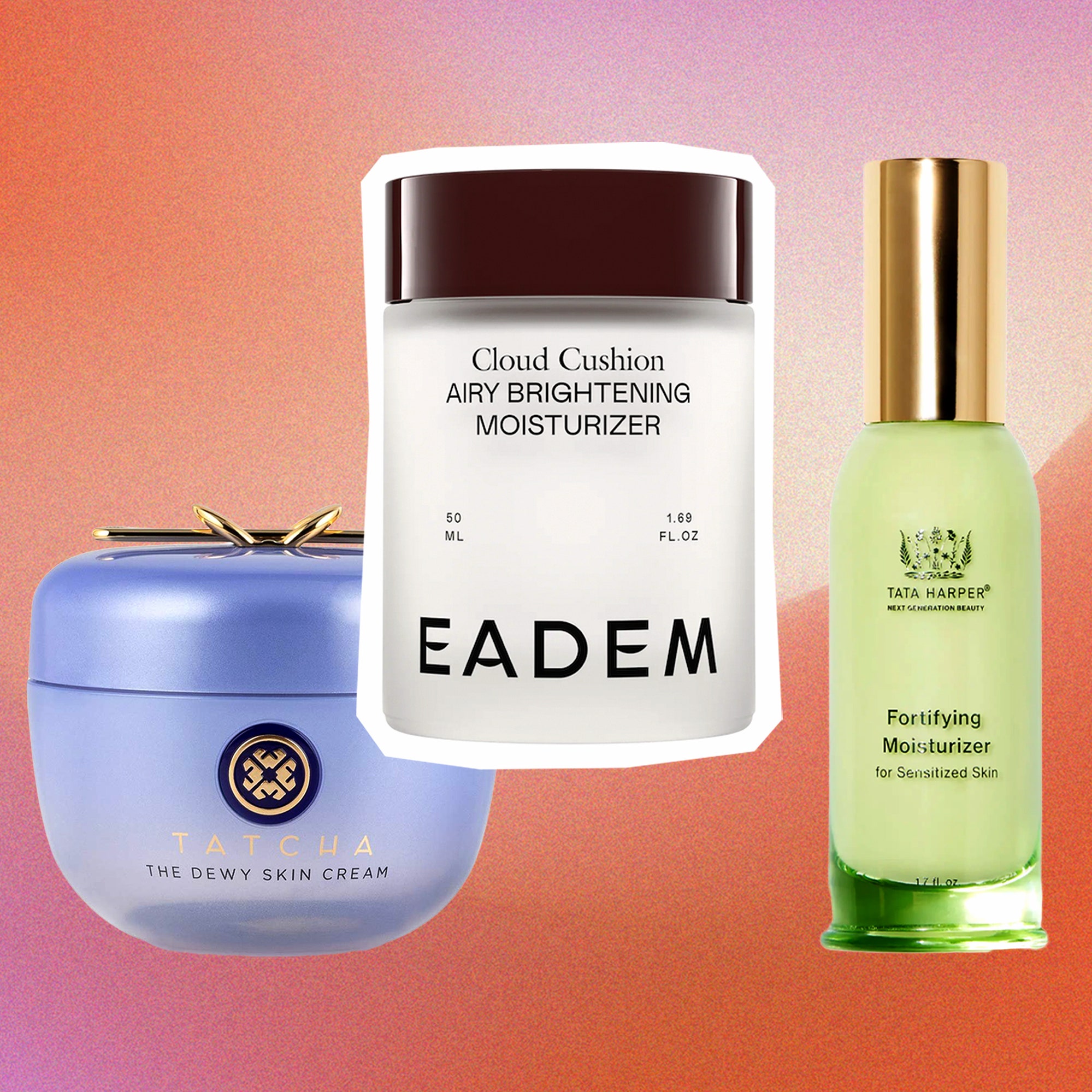
Finding the right moisturizer skin cream depends heavily on your skin type, environmental factors, and specific dermatological needs, ranging from lightweight gels for oily skin to rich, barrier-repairing creams for chronic dryness and sensitivity.
When searching for the 7 best moisturizer skin creams, navigating the vast cosmetic market can feel overwhelming. Consumers are constantly bombarded with claims of anti-aging miracles, instant hydration, and medical-grade repair. However, dermatologists consistently emphasize that an effective moisturizer comes down to three core components: humectants to draw moisture into the skin, emollients to smooth and soften the skin texture, and occlusal agents to lock that hydration in place. Whether you are dealing with persistent flaking caused by winter weather, managing a compromised skin barrier from over-exfoliation, or attempting to control excess sebum production without clogging your pores, selecting a formulation tailored to your physiological profile is essential.
This comprehensive guide evaluates seven of the most trusted, clinically supported, and dermatologist-recommended moisturizer skin creams available on the market. By examining their ingredient decks, textures, active components, and ideal skin types, you can make an informed choice to support your daily skincare regimen.
Understanding Skin Types and Moisturizer Mechanics
Before evaluating individual products, it is vital to understand why certain formulations work for specific skin types. Skin barrier function relies on a delicate balance of water and lipids (ceramides, cholesterol, and free fatty acids). When this barrier is disrupted by harsh cleansers, UV radiation, or medical conditions like eczema, transepidermal water loss (TEWL) increases, leading to irritation, redness, and dehydration.
Moisturizers do not actually add water to the skin from an external source; rather, they prevent existing water from evaporating and supplement missing intercellular lipids.
- Humectants: Ingredients like hyaluronic acid, glycerin, urea, and panthenol pull water molecules from the deeper layers of the skin (the dermis) and the surrounding atmosphere into the outermost layer (the stratum corneum).
- Emollients: Ingredients like squalane, caprylic/capric triglyceride, and various plant oils fill in the microscopic gaps between skin cells, smoothing rough patches and restoring flexibility.
- Occlusives: Heavyweights like petrolatum, dimethicone, beeswax, and shea butter create a physical protective seal over the skin surface, drastically reducing TEWL.
Matching your skin type—whether it is dry, oily, combination, sensitive, or acne-prone—ensures you get the right ratio of these three categories without triggering breakouts or irritation.
The 7 Best Moisturizer Skin Creams
The following selections represent top-tier formulations recognized by skincare professionals for their efficacy, formulation transparency, and skin-compatibility.
1. CeraVe Moisturizing Cream
- Best For: Dry to very dry skin, compromised skin barriers, and eczema-prone skin.
- Key Ingredients: Ceramides 1, 3, and 6-II, Hyaluronic Acid, Petrolatum.
- Texture: Rich, velvety, non-greasy cream.
CeraVe Moisturizing Cream is a staple in dermatological clinics worldwide. Developed with dermatologists, its standout feature is the inclusion of three essential ceramides identical to those naturally found in the skin. These lipids work synergistically to repair and restore the protective skin barrier. Combined with hyaluronic acid to attract hydration and petrolatum to seal it in, this cream provides continuous moisture throughout the day. It is fragrance-free, non-comedogenic, and accepted by the National Eczema Association, making it remarkably tolerable for reactive skin types.
2. Neutrogena Hydro Boost Water Gel
- Best For: Oily, combination, and dehydrated skin types that dislike heavy creams.
- Key Ingredients: Purified Hyaluronic Acid, Glycerin.
- Texture: Ultra-lightweight, cooling aqueous gel.
For individuals who shy away from traditional moisturizers due to a fear of clogged pores or greasy residues, Neutrogena Hydro Boost Water Gel offers an ideal alternative. This oil-free formula absorbs instantly into the skin, delivering a surge of hydration via purified hyaluronic acid, a molecule capable of holding up to 1,000 times its weight in water. While it lacks heavy occlusives, glycerin and dimethicone help retain moisture without adding weight. It leaves a matte, refreshed finish that wears exceptionally well under makeup and sunscreen.
3. La Roche-Posay Toleriane Double Repair Face Moisturizer
- Best For: Sensitive, easily irritated, and redness-prone skin.
- Key Ingredients: Prebiotic Thermal Water, Ceramide-3, Niacinamide, Glycerin.
- Texture: Lightweight, soothing cream-lotion.
La Roche-Posay is renowned for its commitment to sensitive skin formulations, and the Toleriane Double Repair moisturizer is a prime example. The dual-action formula works by replenishing essential moisture while simultaneously helping to restore the skin’s natural protective barrier via ceramide-3 and niacinamide (vitamin B3), which calms inflammation and evens skin tone. The inclusion of the brand's signature prebiotic thermal water helps rebalance the skin microbiome. It is oil-free, allergy-tested, and free of artificial fragrances and parabens.
4. Vanicream Moisturizing Cream
- Best For: Ultra-sensitive skin, allergic contact dermatitis, and post-procedure care.
- Key Ingredients: Petrolatum, Glycerin, Sorbitol.
- Texture: Dense, protective cream.
When skin is hyper-reactive and rejects almost every standard cosmetic product, Vanicream is frequently the gold standard recommended by allergists and dermatologists. Formulated specifically to avoid common chemical irritants, this cream completely omits dyes, fragrances, masking fragrances, lanolin, parabens, and formaldehyde releasers. Its base relies on high-purity petrolatum and glycerin to establish an uncompromising occlusive barrier that locks in moisture and protects against environmental aggressors. It is thick, highly protective, and exceptionally gentle.
5. Embryolisse Lait-Crème Concentré
- Best For: Normal to dry skin, makeup artists' prep, and multi-use hydration.
- Key Ingredients: Soy Proteins, Aloe Vera, Shea Butter, Beeswax.
- Texture: Rich, satin-finish emulsion.
A long-time cult favorite originating from French pharmacies, Embryolisse Lait-Crème Concentré functions as a moisturizer, primer, makeup remover, and hydrating mask all in one. Its formulation blends nourishing emollients like shea butter and beeswax with soothing aloe vera and soy proteins. It provides deep, long-lasting hydration while leaving the skin with a soft, plump, dewy finish. Makeup glides seamlessly over its surface, making it a staple backstage at fashion shows and within daily personal care routines alike.
6. Kiehl’s Ultra Facial Cream
- Best For: Normal to dry skin types seeking all-day hydration in varying climates.
- Key Ingredients: Squalane, Glacial Glycoprotein, Olive-derived Glycerin.
- Texture: Lightweight, fast-absorbing cream.
Kiehl’s Ultra Facial Cream is celebrated for its ability to provide balanced, 24-hour hydration without feeling heavy or suffocating. The formulation highlights squalane, a highly refined botanical lipid that mimics the skin's natural sebum, allowing it to integrate smoothly and reinforce the moisture barrier. Coupled with Antarcticine (glacial glycoprotein) extracted from sea glaciers, this cream helps protect the skin against moisture loss even under harsh, dry conditions. It absorbs rapidly and provides a smooth canvas for daily wear.
7. SkinCeuticals Triple Lipid Restore 2:4:2
- Best For: Mature skin, intensive anti-aging support, and severely compromised barriers.
- Key Ingredients: 2% Pure Ceramides, 4% Natural Cholesterol, 2% Fatty Acids.
- Texture: Luxurious, nourishing corrective cream.
Positioned in the medical-grade tier of skincare, SkinCeuticals Triple Lipid Restore 2:4:2 is formulated with a patented lipid ratio—2% pure ceramides, 4% natural cholesterol, and 2% fatty acids. As skin ages, natural lipid production declines, leading to cellular slackening, loss of elasticity, and dullness. This targeted cream directly addresses age-related lipid depletion to restore structural fullness, improve texture, and enhance overall radiance. While representing a higher price point, its clinically validated formula delivers powerful restorative benefits for mature or intensely over-processed skin.
Comparison of the Top Moisturizer Skin Creams
To help you quickly determine which formulation aligns with your skin profile and budget, review the comparison table below.
| Product Name | Primary Skin Type | Key Active Ingredients | Finish / Texture | Fragrance Status |
|---|---|---|---|---|
| CeraVe Moisturizing Cream | Dry to Very Dry | Ceramides, Hyaluronic Acid, Petrolatum | Rich, Velvet Cream | Fragrance-Free |
| Neutrogena Hydro Boost Water Gel | Oily to Combination | Hyaluronic Acid, Glycerin | Lightweight Aqueous Gel | Lightly Scented / Available Unscented |
| La Roche-Posay Toleriane | Sensitive / Reactive | Niacinamide, Ceramide-3, Prebiotic Water | Lightweight Cream | Fragrance-Free |
| Vanicream Moisturizing Cream | Ultra-Sensitive / Allergic | Petrolatum, Glycerin, Sorbitol | Dense, Protective Cream | Fragrance-Free |
| Embryolisse Lait-Crème | Normal to Dry | Shea Butter, Beeswax, Aloe Vera | Satin Emulsion | Lightly Scented |
| Kiehl’s Ultra Facial Cream | Normal to Balanced | Squalane, Glacial Glycoprotein | Fast-Absorbing Cream | Fragrance-Free |
| SkinCeuticals Triple Lipid | Mature / Compromised | Ceramides, Cholesterol, Fatty Acids | Luxurious Corrective Cream | Essential Oil Blend |
How to Choose and Apply Your Moisturizer
Selecting the correct product is only half the battle; proper application technique maximizes effectiveness and ensures your skin reaps the full benefits of the active ingredients.
1. Timing is Everything
Apply your moisturizer to slightly damp skin, ideally within three minutes of stepping out of the shower or washing your face. Applying moisturizer to damp skin traps the residual water molecules on the surface, allowing humectants like hyaluronic acid and glycerin to pull that extra moisture deep into the stratum corneum.
2. Layering Order in Your Skincare Routine
As a general rule of thumb, apply products from the thinnest consistency to the thickest consistency.
- Morning: Cleanser $\rightarrow$ Antioxidant Serum (e.g., Vitamin C) $\rightarrow$ Lightweight Moisturizer $\rightarrow$ Broad-Spectrum Sunscreen (SPF 30 or higher).
- Evening: Cleanser $\rightarrow$ Treatment Serums (e.g., Retinoids, Exfoliating Acids) $\rightarrow$ Rich Moisturizer or Barrier Cream.
Note: If you use strong active ingredients like prescription tretinoin or glycolic acid, applying a gentle, ceramide-rich moisturizer can help buffer potential irritation without diminishing the efficacy of the active compound.
3. Assessing Seasonal Changes
Your skin's needs fluctuate with the environment. During humid summer months, you may only require a lightweight gel or lotion. In contrast, colder winter months featuring indoor heating and dry outdoor winds often necessitate switching to a richer cream containing higher percentages of occlusives to combat increased transepidermal water loss.
Common Mistakes to Avoid
Even with the highest quality moisturizer skin creams, certain habits can undermine your skincare goals.
- Skipping Moisturizer Because Skin is Oily: Oily skin can still be dehydrated. When oily skin is stripped by harsh cleansers, it often overcompensates by producing even more sebum. Utilizing a lightweight, oil-free gel helps balance hydration levels without triggering breakouts.
- Over-Layering Active Ingredients: Piling on multiple strong retinoids, acids, and physical scrubs while failing to maintain barrier health can cause micro-tears and chronic inflammation. Prioritize barrier repair before introducing harsh anti-aging actives.
- Ignoring the Neck and Chest: The skin on your neck and chest is thinner and contains fewer sebaceous glands than your face, making it prone to premature aging and dryness. Always extend your moisturizer downward during your application routine.
Frequently Asked Questions
Can I use a body moisturizer on my face?
While some body creams can be used on the face in a pinch, most are formulated with heavier, more comedogenic oils and artificial fragrances that can clog facial pores and trigger breakouts or contact dermatitis. It is best to use products specifically formulated for the delicate skin of the face.
How long does it take for a moisturizer to repair a damaged skin barrier?
Minor barrier irritation can often be resolved within three to seven days of consistent use of a gentle, ceramide-rich cream and the suspension of active exfoliants. Severe barrier damage, chemical burns, or chronic conditions like eczema may take anywhere from two to six weeks of dedicated care to fully recover.
Should I apply moisturizer before or after sunscreen?
In your morning routine, moisturizer should always be applied before sunscreen. Sunscreens form a protective UV-filtering film over the skin; applying lotion on top of sunscreen can disrupt this film, diluting its SPF protection and reducing its efficacy.
Is expensive medical-grade moisturizer always better than drugstore options?
Not necessarily. Many drugstore staples, such as CeraVe and Vanicream, offer scientifically backed formulations with essential ceramides and humectants that rival or exceed the performance of luxury brands. Price often reflects packaging, marketing, and specialized luxury ingredients rather than fundamental hydration efficacy.
Conclusion and Next Actions
Achieving and maintaining healthy, supple skin requires consistency, patience, and a formulation tailored to your unique biological needs. Whether you choose the accessible barrier-repairing power of CeraVe, the featherlight hydration of Neutrogena Hydro Boost, or the advanced lipid restoration of SkinCeuticals, integrating a reliable moisturizer into your daily regimen is non-negotiable for long-term skin health. Assess your current skin condition, evaluate your environmental stressors, select a product matching your target profile, and apply it consistently to damp skin for optimal results.