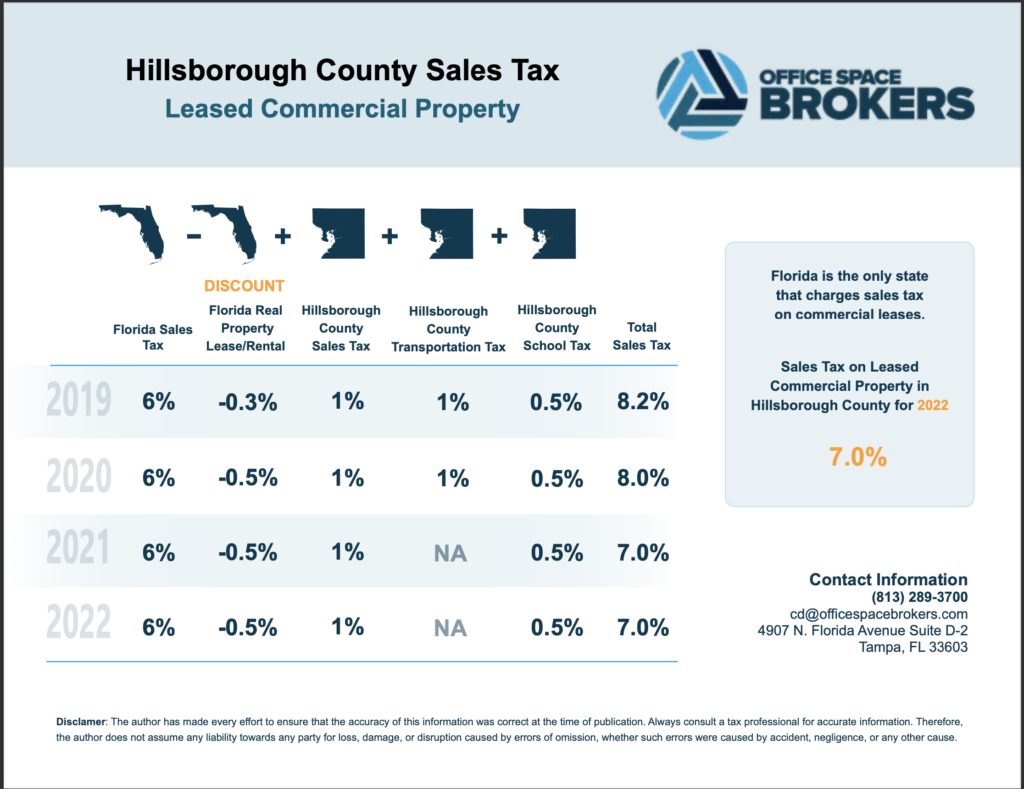
Understanding how Florida’s tax policy adjustments affect your wallet requires looking at the broader economic framework of state legislative actions, specifically regarding sales tax holidays, exemptions, and targeted relief periods. While tax-free periods and legislative updates are established during budget cycles, navigating these changes helps consumers, families, and business owners plan major purchases, manage household budgeting, and optimize operational expenses throughout the year.
Tax policy in Florida frequently incorporates temporary exemptions designed to provide financial relief to residents while stimulating specific retail, commercial, and educational sectors. Examining these legislative adjustments reveals how state tax rules influence everyday purchasing decisions, preparation for severe weather events, back-to-school shopping, and commercial investments. This comprehensive breakdown analyzes five distinct ways these tax-free structures and related fiscal policies impact your financial strategy.
1. Relief on Back-to-School Purchases and Educational Supplies
One of the most widely anticipated fiscal measures in Florida involves the back-to-school sales tax holidays. These designated windows temporarily eliminate state and local option sales taxes on a wide array of clothing, footwear, school supplies, and personal computers. For families managing household budgets, these exemptions reduce the direct cost of preparing children for the academic year.
Categories of Eligible Items
During these tax-free windows, several distinct retail categories qualify for complete exemption from sales tax, provided individual items fall below statutory price thresholds:
- Clothing and Footwear: Items such as shirts, trousers, boots, sneakers, and coats priced below specified monetary limits (frequently set at $100 or less per item) are exempt.
- School Supplies: Notebooks, pens, pencils, binders, art supplies, and calculators priced below a specific threshold (often $50 or less per item) qualify for relief.
- Personal Computers and Accessories: Personal computers, electronic tablets, and related accessories purchased for non-commercial home or personal use are frequently included up to a designated threshold, such as the first $1,500 of the sales price.
Practical Budgeting Benefits
The primary impact of these educational tax exemptions is the reallocation of household capital. By timing major purchases—such as upgrading a student's laptop or purchasing bulk school supplies—to coincide with these legislative windows, families save between 6% and 8.5% depending on local county surtaxes. Maximizing these savings requires reviewing the official list of qualifying items published annually by the Florida Department of Revenue prior to shopping.
2. Disaster Preparedness and Emergency Supply Exemptions
Florida's vulnerability to severe weather, particularly tropical storms and hurricanes, makes disaster preparedness a critical annual priority. To encourage residents to stock up on emergency supplies before storms strike, the state implements dedicated disaster preparedness sales tax holidays. These legislative provisions lower the financial barrier to securing essential safety equipment.
Key Emergency Supplies Covered
The tax-free windows typically apply to a curated list of emergency items necessary for power outages, home hardening, and personal safety:
- Power Generation and Storage: Portable generators, power banks, and solar chargers up to designated price limits.
- Lighting and Communication: Flashlights, lanterns, and extra batteries of various sizes.
- Survival Gear: Tarpaulins, ground anchor systems, first aid kits, tie-down straps, and reusable ice packs.
- Food and Water Storage: Non-perishable food storage containers and specific water purification equipment.
Mitigating Household Risk
Beyond immediate financial savings, these tax holidays serve a vital public safety function by incentivizing preparedness. Consumers who might otherwise delay purchasing expensive items like generators are encouraged to invest early in the storm season. This proactive approach reduces the strain on emergency services and ensures households have the necessary infrastructure to withstand severe weather events without facing the compounded financial burden of standard sales tax on emergency goods.
3. Commercial Impacts and Business Purchasing Strategies
While consumer-facing tax holidays receive substantial public attention, businesses operating within Florida also experience distinct operational impacts from state tax exemptions and structural policy adjustments. Commercial entities can strategically time capital expenditures to minimize tax liability on qualifying equipment, technology, and operational supplies.
Strategic Capital Expenditure Timing
Businesses must review state tax codes to determine when commercial equipment, security systems, or energy-efficient upgrades qualify for temporary exemptions or permanent exclusions. Key commercial areas influenced by these policies include:
- Information Technology: Upgrading office computer systems and software infrastructure during designated technology-focused tax-free windows.
- Commercial Preparedness: Purchasing emergency generators and safety equipment for storefronts and warehouses during disaster preparedness periods.
- Green Energy Investments: Utilizing targeted exemptions for energy-saving appliances and commercial building improvements.
Cash Flow Management for Small Businesses
For small and medium-sized enterprises (SMEs), navigating state tax exemptions requires coordination between accounting departments and procurement teams. Properly tracking tax-free windows prevents unnecessary tax outlays on bulk operational supplies and improves short-term cash flow. Business owners should consult certified public accountants (CPAs) or review direct guidance from the Florida Department of Revenue Tax Information Publications to ensure full compliance while maximizing legitimate deductions and exemptions.
4. Consumer Spending Behavior and Retail Market Shifts
Statewide tax-free periods trigger noticeable shifts in consumer behavior, directly impacting retail performance, inventory management, and promotional calendars across the state. Understanding these market dynamics helps consumers navigate crowded retail environments while helping merchants optimize sales strategies.
The Dynamics of Retail Surge
When the state implements high-profile tax-free windows, brick-and-mortar stores and e-commerce platforms experience concentrated surges in foot traffic and order volume. This dynamic creates both opportunities and challenges for shoppers:
- Inventory Depletion: High-demand items, particularly electronics and children's apparel, frequently sell out rapidly during the initial days of a tax holiday.
- Promotional Stacking: Many retailers introduce concurrent sales and discounts to capture the influx of tax-conscious shoppers, maximizing total savings.
- Online Fulfillment Adjustments: E-commerce transactions typically qualify for tax-free status as long as the order is accepted and paid for during the designated statutory timeframe, though shipping charges may affect final calculations.
Economic Stimulus and Consumer Confidence
Economists analyze these tax holidays as a mechanism for shifting consumer timing rather than creating net-new long-term spending. Consumers simply concentrate purchases into specific weeks. However, for individual households, the immediate reduction in out-of-pocket costs provides welcome relief during inflationary cycles, freeing up disposable income for other essential domestic needs.
5. Long-Term Fiscal Planning and Legislative Outlook
Examining sales tax structures requires looking beyond temporary holidays to understand the broader fiscal health of the state and how ongoing legislative adjustments impact long-term personal finance and municipal budgeting.
State Budget Dynamics and Infrastructure Funding
Sales tax revenue constitutes a major component of Florida’s state and local government operating budgets, funding public education, transportation infrastructure, and emergency services. When the legislature enacts broad tax-free periods, municipal budgets experience temporary reductions in sales tax receipts, which are factored into state revenue projections.
Summary of Major Florida Tax-Free Categories
| Category / Holiday Type | Primary Target Items | Typical Timing / Season | Key Financial Impact |
|---|---|---|---|
| Back-to-School | Clothing, footwear, school supplies, personal computers | Late Summer (July/August) | Reduces household education expenses; saves 6%–8.5% locally. |
| Disaster Preparedness | Generators, flashlights, tarps, safety gear | Late Spring (May/June) | Lowers cost of emergency preparedness; encourages early storm readiness. |
| Tool / Skilled Trades | Work boots, safety glasses, hand tools, power tools | Labor Day or specific weeks | Supports skilled trade workers and DIY home maintenance. |
| Recreation / Freedom | Outdoor recreation equipment, admissions, state park passes | Summer months | Encourages domestic tourism and outdoor leisure activities. |
Navigating Future Policy Adjustments
Staying informed about upcoming legislative sessions ensures that taxpayers do not miss newly introduced exemptions or changes to existing tax-free schedules. Because tax laws are subject to annual modification by the Florida Legislature and execution by the governor's office, proactive financial planning involves regularly verifying the exact dates, price caps, and eligible item lists published by official state portals well in advance of major shopping seasons.
Frequently Asked Questions
What determines whether an item qualifies for a Florida sales tax holiday?
Qualifying items are strictly defined by state statute, which specifies exact product categories, maximum price thresholds per item, and exclusions. For example, clothing items priced above $100 typically do not qualify for back-to-school tax exemptions, even if the general category is tax-free. Always check the official guidelines before purchasing.
Do online purchases qualify for Florida tax-free periods?
Yes. Purchases made through online retailers and e-commerce platforms qualify for Florida sales tax exemptions as long as the transaction is completed and the order is accepted by the seller during the active dates and times of the designated tax-free holiday. Note that shipping and handling fees may still be subject to standard tax rules depending on how the retailer structures the invoice.
Are businesses required to participate in Florida sales tax holidays?
Participating in sales tax holidays is mandatory for all eligible retail transactions in the state. Retailers must configure their point-of-sale systems to automatically remove state and local option sales taxes from qualifying items during the specified statutory windows. Businesses that fail to comply risk audit penalties and customer disputes.
How do local county surtaxes interact with state tax holidays?
Florida sales tax holidays apply uniformly to both the state sales tax rate (typically 6%) and any applicable local discretionary sales surtaxes imposed by individual counties. When an item is declared tax-free during a holiday, both the state tax and the local county surtax are waived for that transaction, maximizing overall savings for the consumer.
Where can I find the official and most up-to-date schedule of tax-free dates?
The definitive source for all official tax holiday schedules, technical assistance papers, and approved product lists is the Florida Department of Revenue website. Reviewing their published tax information publications ensures accurate planning and prevents reliance on outdated internet summaries.
Conclusion and Next Actions
Navigating Florida's fiscal landscape requires balancing immediate shopping decisions with a clear understanding of state tax policies. To make the most of these provisions, review your upcoming purchasing needs—whether for back-to-school preparations, emergency supplies, or commercial investments—and align them with official state tax-free windows. Always verify specific price caps and eligible item lists directly through official government resources before finalizing major transactions.