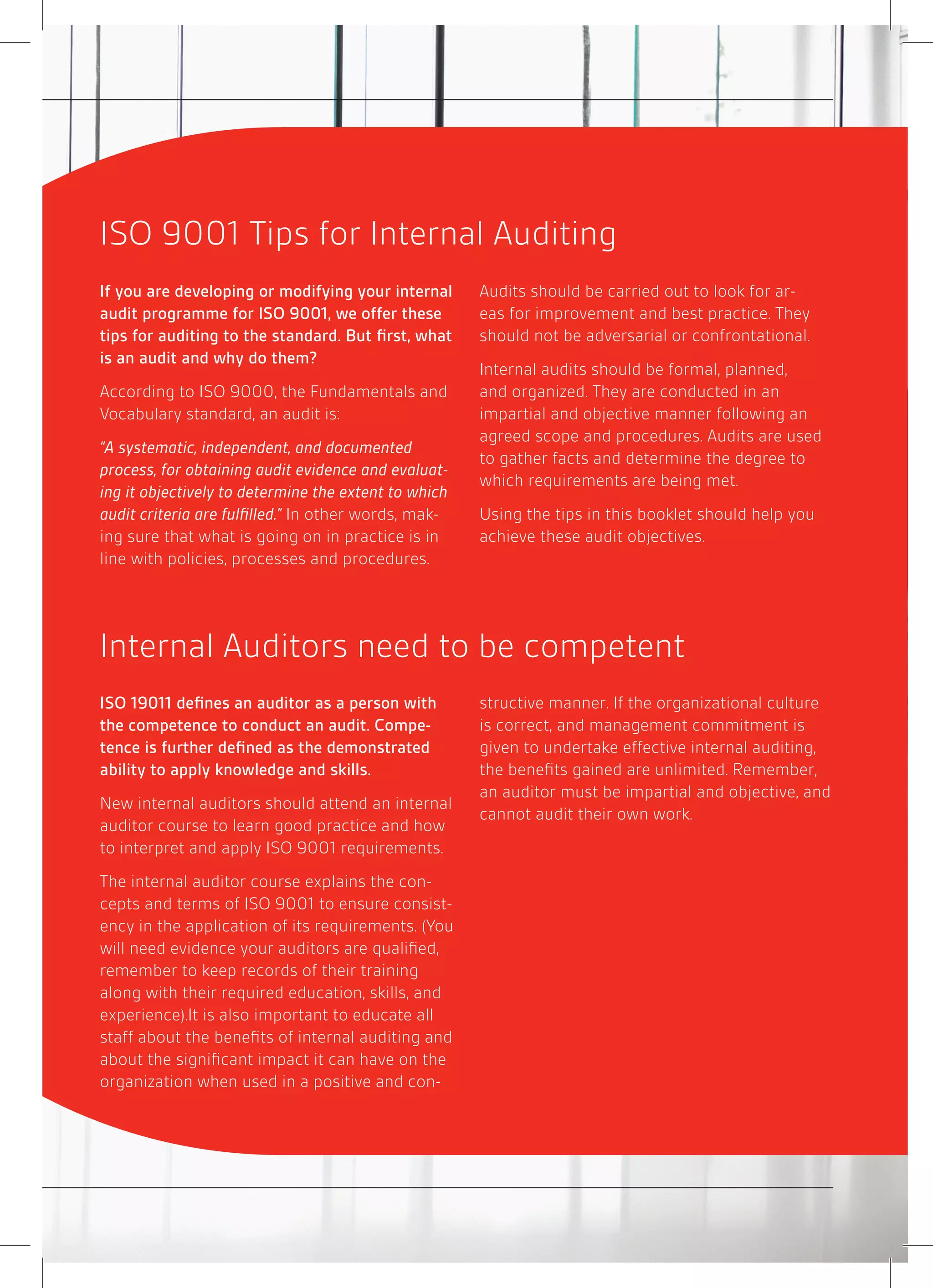
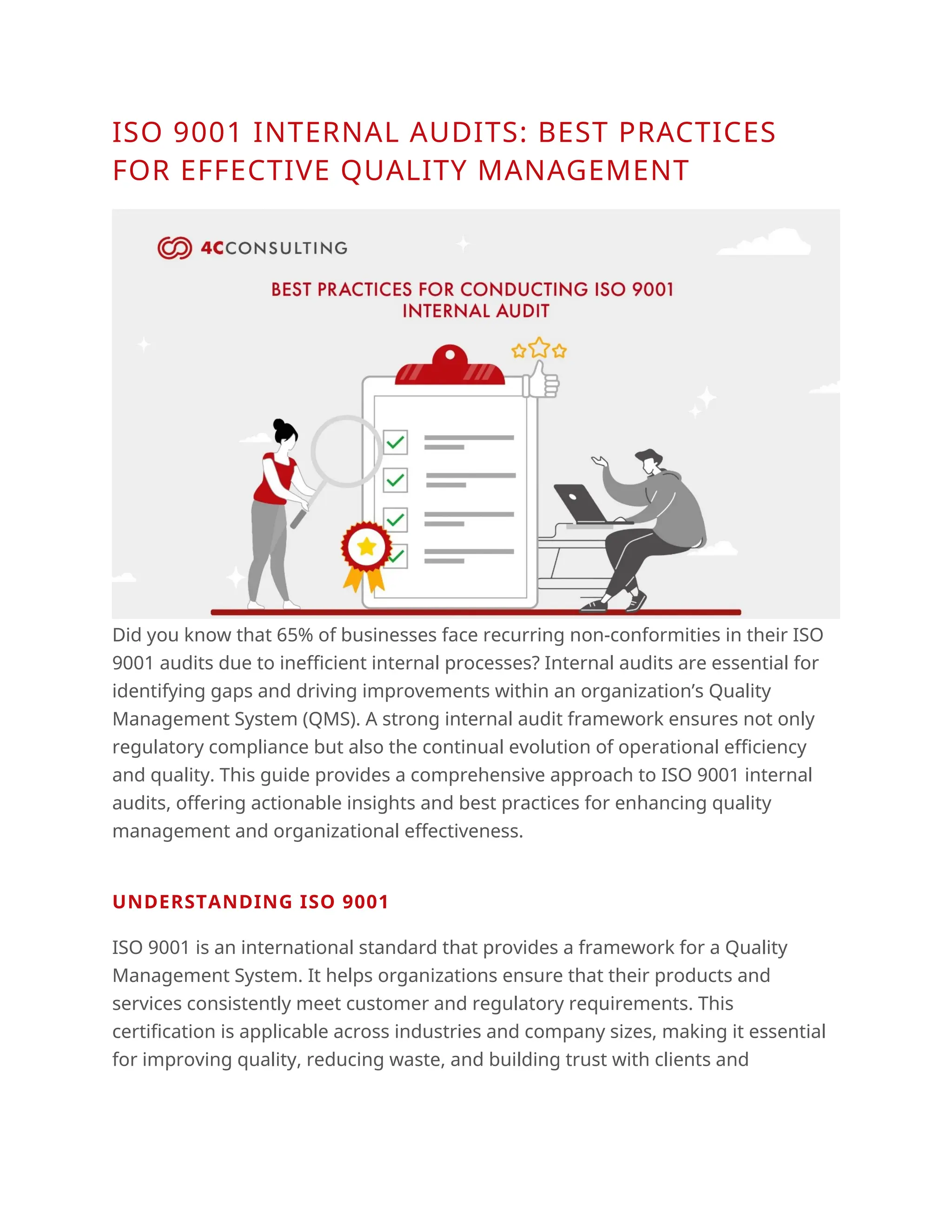
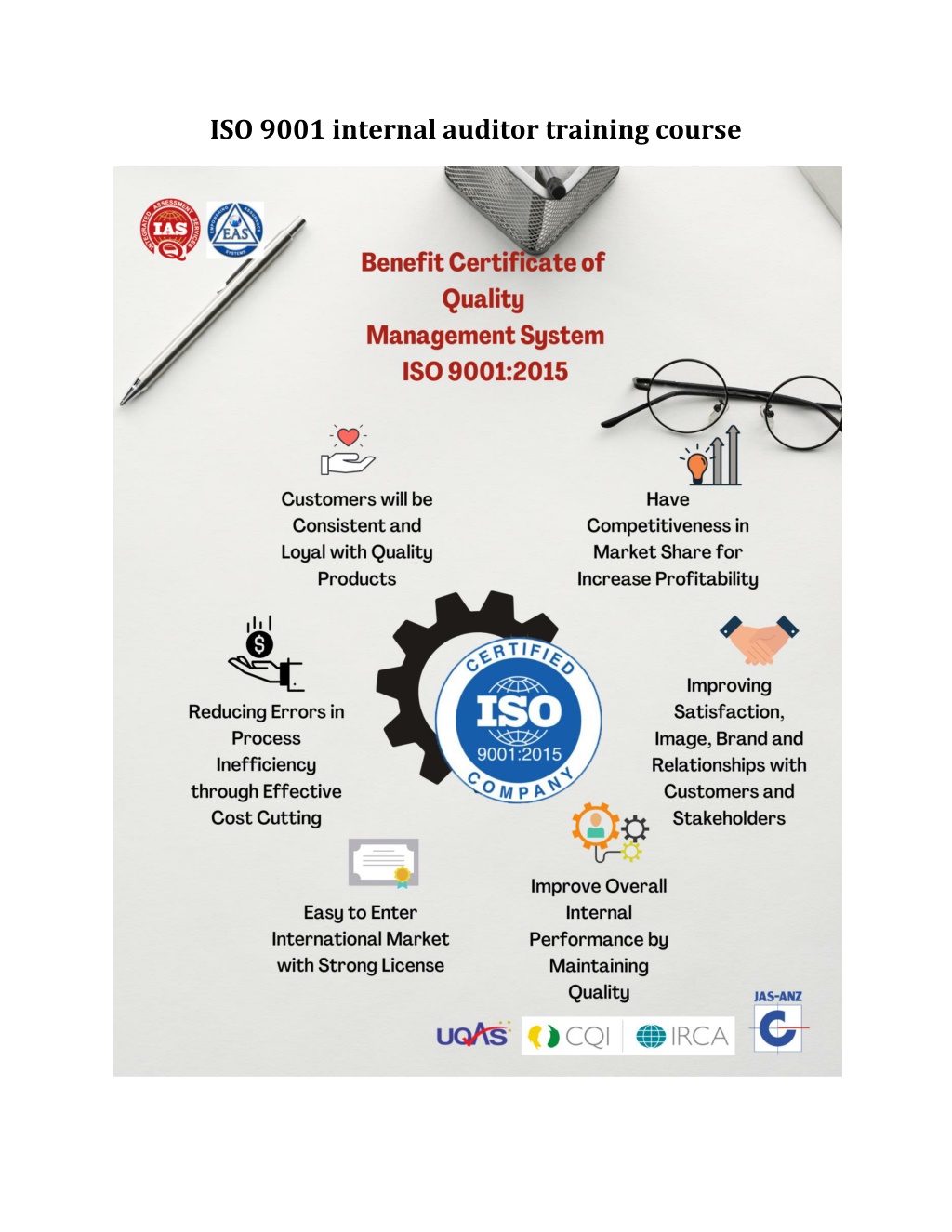
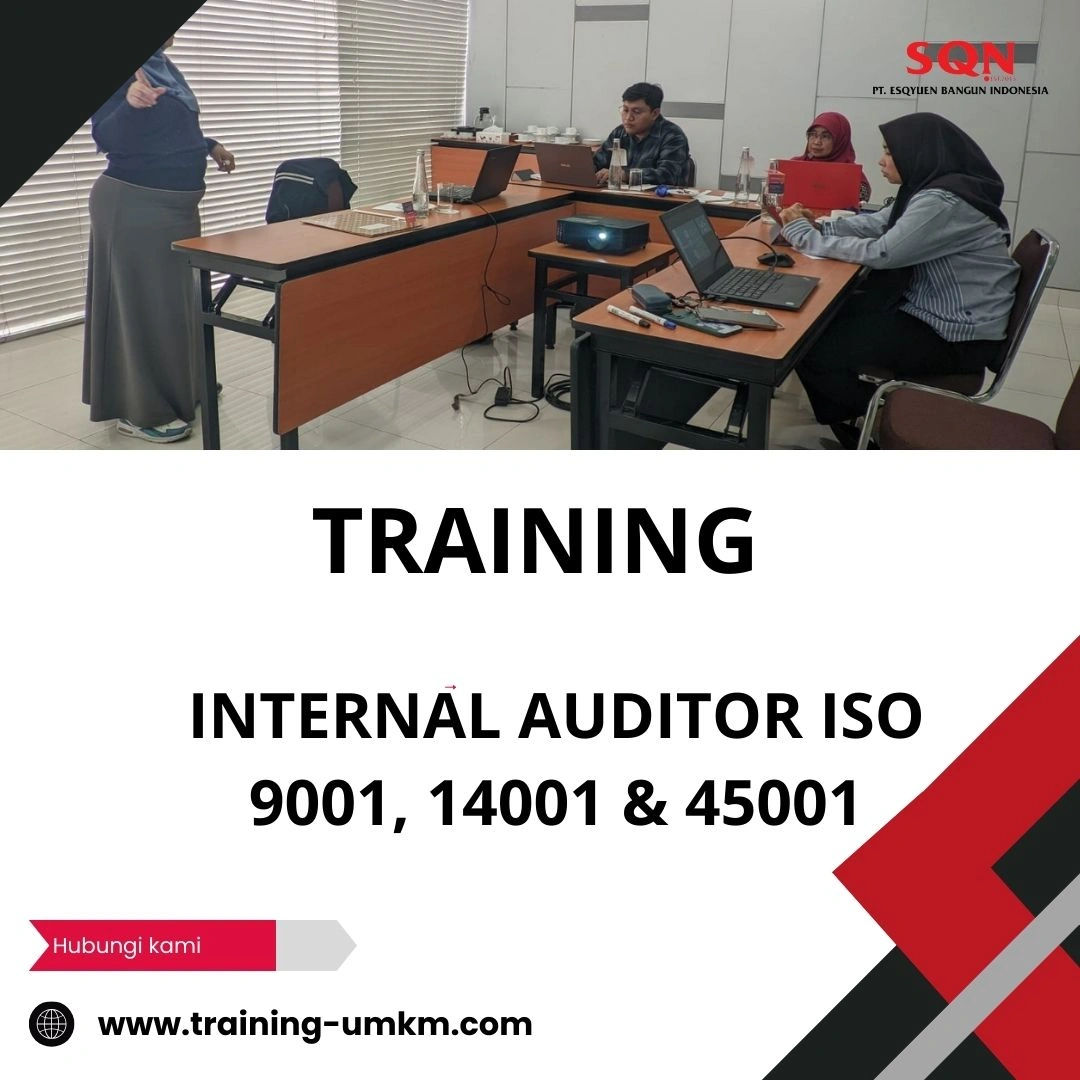
Mastering ISO 9001 internal audit training requires understanding that an internal audit is not merely a compliance checkbox, but a powerful operational driver for continuous improvement, organizational alignment, and risk mitigation within a quality management system.
Navigating the complexities of the International Organization for Standardization (ISO) 9001 standard often reveals a distinct gap between holding a certificate and conducting a truly value-adding internal audit. While organizations frequently train personnel to read the standard, they often overlook the behavioral, strategic, and systemic elements that transform an auditor from a passive observer into an active catalyst for organizational excellence.
Internal auditing is mandated by ISO 9001:2015 Clause 9.2, requiring organizations to conduct internal audits at planned intervals to provide information on whether the quality management system conforms to the organization's own requirements and the requirements of the international standard, and is effectively implemented and maintained. However, meeting this minimum requirement on paper does little to uncover hidden process inefficiencies, mitigate supply chain vulnerabilities, or foster a culture of quality. Unlocking the true potential of an audit program demands moving past basic clause memorization and addressing the nuanced realities of operational evaluation.
The Strategic Purpose of ISO 9001 Internal Audits
Before examining the underlying secrets of elite training programs, it is vital to establish what an internal audit is designed to achieve. Many organizations treat internal audits as dress rehearsals for external registrar surveillance audits. This defensive mindset shifts the objective from discovering truth to concealing nonconformities.
An effective internal audit program acts as an independent diagnostic tool for executive management. It provides a clear, unvarnished view of operational performance, highlighting where process reality diverges from documented procedures. When training focuses solely on policing compliance rather than evaluating process health, organizations miss opportunities to streamline workflows, eliminate waste, and enhance customer satisfaction.
Modern quality management demands that internal auditors understand the broader business context. They must connect audit findings to financial performance, customer retention, and risk management frameworks. Elevating internal audit training to address these strategic dimensions requires uncovering five core secrets that distinguish mediocre audit programs from world-class systems.
Secret 1: Moving Beyond Clause Memorization to Process-Based Auditing
The most common pitfall in standard internal audit training is an exclusive focus on reciting ISO 9001 clauses. Trainees spend days memorizing the numbering, terminology, and structural requirements of the standard without learning how to trace a real-world business process from input to output.
The Process Approach Explained
ISO 9001 is built upon the "Process Approach," which incorporates the Plan-Do-Check-Act (PDCA) cycle and risk-based thinking. A process-based audit does not start by asking, "Show me how you comply with Clause 8.5." Instead, it follows the life cycle of a product or service.
An auditor might ask:
- What triggers this process? (Input)
- Who performs the work, and what competencies do they require? (Resources)
- What criteria govern the execution of this activity? (Process controls and procedures)
- What tangible results or documents does this activity generate? (Outputs)
- How do we measure the success or failure of this process? (Key performance indicators and metrics)
Shifting from Compliance to Effectiveness
When training emphasizes process auditing over clause checking, auditors learn to evaluate whether a process achieves its intended results. If a procedure is compliant with the standard on paper but consistently produces defective outputs or fails to meet customer delivery timelines, a clause-based auditor might pass it, whereas a process-based auditor will identify the underlying systemic failure.
Secret 2: Mastering the Psychology of Interviewing and Active Listening
Auditing is fundamentally a human endeavor. Even the most technically proficient auditor will fail to uncover critical nonconformities or systemic risks if they lack interpersonal communication skills. Poor interview techniques often trigger defensiveness, resulting in guarded responses and concealed operational realities.
Overcoming Audit Anxiety
Audtees frequently view internal audits as punitive inspections rather than collaborative diagnostic exercises. Effective internal audit training must address this psychological barrier. Trainees must learn how to build immediate rapport, establish a constructive tone, and frame questions objectively.
Instead of asking accusatory questions like "Why did you skip this quality check?", skilled auditors learn to inquire, "Can you walk me through the steps taken when this specific variation occurs?" This approach replaces confrontation with collaborative inquiry.
The Power of Open-Ended Questioning and Active Listening
Elite auditors spend more time listening than talking. Training programs must emphasize the mastery of open-ended questions—those starting with What, How, Where, and Describe—which encourage audtees to explain their daily workflows in detail.
Furthermore, training must cover non-verbal cues, silence management, and the ability to listen for discrepancies between what is stated and what is documented or observed. Recognizing hesitation, ambiguity, or contradictory statements allows an auditor to drill down into high-risk areas.
Secret 3: Applying Risk-Based Thinking Throughout the Audit Lifecycle
Risk-based thinking is an explicit requirement of the ISO 9001:2015 standard (highlighted heavily in Clause 6.1 and throughout operational planning). However, many internal audit training programs treat risk assessment as a static box to check during management review rather than a dynamic lens for planning and executing every audit.
Prioritizing Audit Resources Through Risk
An organization cannot audit every process, procedure, and department with equal depth every month. Resources are finite. Secret three involves training auditors to allocate their time and attention based on operational risk.
High-risk processes—such as new product introductions, critical supplier management, or complex manufacturing steps with high historical scrap rates—should be audited more frequently and with greater scrutiny. Conversely, low-risk, stable administrative processes require lighter oversight.
Evaluating Risk Management Effectiveness
During the audit itself, auditors must evaluate whether process owners are actively identifying, assessing, and mitigating risks. It is not enough for an organization to maintain a risk register. Auditors must verify whether mitigation strategies are actually implemented, monitored, and adjusted when operational conditions change. Training must teach auditors how to challenge assumptions and test the robustness of an organization's contingency plans.
Secret 4: Crafting Objective, Value-Adding Audit Findings
The true test of an internal audit's value lies in how findings are documented and communicated. Vague, subjective, or poorly written nonconformity reports create confusion, spark internal friction, and fail to drive meaningful corrective action.
Anatomy of an Effective Finding
A well-written audit finding is built on three pillars: Criteria, Condition, and Evidence.
- Criteria: What does the requirement state? (e.g., an ISO 9001 clause, a company procedure, or a regulatory specification).
- Condition: What is the specific deviation or non-fulfillment observed?
- Evidence: What objective data, records, or observations substantiate the condition?
Avoiding Common Documentation Pitfalls
Inadequate training often leads to findings characterized by generalizations, emotional language, or solutions masquerading as problems. For instance, writing "Training records are messy and poorly managed" is subjective and unactionable.
A trained auditor writes: "Contrary to Quality Procedure SOP-04, Section 3.2, which requires annual retraining for all inspectors, records for 3 out of 15 sampled inspectors (Badge #104, #112, and #128) showed no evidence of refresher training completed within the 2025 calendar year." This precision eliminates ambiguity, empowers root-cause analysis, and gives the auditee a clear target for correction.
Secret 5: Driving Meaningful Corrective Action and Root-Cause Analysis
The audit does not end when the closing meeting concludes. The most critical and frequently neglected phase of the internal audit cycle is verifying that nonconformities are systematically addressed through robust root-cause analysis and sustainable corrective actions.
| Audit Phase | Common Flawed Approach | Elite Trained Approach |
|---|---|---|
| Audit Planning | Auditing every department equally on an annual rotation regardless of historical performance. | Allocating audit frequency and scope dynamically based on risk scores and operational changes. |
| Execution | Verifying strict clause compliance via isolated document checks. | Tracing end-to-end processes using open-ended questions and active observation. |
| Reporting | Documenting vague, subjective opinions (e.g., "Process is inefficient"). | Structuring objective findings using explicit Criteria, Condition, and Evidence. |
| Corrective Action | Accepting superficial surface fixes (e.g., rewriting a document). | Enforcing disciplined root-cause analysis tools (e.g., 5 Whys, Fishbone) to eliminate systemic failure modes. |
Moving Beyond Symptom Treatment
When organizations experience a nonconformity, the natural tendency is to fix the immediate symptom and move on. This guarantees recurrence.
Comprehensive internal audit training must equip auditors with root-cause analysis methodologies, such as the 5 Whys technique or the Ishikawa (Fishbone) Diagram. Auditors must learn how to guide process owners past surface-level explanations—such as "operator error" or "system glitch"—to uncover systemic breakdowns in training, resource allocation, or procedural design.
Verifying Corrective Action Effectiveness
Finally, internal auditors must be trained to perform follow-up verification audits. Closing a corrective action simply because an action plan was submitted on paper is a critical failure of the audit system.
Auditors must return after a designated timeframe to verify that the implemented solution is functioning as intended, has not introduced unintended side effects, and has successfully prevented the recurrence of the issue.
Summary of Best Practices for Implementing ISO 9001 Internal Audit Training
Transforming an internal audit program requires a deliberate commitment to continuous learning and cultural alignment within the organization. To summarize the core principles required for success:
- Move Beyond the Standard: Teach auditors how business processes actually flow rather than forcing them to memorize isolated clause numbers.
- Cultivate Interpersonal Skills: Train auditors in active listening, open-ended questioning, and constructive dialogue to minimize auditee defensiveness.
- Prioritize Through Risk: Apply risk-based thinking to direct audit resources where they deliver the highest organizational value.
- Demand Precision in Reporting: Ensure every finding is anchored in verifiable evidence, specific criteria, and clear operational conditions.
- Follow Through to Root Causes: Insist on rigorous root-cause analysis and verify the long-term effectiveness of corrective actions.
By incorporating these five secrets into internal audit training programs, organizations can transition their quality management systems from static compliance burdens into dynamic engines of operational resilience and continuous improvement.
Frequently Asked Questions
Who is eligible to undergo ISO 9001 internal audit training?
Any employee within an organization can undergo internal audit training, provided they possess a foundational understanding of the company's operations and quality management system. While no external certification is strictly mandated by ISO 9001 for internal auditors, participants should be objective, detail-oriented, and independent of the specific processes they are assigned to audit to ensure impartiality.
How often should internal auditors receive refresher training?
While ISO 9001 does not prescribe a specific frequency for refresher training, best practices recommend annual updates or continuous professional development sessions. Refresher training ensures auditors stay current with revisions to the standard, changes in internal company processes, and emerging industry risk management methodologies.
Can internal audits be outsourced, or must they be conducted by internal staff?
Organizations can choose to outsource internal audits to external consultants or qualified third parties. However, utilizing internal staff—when properly trained—offers significant advantages, including deeper organizational knowledge, enhanced employee engagement with quality processes, and reduced long-term operational costs. Many organizations use a hybrid model, utilizing internal auditors for routine processes and external experts for complex or specialized system reviews.
What is the difference between an internal audit and an external registrar audit?
An internal audit is conducted by or on behalf of the organization itself for internal improvement, process verification, and management review. An external registrar audit is conducted by an independent certification body to determine whether the quality management system conforms to ISO 9001 requirements and to grant or maintain formal third-party certification.
How do we handle conflicts of interest during internal audits?
ISO 9001 requires that internal auditors be objective and impartial. To maintain compliance, organizations must structure their audit schedules so that auditors never audit their own work or direct operational areas. Training programs should emphasize professional ethics, neutrality, and the protocol for escalating or stepping down from audits where a potential conflict of interest arises.