Efficient rental management requires a combination of end-to-end automation, proactive maintenance schedules, and rigorous data-driven tenant screening. By 2026, the focus has shifted toward integrating AI-driven tools for communication and predictive analytics to minimize vacancy rates, ensure legal compliance, and maximize the long-term appreciation of real estate assets.
Managing a rental property portfolio in 2026 is no longer a matter of simply collecting checks and occasionally fixing a leaky faucet. The landscape has evolved into a sophisticated operation where technology, tenant psychology, and regulatory precision intersect. Whether you are a "DIY landlord" with a single duplex or a professional managing a growing portfolio of multi-family units, efficiency is the primary driver of your Net Operating Income (NOI).
The following five pillars of efficient property management provide a blueprint for streamlining operations, reducing overhead, and fostering high-quality, long-term tenant relationships.
1. Implement a Centralized Management Platform with AI Integration
The era of managing rentals via disparate spreadsheets and paper files is over. To achieve true efficiency, landlords must adopt a centralized property management system (PMS). In 2026, these platforms have evolved to include Artificial Intelligence (AI) components that handle the heavy lifting of administrative tasks.
The Power of Automation
Automation is the cornerstone of modern efficiency. A centralized platform allows you to automate rent collection, late fee assessments, and lease renewals. By removing the manual element from these processes, you eliminate human error and ensure that cash flow remains predictable. Most modern systems now offer "Instant Pay" features, allowing tenants to use various digital wallets or bank transfers that settle in real-time, reducing the "days-to-deposit" metric that often plagues traditional landlords.
AI-Driven Communication
One of the biggest time-sinks in property management is answering repetitive questions from prospective or current tenants. AI chatbots, integrated into your management portal, can now handle up to 80% of initial inquiries. They can schedule showings, explain pet policies, and provide status updates on maintenance requests. This ensures that your human capital is spent on high-value tasks, such as property acquisition or complex dispute resolution, rather than answering "Is the unit still available?" for the tenth time in an hour.
Digital Document Management
Efficiency also means having a "single source of truth" for all legal documents. E-signing technology is now a standard requirement. Storing leases, addendums, and move-in inspection reports in a secure, cloud-based environment allows for instant retrieval during audits or legal proceedings. In 2026, many of these platforms also automatically update lease templates to reflect new local or state-wide housing regulations, ensuring you remain compliant without having to consult a lawyer for every minor change.
2. Transition from Reactive to Predictive Maintenance
Maintenance is typically the largest variable expense in property management. The traditional model is reactive: something breaks, the tenant calls, and the landlord pays a premium for emergency repairs. Efficiency in 2026 is defined by predictive and proactive maintenance.
Leveraging IoT and Smart Sensors
The integration of Internet of Things (IoT) devices has revolutionized how we care for buildings. Smart water leak detectors, placed under sinks and near water heaters, can alert property managers to a slow drip long before it causes thousands of dollars in mold or structural damage. Similarly, smart HVAC filters and thermostats can track run-times and performance, notifying you when a system is struggling and requires a tune-up. This "predictive" approach allows you to schedule repairs during normal business hours, avoiding the "after-hours" labor surcharges that eat into profits.
The Annual Health Check
Efficient managers treat their properties like high-performance machines. Implementing a bi-annual or annual "property health check" is essential. This involves a comprehensive walkthrough of the unit—checking smoke detector batteries, inspecting roof shingles, cleaning gutters, and ensuring weather stripping is intact. By identifying small issues early, you prevent the "cascading failure" effect, where a small roof leak leads to ceiling damage, which eventually leads to a tenant vacating the property due to uninhabitable conditions.
Standardizing Vendor Relationships
Efficiency is also found in your "Rolodex." Instead of searching for a new plumber every time an issue arises, establish "Preferred Vendor Agreements" (PVAs). In exchange for a guaranteed volume of work, many contractors will offer discounted rates and priority scheduling. This ensures that when a major issue occurs, you have a trusted professional ready to act, reducing the "time-to-resolution" and keeping tenant satisfaction high.
3. Utilize Data-Driven Tenant Screening and Retention
A vacant unit is a liability, but a "bad" tenant is a catastrophe. Efficient property management prioritizes the quality of the tenant over the speed of the fill. By 2026, screening tools have become much more nuanced than simple credit scores.
Beyond the Credit Score
While credit scores remain a factor, efficient managers now look at holistic "tenant profiles." This includes verified rental payment history—often pulled directly from bank data via open banking protocols—and nationwide eviction database searches. In many jurisdictions, laws have tightened regarding how criminal history is used, so it is vital to use screening services that are Fair Housing Act (FHA) compliant to avoid costly discrimination lawsuits.
The Cost of Turnover
True efficiency is found in retention. The cost of turning over a unit—cleaning, repainting, marketing, and the lost rent during vacancy—can often exceed three months of profit. Modern property management involves a "Tenant Experience" strategy. This includes:
- Transparent Communication: Regular updates on building news or local community events.
- Incentive Programs: Small rewards for on-time payments or lease renewals.
- Rapid Response Times: Ensuring maintenance requests are acknowledged within 24 hours.
By keeping a good tenant for three years instead of one, you drastically increase the lifetime value of that unit.
4. Optimize Financial Workflows and Regulatory Compliance
The financial side of property management is where many landlords lose time and money through poor organization. Efficiency requires a streamlined workflow that connects your bank accounts directly to your accounting software.
Real-Time Financial Reporting
By 2026, property owners expect to see their financial status in real-time. This means using accounting software that categorizes every expense as it happens. When a contractor is paid via your management portal, that expense should be automatically tagged with the correct Internal Revenue Service (IRS) Schedule E category. This reduces the end-of-year "shoebox of receipts" panic and allows for more accurate tax planning throughout the year.
Managing Security Deposits
Security deposit mismanagement is one of the leading causes of litigation in real estate. Efficiency involves using dedicated escrow management tools that keep deposits separate from operating funds, as required by most state laws. Many managers are now also offering "Security Deposit Alternatives," such as surety bonds. These allow tenants to pay a small monthly fee instead of a large upfront deposit, lowering the barrier to entry for high-quality tenants while still protecting the landlord’s interests.
Staying Ahead of Legislation
Laws regarding rent control, "just cause" evictions, and environmental disclosures are in constant flux. An efficient manager stays informed through professional organizations like the National Association of Residential Property Managers (NARPM). Being proactive about compliance prevents the massive fines and legal fees that can result from even accidental violations of local housing ordinances.
5. Invest in Sustainability and Energy Efficiency
In 2026, energy efficiency is no longer just a "green" initiative; it is a financial imperative. With rising utility costs and new carbon footprint regulations in many urban centers, making your rentals efficient pays direct dividends.
High-ROI Upgrades
Efficiency is about choosing upgrades that provide the highest return. Moving to LED lighting throughout a building, installing low-flow plumbing fixtures, and adding attic insulation are relatively low-cost improvements that significantly reduce utility bills. If you pay the utilities, these savings go directly to your bottom line. If the tenant pays, the lower "total cost of living" makes your unit more competitive in the market.
Smart Energy Management
Smart thermostats are one of the most effective tools for efficiency. They allow managers to set limits on heating and cooling in vacant units or common areas, preventing wasted energy. Furthermore, many utility companies now offer "Demand Response" programs where they provide rebates to property owners who reduce energy usage during peak times.
Attracting the Modern Renter
The 2026 renter is increasingly eco-conscious. Properties with EV charging stations, composting programs, or "Green Certifications" often command higher rents and see lower vacancy rates. By positioning your property as a sustainable choice, you appeal to a demographic that values efficiency as much as you do.
Comparison: Manual vs. Automated Property Management (2026 Standards)
The following table illustrates the efficiency gains achieved by moving from traditional manual methods to modern automated systems.
| Feature | Manual Management | Automated/Modern Management |
|---|---|---|
| Rent Collection | Checks, manual ledger, 3-5 days to clear. | Digital transfer, instant settlement, auto-reminders. |
| Maintenance | Reactive, phone-based, uncoordinated vendors. | Predictive (IoT), portal-based tracking, PVAs. |
| Tenant Screening | Basic credit check, manual reference calling. | AI-enhanced profile, bank-verified history, FHA-compliant. |
| Leasing | Paper contracts, in-person signing, physical storage. | E-leases, cloud storage, automated renewals. |
| Financials | Spreadsheets, year-end receipt sorting. | Real-time P&L, auto-categorization for IRS. |
| Communication | Personal phone/email, delayed response times. | AI Chatbots, 24/7 portal access, central log. |
Frequently Asked Questions
What is the most cost-effective software for a small-scale landlord in 2026?
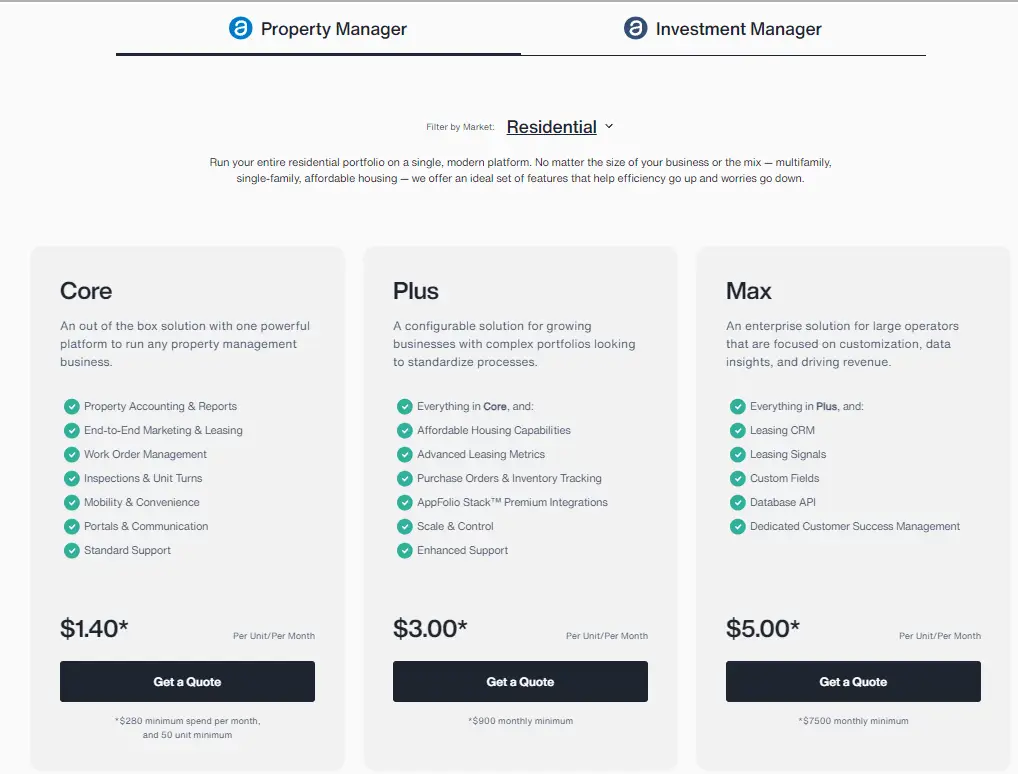
For landlords with 1 to 10 units, platforms like Stessa or TenantCloud remain highly cost-effective, offering robust free tiers with paid add-ons for premium features like professional website hosting or advanced screening. The key is to choose a software that scales with you; avoid overly complex enterprise solutions like Yardi unless you are managing hundreds of units.
How can I handle evictions efficiently?
Efficiency in evictions starts with prevention through rigorous screening. However, if an eviction becomes necessary, the most efficient path is to hire a specialized eviction attorney or service immediately. Attempting to navigate the specific legal timelines and notice requirements of your jurisdiction (such as "3-Day Notices to Pay or Quit") on your own often leads to procedural errors that restart the entire clock, costing you months of lost rent.
Are smart home features actually worth the investment for rentals?
Yes, particularly smart locks and thermostats. Smart locks eliminate the need for "re-keying" between tenants—a task that can cost $100-$200 per turnover. With a smart lock, you simply delete the old code and issue a new one. Smart thermostats prevent tenants from running the AC at 60 degrees with the windows open, which extends the life of your expensive HVAC equipment.
How often should I increase the rent to maintain efficiency?
Efficiency requires keeping pace with inflation and market rates. Small, annual increases (e.g., 3-5%) are generally better received by tenants than a massive 15% increase every three years. This "incremental approach" helps you cover rising property taxes and insurance premiums without triggering a mass exodus of tenants.
What are "Security Deposit Alternatives," and are they safe?
Security deposit alternatives, such as Rhino or Obligo, allow tenants to pay a small monthly fee instead of a large cash deposit. The service then provides the landlord with a guarantee or insurance policy that covers damages or lost rent up to a certain amount. This is highly efficient because it reduces the upfront cash burden on tenants, helping you fill vacancies faster while providing the same level of financial protection.
Strategic Recommendation
To achieve maximum efficiency in 2026, begin by auditing your current "time-leaks." If you spend more than two hours a month on administrative tasks per unit, you are likely under-utilizing automation. Start by migrating your portfolio to a centralized property management platform that offers integrated tenant screening and digital rent collection. Once the administrative foundation is solid, shift your focus to predictive maintenance by installing smart sensors in high-risk areas like water heaters and HVAC units. This two-pronged approach—automating the "paperwork" and technologizing the "brick and mortar"—is the most effective way to protect your margins and ensure the longevity of your real estate investments.