The 23andMe beta testing program is an initiative allowing select users to preview and test unreleased features, software updates, and experimental genetic reports before they launch publicly, helping the company gather critical user feedback and technical validation.
Introduction to Consumer Genetic Beta Programs
Consumer genetic testing platforms like 23andMe operate at the intersection of biotechnology, digital health, and software engineering. As these platforms scale, introducing new features—ranging from novel ancestry breakdown algorithms and health predisposition reports to user interface enhancements—requires rigorous validation. To bridge the gap between internal development and public release, direct-to-consumer genetic companies occasionally deploy beta testing programs.
Understanding the mechanics, requirements, and implications of such testing programs is crucial for users who wish to engage with cutting-edge bioinformatics before they reach the general consumer market. This overview explores how these programs are structured, the typical participant eligibility requirements, data privacy considerations, and the operational balance between innovation and regulatory compliance in consumer genetics.
Objectives and Purpose of Genetic Software Beta Testing
Beta testing in the context of personal genomics serves multiple distinct purposes for both the platform provider and the end user. Unlike traditional software beta tests that focus primarily on user experience and bug tracking, genetic software testing involves complex data pipelines, algorithmic outputs, and sensitive personal health information.
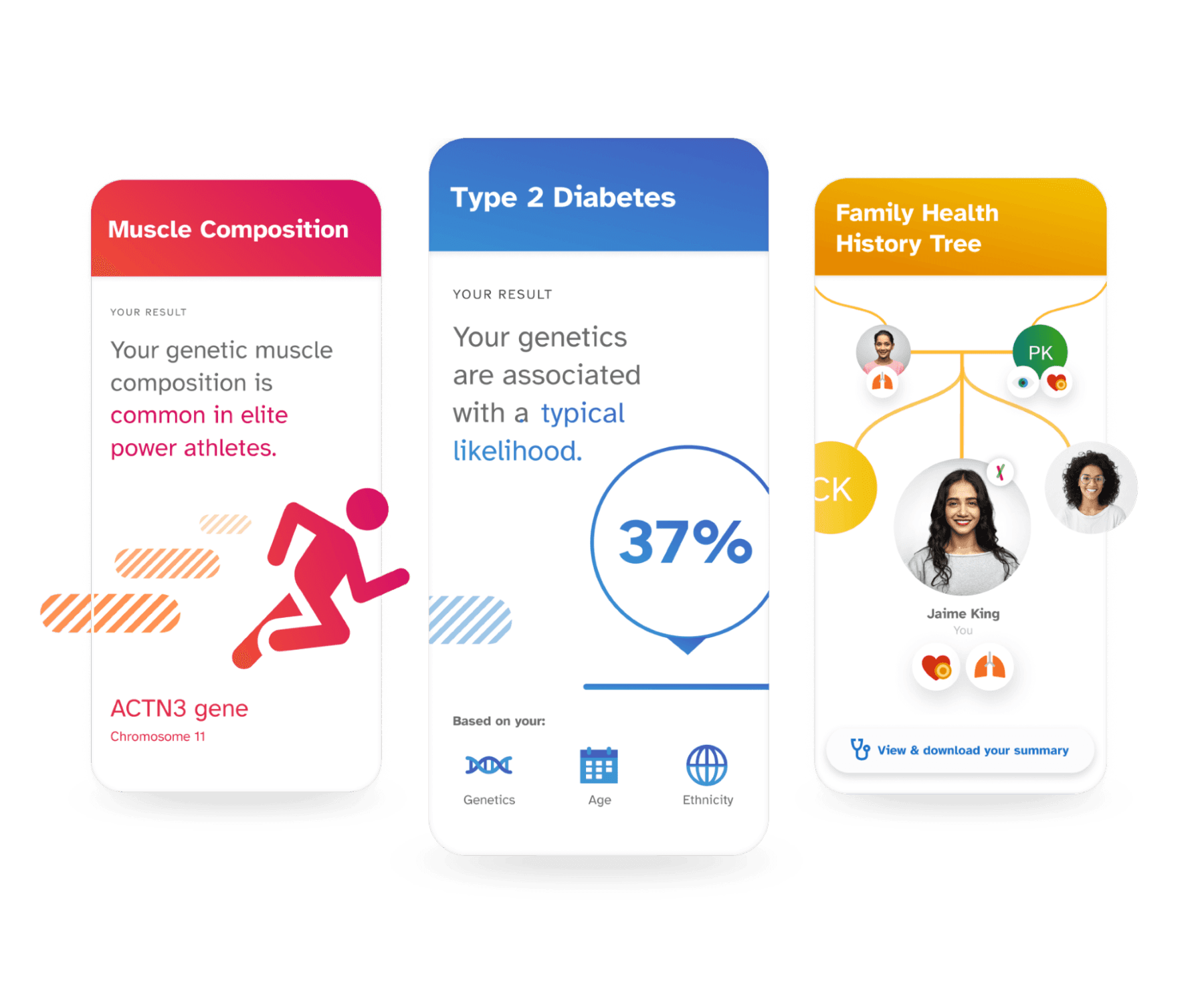
For the company, a beta testing program provides a controlled environment to stress-test computational pipelines. When 23andMe updates its ancestry composition algorithms, recalculates health risk models, or rolls out new family-matching features, deploying these changes to a smaller, opt-in cohort minimizes widespread disruption if unexpected errors or algorithmic anomalies occur. It allows data scientists to evaluate statistical confidence intervals, verify database scaling performance, and monitor server load under real-world conditions.
For participants, engagement in a beta program offers early access to developmental features. Users with a keen interest in bioinformatics, genetic genealogy, or personalized wellness can explore experimental tools months before public release. However, this early access often comes with trade-offs, including unpolished user interfaces, features that may be modified or discontinued entirely, and occasional statistical revisions as underlying algorithms are refined.
Eligibility, Enrollment, and User Requirements
Access to specialized testing or development programs within commercial genetic platforms is rarely open to the general public on an unrestricted basis. Typically, participation is governed by specific criteria designed to ensure data integrity and user alignment with the goals of the engineering team.
Account Prerequisites and Genetic Profile Status
To be considered for specialized feature testing, an individual generally must meet baseline requirements:
- Active Registered Account: Users must possess an active, verified 23andMe user profile with an already processed DNA sample. Unregistered kits or accounts pending laboratory analysis are typically ineligible.
- Terms of Service Compliance: Participants must be in good standing, having agreed to the platform's standard terms of service, privacy statements, and research consent protocols (if applicable).
- Geographic and Regulatory Limitations: Due to varying international regulations regarding direct-to-consumer genetic health tests—such as differing frameworks enforced by the U.S. Food and Drug Administration (FDA) or European health authorities—beta features involving health reports may be restricted by jurisdiction.
Enrollment Mechanics
When a testing cohort is opened, invitations are usually distributed via email to active account holders who have opted into marketing communications or research updates. In some instances, opt-in toggles are integrated directly into the account settings dashboard under privacy or preferences tabs. Because these cohorts are often limited by sample size to ensure manageable feedback collection, enrollment may close rapidly once capacity is reached.
Comparison of Standard Features Versus Beta Features
Navigating experimental software requires a clear distinction between officially supported commercial features and developmental tools. The table below outlines the core operational differences between standard 23andMe offerings and beta program environments.
| Feature Dimension | Standard Public Offering | Beta Testing Program |
|---|---|---|
| Stability | Fully validated, stable algorithms and user interfaces. | Experimental, subject to frequent updates, tweaks, or bugs. |
| Support Coverage | Supported by standard customer care channels and help center articles. | Limited support; issues are typically routed to developer feedback forms. |
| Data Permanence | Permanent or long-term historical records and reports. | Features or data outputs may be altered, reset, or removed entirely. |
| Access Control | Available to all customers within supported geographic regions. | Restricted to opt-in cohorts, specific account types, or invited users. |
| Regulatory Status | Complies with finalized clearance, approval, or regulatory notifications. | May operate under investigational frameworks or pre-market review stages. |
Data Privacy, Security, and Research Consent Implications
Engaging with experimental software on a genetic testing platform introduces distinct considerations regarding data privacy and governance. Genetic data is uniquely sensitive, immutable, and personally identifiable. Consequently, testing new software layers requires stringent security protocols.
When users opt into testing initiatives, their raw genetic data does not change, but the computational interpretations derived from that data may be processed through newly developed analytical pipelines. Participants must review whether their participation in software testing intersects with 23andMe’s broader Research Program. While standard feature testing focuses on user experience and software bugs, some beta initiatives run concurrently with institutional review board (IRB)-approved research studies designed to validate new genetic associations or scientific discoveries.
Users should verify whether opting into a testing cohort changes their data-sharing preferences. Companies generally maintain strict encryption standards and data anonymization practices during testing phases, ensuring that experimental feedback cannot be easily tied back to an individual's specific genetic variants outside of secure internal databases.
Common Challenges and Troubleshooting in Beta Environments
Participants exploring experimental features often encounter technical hurdles that differ from standard web or mobile application usage. Recognizing these issues helps manage expectations and improves the quality of feedback submitted to engineering teams.
Common Issues
- Algorithmic Fluctuations: Users may notice sudden shifts in ancestry percentages or health risk calculations as developers calibrate the underlying reference populations or statistical models.
- Interface Incompatibilities: Experimental layouts may fail to render correctly on specific mobile operating systems, browser versions, or screen resolutions.
- Feature Deprecation: A feature tested over several weeks may be permanently shelved if internal validation data reveals statistical inconsistencies or user experience friction.
Troubleshooting Steps
- Clear Cache and Cookies: Outdated browser cache frequently causes rendering errors when new web application scripts are deployed. Clearing local browser storage often resolves display bugs.
- Verify App Versions: Ensure that mobile applications are updated to the latest available version via official app stores, as beta server endpoints often require matching client-side software.
- Submit Constructive Feedback: Utilize designated reporting links or feedback forms provided within the beta interface. Detailed bug reports—including device specifications, browser types, and exact steps to reproduce an error—are significantly more valuable to engineering teams than generic error statements.
Frequently Asked Questions
Is participation in a 23andMe beta program free?
Yes, participation in software testing or feature preview programs is generally free for eligible account holders who already own a processed DNA kit. There are no additional subscription fees required to test unreleased software features, provided your account meets all baseline criteria.
Will my genetic results change permanently if I join a beta test?
Standard, finalized reports stored in your permanent profile are typically unaffected by temporary software tests. However, experimental reports viewed during a beta phase may be subject to recalculation, version updates, or complete removal once the testing cycle concludes.
Can anyone with a 23andMe account join these programs?
Not always. While some features are rolled out broadly as optional account settings, many specialized testing cohorts have strict capacity limits or regional restrictions based on local regulatory frameworks and specific demographic or kit-version requirements.
How do I provide feedback on experimental features?
Companies usually supply dedicated feedback mechanisms directly within the experimental interface, such as embedded survey links, bug-reporting buttons, or specialized email channels dedicated to the product development team.
Does joining a beta program affect my data privacy?
Joining a software testing program does not alter the fundamental security protections of your data, but you should carefully review the specific terms presented during enrollment to confirm whether your interactions or feedback contribute to ongoing scientific research.
Practical Recommendations for Participants
For users accepted into consumer genetic testing and feature preview initiatives, maintaining a balanced perspective is essential. Approach experimental tools with curiosity and an understanding that software under development is inherently subject to change. Always maintain backups or screenshots of historical report versions if you are tracking specific genealogical or health-related data points independently.
If you encounter persistent technical failures, prioritize submitting clear, actionable feedback to the platform’s engineering team rather than relying on standard customer support channels, which are typically optimized for finalized commercial products. By engaging constructively, participants play a vital role in shaping the future usability, accuracy, and accessibility of personal genomics platforms.