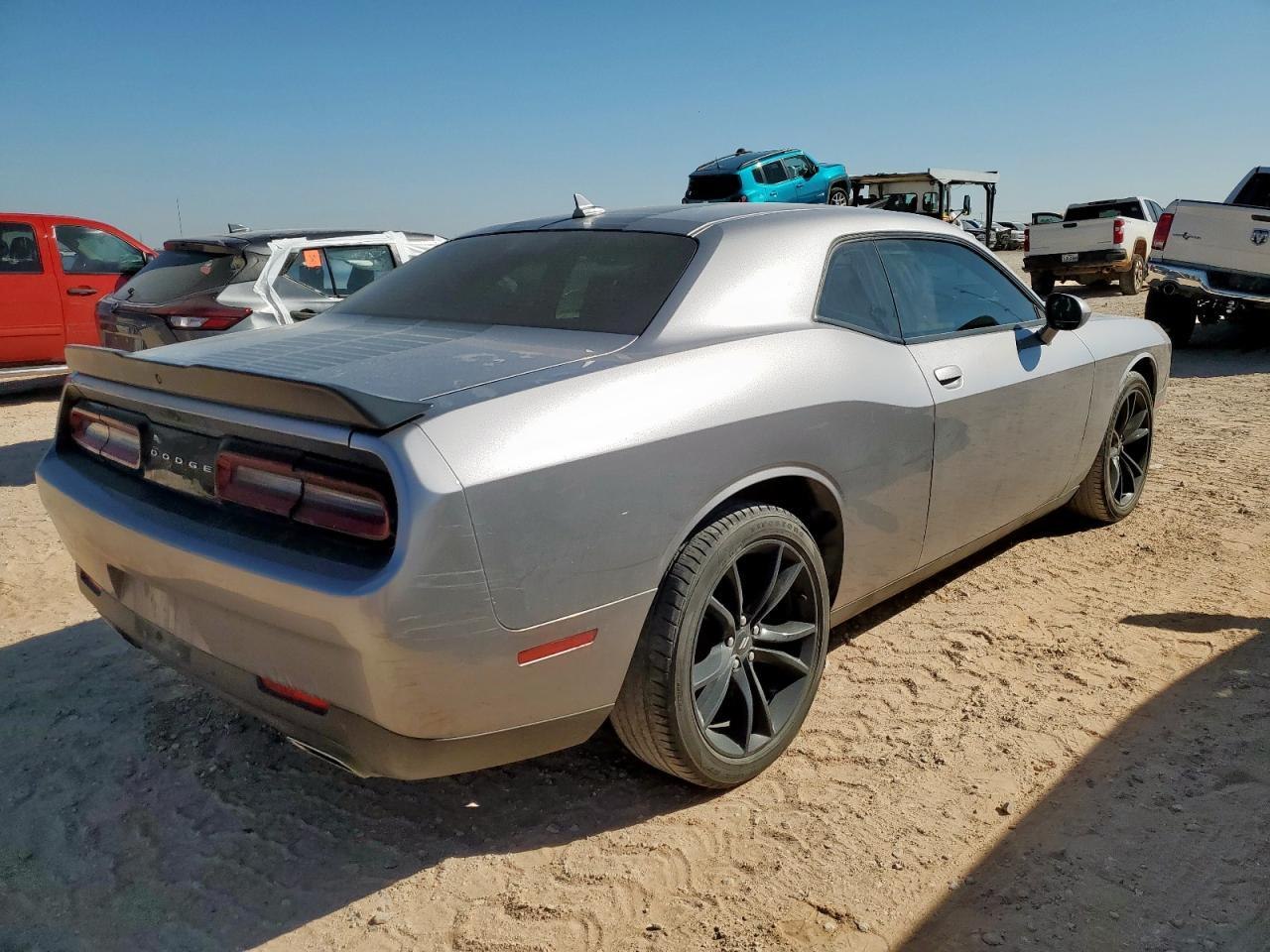
The 2018 Dodge Challenger V6 combines iconic muscle car styling with everyday efficiency and a comfortable cabin, utilizing a 3.6-liter Pentastar V6 engine paired with an eight-speed automatic transmission. Available in rear-wheel drive and, uniquely for its class, all-wheel drive configurations, it serves as a practical, highly daily-driveable alternative to the fuel-thirsty V8 models.
When looking at muscle cars, attention usually goes straight to the roaring V8 variants like the R/T, SRT, or Hellcat. Yet, the base and mid-tier trims featuring the Pentastar V6 engine represent the vast majority of Challengers seen on public roads. Released during a time when Fiat Chrysler Automobiles (FCA) was continuously refining its aging LA platform, the 2018 model year brought notable updates to the infotainment landscape and trim packaging. Whether you are shopping for a reliable used cruiser, exploring winter-capable sports car options, or trying to understand the mechanical differences between the V6 and its V8 siblings, evaluating the 2018 Dodge Challenger V6 requires looking closely at its specifications, everyday performance, common maintenance quirks, and market positioning.
Understanding the 2018 Challenger V6 Powertrain
At the heart of the 2018 Dodge Challenger V6 is the ubiquitous 3.6-liter Pentastar V6 engine. Known across multiple FCA and Stellantis vehicles, this dual-overhead-cam (DOHC) 24-valve engine is constructed with an aluminum block and aluminum cylinder heads. In the Challenger, it is tuned to produce 305 horsepower at 6,350 rpm and 268 lb-ft of torque at 4,800 rpm.
While 305 horsepower might sound modest compared to the 485 horsepower of the 6.4L HEMI V8, it is more than adequate for spirited highway driving and daily commuting. The engine uses variable valve timing (VVT) to optimize breathing across the rev range, yielding a broad power band that prevents the car from feeling sluggish off the line.
Crucially, the 3.6L V6 is mated exclusively to the ZF-sourced TorqueFlite 8-speed automatic transmission (designated as the 845RE or 8HP50 depending on the specific drivetrain configuration). This transmission is widely praised for its smooth shifting, intelligent gear selection, and ability to keep the Pentastar engine in its optimal power band. Unlike older four- or five-speed automatics, the 8-speed ensures that highway cruising occurs at very low RPMs, benefiting both fuel economy and cabin quietness.
Trim Levels and Drivetrain Configurations
The 2018 Dodge Challenger V6 is offered primarily in two trim levels: the base SXT and the slightly better-equipped SXT Plus. However, the mechanical landscape is defined by whether you choose rear-wheel drive (RWD) or all-wheel drive (AWD).
SXT vs. SXT Plus
- SXT: The entry-level model comes standard with 18-inch alloy wheels, automatic headlights, keyless entry and ignition, a leather-wrapped steering wheel and shifter, a power-adjustable driver’s seat, Bluetooth, a 7-inch touchscreen running the Uconnect 4 system, Apple CarPlay, Android Auto, and a six-speaker audio system.
- SXT Plus: This trim adds premium features that elevate the interior comfort closer to higher-end trims. It includes Nappa leather upholstery, heated and ventilated front seats, a heated steering wheel, an upgraded 8.4-inch Uconnect touchscreen with navigation capability, an 8.6-speaker Alpine audio system (or an available 18-speaker Harman Kardon system), and rear parking sensors.
Rear-Wheel Drive (RWD) vs. All-Wheel Drive (AWD)
One of the most significant selling points of the 2018 Challenger V6 is the availability of an all-wheel-drive system, which can only be paired with the V6 engine and the 8-speed automatic transmission.
- RWD Models: Traditional muscle car layout. Offers a slightly lower curb weight, quicker steering response, and the classic rear-end push, though it requires winter tires or careful throttle management in snowy climates.
- AWD Models (GT / SXT AWD): Features an active transfer case and front-axle disconnect system. Under normal driving conditions, the front axle is completely disconnected, sending 100% of the power to the rear wheels to maximize fuel efficiency. When slip is detected, or based on external temperature and windshield wiper usage, the system seamlessly engages the front wheels to provide enhanced traction. This makes the Challenger AWD a viable year-round daily driver in northern climates.
Performance Metrics and Fuel Economy
Performance numbers for a heavy grand tourer like the Challenger V6 reflect its substantial physical footprint. Weighing roughly 3,858 pounds for the RWD model and upwards of 4,000 pounds for the AWD variant, it is a heavy car.
- 0-60 mph Acceleration: Approximately 6.3 to 6.4 seconds for the RWD model, while the heavier AWD model typically clocks in around 6.5 to 6.6 seconds.
- Quarter Mile: Roughly 14.8 to 15.0 seconds at around 95 mph.
- Top Speed: Electronically limited to approximately 124 mph.
Where the V6 shines brightly over its V8 siblings is at the fuel pump. According to EPA estimates, the rear-wheel-drive 2018 Challenger V6 achieves:
- City: 19 mpg
- Highway: 30 mpg
- Combined: 23 mpg
The all-wheel-drive variant takes a minor fuel economy penalty due to the added mechanical drag and weight:
- City: 18 mpg
- Highway: 27 mpg
- Combined: 21 mpg
These figures make the V6 Challenger a practical commuter car capable of long road trips without frequent stops at gas stations, a stark contrast to the fuel consumption of the 5.7L, 6.4L, or supercharged engines.
Interior Comfort, Space, and Technology
The interior of the 2018 Dodge Challenger is a masterclass in packaging space, offering genuine comfort that its direct competitors (the Ford Mustang and Chevrolet Camaro) simply cannot match. Because of its large footprint and boxy proportions, the Challenger provides a spacious cabin with adult-friendly rear seating and a massive trunk.
Cabin Dimensions and Practicality
- Front Headroom / Legroom: 39.3 inches / 42.0 inches
- Rear Headroom / Legroom: 37.1 inches / 33.1 inches
- Trunk Capacity: 16.2 cubic feet
Unlike the cramped rear seats of the Mustang or Camaro, the Challenger can actually transport four adults in reasonable comfort, making it a functional daily driver or family car for small households. The trunk is exceptionally deep and wide, easily swallowing luggage, golf clubs, or grocery hauls.
Infotainment and Electronics
The 2018 model year was a watershed moment for FCA interior technology because the fourth-generation Uconnect system became standard across the lineup.
- Uconnect 4 (7-inch screen): Standard on the base SXT, featuring crisp graphics, quick response times, and standard Apple CarPlay and Android Auto integration.
- Uconnect 4C / 4C NAV (8.4-inch screen): Available on the SXT Plus, this larger screen is widely regarded as one of the best infotainment interfaces in the automotive industry. It offers split-screen capability, drag-and-drop menus, and robust voice recognition.
Specifications Comparison: 2018 Challenger V6 vs. V8 Trims
To understand where the V6 sits in the broader Challenger hierarchy, reviewing its specifications alongside the entry-level V8 provides valuable context.
| Feature / Metric | 2018 Challenger SXT (V6 RWD) | 2018 Challenger GT (V6 AWD) | 2018 Challenger R/T (5.7L V8) |
|---|---|---|---|
| Engine Type | 3.6L Pentastar V6 | 3.6L Pentastar V6 | 5.7L HEMI V8 |
| Horsepower | 305 hp @ 6,350 rpm | 305 hp @ 6,350 rpm | 372–375 hp @ 5,150 rpm |
| Torque | 268 lb-ft @ 4,800 rpm | 268 lb-ft @ 4,800 rpm | 400–410 lb-ft @ 4,300 rpm |
| Transmission | 8-Speed Automatic | 8-Speed Automatic | 6-Speed Manual / 8-Speed Auto |
| Drivetrain | Rear-Wheel Drive (RWD) | All-Wheel Drive (AWD) | Rear-Wheel Drive (RWD) |
| EPA Fuel Economy | 19 City / 30 Hwy / 23 Comb | 18 City / 27 Hwy / 21 Comb | 15 City / 23 Hwy / 18 Comb (Auto) |
| Curb Weight | ~3,858 lbs | ~4,136 lbs | ~3,950–4,180 lbs |
| Brakes | Standard V6 Brakes | Standard V6 Brakes | Performance Brakes |
Common Mechanical Issues and Maintenance Considerations
While the 3.6L Pentastar V6 engine is generally robust and capable of high mileage with proper care, second-generation iterations (including the 2018 model) have a few known trouble spots that buyers and owners should monitor.
- Oil Filter Housing / Cooler Leaks: A very common issue across Pentastar engines involves the plastic oil filter adapter housing located in the valley of the V6. Over heat cycles, the plastic warps or cracks, leading to coolant and oil leaks pooling in the engine valley. Upgraded aftermarket aluminum replacements are widely available and serve as a permanent fix.
- Rockers and Lifters: High-mileage Pentastar engines can occasionally experience ticking noises originating from worn rocker arms and lifters, often caused by inadequate oil maintenance or infrequent changes. Regular oil changes using the specified 5W-20 synthetic oil are critical to preventing this wear.
- Coolant Consumption: Some owners report minor coolant loss over extended intervals. This is frequently traced to failing water pumps or minor seepage at plastic cooling system fittings.
- Suspension Component Wear: Because the Challenger is a heavy vehicle, front suspension components—specifically lower control arm bushings, tie rod ends, and sway bar links—take a beating. Clunking noises over bumps or loose steering feel usually indicate that these wear items need replacement.
Pros and Cons of Ownership
Evaluating whether a 2018 Dodge Challenger V6 fits your lifestyle requires weighing its distinct advantages against its inherent limitations.
Advantages
- Distinctive Muscle Car Styling: Delivers the aggressive, wide-body stance and classic retro aesthetic of a V8 muscle car without the high insurance and fuel penalties.
- Exceptional Daily Usability: Features a comfortable ride, spacious cabin, excellent rear seating, and a massive trunk that make it a true grand tourer.
- All-Weather Capability: The availability of an advanced AWD system makes it the only modern American muscle car suited for snowy winter climates.
- Modern Infotainment: Standard Apple CarPlay and Android Auto on snappy, high-resolution touchscreens.
- Reliable Transmission: The ZF 8-speed automatic is durable, smooth, and quick-shifting.
Disadvantages
- Heavy Curb Weight: The sheer mass of the vehicle blunts acceleration performance and nimble handling compared to lighter rivals like the Ford Mustang EcoBoost or Chevrolet Camaro V6.
- Lack of Manual Transmission Option: The V6 engine is strictly paired with the 8-speed automatic; buyers wanting a manual stick-shift must step up to the V8 R/T models.
- Outdated Platform Architecture: Based on an older platform, making it feel large and cumbersome in tight parking lots or technical autocross courses.
- Muted Exhaust Note: The Pentastar V6 produces a civilized hum rather than the deep, guttural exhaust roar characteristic of HEMI V8 models.
Frequently Asked Questions
Is the 2018 Dodge Challenger V6 fast?
The Challenger V6 is quick rather than blazing fast. With 305 horsepower, it achieves 0-60 mph in roughly 6.3 seconds. While it easily keeps pace with modern traffic and offers strong highway passing power, it is tuned for cruising and comfort rather than raw drag strip acceleration.
Can you get a manual transmission with the 2018 Challenger V6?
No. Dodge pairs the 3.6-liter Pentastar V6 exclusively with the TorqueFlite 8-speed automatic transmission. If a manual transmission is a non-negotiable requirement, you must look at the V8-powered Challenger R/T or higher trims.
How does the AWD system work on the V6 Challenger?
The AWD system operates automatically. Under normal driving conditions, it disconnects the front axle entirely to save fuel. When sensors detect wheel slip, low ambient temperatures, or active windshield wiper use, it instantly engages the front wheels to distribute torque and improve stability.
Is the V6 Challenger expensive to maintain?
Maintenance costs for the 2018 Challenger V6 are quite reasonable compared to V8 or SRT models. Standard parts, brakes, and tires are widely available and relatively inexpensive. Routine services mirror standard sedan maintenance, though you should watch for potential oil filter housing leaks.
What is the difference between the SXT and SXT Plus?
The primary differences lie in comfort and technology features. The SXT Plus adds Nappa leather seating, heated and ventilated front seats, a heated steering wheel, rear parking sensors, and upgrades the infotainment system to the larger 8.4-inch Uconnect touchscreen with enhanced audio options.
Practical Next Steps for Prospective Buyers
If you are currently shopping for a used 2018 Dodge Challenger V6, prioritize finding a model with a documented service history, verifying that regular synthetic oil changes were performed on schedule. Inspect the engine valley around the oil filter housing for any signs of pooling oil or coolant, as this is the most common pre-purchase inspection failure point for this powertrain. Test-drive both the RWD and AWD models if you live in a region with heavy winter weather to determine whether the traction benefits of the AWD system outweigh the slightly lighter, more traditional feel of the rear-wheel-drive configuration. Ensure that any vehicle you consider undergoes a thorough pre-purchase inspection by an independent mechanic to assess suspension bushings, brake life, and electronic systems before finalizing your purchase.