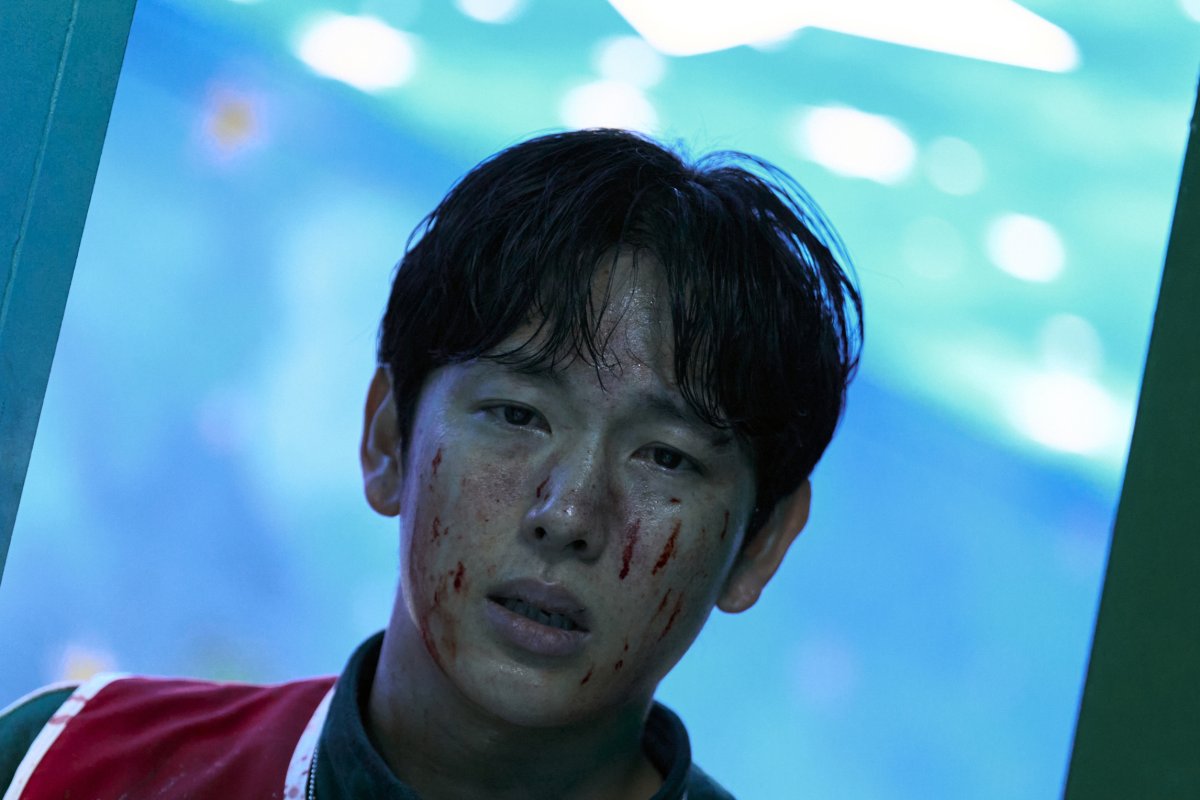
Player 120’s fate in Squid Game Season 2 is a focal point of audience speculation, driven by the intense survival mechanics, high-stakes psychological drama, and unpredictable character arcs that define creator Hwang Dong-hyuk’s dystopian universe. While specific narrative details and survival outcomes unfold within the episodic structure of the second season, tracking the character's journey requires analyzing the precise rules of the games, the motivations of the contestants, and the overarching rebellion plotted by Seong Gi-hun (Player 456).
The psychological weight of the games intensifies significantly in the second season as Gi-hun returns not merely to play, but to dismantle the entire operational infrastructure from the inside. Within this high-tension environment, secondary characters like Player 120 serve vital narrative functions, representing the diverse cross-section of desperate individuals trapped by insurmountable personal debt and systemic societal failures. Examining how Player 120 navigates the lethal arenas, interacts with factions, and confronts or succumbs to the horrific trials provides a comprehensive window into the broader themes of mortality, compliance, and resistance that drive the narrative forward.
The Structural Evolution of Squid Game Season 2
To understand any individual player's journey, including that of Player 120, one must first examine how the organizational rules and environment of the games have evolved between the first and second seasons. When Netflix greenlit the continuation of the global phenomenon, the production team expanded both the scope of the arenas and the ideological conflict between the game masters and Gi-hun.
In the second season, the lethal competition retains its core structure—traditional children's games turned fatal—but introduces new psychological pressures. The Front Man (Hwang In-ho) operates with heightened scrutiny, anticipating Gi-hun's disruptive efforts. Consequently, every participant, from major supporting figures down to background numbers like Player 120, faces an altered dynamic where trusting a neighbor is even more hazardous than before.
| Game Phase | Core Objective | Primary Survival Threat |
|---|---|---|
| Initial Recruitment | Selection and transport of indebted individuals | Deception, coercion, lack of informed consent |
| Dormitory Phase | Alliance building and psychological warfare | Factionalism, nighttime violence, paranoia |
| Lethal Trials | Execution of traditional children's games | Strict adherence to rules, physical elimination |
| The Rebellion | Sabotage from within by Player 456 and allies | Front Man surveillance, guard intervention, betrayal |
Character Context and Positioning of Player 120
Background and minor-numbered contestants in the Squid Game universe often act as barometers for the broader participant pool. While the main narrative naturally gravitates toward characters with deep backstories—such as Gi-hun, the Front Man, and the returning detective Hwang Jun-ho—players occupying slots like 120 embody the silent majority of the arena.
When analyzing Player 120's involvement, viewers and analysts look closely at specific operational moments:
- Initial Dissent: How the character reacts to the majority vote to terminate the games after the first lethal round.
- Alliance Formation: Whether Player 120 aligns with Gi-hun’s factional resistance or joins protective groups formed by other desperate contestants.
- Survival Milestones: Performance metrics across individual and team-based trials where minor errors result in immediate execution by the pink-suited guards.
The stakes for every participant remain absolute. The prize pool accumulates in real-time as bodies drop, turning human lives into literal currency visible in the giant piggy bank suspended above the dormitory. Player 120's presence in this gruesome economy underscores the series' central critique of late-stage capitalism, where marginalized people are reduced to digits on a ledger.
The Mechanics of Elimination and Survival
Every death in the Squid Game arena is meticulously orchestrated, governed by rigid protocols that reinforce the illusion of a fair, rule-bound meritocracy controlled by the VIPs. For a contestant like Player 120, survival depends on a combination of physical agility, psychological resilience, and sheer fortune.
Pre-Game Psychological Conditioning
Before stepping onto the turf, contestants undergo rigorous screening, though their desperation blinds them to the true cost. Once inside, the shock of the first game—typically Red Light, Green Light—shatters any lingering disbelief. Player 120’s reaction to this initial trauma sets the baseline for their endurance throughout subsequent rounds.
Team Dynamics and Betrayal
As the games progress from large-scale group events to intimate, adversarial trials, alliances inevitably fracture. The narrative structure of Squid Game relies on forcing friends and strangers into zero-sum scenarios. If Player 120 participates in team-based challenges, their fate is frequently tied to the reliability of their peers, highlighting the systemic cruelty engineered by the creators of the competition.
The Impact of Gi-hun’s Rebellion on Fellow Contestants
A defining characteristic of Season 2 is Seong Gi-hun’s active campaign to subvert the games rather than simply win the prize money. Armed with the knowledge of how the organization functions, Gi-hun attempts to rally other players, urging them to vote out, share information, and resist the guards.
This rebellion fundamentally alters the survival calculus for contestants like Player 120:
- Divided Loyalties: Players must choose between trusting Gi-hun’s dangerous crusade or siding with pragmatic, self-interested contestants who prioritize individual survival above all else.
- Increased Surveillance: The VIPs and the Front Man monitor dissenting behavior closely, making anyone associated with Gi-hun's anti-game faction an immediate target for elimination.
- Escalated Violence: As internal resistance grows, the game masters introduce psychological torment designed to break solidarity among the participants, often resulting in tragic outcomes for supportive or neutral players.
Frequently Asked Questions
Does Player 120 survive the events of Squid Game Season 2?
Player 120's exact survival outcome depends on the specific game round in which they face elimination. Given the high mortality rate inherent to every round of the competition, only a tiny fraction of the hundreds of initial contestants reach the final stages.
What role do background contestants like Player 120 play in the overarching plot?
Minor-numbered contestants provide essential realism and emotional weight to the series. They represent the anonymous masses of society crushed by debt, ensuring the narrative reflects a wide spectrum of human desperation rather than focusing solely on principal characters.
How does Season 2 differ from the first season regarding player survival?
Season 2 introduces organized resistance led by Seong Gi-hun, which fundamentally changes how players interact. Instead of purely fighting for individual survival, contestants must navigate ideological divides, sabotage plots, and heightened guard surveillance.
Are the games in Season 2 identical to the first season?
While some foundational elements and traditional Korean children's games return, Season 2 features modified rules, new psychological traps, and escalated mind games engineered by the Front Man to counter Gi-hun's inside disruption.
Conclusion and Next Viewing Steps
Analyzing the journey and ultimate fate of contestants like Player 120 in Squid Game Season 2 requires paying close attention to background details, faction alignments, and the shifting rules of each lethal round. To fully appreciate the narrative layers, viewers should re-examine the early dormitory scenes where alliances form and ideological lines are drawn between Gi-hun's resistance and compliant players. Keep track of visual cues, dialogue hints regarding debt origins, and voting tallies to understand how individual fates reflect the broader social commentary of the series.