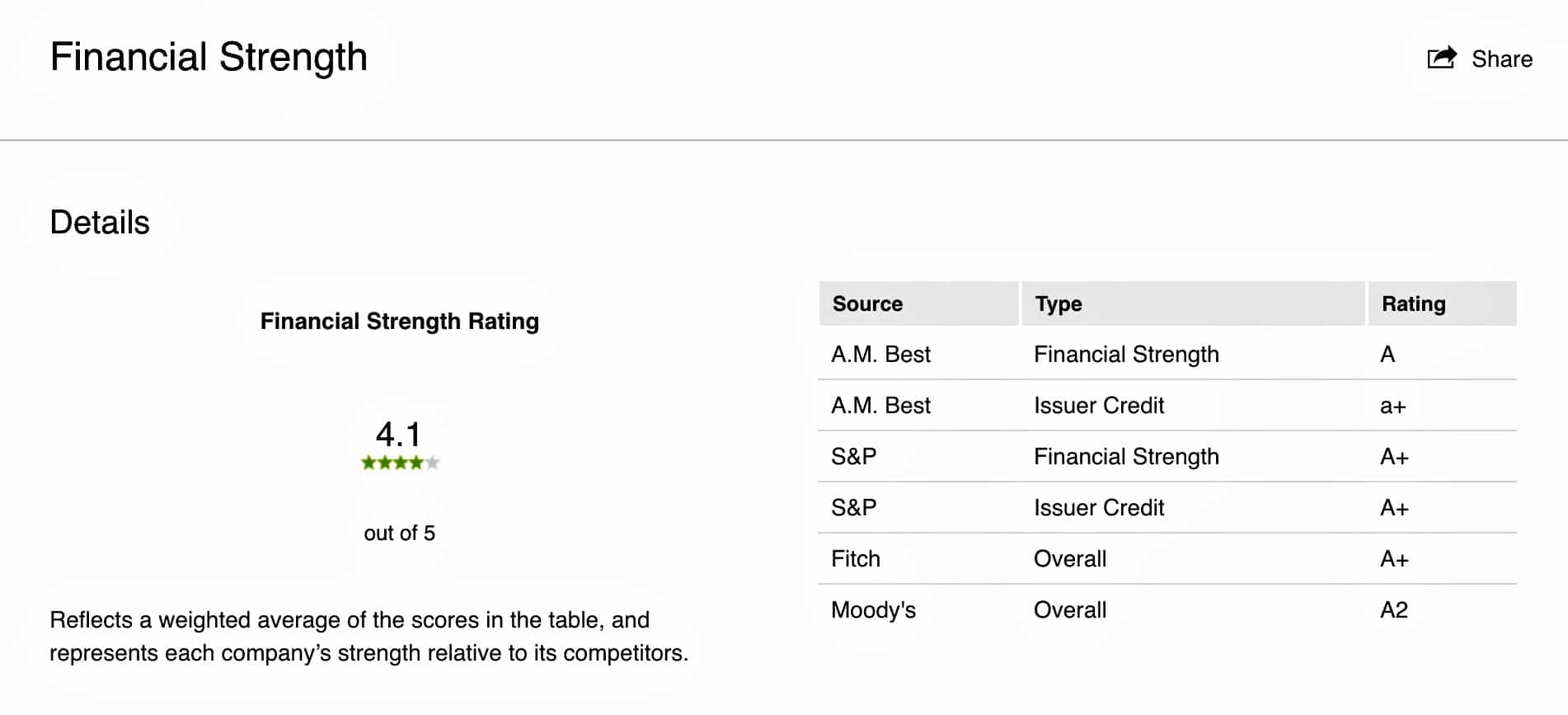
Applying for life insurance in Virginia through American General Life Insurance Company—an AIG member company—involves a standardized underwriting process that assesses individual health risks. When applicants inquire about HIV testing forms, they are navigating a highly regulated intersection of insurance law, medical privacy protections, and underwriting protocols. Understanding the necessity of these disclosures, the legal safeguards surrounding them, and the administrative process for submitting medical information is essential for any applicant in the Commonwealth of Virginia.
Life insurance underwriting serves to quantify the risk an insurer assumes when issuing a policy. For major carriers like American General, the presence of Human Immunodeficiency Virus (HIV) or Acquired Immunodeficiency Syndrome (AIDS) is a material fact that must be evaluated according to state-specific regulations. In Virginia, while the insurance industry is permitted to screen for such conditions, they must adhere to strict guidelines regarding informed consent, confidentiality, and non-discrimination. If you are preparing an application, you will typically encounter questions related to your health history as part of the initial "Part B" medical questionnaire, which acts as the formal declaration of your health status.
The Role of Medical Underwriting in Life Insurance
At the heart of every life insurance application is the underwriting process. Underwriting is the mechanism by which an insurance company evaluates the mortality risk of a potential policyholder. For American General and other major insurers, this involves reviewing medical history, lifestyle factors, and laboratory results. The inclusion of questions regarding HIV is not unique to any single carrier; it is a standard component of the medical history review across the industry to determine eligibility for specific policy tiers.
When you apply for a policy in Virginia, you are required to provide complete and accurate information. The forms provided during the application process serve as a legal attestation of your health. If an insurer requires specific testing, they must secure your explicit written consent, usually through a dedicated medical authorization form. This form grants the insurance company the right to collect medical records from your primary care physician or to conduct a paramedical exam, which may include blood and urine analysis.
Regulatory Protections for Insurance Applicants in Virginia
Virginia maintains a robust legal framework governing how insurers collect and use sensitive health information. The Virginia Bureau of Insurance, part of the State Corporation Commission, oversees these practices to ensure they comply with both state and federal law.
Under Virginia law, insurance companies are prohibited from using unfair methods of discrimination. However, they are permitted to base underwriting decisions on actuarial data regarding life expectancy and health outcomes. This is why you may see HIV-related questions on an application—the insurer is determining the level of risk based on current medical standards.
Crucially, Virginia law provides stringent protections regarding the confidentiality of medical test results. If an insurer mandates an HIV-related test as a condition of coverage, they are required by law to provide the applicant with information regarding:
- The nature and purpose of the test.
- The potential consequences of a positive result.
- The steps the company takes to keep the results confidential.
- The requirement for informed, written consent before the testing occurs.
Understanding the Application Form and Documentation
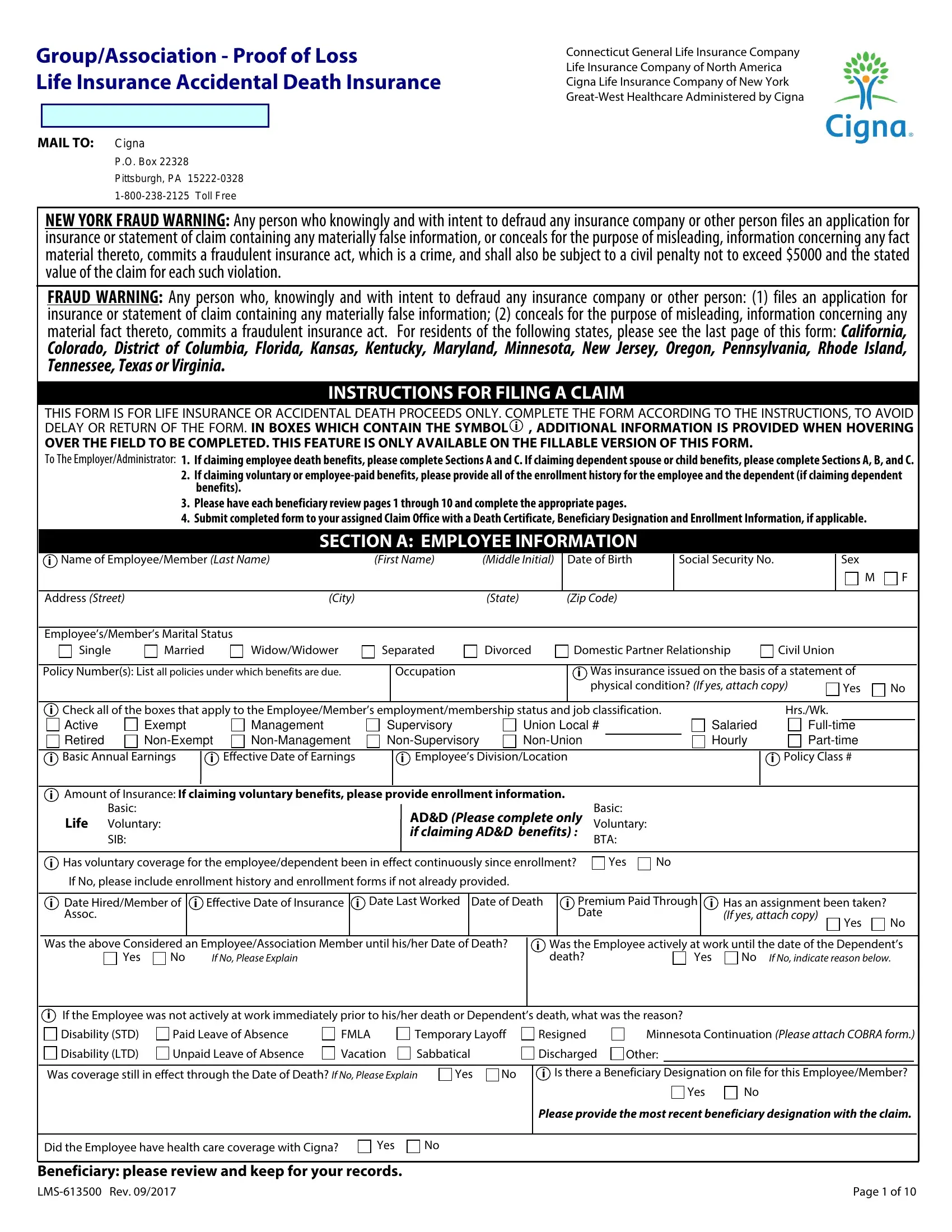
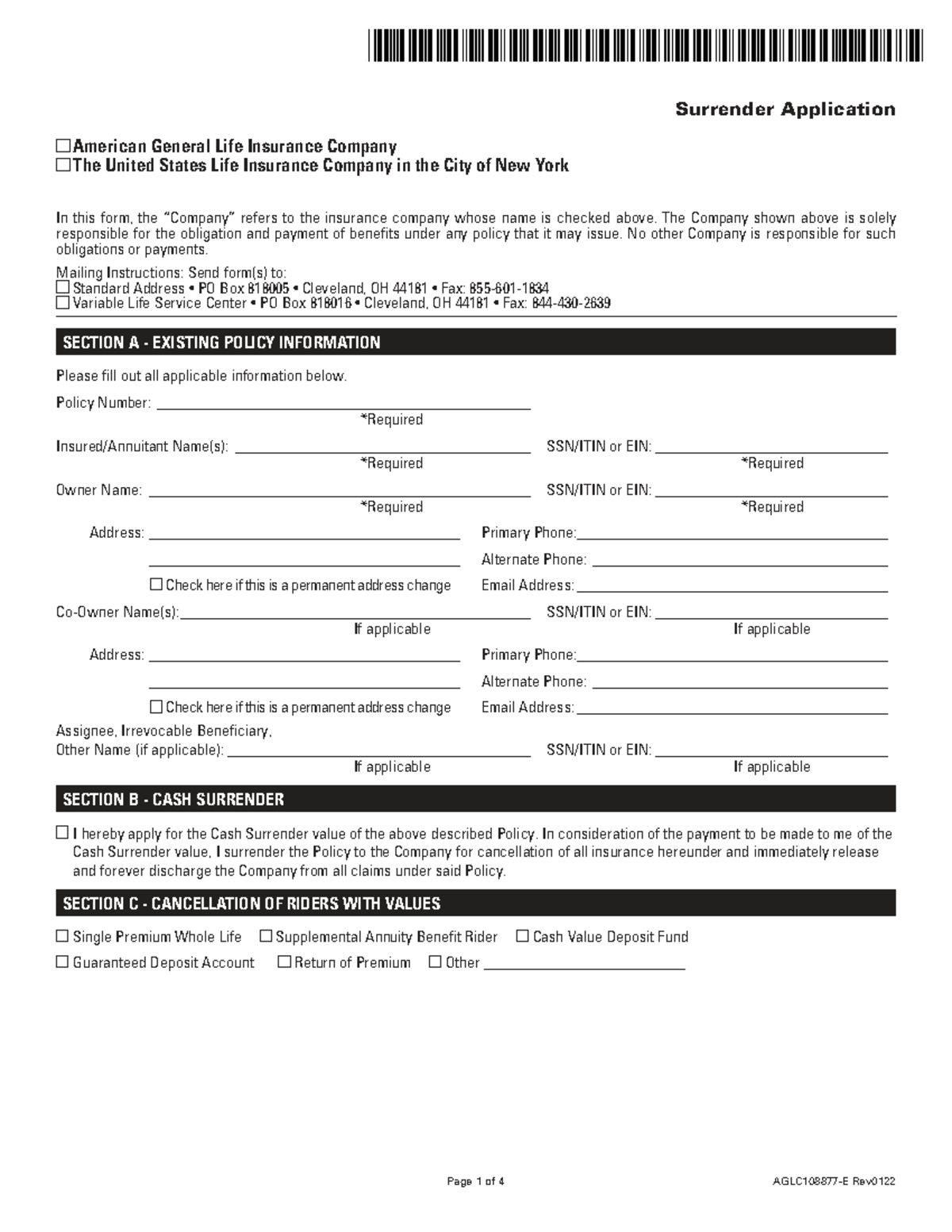
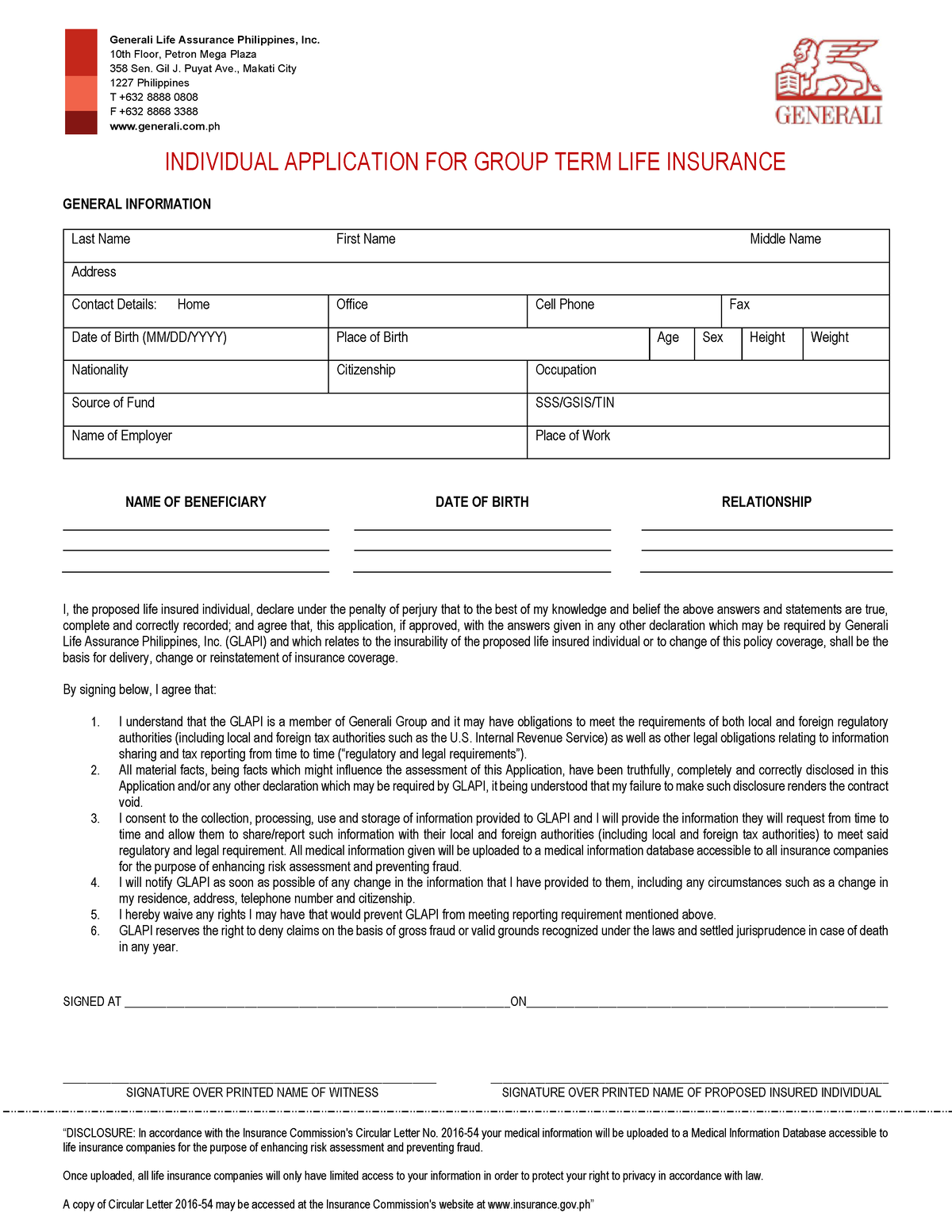
When you interact with American General Life Insurance in Virginia, you will likely encounter several types of documentation. It is important to distinguish between the general medical questionnaire and specific laboratory consent forms.
- The Application (Part A & B): This is the primary document where you answer questions about your medical history. You must answer these honestly, as misrepresenting your health status can lead to the denial of a claim later on or the rescission of the policy.
- Medical Authorization Form: This is a broad authorization that allows the insurer to access your existing medical records from your doctors. This is standard in nearly all life insurance applications.
- Lab Consent/Testing Forms: If your application requires a paramedical exam, you will sign a document specifically authorizing the collection of bodily fluids for laboratory analysis. While these forms may not be titled "HIV Form," they explicitly authorize the testing of blood and urine for various conditions, including HIV, as part of the standard laboratory panel.
The Paramedical Exam Process
In 2026, the process of verifying health status remains heavily reliant on the paramedical exam. If you are applying for a policy that requires such an exam, a professional service will contact you to schedule an appointment at your home or office.
During this appointment, the examiner will collect a blood sample and a urine specimen. These samples are sent to an independent, accredited laboratory. The laboratory performs a standardized "blood chemistry panel," which looks at markers for cholesterol, liver function, kidney function, and, in many cases, antibodies for HIV.
It is vital to understand that the lab results are treated as highly confidential "Protected Health Information" (PHI). Under the Health Insurance Portability and Accountability Act (HIPAA) and Virginia’s specific privacy statutes, American General must handle this data with the highest level of security. You have the right to request a copy of these laboratory results if the insurer uses them to make an adverse underwriting decision (such as a denial or a higher premium rate).
Navigating the Disclosure Requirements
If you have previously received a diagnosis or have undergone treatment, you may be concerned about how to report this on your application. The golden rule is full disclosure. Omitting a known diagnosis or treatment in the hope that it will not be discovered during the medical record retrieval process is a significant risk. Insurance companies have access to the Medical Information Bureau (MIB), a centralized database used by insurance carriers to share information about medical impairments.
If you are currently managing a condition, American General’s underwriting guidelines in 2026 prioritize medical stability. Modern advancements in treatment mean that many individuals living with chronic conditions are insurable, though they may fall into a different "rate class" than individuals without such conditions. Transparency on your initial application is the most reliable way to ensure that your coverage remains in force if a claim is filed by your beneficiaries in the future.
Comparing Underwriting Approaches
The following table outlines how different components of the application process contribute to the underwriting decision for a life insurance policy in Virginia.
| Component | Purpose | Requirement Level |
|---|---|---|
| Medical Questionnaire | Captures applicant's history and lifestyle. | Mandatory for all applicants. |
| Medical Records (APS) | Attending Physician Statement verifies health claims. | Required if triggers are met. |
| Paramedical Exam | Provides current, objective laboratory data. | Required for larger face-amount policies. |
| HIV/Antibody Test | Assesses mortality risk for underwriting. | Standard part of the laboratory panel. |
| Confidentiality Form | Protects data under state/federal law. | Provided with any lab authorization. |
Addressing Common Concerns
Privacy Concerns
Many applicants worry about who will see their medical results. American General is required to keep this information within their underwriting department. Your primary care physician or employer does not have access to these specific results unless you explicitly authorize their release.
Handling Adverse Decisions
If an application is declined or issued with a higher "rating" (cost) due to health information, the insurer must provide you with a notice of adverse action. In Virginia, you have the right to know the specific reasons for this decision. If you believe the decision was based on inaccurate medical information, you have the right to appeal and provide updated records or a letter of support from your treating physician.
Updating Information
If your health changes between the time you submit the application and the time the policy is issued, you have a duty to inform the insurance carrier. This process, known as "re-underwriting," ensures that the information the insurer holds on file is current. Failing to disclose a significant health change during the application window can be viewed as "material misrepresentation."
Frequently Asked Questions
1. Is a specific "HIV form" required by American General in Virginia? There is rarely a standalone form titled only "HIV Form." Instead, HIV testing is authorized under a broader "Laboratory Consent" or "Medical Examination Authorization" form. When you sign these, you are providing informed consent for a full battery of blood and urine tests.
2. Can I refuse the HIV test during the medical exam? You have the right to refuse any part of the medical exam. However, if you refuse a mandatory test requested by the insurance company as part of their underwriting requirements, the insurer has the right to deny your application for coverage due to "incomplete information."
3. Will my employer know if I tested for HIV through my life insurance? No. Life insurance underwriting is a private contract between you and the insurer. The information collected is protected by federal HIPAA regulations and state privacy laws. It is not shared with your employer, even if the policy was offered through a workplace group plan, unless you provide written consent to do so.
4. How do I know if I need a medical exam? The requirement for a medical exam depends on several factors, including your age, the amount of coverage you are applying for (the "face amount"), and your self-reported health history. Younger applicants applying for smaller amounts may sometimes qualify for "accelerated underwriting," which may bypass the physical exam.
5. What happens if I test positive for HIV during the underwriting process? If a test returns a positive result, the underwriting team will review the file based on the company's current medical guidelines. In 2026, many carriers have become more flexible regarding long-term, well-managed health conditions. However, the result will impact the underwriting outcome, potentially leading to a decline in coverage or an offer at a table-rated premium.
Next Steps for Applicants
If you are currently in the process of applying for American General life insurance in Virginia, the most productive step is to gather your medical records before the interview. Ensure that you have a list of all current medications, the names and contact information for all treating physicians, and a summary of any recent diagnoses.
If you are working with an independent insurance agent, communicate openly with them. They are your advocate and can help you navigate the disclosure process to ensure that your application is as accurate and comprehensive as possible. When you reach the stage of signing medical authorizations, read them carefully. You have the right to ask for a copy of any document you sign, and keeping a personal record of your application materials is a recommended best practice for all policyholders.
If you have specific concerns about how a condition might affect your insurability, consult with your primary care physician to ensure your medical records are up to date and accurately reflect your current health status and treatment compliance.