The Internal Revenue Service (IRS) Form 990 is the primary information return for tax-exempt organizations in the United States, designed to provide public transparency regarding an entity's financial activities, governance, and mission-related performance. Understanding the specific terminology within the Form 990 instructions is essential for compliance, as the IRS utilizes these definitions to categorize activities, determine eligibility for continued tax-exempt status, and evaluate potential private benefit or prohibited political activity.
The Purpose and Regulatory Context of Form 990
Form 990 serves as a critical bridge between the non-profit sector and the public. Unlike for-profit corporations that focus on generating returns for shareholders, tax-exempt organizations are granted their status in exchange for providing a public benefit. Consequently, the IRS requires these organizations to disclose extensive details about their operations annually.
The terminology defined within the Form 990 instructions acts as the regulatory framework for these disclosures. When the IRS defines a "disqualified person" or an "independent contractor," those definitions are not merely dictionary entries; they are legal classifications that dictate whether an organization might face excise taxes, penalties, or the revocation of its 501(c)(3) status. For administrators, board members, and tax professionals, mastering this glossary is the first line of defense against audit risk and public scrutiny.
Essential Personnel and Governance Definitions
One of the most complex areas of Form 990 involves the reporting of compensation and related-party transactions. The IRS provides specific terminology to ensure that tax-exempt entities do not engage in "excess benefit transactions," where insiders might siphon off charitable assets.
Disqualified Person
A disqualified person is defined by the IRS as any individual who was in a position to exercise substantial influence over the affairs of the organization at any time during the five-year period ending on the date of an excess benefit transaction. This generally includes voting members of the governing body, officers, directors, and even substantial contributors. Understanding this term is vital because transactions with these individuals face higher scrutiny and potential intermediate sanctions.
Interested Person
An interested person is a broader category than a disqualified person. It includes current or former officers, directors, trustees, and key employees, as well as family members of these individuals and businesses controlled by them. The Form 990 asks organizations to disclose transactions with interested persons to detect potential conflicts of interest that could undermine the organization’s tax-exempt mission.
Key Employee
The IRS defines a key employee based on two factors: the individual’s reportable compensation and their responsibilities. An employee is a key employee if they have responsibilities, powers, or influence over the organization as a whole similar to an officer or director, and their compensation exceeds a specific threshold defined by the IRS (adjusted for inflation periodically).
Financial and Operational Classification Terms
Beyond personnel, the Form 990 relies on precise accounting terminology to classify revenue, assets, and functional expenses.
Functional Expenses
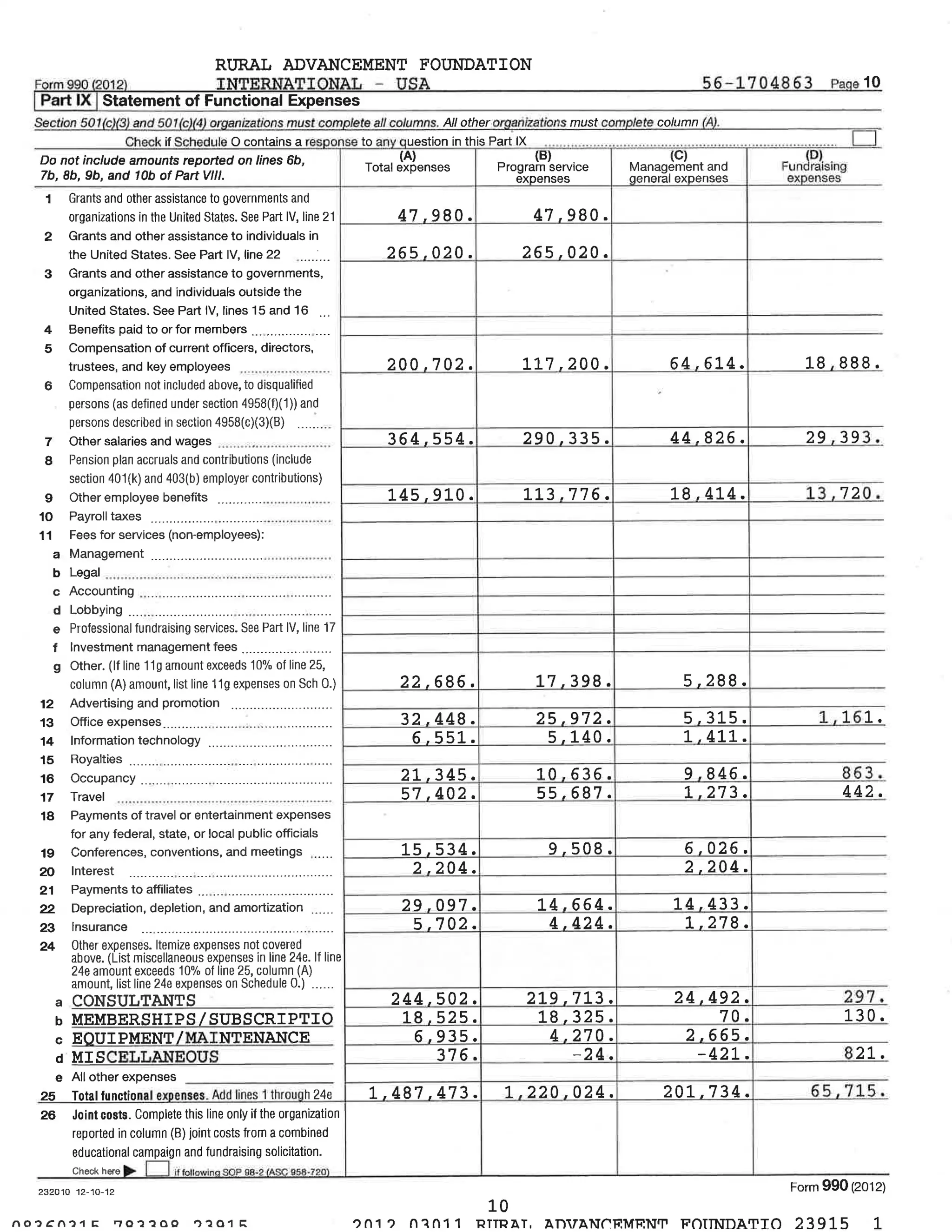
Non-profits must categorize their expenses into three distinct buckets: Program Service Expenses, Management and General Expenses, and Fundraising Expenses.
- Program Service Expenses: Costs directly related to carrying out the organization's exempt purpose.
- Management and General Expenses: Administrative costs that do not directly further the mission but are necessary for the organization’s existence, such as board meetings or legal oversight.
- Fundraising Expenses: Costs incurred to solicit contributions, including direct mail, special events, and professional fundraising services.
Net Assets or Fund Balances
This represents the difference between an organization's assets and its liabilities. In the context of Form 990, this is categorized as either "without donor restrictions" or "with donor restrictions." This distinction is critical because it tells stakeholders and the IRS whether the organization has the liquidity to shift funds toward new programs or if those funds are legally tied to specific, donor-mandated purposes.
Understanding Compliance and Reporting Thresholds
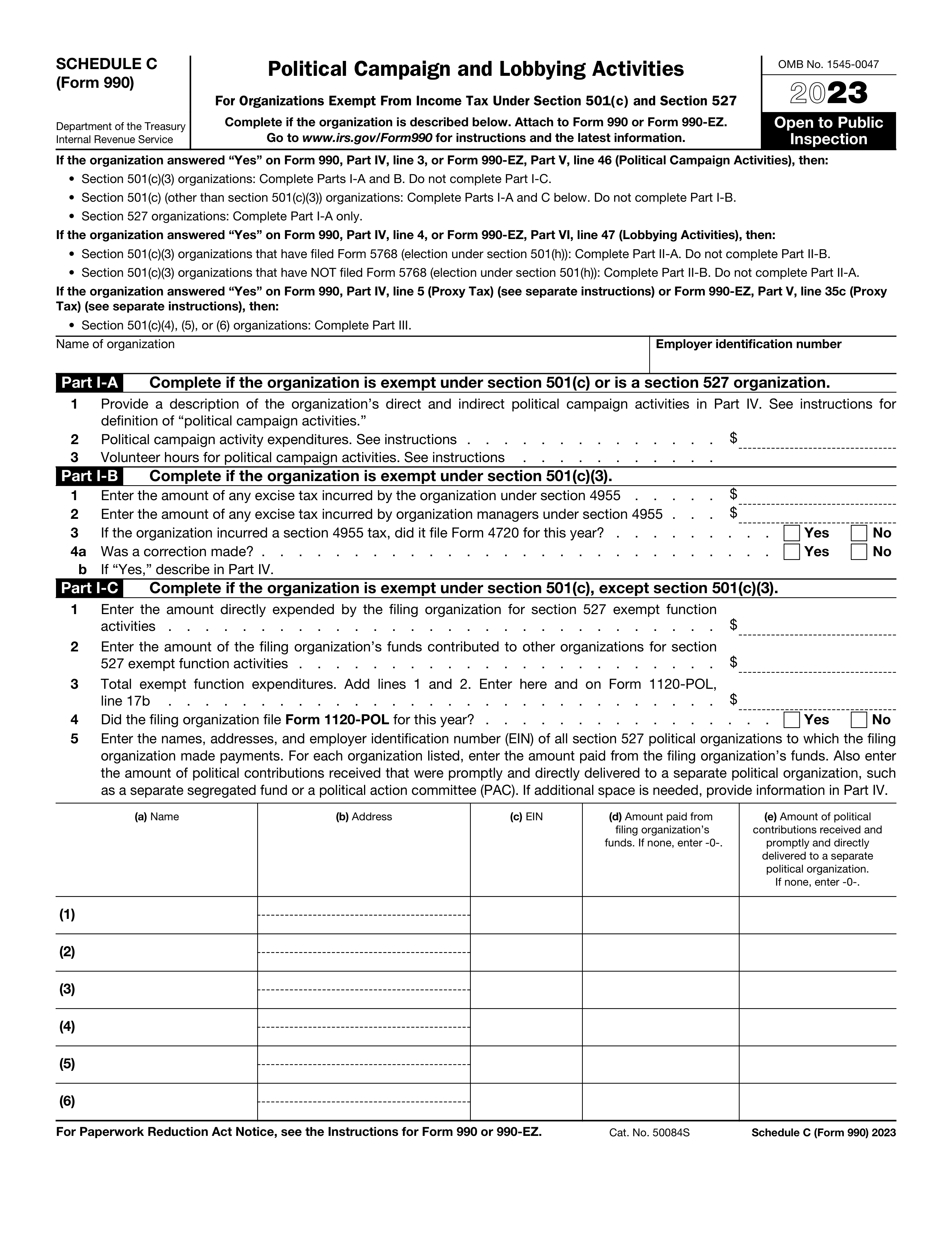
The IRS glossary for Form 990 also includes technical thresholds that dictate whether an organization must fill out certain "schedules." These schedules are additional pages that dive deeper into specific topics.
| Term | Definition Focus | Compliance Implication |
|---|---|---|
| Gross Receipts | Total revenue from all sources prior to subtracting expenses. | Determines eligibility to file a 990-N (e-Postcard) vs. the full 990. |
| Significant Disposition | A sale or transfer of 25% or more of the organization's assets. | Requires detailed reporting on Schedule N to ensure assets remained in the non-profit sector. |
| Public Support | Contributions from the general public vs. investment income. | Used to verify the organization maintains its "Public Charity" status. |
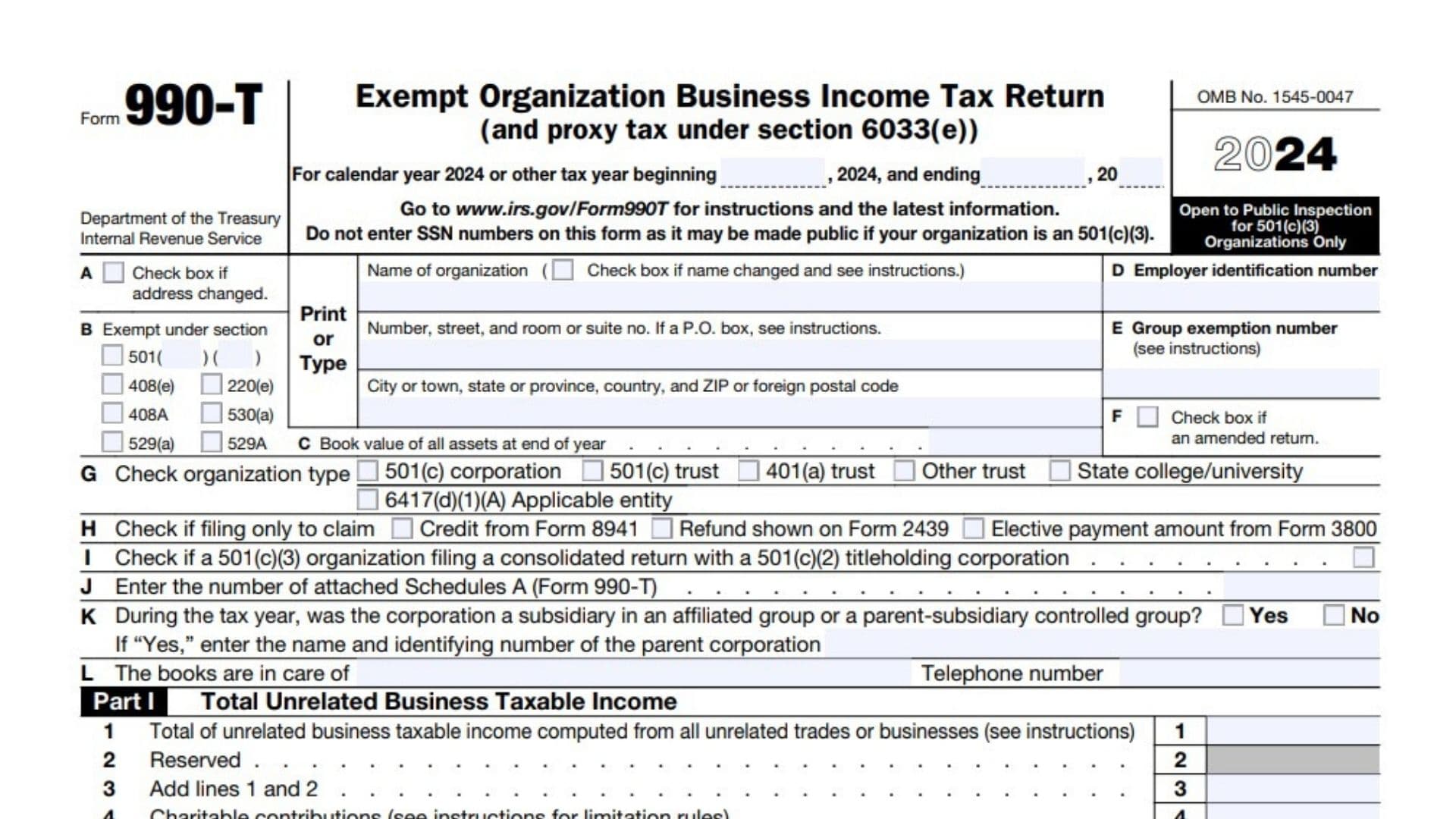
| Unrelated Business Income (UBI) | Income from a trade or business regularly carried on that is not related to the exempt purpose. | May trigger the requirement to file Form 990-T and pay income tax on those specific earnings. |
Common Terminology Pitfalls
Many organizations fall into the trap of using colloquial definitions for terms that the IRS has narrowly defined. For example, the difference between an "employee" and an "independent contractor" is a frequent source of errors on Form 990. While a manager might view a consultant as a temporary worker, the IRS uses the "common law control test." If the organization controls when, where, and how the individual performs their work, the IRS may classify them as an employee, necessitating payroll tax withholdings that were not performed.
Another common error involves the definition of "related organizations." Organizations often assume this only applies to formal subsidiaries. However, the IRS instruction manual for Form 990 includes broad definitions regarding control, common ownership, and shared management that can capture entities an organization might not initially consider "related," such as a separate support foundation or a closely affiliated local chapter.
Navigating the Instructions for Form 990
The official Instructions for Form 990 (published annually by the IRS) should be the primary source for any definition. Unlike general accounting standards, which might be governed by FASB (Financial Accounting Standards Board), the Form 990 definitions are strictly regulatory. Always ensure you are consulting the instructions specifically for the 2026 tax year, as minor shifts in reporting requirements or definitions can occur to reflect updated legislation or IRS enforcement priorities.
How to Verify Definitions
- Consult the Glossary: The IRS provides a specific "Glossary" section within the Form 990 instructions document. Always check this section first.
- Review the Form 990-EZ vs. 990: If your organization is smaller and eligible for the 990-EZ, note that some definitions for the full Form 990 may be simplified or modified.
- Cross-Reference with Schedule Instructions: If a term is specific to a schedule (e.g., Schedule H for hospitals), the definition provided in the Schedule H instructions may be more specific than the general glossary.
Frequently Asked Questions
What happens if I use an incorrect definition on Form 990?
Inaccurate reporting based on misunderstood definitions can lead to "information return penalties." While these are often administrative, a pattern of misreporting can trigger an IRS audit of your organization's tax-exempt status.
Is "compensation" limited to cash wages?
No. For Form 990 reporting purposes, compensation includes taxable and non-taxable fringe benefits, such as housing allowances, personal use of company vehicles, and deferred compensation. Always refer to the instructions for the specific lines regarding "Reportable Compensation" and "Other Compensation."
How do I determine if an activity is "unrelated business income"?
To qualify as unrelated business income, the activity must be a trade or business, regularly carried on, and not substantially related to the organization’s exempt purpose. If you are unsure, consult a tax professional, as this often requires a case-by-case analysis of your organization's specific mission statement.
Does the Form 990 glossary change every year?
While the core definitions remain consistent, the IRS does periodically update the instructions to reflect new tax laws, court rulings, or changes in how they monitor specific non-profit sectors. You must use the instruction manual that corresponds to the tax year being filed.
Where can I find the most recent official IRS terminology?
The most authoritative source is the official IRS website (IRS.gov). Search for "Instructions for Form 990" and download the PDF for the relevant tax year. Avoid relying on third-party blog summaries for legal definitions.
Next Steps for Compliance
To ensure your organization remains in good standing, conduct an annual review of your governance and financial documents against the current year’s Form 990 instructions. Start by updating your conflict-of-interest policy, ensuring that all board members and key staff understand the definition of an "interested person." If your organization manages significant assets or engages in complex business activities, consider engaging a CPA or tax attorney who specializes in the non-profit sector to perform a "pre-filing review." This proactive approach mitigates the risk of costly errors and ensures that your annual transparency reporting accurately reflects your organization's commitment to its mission.