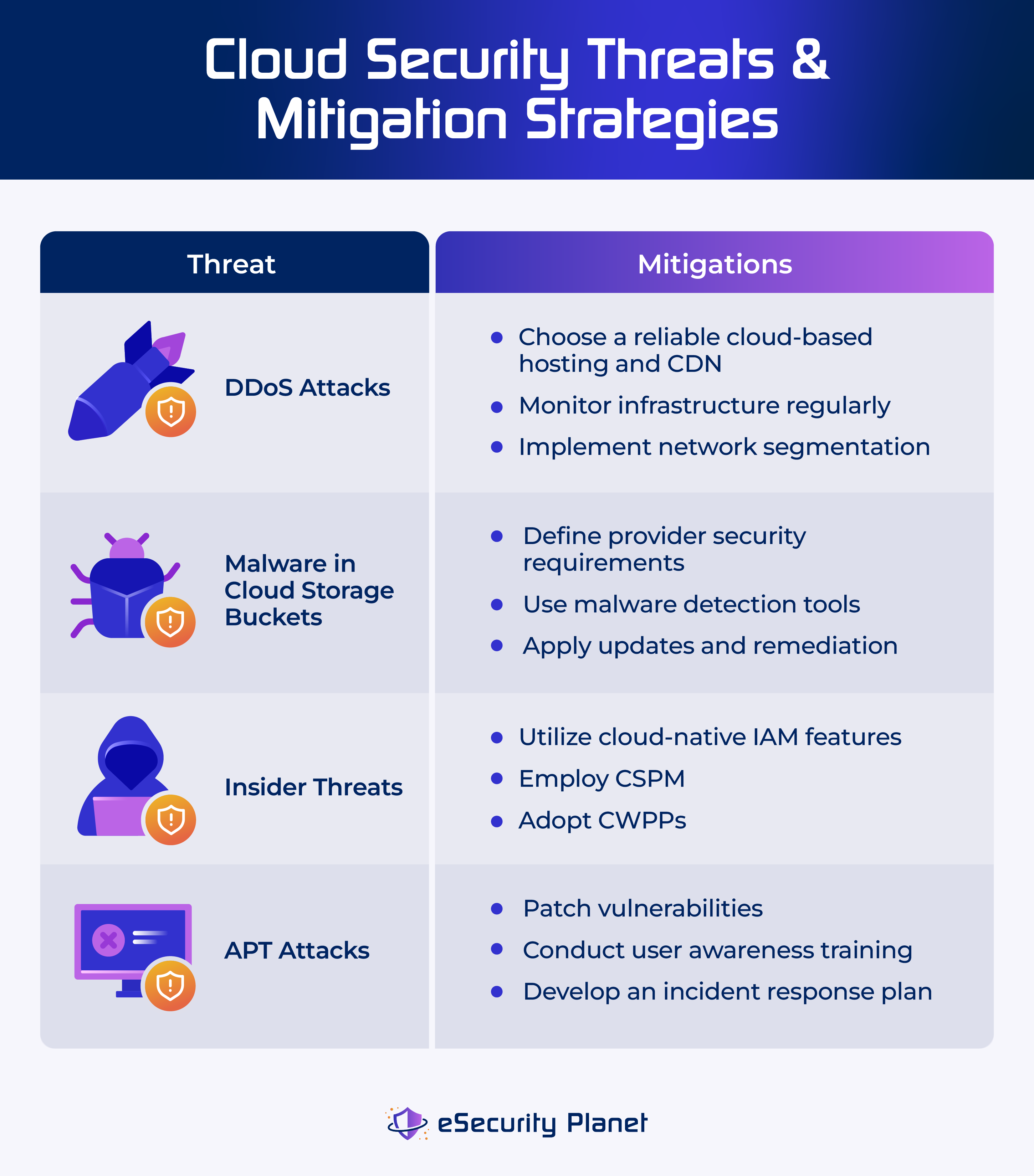
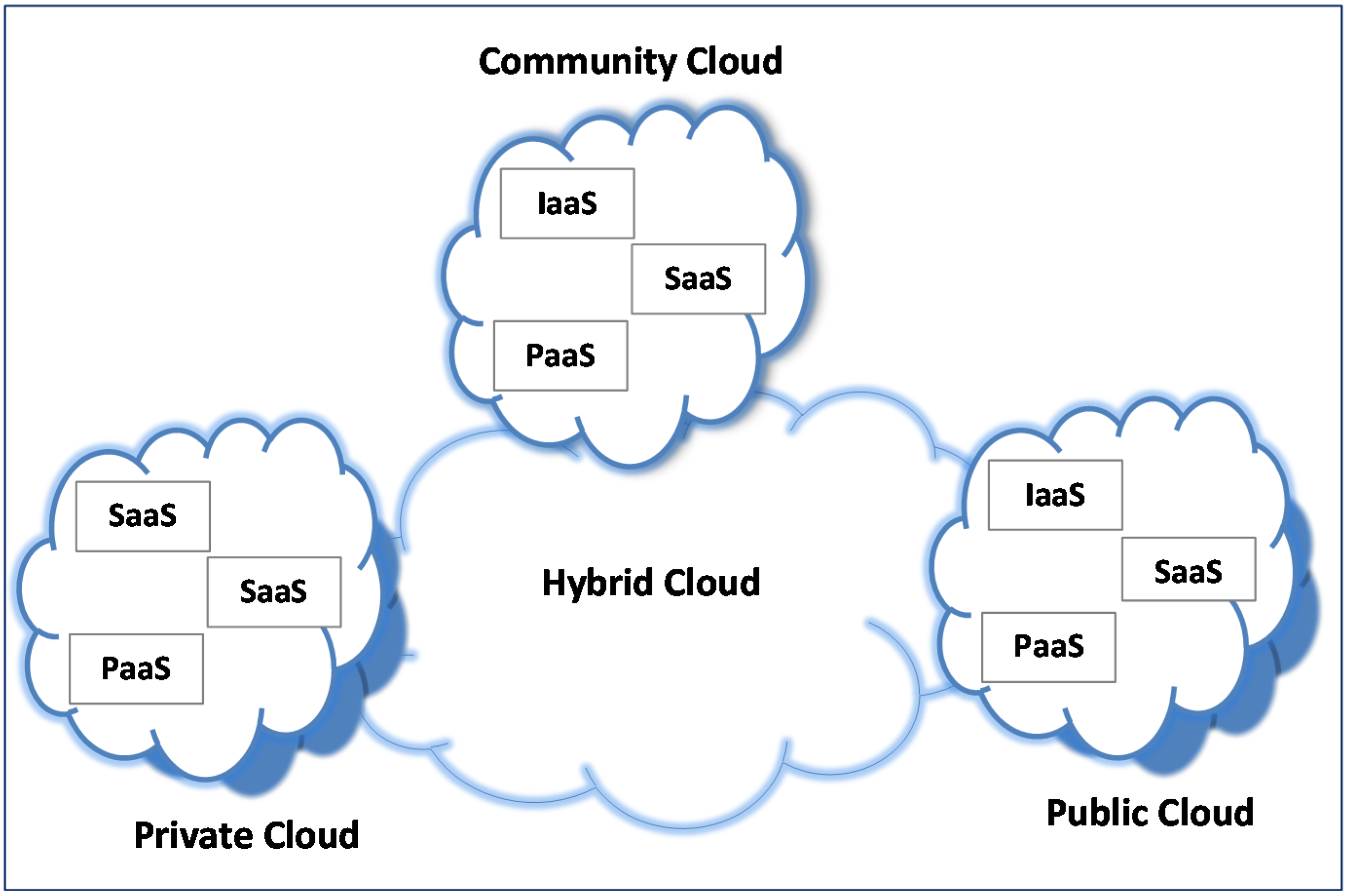
Cloud security remains a critical concern as organizations scale their digital infrastructure into multi-cloud and hybrid environments. This survey identifies the most prevalent threats—ranging from sophisticated AI-driven attacks to persistent misconfigurations—providing a technical overview of how these vulnerabilities manifest and the strategic countermeasures required to protect sensitive data and maintain operational integrity in 2026.
The State of Cloud Security in 2026
The transition to cloud-native architectures is no longer a strategic choice but an operational necessity. However, as of 2026, the complexity of these environments has outpaced many traditional security frameworks. The "Shared Responsibility Model," while well-established by providers like Amazon Web Services (AWS), Microsoft Azure, and Google Cloud Platform (GCP), continues to be a primary source of friction. While providers secure the underlying hardware and global infrastructure, the customer remains responsible for securing everything "in" the cloud, including data, identity management, and application-level configurations.
The emergence of edge computing and the integration of large language models (LLMs) into enterprise workflows have introduced new attack vectors. Threat actors are now leveraging automation to scan for vulnerabilities at a pace that human security teams cannot match. Consequently, a proactive, survey-based approach to understanding these threats is essential for maintaining a resilient posture.
1. Misconfiguration and Inadequate Change Control
Misconfiguration remains the leading cause of data breaches in cloud environments. This category encompasses a wide range of errors, from leaving storage buckets publicly accessible to failing to secure administrative ports. In 2026, the rise of Infrastructure as Code (IaC) has inadvertently scaled this risk; a single error in a Terraform or CloudFormation template can propagate an insecure configuration across thousands of virtual resources instantly.
Root Causes and Manifestations
The primary driver of misconfiguration is the sheer complexity of cloud service providers’ (CSPs) interfaces. With hundreds of services available, each with its own set of permission levels, it is remarkably easy for an engineer to overlook a minor setting. Common examples include:
- Unsecured Storage: S3 buckets or Azure Blobs set to "public" without proper authentication.
- Excessive Permissions: Attaching full administrative roles to service accounts that only require read-only access.
- Default Settings: Relying on factory-default security groups that allow broad ingress/egress traffic.
Impact and Mitigation
A single misconfigured API gateway can expose internal databases to the public internet, leading to massive data exfiltration. To mitigate this, organizations are increasingly adopting Cloud Security Posture Management (CSPM) tools. These tools provide continuous monitoring and automated remediation, ensuring that configurations align with best practices such as the CIS (Center for Internet Security) Benchmarks.
2. Advanced Identity and Access Management (IAM) Vulnerabilities
In the cloud, identity is the new perimeter. As traditional network boundaries dissolve, the ability to verify who is accessing what resource becomes the most critical line of defense. However, IAM remains a primary target for attackers who exploit weak passwords, lack of multi-factor authentication (MFA), and over-privileged accounts.
The Rise of MFA Fatigue and Session Hijacking
By 2026, traditional MFA is no longer a silver bullet. Attackers use "MFA fatigue" attacks—bombarding a user with push notifications until they accidentally approve one—or session token theft to bypass authentication entirely. Once an attacker gains access to a high-privileged account, they can perform "lateral movement," jumping from one service to another until they reach the core data layer.
Implementing Zero Trust Architecture
The industry's response has been a shift toward Zero Trust Architecture (ZTA). Under Zero Trust, no user or device is trusted by default, regardless of whether they are inside or outside the corporate network. Key components include:
- Least Privilege Access: Granting only the minimum permissions necessary for a task.
- Just-In-Time (JIT) Access: Providing elevated permissions only for the duration of a specific project or window.
- Continuous Verification: Periodically re-authenticating sessions based on behavioral analytics and device health.
3. Insecure Application Programming Interfaces (APIs)
APIs are the fundamental building blocks of cloud-based applications, enabling communication between microservices. However, their ubiquity makes them a massive attack surface. If an API is poorly secured, it can serve as a direct tunnel into the application’s backend data.
Common API Threats
The OWASP Top 10 for API Security continues to highlight Broken Object Level Authorization (BOLA) as a top threat. This occurs when an API endpoint does not properly validate that a user has the right to access a specific resource (e.g., changing a "user_id" parameter in a URL to view someone else’s profile). Other risks include:
- Lack of Rate Limiting: Allowing attackers to perform brute-force attacks or Denial of Service (DoS) by overwhelming the API with requests.
- Improper Inventory Management: "Shadow APIs" or legacy versions that are still active but not monitored or patched.
Technical Defenses
Securing APIs requires a multi-layered approach. Organizations must implement API Gateways that handle authentication, rate limiting, and encryption (TLS). Additionally, automated scanning during the development lifecycle—often referred to as "shifting left"—is necessary to catch vulnerabilities before the code reaches production.
4. AI-Driven and Automated Cyberattacks
The year 2026 marks a turning point where artificial intelligence is used as both a shield and a sword. Threat actors now use generative AI to create highly convincing phishing emails that are indistinguishable from legitimate corporate communications. Furthermore, AI-powered bots can perform "low and slow" attacks, mimicking human behavior to bypass traditional anomaly detection systems.
Malware Evolution
AI is also used to create polymorphic malware, which changes its code slightly with every iteration to avoid detection by signature-based antivirus software. In the cloud, this malware can infect serverless functions or containers, lying dormant until a specific trigger is met.
AI-Enhanced Defense
To counter this, cloud security teams are deploying Extended Detection and Response (XDR) systems. These platforms use machine learning to analyze trillions of signals across the cloud stack, identifying patterns that indicate a breach in real-time. By automating the initial response—such as isolating an infected container—security teams can mitigate damage before human intervention is even possible.
5. Supply Chain and Third-Party Vulnerabilities
Modern cloud applications are rarely built from scratch; they rely on a vast ecosystem of third-party libraries, open-source code, and SaaS integrations. This interdependence creates a significant supply chain risk. If a popular library is compromised, every application using that library becomes vulnerable.
The Problem with Container Images
Containerization (using Docker or Kubernetes) has revolutionized deployment, but it has also introduced new risks. Many developers use base images from public repositories that may contain unpatched vulnerabilities or, in worse cases, malicious backdoors.
Software Bill of Materials (SBOM)
In 2026, the use of an SBOM has become a standard requirement. An SBOM is a formal, machine-readable inventory of all software components and dependencies. By maintaining an up-to-date SBOM, organizations can quickly identify if they are affected by a newly discovered vulnerability in a third-party component and take immediate action.
6. Comparison of Cloud Security Threats
The following table provides a high-level comparison of the top threats, their potential business impact, and the primary technical mitigation strategy.
| Threat Category | Primary Impact | Recommended Mitigation Strategy |
|---|---|---|
| Misconfiguration | Data breach, service downtime | Continuous CSPM monitoring and IaC scanning. |
| IAM Failures | Account takeover, lateral movement | Zero Trust Architecture and JIT access. |
| Insecure APIs | Unauthorized data access, DoS | API Gateway enforcement and BOLA testing. |
| AI-Driven Attacks | Rapid system compromise, phishing | AI-based XDR and behavioral analytics. |
| Supply Chain Risk | Widespread infection, backdoors | SBOM implementation and image signing. |
| Serverless/Container | Resource exhaustion, escape attacks | Runtime protection and least-privilege roles. |
7. Data Privacy and Sovereign Cloud Challenges
In 2026, the regulatory landscape for cloud computing has become increasingly fragmented. With the expansion of the EU's General Data Protection Regulation (GDPR) and the introduction of various national data residency laws, organizations must ensure that their data is not only secure but also stored in the correct geographical location.
Cloud Sovereignty
"Sovereign Cloud" solutions have emerged to address these concerns, allowing organizations to run workloads in environments that are legally and technically isolated from foreign jurisdictions. The threat here is twofold: the risk of non-compliance (leading to massive fines) and the technical challenge of managing data across multiple "sovereign" zones without compromising performance.
8. Serverless and Microservices Insecurity
Serverless computing (like AWS Lambda or Google Cloud Functions) abstracts the server layer, but it does not eliminate security risks. In fact, it shifts the focus to the application layer.
Event-Data Injection
Because serverless functions are triggered by events (such as a file upload or an API call), they are susceptible to event-data injection. If the function does not properly sanitize the input data, an attacker can execute malicious commands. Furthermore, because serverless functions are ephemeral, traditional monitoring tools that look for persistent processes often fail to detect malicious activity.
Granular Security Control
To secure microservices, developers must implement granular security controls at the function level. This includes assigning a unique IAM role to every function and limiting its access to only the specific resources it needs to execute its task.
9. Strategies for a Resilient Cloud Environment
Building a secure cloud environment in 2026 requires more than just deploying tools; it requires a cultural shift toward DevSecOps. This approach integrates security practices into every stage of the software development lifecycle.
Key Tactical Actions:
- Continuous Education: Ensure that developers and cloud architects are trained on the latest CSP-specific security features.
- Automated Compliance: Use "Compliance as Code" to automatically audit your environment against regulatory standards (HIPAA, PCI-DSS, GDPR).
- Red Teaming and Simulations: Regularly conduct "Cloud Strike" exercises where security teams simulate an attack to find weak points in the detection and response pipeline.
- Encryption Everywhere: Use hardware security modules (HSMs) and customer-managed keys (CMKs) to ensure that even if data is stolen, it remains unreadable.
Frequently Asked Questions
What is the most common cloud security threat in 2026?
Misconfiguration remains the most common threat. Despite advances in automation, the complexity of managing multi-cloud environments leads to human errors, such as leaving storage buckets public or mismanaging security groups, which accounts for a significant percentage of cloud-related data breaches.
How does Zero Trust improve cloud security?
Zero Trust improves security by removing the concept of a "trusted" internal network. It requires every access request to be fully authenticated, authorized, and encrypted based on real-time data, such as device health and user behavior, significantly reducing the risk of lateral movement by an attacker.
Are cloud providers responsible for my data security?
Only partially. Under the Shared Responsibility Model, the provider is responsible for the security of the cloud (physical infrastructure, networking, and virtualization). You are responsible for the security in the cloud, which includes your data, your applications, and your identity management configurations.
What is an SBOM and why is it important for cloud users?
A Software Bill of Materials (SBOM) is a comprehensive list of every component within a piece of software. It is vital for cloud users because modern applications rely heavily on third-party and open-source libraries. An SBOM allows you to quickly identify and patch vulnerabilities in your supply chain.
Can AI actually help prevent cloud attacks?
Yes, AI is a powerful tool for defense. Modern Extended Detection and Response (XDR) systems use machine learning to identify anomalous behavior that might indicate a breach, such as an unusual data transfer at 3 AM. AI can respond to these threats in milliseconds, much faster than a human operator.
Final Recommendation
For organizations navigating the cloud landscape in 2026, the priority must be visibility and automation. You cannot secure what you cannot see. Investing in a unified Cloud-Native Application Protection Platform (CNAPP) that combines CSPM, CWPP (Cloud Workload Protection), and IAM security into a single pane of glass is the most effective way to manage the modern threat landscape. Furthermore, prioritize the adoption of Zero Trust principles to ensure that identity remains a robust barrier against increasingly sophisticated external and internal threats.