Whether life insurance proceeds are categorized as community property depends primarily on the jurisdiction where the policyholder resides and the source of the funds used to pay the policy premiums. In community property states, assets acquired or income earned during a marriage are generally considered owned equally by both spouses. When a life insurance policy is purchased using community funds, the character of the proceeds—or at least a portion of them—may be subject to community property laws, potentially affecting beneficiary designations and estate distribution.
Understanding Community Property Jurisdictions
In the United States, marital property laws are divided into two primary systems: common law and community property. As of 2026, nine states strictly adhere to community property principles: Arizona, California, Idaho, Louisiana, Nevada, New Mexico, Texas, Washington, and Wisconsin. Alaska also allows couples to opt into a community property system via a formal agreement.
In these jurisdictions, the law operates on the presumption that marriage is a partnership of equals. Consequently, any asset acquired during the union, with limited exceptions such as inheritances or gifts to a single spouse, is classified as community property. When life insurance enters the picture, the "source of funds" rule is the primary metric for determining ownership. If a spouse uses their paycheck—which is community property—to pay the premiums on a life insurance policy, the community has essentially invested in that asset.
The Source of Funds Rule and Premium Payments
The most critical factor in determining the character of life insurance proceeds is the timeline of premium payments. If a policy was acquired before the marriage (separate property) but premiums were paid with community funds during the marriage, the policy may become "commingled."
- Premiums paid entirely with separate property: If a spouse maintains a policy using only pre-marital funds or assets acquired through inheritance, the proceeds remain their separate property.
- Premiums paid entirely with community property: If the policy is purchased and maintained using funds earned during the marriage, the proceeds are typically viewed as community assets.
- Mixed funding: In cases where premiums were paid with both separate and community funds, courts often apply a "proportionality" approach. The community is entitled to a reimbursement or a share of the proceeds based on the ratio of community funds invested in the policy compared to the total premiums paid.
Beneficiary Designations vs. Statutory Law
A common misconception is that naming a third party—such as a sibling, parent, or adult child—as the beneficiary of a life insurance policy automatically bypasses community property claims. In many community property states, this is not absolute.
If a policy is deemed a community asset, the policyholder spouse generally does not have the legal right to give away the entire death benefit to a third party without the other spouse's consent. Doing so effectively "gifts" away the other spouse's half-interest in the community property. If a spouse attempts this, the surviving spouse may initiate a claim against the estate or the insurance proceeds to recover their 50% share of the community interest in the policy.
Impact of Prenuptial and Postnuptial Agreements
Couples can often override default community property rules by executing a valid prenuptial or postnuptial agreement. These legal documents allow spouses to classify specific assets—including life insurance policies—as separate property, regardless of the source of funds used to pay the premiums.
For such an agreement to be enforceable in 2026, it must generally meet specific criteria:
- Full Disclosure: Both parties must provide complete disclosure of their financial assets and debts.
- Legal Representation: Each spouse should have the opportunity to consult with independent legal counsel.
- Voluntariness: The agreement must be entered into without coercion or duress.
- Formalization: The agreement must be in writing and signed by both parties, often requiring notarization or specific procedural formalities depending on the state.
Comparative Overview: Common Law vs. Community Property
The following table outlines how different property regimes influence the treatment of life insurance proceeds upon the death of a policyholder.
| Factor | Community Property States | Common Law States |
|---|---|---|
| Default Ownership | Generally shared 50/50 if community funds are used. | Generally owned by the policyholder. |
| Premium Source | Determines the character of the asset. | Rarely impacts the character of the asset. |
| Beneficiary Rights | Spouse may have a claim to a portion of proceeds. | Surviving spouse has limited claim unless specified by law. |
| Gifting Policy | Often requires spousal consent for full transfer. | Policyholder usually has full control. |
| Exceptions | Prenuptial/postnuptial agreements. | Elective share laws (varies by state). |
Potential Legal Complications and Challenges
When a conflict arises regarding the characterization of life insurance proceeds, it frequently leads to litigation between the named beneficiary and the surviving spouse. This often occurs in the following scenarios:
- Policy Inception: If the policy was purchased prior to marriage but the marriage lasted for decades, the surviving spouse may argue that the community’s "investment" through long-term premium payments gives them an equitable interest in the death benefit.
- Employer-Provided Insurance: Many life insurance policies are provided as an employee benefit. Because these benefits are typically considered deferred compensation earned during the marriage, they are almost universally classified as community property.
- Tracing Assets: If a policyholder claims the premiums were paid with separate property, they must be able to trace those funds clearly. If separate funds were deposited into a joint account where they commingled with marital earnings, the burden of proof rests on the party claiming the separate property character.
Practical Steps for Policyholders
If you live in a community property state and hold or are purchasing a life insurance policy, consider these steps to ensure your estate plan functions as intended:
- Review Your Policy Ownership: Determine if the policy is held in your name alone or if it was purchased with marital funds.
- Consult a Family Law Attorney: If you intend for the proceeds to go to someone other than your spouse, a lawyer can draft a waiver or transmutation agreement where the spouse acknowledges and consents to the beneficiary designation.
- Maintain Clear Records: If you are paying premiums from separate property, maintain a dedicated account that does not commingle with marital income.
- Update Beneficiaries Regularly: Life events such as marriage, divorce, or relocation to a different state can invalidate or alter your beneficiary designations. Review your policy every few years or following major life milestones.
Frequently Asked Questions
Does a divorce decree automatically override a life insurance beneficiary designation? Not necessarily. While many states have "revocation-on-divorce" statutes that automatically remove a former spouse as a beneficiary, these laws do not always apply to all types of policies, such as those governed by federal law (e.g., ERISA-regulated employer plans). It is essential to update your beneficiary forms immediately following a divorce decree.
What happens if I move from a common law state to a community property state? The "character" of your property typically remains what it was before you moved. However, income earned after moving to a community property state is generally considered community property. Assets acquired after the move with that income will likely be subject to community property laws.
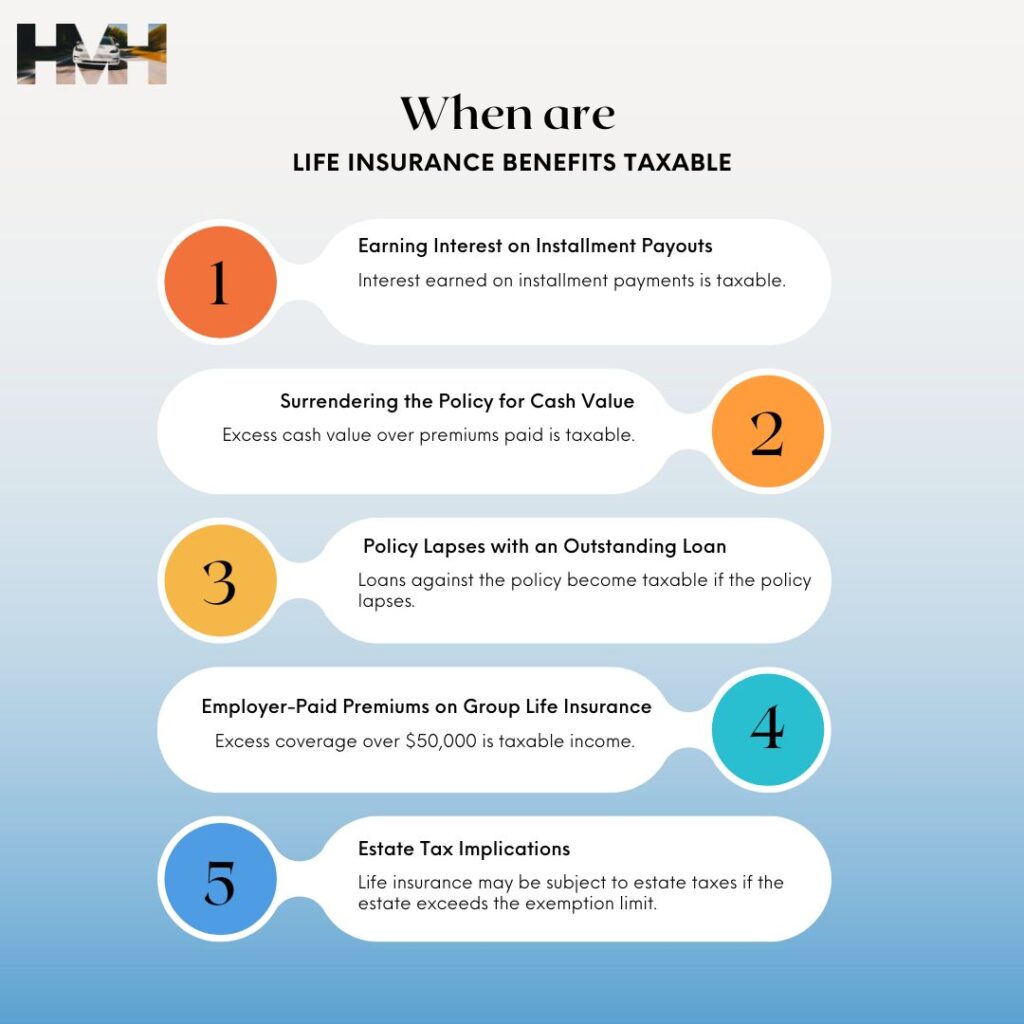
Are life insurance proceeds taxable as income? Generally, life insurance death benefits are income-tax-free to the beneficiary under Section 101(a)(1) of the Internal Revenue Code. However, this rule does not determine whether the proceeds are "property" subject to division in a marital estate; it only refers to the federal income tax treatment of the payout.
Can my spouse take my life insurance if I name my children as beneficiaries? In community property states, if the policy is determined to be a community asset, your spouse may have a legal claim to their portion of the proceeds (typically 50%). If the premiums were paid with separate property, your spouse would typically have no claim to the proceeds regardless of the beneficiary designation.
Do these rules apply to term life insurance? Yes. Even though term life insurance does not have a cash value, the premiums are still paid with assets. If those premiums are paid with community property, the death benefit—as the ultimate "return" on those payments—is often viewed as a community asset, regardless of the temporary nature of the coverage.
Professional Advice Limitation
This information is intended for educational purposes only and does not constitute legal or financial advice. Laws governing community property, estate planning, and insurance are highly jurisdiction-specific and subject to judicial interpretation. Because individual financial situations vary, you should consult with a qualified estate planning attorney or a tax professional in your specific state to evaluate your policy's status and ensure your beneficiary designations comply with local regulations.