Determining whether life insurance rates are "high" or "low" is a relative exercise that depends entirely on your personal health, age, and coverage requirements. Statistically, for the average healthy individual, premiums are currently at a historical equilibrium, though they remain higher for those with pre-existing conditions or those seeking specialized policy riders.
The Baseline of Life Insurance Pricing
To understand if a premium quote is expensive, you must first understand the mechanism behind how insurers calculate risk. Life insurance is fundamentally a product based on actuarial science. Insurers utilize mortality tables—statistical records that track the probability of death at specific ages—to determine how much they must charge today to ensure they can pay out a death benefit tomorrow.
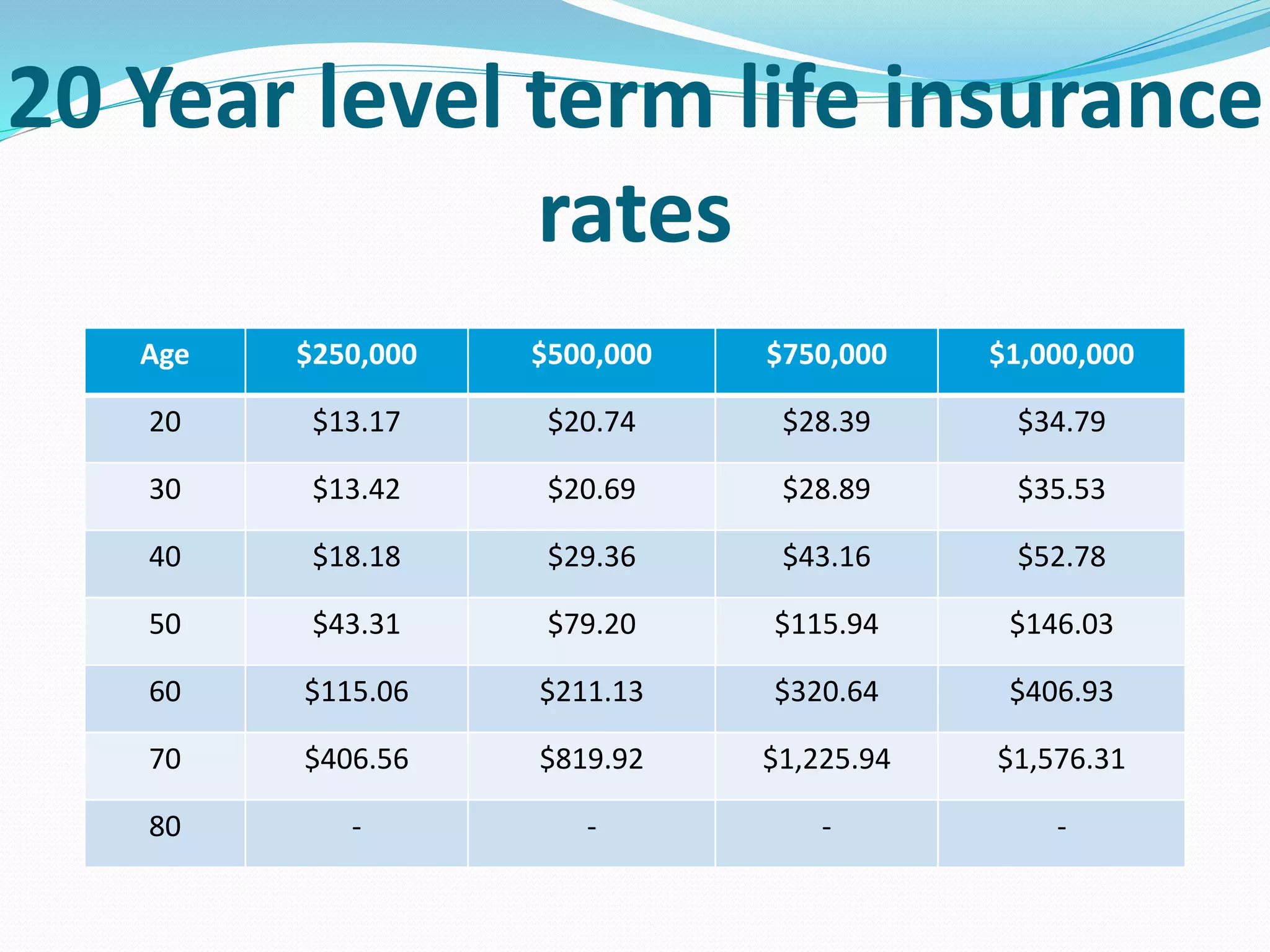
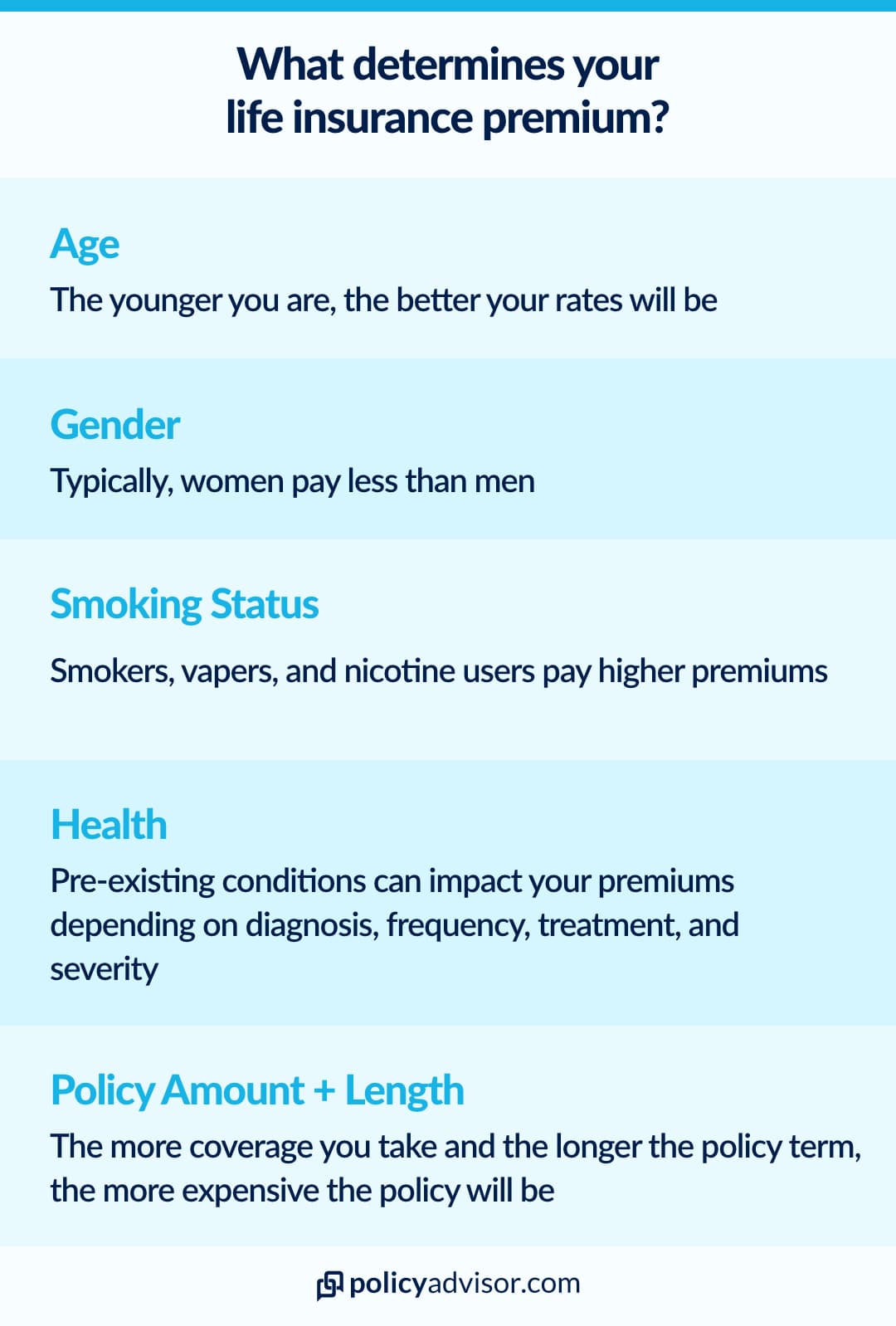
In 2026, the primary factors influencing your rates are immutable: your age at the time of purchase, your biological sex, and your current health profile. Because insurers view life insurance as a long-term commitment, the price you lock in at the start of a term policy is the price you pay for the duration of that term. Therefore, what may seem "high" to a 50-year-old is mathematically "low" for a 25-year-old, even if both purchase the same death benefit amount.
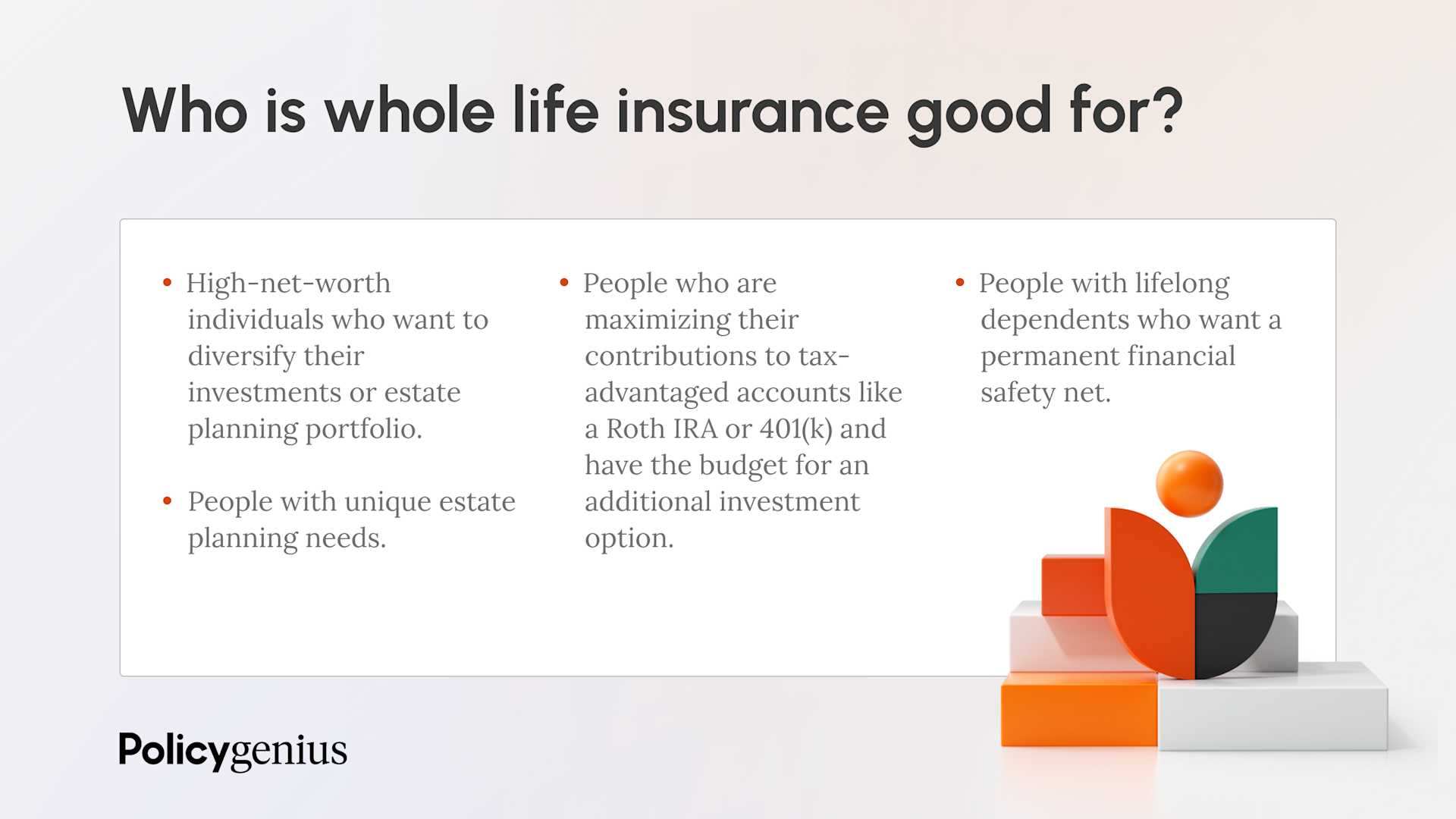
The perception of high or low rates is also influenced by the type of coverage selected. Term life insurance, which provides coverage for a specific period (e.g., 10, 20, or 30 years), is almost universally the most cost-effective option. In contrast, permanent life insurance products—such as Whole Life or Universal Life—come with higher premiums because they incorporate a cash-value savings component. Comparing the two requires distinguishing between the cost of pure insurance protection and the cost of an asset-building financial vehicle.
The Role of Underwriting in Rate Determination
Underwriting is the process by which an insurance company evaluates the risk of insuring an applicant. This process is the ultimate arbiter of whether your specific rate is high or low. When you apply, the insurer will typically request medical records, perform a health interview, and potentially require a paramedical examination to verify blood pressure, cholesterol levels, and body mass index (BMI).
If an underwriter classifies you as "Preferred Plus" or "Super Preferred," you will receive the lowest possible rates available for your demographic. If you have "substandard" risk factors—such as tobacco use, a history of cardiovascular disease, or a high-risk hobby like skydiving—the insurer will apply "table ratings" or flat extra premiums. These adjustments can increase your base rate significantly, making your coverage feel high compared to a standard policy.
It is important to recognize that underwriting criteria shift periodically. In 2026, many carriers have adopted automated underwriting and "accelerated" processes for applicants who meet specific health thresholds. This has reduced the cost of administrative overhead, which in some cases has kept base premiums competitive despite inflationary pressures on the broader economy.
Comparison Table: Premium Drivers
This table outlines how different variables impact the perception of whether rates are affordable or burdensome.
| Factor | Low-Rate Profile | High-Rate Profile |
|---|---|---|
| Entry Age | 20s to 30s | 50s and older |
| Health Status | No chronic conditions | Diabetes, hypertension, etc. |
| Tobacco Use | Non-smoker | Current smoker or vape user |
| Policy Type | Term Life | Whole/Universal Life |
| Death Benefit | Conservative coverage | High-limit "Jumbo" policies |
| Medical Exams | Preferred underwriting | High-risk/Medical records required |
Comparing Term vs. Permanent Insurance Costs
A common mistake when assessing high costs is comparing apples to oranges. A 20-year term policy might cost $300 annually for a healthy 30-year-old, whereas a whole life policy with the same death benefit could cost $3,000 annually.
The term policy is "low" because it is a pure protection product; if you outlive the 20-year term, the policy expires and the insurer keeps the premiums. The permanent policy is "high" because it serves a dual purpose: providing a death benefit and accumulating tax-advantaged cash value. When analyzing your budget, you must decide if you are purchasing insurance solely for income replacement or as part of a long-term estate planning or tax-shelter strategy.
Geographic and Regulatory Impacts
Insurance is regulated at the state level in the United States. While the core mortality risk remains the same regardless of your ZIP code, states have different regulatory environments regarding consumer protections and the taxes insurance companies must pay. These costs are often passed down to the consumer. Consequently, rates can vary slightly between regions. If you are comparing your rate to someone in another state, take into account that regional regulatory compliance costs can fluctuate, creating small discrepancies in the "baseline" cost of the same policy product.
The Hidden Cost of Policy Riders
If you find your policy quote is higher than anticipated, investigate the riders included in the proposal. Riders are optional add-ons that customize a policy, such as:
- Accidental Death Benefit: Pays an additional amount if death occurs via accident.
- Waiver of Premium: Eliminates premium payments if you become disabled.
- Child Term Rider: Provides modest coverage for children.
- Long-Term Care Rider: Allows you to access a portion of the death benefit for care costs.
Each rider carries an additional cost. While these features provide value, they also elevate the total annual premium. If your goal is to secure the lowest possible rate, focus on a base policy that covers only your essential income-replacement needs.
Strategies to Lower Your Premiums
If you find that your quoted rates are higher than your budget allows, there are concrete steps you can take to move your premiums toward the lower end of the spectrum:
- Maximize Health Metrics: Before applying, focus on manageable metrics like blood pressure and weight. Even small improvements in these categories can lead to a better health classification.
- Choose the Right Term: Do not purchase a 30-year term if your financial obligations (such as a mortgage or child-rearing years) will be satisfied in 15 years.
- Shop the Market: Rates vary significantly between carriers. One company may penalize a specific medical condition more heavily than another. Use independent brokers who represent multiple carriers to find the best "fit" for your health profile.
- Buy Now: Time is the most significant factor in premium costs. Every year you wait, your age-based mortality risk increases, leading to a permanent increase in the rate you will be offered.
When Are Rates "High" for the Right Reasons?
It is a misconception that "low" is always the best goal. An exceptionally low rate may sometimes reflect a policy with "guaranteed" elements that are actually quite thin. For example, some simplified-issue policies or "no-exam" policies charge higher premiums because the insurer is taking on more risk by not requiring a medical exam. Conversely, a policy that requires full medical underwriting might have a lower monthly premium because the insurer has more confidence in the risk they are assuming.
Frequently Asked Questions
Why did my insurance rate go up this year? If you have a term policy, your rate should remain level throughout the term. If you have an adjustable-rate permanent policy or a group life insurance policy provided by your employer, your premiums may fluctuate based on interest rates, the age-based brackets of the group, or changes in your employer’s contract.
Do smokers really pay that much more? Yes. In almost every insurance scenario, tobacco users are placed in a distinct rating class. Premiums for smokers can be two to three times higher than those for non-smokers due to the well-documented statistical correlation between tobacco use and mortality.
Is it cheaper to buy insurance through work or privately? Group insurance provided by an employer is often very convenient and occasionally cheaper because it uses "blended" rates that do not distinguish between individual health profiles. However, private policies are often more cost-effective for young, healthy individuals who can qualify for top-tier health classes, and private policies offer the benefit of portability if you change jobs.
What is the impact of my family’s medical history? Underwriters look at family history (parents and siblings) for conditions like cancer or heart disease before the age of 60. While you cannot change your genetics, some insurers weight family history more heavily than others. A good broker will help you select a carrier that is more lenient toward your specific family medical profile.
Can I decrease my premium after the policy is issued? Generally, you cannot lower the premium of an existing policy without also reducing the death benefit. If your health has significantly improved, your best option is to apply for a new policy and cancel the old one once the new policy is officially in force.
Final Recommendation
The question of whether life insurance rates are high or low is best answered by seeking a personalized quote based on your specific health data. If you are currently healthy and under the age of 50, you are likely in the best position to lock in low, level-term premiums. Do not rely on generic price charts; instead, engage an independent broker to perform a "blind" search across the top carriers. By comparing at least three distinct quotes for the same coverage amount and term, you can verify if the rate offered to you is truly competitive for your specific risk class.