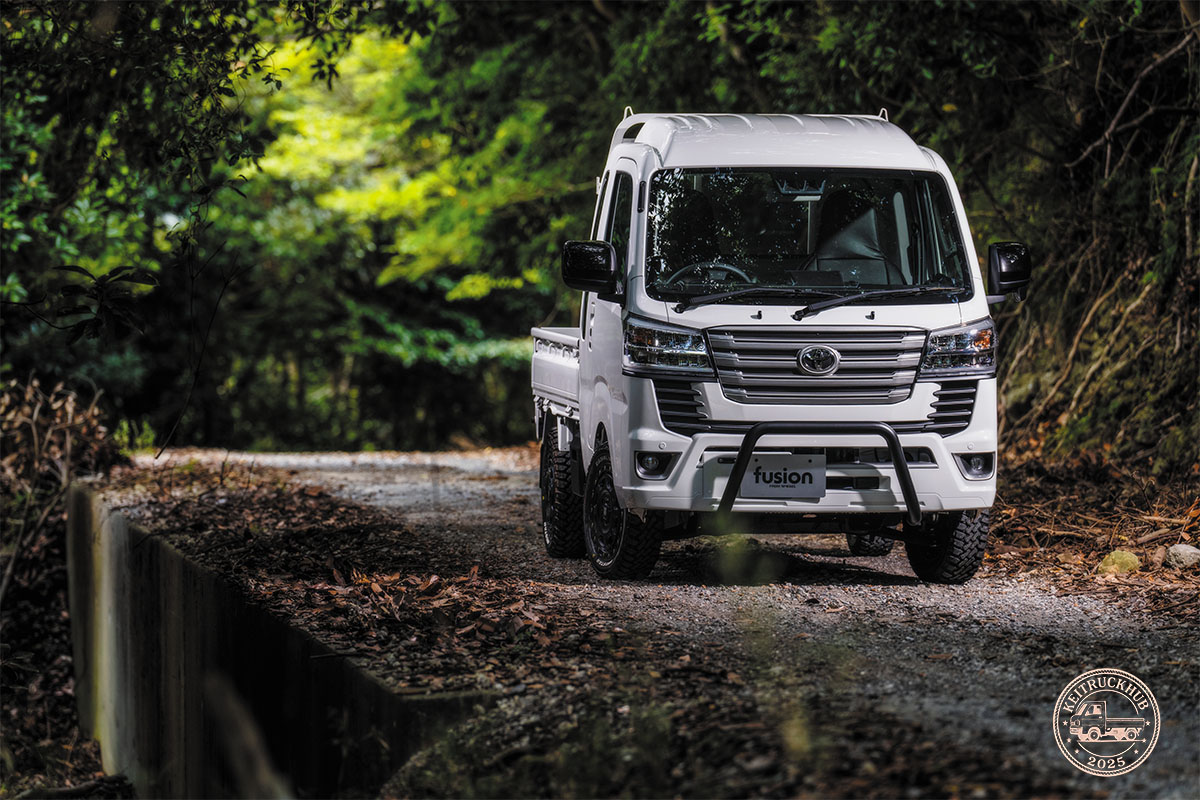
Kei trucks are worth buying if your goal is low-cost, short-range utility on private property or local rural roads, provided you accept significant regulatory and safety compromises. While their affordability and mechanical simplicity are appealing, owners must navigate complex federal import laws, state-specific registration hurdles, and limitations regarding highway travel and crash safety.
The Japanese "Kei" class—short for Keijidōsha—refers to a category of ultra-compact vehicles designed to meet strict Japanese dimensional and engine displacement regulations. These trucks, typically featuring a 660cc engine and a wheelbase under 10 feet, have surged in popularity in the United States as cult-classic vehicles for farmers, hobbyists, and light-duty commercial operators. However, because they were never manufactured for the U.S. market, they do not meet the Federal Motor Vehicle Safety Standards (FMVSS) or Environmental Protection Agency (EPA) emissions requirements for modern road-going vehicles.
Determining whether these vehicles are "worth it" depends entirely on your intended use case. For a farmer needing a maneuverable, reliable vehicle for farm-to-barn transport, a kei truck often outperforms a modern UTV at a lower price point. Conversely, for an individual seeking a daily driver for urban commuting, the regulatory landscape and safety profiles make them a risky and potentially impractical investment.
Understanding the Legal Framework: The 25-Year Rule
The primary gateway for importing kei trucks into the United States is the "25-year rule." Under the National Highway Traffic Safety Administration (NHTSA) regulations, any motor vehicle that is at least 25 years old is exempt from federal safety and bumper standards. Similarly, the EPA allows the importation of vehicles older than 21 years without meeting current emissions requirements, provided the vehicle is in its original configuration.
This means that as of 2026, any kei truck manufactured in or before 2001 can be imported into the U.S. legally. If you purchase a truck that does not meet the age threshold, you are looking at a non-compliant vehicle that cannot be legally titled or registered for public road use in most jurisdictions. Prospective buyers must verify the exact production date via the vehicle’s chassis plate to ensure it clears the 25-year bar before purchase. Failing to verify this can result in the vehicle being seized or denied entry at the port of arrival.
Practical Utility: Why They Excel
For those operating on private land, such as farms, nurseries, or large industrial campuses, the value proposition of a kei truck is difficult to match.
- Size and Maneuverability: With a width of roughly 55 inches, they can traverse narrow trails and fit into spaces that would block standard domestic pickup trucks. Their "cab-over" design provides a remarkably short turning radius.
- Payload Capacity: Despite their diminutive size, most kei trucks are rated to carry roughly 750 to 1,000 pounds in the bed. They offer genuine utility that mimics full-sized trucks, including drop-down tailgate sides for easier loading.
- Mechanical Simplicity: These vehicles were engineered for longevity and ease of repair. The engines are generally naturally aspirated, carbureted or early-injection systems that do not rely on complex computer networks, making them accessible for DIY maintenance.
- Fuel Efficiency: In an era of high fuel costs, the 30–40 MPG capabilities of these small engines are a financial benefit, though this is primarily relevant if the vehicle is being used for neighborhood errands.
The Hidden Risks and Downsides
While the advantages are clear, the disadvantages are equally stark. Potential buyers must be aware of the following:
- Safety Deficiencies: Kei trucks lack crumple zones, advanced airbag systems, anti-lock brakes (ABS), and modern structural reinforcements. Their performance in a high-speed collision with a modern SUV or truck is poor. They are, essentially, thin-skinned aluminum and steel boxes with very little protection for the driver and passenger.
- Parts and Service Availability: While mechanical parts for common models—such as the Suzuki Carry, Daihatsu Hijet, Honda Acty, or Subaru Sambar—are available through specialized importers and online enthusiast marketplaces, you will not find them at your local auto parts store. You must be prepared to source parts from Japan or specialized domestic warehouses, which can lead to downtime.
- State Registration Variability: Even if a vehicle is legally imported into the U.S. under federal law, the state in which you live maintains the final authority on titling. Some states have become increasingly hostile toward kei trucks, revoking previous registrations or outright banning them from public roads, citing their failure to meet modern safety standards. You must check with your local Department of Motor Vehicles (DMV) to see if they specifically restrict "mini-trucks" or vehicles categorized as "off-highway use only."
Comparative Analysis: Kei Trucks vs. UTVs
Many buyers consider a kei truck as an alternative to a Side-by-Side (UTV). The following table breaks down the key differences for a potential buyer.
| Feature | Kei Truck | Modern UTV |
|---|---|---|
| Cab Configuration | Fully enclosed/weather-proof | Often open or partial enclosure |
| Engine Type | Small-displacement automotive engine | Purpose-built small engine |
| Highway Legal | No (mostly restricted/discouraged) | Rarely legal (varies by state) |
| Maintenance | Standard automotive skills | Specialized powersports knowledge |
| Initial Cost | Moderate (used import) | High (new or high-end used) |
| Climate Control | Heater/Fan standard | Rare/Optional |
As shown in the table, the kei truck provides a much more refined, "real vehicle" experience compared to a UTV, offering a heater and a metal roof for a fraction of the cost of a high-end UTV. However, the UTV is often easier to service at local powersports dealerships.
Maintenance and Troubleshooting Considerations
If you decide to purchase a kei truck, you are essentially adopting a project vehicle. Expect to perform an immediate "refresh" upon arrival. Common maintenance tasks for a newly imported truck include:
- Cooling System Flush: Japanese trucks often sit for long periods. Ensuring the radiator and hoses are clear of corrosion is critical to preventing engine overheating.
- Tire Replacement: Many imported trucks arrive on dry-rotted, original-spec tires. Replacing these with modern, locally sourced tires is a priority for safety and handling.
- Fuel System Cleaning: Stale fuel is a common issue with imports. Draining the tank and cleaning the fuel lines is standard procedure to ensure reliable starts.
- Oil and Fluid Changes: Standard engine oil, transmission fluid, and differential gear oil should be replaced immediately, as you cannot be certain of the previous owner's maintenance schedule.
Expert Guidance for the Purchase Process
If you are confident in your decision to purchase, follow these steps to minimize risk:
- Vet Your Importer: Use established importers with a proven track record. Ask for documentation of the vehicle’s port entry (the "Entry Summary" or CBP Form 7501). This document is your proof of legal entry into the country.
- Inspect the Frame: Japan’s coastal areas can cause significant rust on the undercarriage. Prioritize vehicles sourced from regions with less snow and road salt.
- Confirm Title Status: A vehicle that has already been titled in a U.S. state is significantly easier to register than one that has just arrived from abroad. If you are not experienced with import paperwork, pay the premium for a truck that is already titled.
- Define Your Scope: If you intend to use the truck on public roads, verify your state's specific speed restrictions. Many states restrict kei trucks to roads with speed limits of 35 MPH or lower.
Frequently Asked Questions
Are kei trucks legal on highways in the US? No. While they may be registered for road use in some states, their lack of modern safety equipment, low top speeds, and inability to keep pace with modern traffic make them fundamentally unsuited for interstate or high-speed highway travel.
Can I get insurance for a kei truck? Yes, but it can be difficult. Many major insurance carriers do not recognize these vehicles in their database. You will likely need to work with a specialty collector car insurance agency or a broker that deals with niche/imported vehicles.
Do kei trucks have four-wheel drive? Many do. Both 2WD and 4WD models were produced. If you plan to use the truck on a farm or in areas with inclement weather, prioritize finding a 4WD model with a locking differential.
How fast can a kei truck go? Most kei trucks are geared for low-speed torque rather than top speed. While they can technically reach 60–65 MPH, the engine will be at redline, and the vehicle will feel unstable. They are most comfortable at speeds below 50 MPH.
Why are some states banning them? States are increasingly citing safety concerns under the Federal Motor Vehicle Safety Standards (FMVSS). Because these vehicles do not meet the crash-test requirements of vehicles manufactured for the U.S. market, some states choose to prohibit them from registration to avoid liability.
Final Recommendation
A kei truck is a rewarding purchase for the enthusiast who values utility, simplicity, and unique Japanese engineering, provided it is used primarily for rural or private property tasks. If you possess basic mechanical skills and have verified your state's registration requirements, these trucks offer exceptional value. Do not, however, purchase one with the expectation that it will serve as a safe, reliable, or high-speed daily commuter.