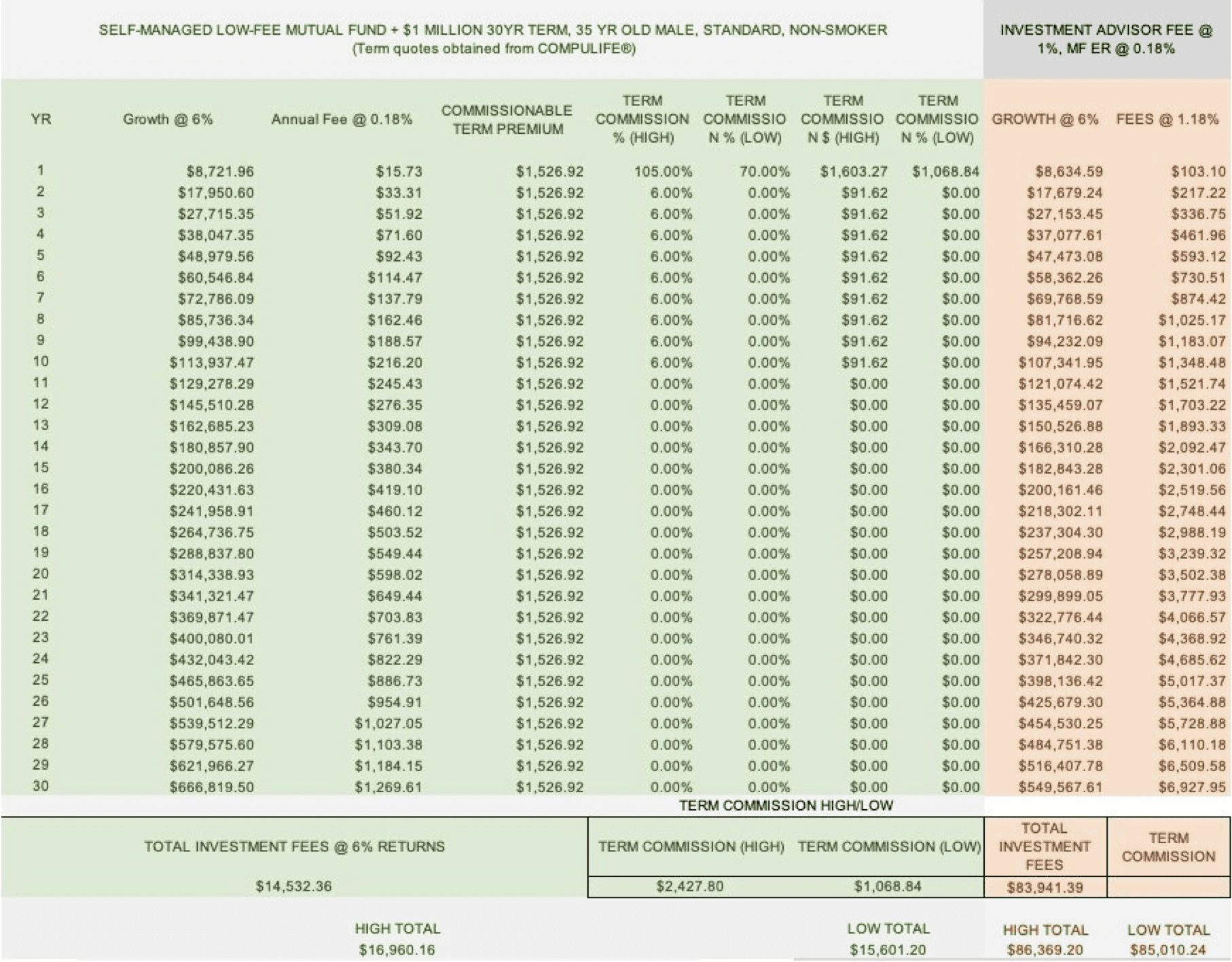
Life insurance agents are not universally paid by commission only; while commission-based structures are the industry standard for independent agents and many agency-affiliated professionals, many agents receive a base salary, performance bonuses, or a combination of both. Compensation depends heavily on whether an agent works as a captive employee, an independent contractor, or a fee-only financial planner.
The Landscape of Insurance Compensation
In the life insurance industry, compensation models are as diverse as the products being sold. Understanding how an agent is paid is essential for consumers who want to ensure they are receiving unbiased advice. When you sit down with an agent, their primary incentive structure often dictates the focus of their recommendations.
Commission-based models have existed since the inception of the life insurance industry. In this structure, the agent earns a percentage of the premiums paid by the policyholder. This commission is often front-loaded, meaning the agent receives a higher percentage in the first year of the policy and a smaller "renewal" or "trail" commission in subsequent years.
However, the industry has evolved. Large insurance carriers often hire "captive" agents—employees who represent only one company—who receive a baseline salary to provide stability, supplemented by commissions or bonuses tied to production targets. Furthermore, the rise of fee-based and fee-only financial planning has introduced a model where agents are paid directly by the client for advice, rather than by a commission from an insurance carrier.
Commission-Only Models: The Independent Agent
The most common structure for independent life insurance agents is a commission-only arrangement. These individuals are typically classified as independent contractors rather than employees of a specific insurance company.
How the Math Works
When you purchase a policy through an independent agent, a portion of your premium is designated to cover the cost of the sale. This is referred to as the "first-year commission." If an agent sells a term life policy, they might receive a large percentage of the first year’s premium. If they sell a permanent life insurance policy, such as Whole Life or Universal Life, the commission structure is often more complex and spread over the life of the policy.
Pros and Cons of Commission-Only Agents
- Pros: Because they are not tied to a single company, independent, commission-based agents can often shop across dozens of carriers to find the best policy for your health profile and financial needs. Their income is directly tied to their ability to help you find a solution you are willing to buy.
- Cons: A potential conflict of interest arises if an agent is incentivized to recommend a policy with a higher commission payout rather than the policy that is objectively best for the client. This is why transparency regarding compensation is a vital requirement for ethical practice.
The Captive Agent: Salaries and Bonuses
Captive agents are professionals who work exclusively for one insurance carrier. Because they are often employees, their compensation package is usually structured differently from their independent counterparts.
Salary Components
Captive agents often receive a modest base salary, especially during their initial years in the field. This provides a safety net while they build their client base. As they gain experience, the salary component may decrease or be replaced entirely by a "commission-plus-bonus" structure.
Performance Incentives
In addition to their base pay, captive agents are typically rewarded for meeting specific milestones. These might include:
- Volume Targets: Hitting a specific number of policies sold within a quarter.
- Product Mix: Incentives for selling "preferred" products, such as bundled annuities or high-value permanent life insurance.
- Customer Retention: Bonuses tied to how long the policies they write stay "in force," which discourages agents from selling policies that the client will likely cancel within a year.
The Fee-Only Financial Advisor
A distinct segment of the insurance market involves fee-only financial planners. These professionals have a fiduciary duty to act in the best interest of their clients. They do not accept commissions from insurance companies.
Instead, they charge a fee for their time, expertise, or a percentage of the assets they manage. If they recommend a life insurance policy, they will often suggest a "no-load" or low-commission product. This removes the financial incentive for them to steer you toward a high-premium product, as their compensation remains the same regardless of which policy you choose.
Comparing Compensation Models
Choosing the right type of advisor depends on your financial complexity and your comfort level with how your advisor is paid.
| Compensation Type | Primary Payer | Influence on Advice | Typical Advisor Role |
|---|---|---|---|
| Commission Only | Insurance Company | High (incentive to sell) | Independent Broker |
| Salary + Bonus | Insurance Company | Moderate (targets) | Captive Agent |
| Fee-Only | The Client | Low (neutral) | Financial Planner |
| Hybrid | Mixed | Moderate | Fee-based Broker |
How to Verify Your Agent’s Compensation
If you are concerned about whether an agent’s recommendation is driven by commission, you have the right to ask. You can take the following steps to ensure transparency:
- Ask Directly: A professional agent should be comfortable answering the question, "How are you compensated for this policy?" If they are evasive, it may be a red flag.
- Review the Disclosure: In many jurisdictions, insurance agents are required to provide a disclosure document that outlines their compensation arrangement.
- Assess the Recommendations: If an agent only shows you one or two options from a single company, you are likely working with a captive agent. If they present a comparison spreadsheet featuring five or six different insurance carriers, they are likely operating as an independent, commission-based broker.
- Research the Product: Use online resources to check if the policy being recommended is known for having a high commission structure or if it is a competitive market product.
The Role of Regulatory Oversight
The insurance industry is heavily regulated at the state level in the United States. Departments of Insurance (DOI) monitor the conduct of agents to ensure that consumers are not being misled. While these regulations do not strictly mandate how much an agent can earn, they do mandate that agents must be licensed and that their marketing materials must be truthful.
In 2026, many states continue to strengthen their "best interest" standards. While these regulations primarily target annuity sales, the trend is moving toward requiring all insurance professionals to provide a higher level of transparency regarding their potential conflicts of interest. Always ensure that the person you are working with is licensed in your state of residence.
Frequently Asked Questions
Does a higher commission mean the policy is bad? Not necessarily. Commission is simply a cost of distribution. Some very high-quality products offer competitive commissions to attract top-tier agents. However, you should compare the features, death benefits, and premiums of the policy against competitors to ensure you are getting value for your money.
Are online insurance platforms different from agents? Online platforms often use "salaried" licensed agents to facilitate sales. Because these agents are employees, they generally do not have the same individual commission incentives as an independent broker, though they may still have performance quotas to meet.
Can I negotiate an agent's commission? In most cases, no. Insurance premiums are filed with and approved by state regulators. The commission is built into the pricing structure of the policy itself. You cannot usually ask an agent to "lower their commission" to make your premium cheaper.
Is it better to use a fee-only advisor for life insurance? For complex estate planning or high-net-worth individuals, a fee-only advisor is often preferred because their advice is decoupled from product sales. For standard family protection, an independent broker who is transparent about their compensation can provide excellent service and access to a wider variety of specialized insurance products.
What happens if I cancel a policy early? If you cancel a policy shortly after purchase, the agent may be subject to a "chargeback," where the insurance company claws back the commission they paid the agent. This is why agents have a strong incentive to sell you a policy that you can afford to maintain in the long term.
Next Steps for Consumers
Before signing any life insurance contract, request a "Buyer’s Guide" or a summary of benefits. Compare the policy premiums against at least three different companies. If you feel pressured to purchase a specific product, take a step back and seek a second opinion. Remember that a life insurance policy is a long-term financial commitment; the agent's compensation should not be the primary factor in your decision, but being aware of it will help you better understand the motivations behind the advice you receive.