Fatalities at Atlantis Bahamas characterized by unresolved circumstances typically involve disputed cause-of-death rulings, such as drownings occurring under unclear supervision or disappearances where evidence remains inconclusive. As of 2026, several high-profile cases continue to face scrutiny from international legal experts and grieving families seeking transparent investigative data from Bahamian authorities.
The Landscape of Safety and Incident Reporting in Paradise Island
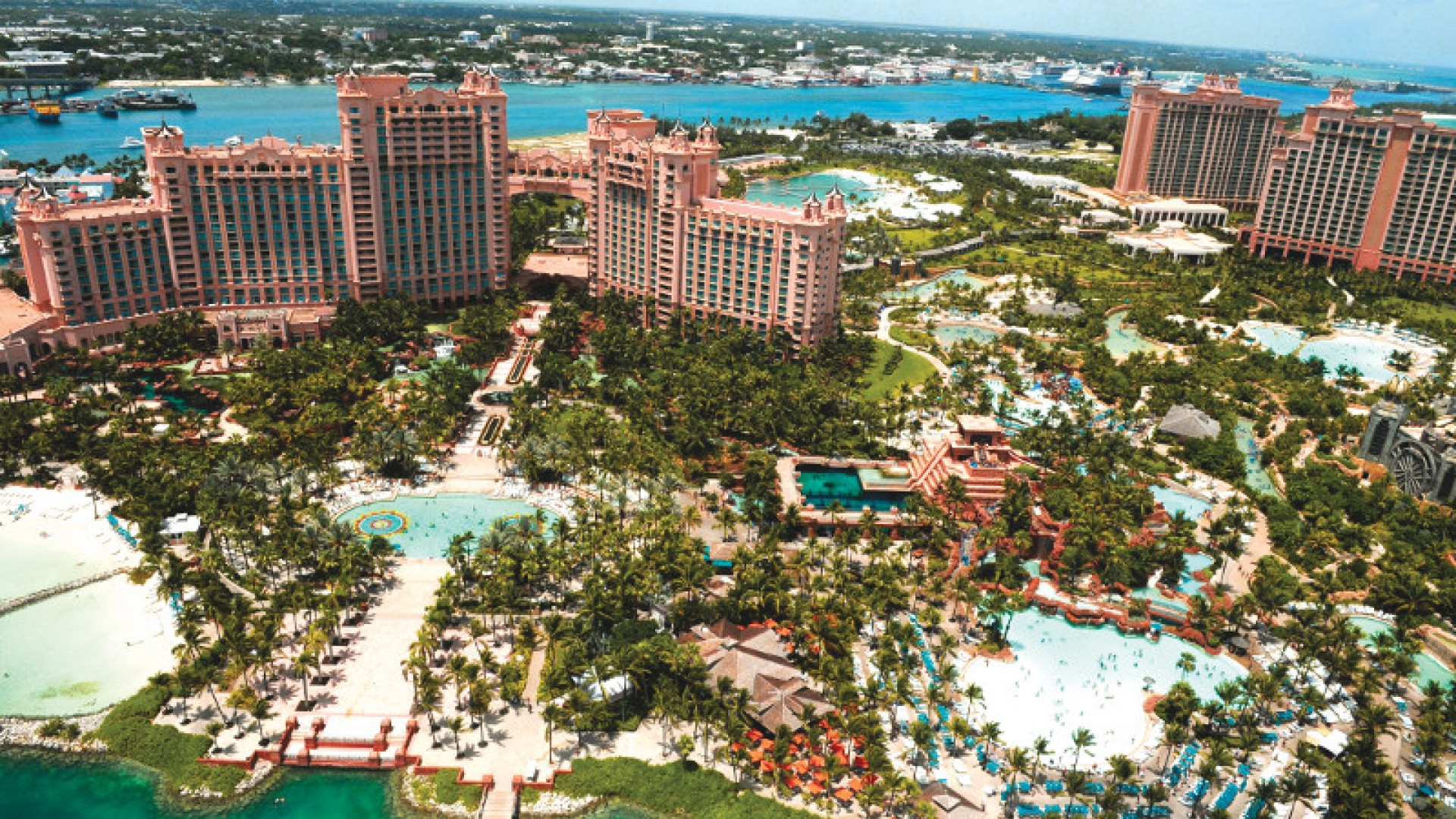
Atlantis Paradise Island is one of the largest resort complexes in the world, featuring thousands of rooms, a massive water park (Aquaventure), and expansive marine habitats. Given the sheer volume of guests—numbering in the millions annually—the statistical likelihood of medical emergencies or accidents is a reality that the resort manages through an extensive private security force and on-site medical protocols. However, when a death occurs under "unresolved circumstances," it often points to a gap between the official report provided by the Royal Bahamas Police Force (RBPF) and the evidence or observations cited by witnesses or family members.
In the timeframe leading up to 2026, the Bahamas has seen a fluctuating relationship with international travel advisories. The primary concern for travelers often centers on whether a death is a result of a tragic accident, a failure in the resort’s duty of care, or a criminal act that has not been fully investigated. The "unresolved" nature of these cases usually stems from three factors: delayed forensic results, restricted access to resort surveillance footage, and the complexities of Bahamian law regarding the deaths of foreign nationals.
The Disappearance of Taylor Casey and the Security Perimeter
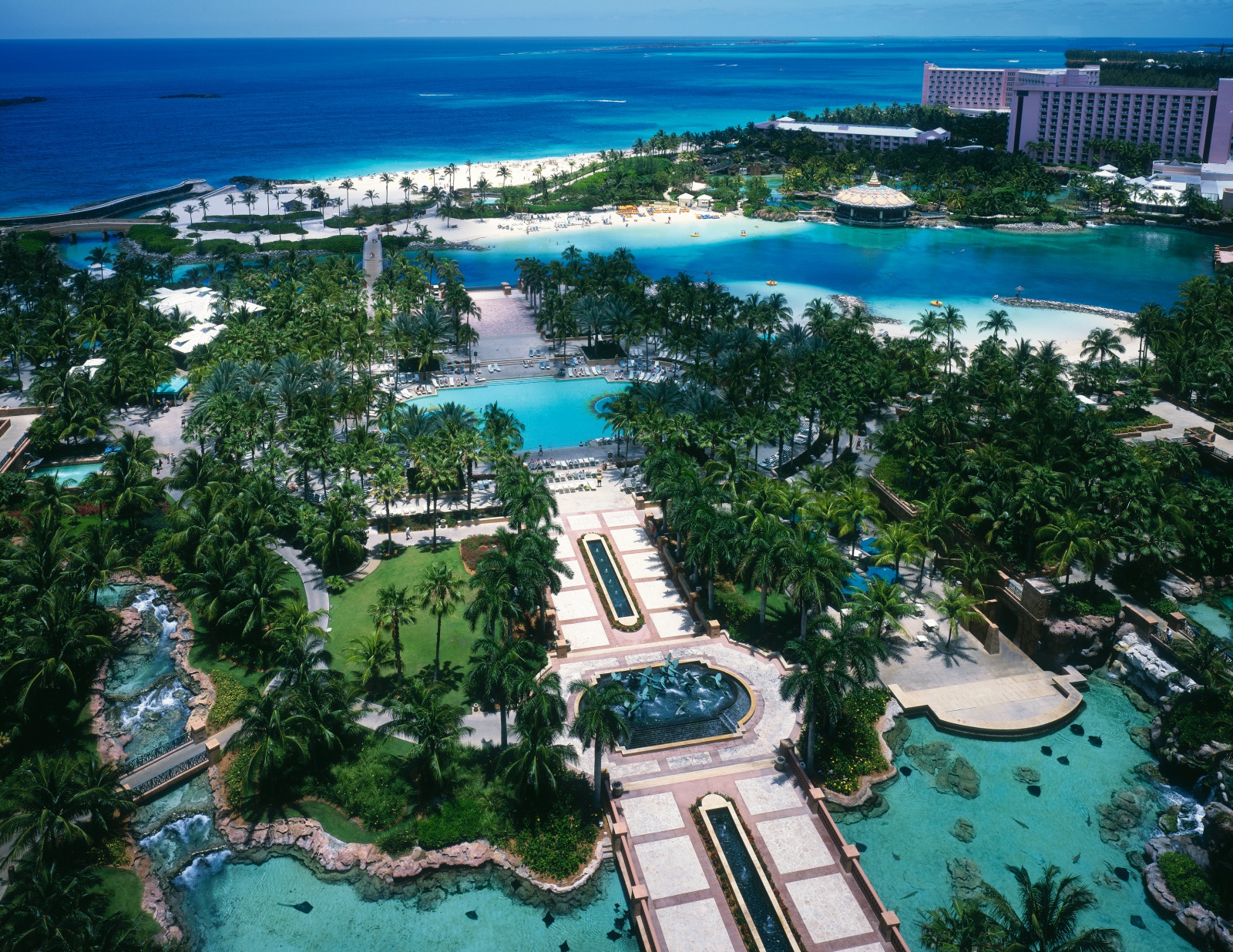
While not a confirmed death at the time of reporting, the disappearance of Taylor Casey in June 2024 remains the most significant "unresolved" case associated with the immediate vicinity of Atlantis. Casey was attending a yoga retreat at the Sivananda Ashram Yoga Retreat, which is located on the same narrow peninsula as Atlantis. Her disappearance sparked an international outcry and highlighted the vulnerabilities of the area’s perimeter security.
As of 2026, the case remains open, serving as a catalyst for discussions regarding the "Paradise Island Bubble." Many tourists assume that because the area is a high-end resort destination, it is immune to the crime rates seen in parts of Nassau. However, the Casey case revealed that the dense foliage and coastal access points provide challenges for law enforcement. The unresolved nature of her whereabouts continues to haunt the reputation of the island’s safety protocols, with her family frequently advocating for more rigorous FBI involvement in Bahamian investigations.
Disputed Drowning Incidents at Aquaventure and Resort Pools
Drowning is the most common cause of accidental death at large-scale water resorts. While most are ruled as tragic accidents, several cases at Atlantis have been labeled "unresolved" by families who argue that the circumstances suggest negligence. These disputes often center on:
- Lifeguard Response Times: Families have occasionally claimed that lifeguard towers were unmanned or that the response to a submerged guest was delayed beyond the window of resuscitation.
- Water Clarity and Maintenance: In some instances, the turbidity of pool water or the design of certain lagoons has been criticized for making it difficult to spot a person in distress.
- The "Medical Emergency" Default: It is a common trend for initial reports to label a drowning as a "medical episode" (such as a heart attack) before an autopsy is completed. When the autopsy later contradicts this or remains inconclusive, the circumstances are often left in a state of legal limbo.
The resort maintains a high standard of safety certification for its staff, yet the sheer scale of the Aquaventure park means that "blind spots" are a technical reality. In 2026, the integration of AI-driven underwater camera systems has become a standard recommendation for such facilities to mitigate these unresolved questions.
The Role of the Royal Bahamas Police Force (RBPF)
When a death occurs at a resort like Atlantis, the RBPF assumes jurisdiction. The investigative process in the Bahamas follows a specific legal framework that can feel opaque to those accustomed to the American or European legal systems.
The RBPF must secure the scene, collect witness statements, and oversee the transport of the body to the morgue in Nassau for a forensic pathologist's review. The tension often arises during the "Information Gap"—the period between the incident and the release of the final coroner's report. In the Bahamas, a Coroner’s Inquest may be called if a death is sudden or suspicious. However, these inquests can be delayed by months or even years, leading to the "unresolved" label that persists in the media.
Critics have often pointed to the conflict of interest inherent in a tourism-dependent economy. There is an immense pressure to resolve cases quickly to maintain the image of safety, which can sometimes result in a rush to judgment that overlooks nuanced evidence.
Jurisdictional Challenges and International Cooperation
For a U.S. citizen, the death of a loved one at a foreign resort introduces a complex web of jurisdictional hurdles. The U.S. Embassy in Nassau provides consular services, but they have no law enforcement authority in the Bahamas. They cannot "take over" an investigation; they can only monitor it and advocate for transparency.
Comparison of Investigative Authority
| Feature | Bahamian Authorities (RBPF) | U.S. Federal Authorities (FBI) |
|---|---|---|
| Jurisdiction | Full sovereign authority over all land and waters. | No authority unless invited by the Bahamian government. |
| Crime Lab Access | Use of national facilities in Nassau. | Limited to reviewing evidence shared by the RBPF. |
| Public Disclosure | Governed by Bahamian privacy and police acts. | Subject to FOIA (but only for records held by U.S. agencies). |
| Legal Outcome | Coroner's Inquest or criminal trial in Bahamas. | Possible civil litigation in U.S. courts (if applicable). |
The lack of a mandatory "Standard of Reporting" between private resorts and foreign embassies means that some incidents are never fully documented in the public record, contributing to the perception of unresolved mysteries.
Safety Standards and Travel Advisories in 2026
By 2026, the U.S. Department of State has refined its travel advisories to be more site-specific. While the Bahamas often holds a "Level 2: Exercise Increased Caution" status, specific warnings regarding "unregulated" watercraft and water safety are frequently highlighted.
Atlantis has responded to these concerns by increasing its investment in visible security and surveillance. However, the "unresolved" cases of the past decade serve as a reminder that no amount of security can account for every variable. The resort’s legal team is notoriously rigorous, often requiring arbitration for any claims of negligence, which effectively keeps many of the details surrounding resort deaths out of public courtrooms and within confidential settlements.
Legal Recourse for Families of Victims
When a death is unresolved, families often turn to the civil court system to force the discovery of evidence. This is a difficult path. To successfully sue a Bahamian entity, the plaintiff must often prove "gross negligence," a much higher bar than simple negligence.
Furthermore, many guest agreements signed during check-in or when purchasing water park passes contain "waiver of liability" clauses. While these do not always hold up in cases of extreme negligence, they serve as a significant deterrent. In 2026, legal experts recommend that any family dealing with a death at a resort immediately retain both Bahamian counsel and a U.S.-based attorney specializing in maritime or international personal injury law.
Forensic Limitations in International Settings
A recurring theme in unresolved deaths is the limitation of forensic resources. While the Bahamas has made strides in its pathology departments, the sheer volume of cases (both domestic and tourist-related) can lead to backlogs. In some unresolved cases, the body is repatriated to the U.S. for a second, independent autopsy. Discrepancies between the initial Bahamian report and the second American autopsy are common sources of "unresolved circumstances." These discrepancies often involve the presence of drugs, the timing of internal injuries, or the signs of a struggle that might have been overlooked during the initial examination.
FAQs Regarding Safety and Unresolved Deaths at Atlantis
Are there any currently active investigations into deaths at Atlantis?
As of 2026, the RBPF maintains that there are no "open" murder investigations within the resort itself, though several drowning cases are still awaiting final Coroner’s Inquests. The disappearance of Taylor Casey remains the primary active investigation in the Paradise Island vicinity that continues to draw international attention and investigative resources.
Why do some deaths at the resort stay "unresolved" in the media?
Deaths stay unresolved primarily because of a lack of public closure. If the police rule a death "accidental" but the family presents contradictory evidence or the resort refuses to release CCTV footage, the media maintains the "unresolved" narrative. Additionally, the Bahamian legal system's pace means that official rulings can take years to materialize.
Does Atlantis have a "Duty of Care" for its guests?
Yes, under common law, Atlantis has a duty to maintain a reasonably safe environment. This includes providing adequate lifeguards, maintaining equipment, and providing security. However, this duty does not make the resort an "insurer" of guest safety; guests are still expected to exercise personal caution, especially when consuming alcohol or engaging in high-risk water activities.
Can the FBI investigate a death at Atlantis?
The FBI can only investigate if they are invited by the Bahamian government or if there is a specific federal crime involved (such as the kidnapping of a U.S. citizen). In most cases, the FBI’s role is limited to providing technical assistance, such as forensic laboratory work, at the request of the Royal Bahamas Police Force.
What should I do if a safety incident occurs during my stay?
Immediately report the incident to both resort security and the local police to ensure a formal record is created. Take your own photographs and gather contact information from independent witnesses. Contact your national embassy or consulate as soon as possible to ensure they are aware of the situation and can monitor the local investigation.
Practical Recommendations for Travelers
To minimize risk and ensure personal safety when visiting large-scale resorts like Atlantis in 2026, travelers should adopt a proactive approach to their security.
First, document your surroundings. If you notice a safety hazard, such as an unmanned lifeguard station or a broken gate, report it and keep a record of the report. Second, stay in groups, particularly at night or when exploring the perimeter areas of the resort. The "Paradise Island" environment can create a false sense of security that leads guests to lower their guard.
Finally, ensure you have comprehensive travel insurance that includes "repatriation of remains" and "emergency legal assistance." In the tragic event of a death, these policies provide the financial resources necessary to conduct independent investigations and navigate the Bahamian legal system, which is essential for preventing a case from becoming another "unresolved circumstance."