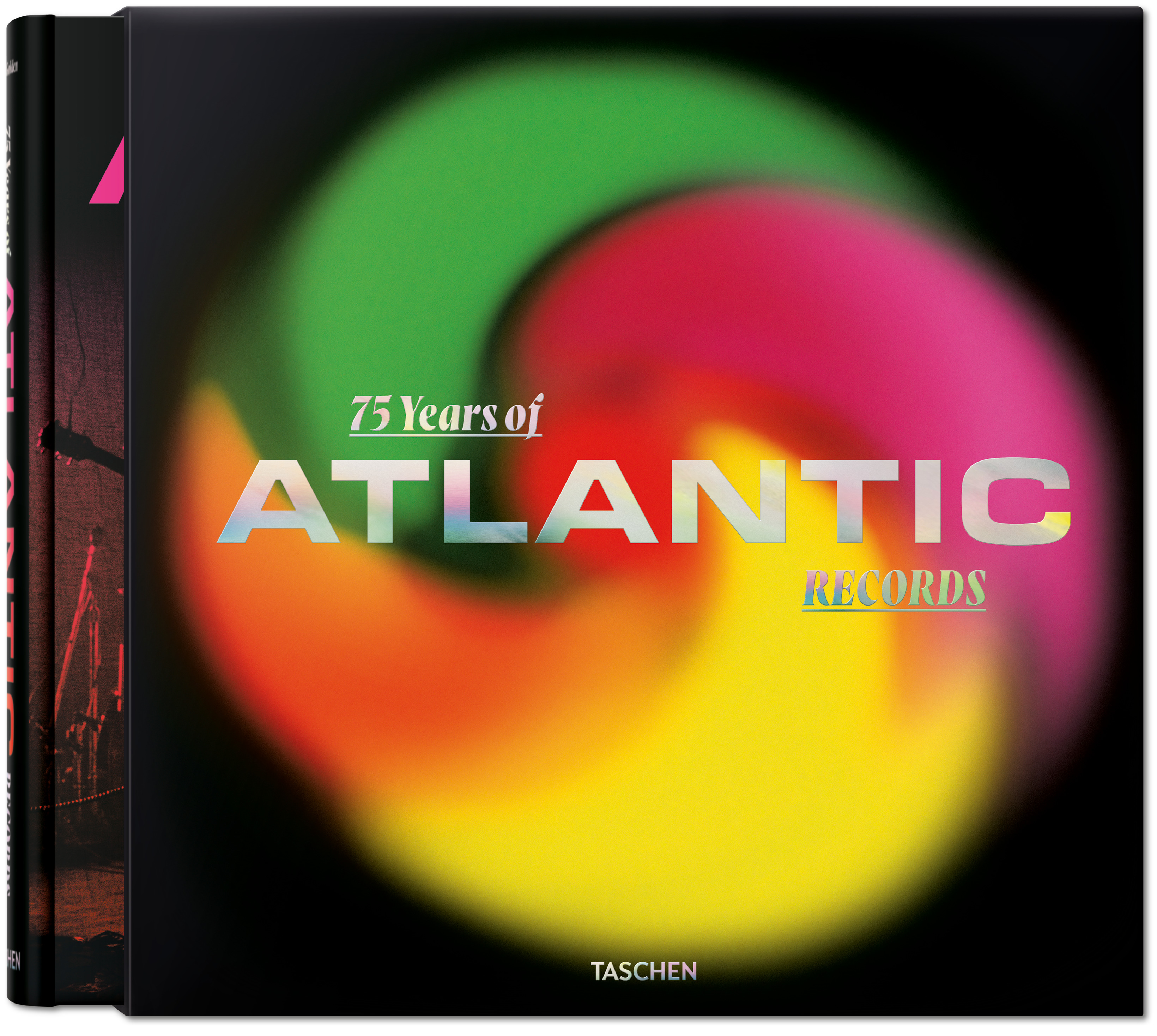
As of 2026, while Atlantic Records does not publicly disclose independent financial statements as a subsidiary of Warner Music Group (WMG), financial analysts and industry insiders estimate its enterprise value to be between $7 billion and $10 billion. This valuation is anchored by its dominant streaming market share, a vast historical catalog, and its position as the primary revenue engine for its parent company.
Understanding the Corporate Valuation of Atlantic Records
To accurately assess the "net worth" of a major record label like Atlantic Records, one must look past the simple concept of cash-on-hand and examine its enterprise value within the context of the broader music industry. Atlantic Records is the crown jewel of Warner Music Group (WMG), which is a publicly traded entity (Nasdaq: WMG). Because Atlantic is not a standalone public company, its valuation is derived from its contribution to WMG’s total market capitalization, which has fluctuated between $15 billion and $22 billion over the last few years.
Atlantic's worth is built upon three primary pillars: intellectual property (IP) ownership, recurring streaming revenue, and its "360-degree" artist service contracts. In the current 2026 landscape, the label’s ability to monetize short-form video content and navigate the complexities of AI-generated music has solidified its standing. Unlike historical eras where value was tied to physical inventory, today's Atlantic Records is valued as a high-margin technology and content firm.
The label’s internal structure, which includes sub-labels like Big Beat, Canvasback, and its partnership with entities like 10K Projects, further complicates the valuation. However, by isolating the revenue generated by its massive roster—ranging from legacy acts like Led Zeppelin to contemporary superstars like Ed Sheeran and Cardi B—analysts can determine that Atlantic typically accounts for 35% to 45% of WMG's recorded music revenue.
Key Drivers of the $7 Billion to $10 Billion Valuation
The valuation of Atlantic Records has remained resilient despite shifts in how music is consumed. Several critical factors contribute to the high price tag associated with the brand:
The Dominance of Streaming Royalties
By 2026, streaming accounts for over 85% of Atlantic’s annual revenue. The label benefits from a "long-tail" revenue model where older tracks continue to generate passive income with nearly zero overhead. Every time a song from their catalog is played on Spotify, Apple Music, or YouTube, Atlantic collects a master recording royalty. Given that Atlantic holds one of the most prestigious catalogs in music history, this constant stream of high-margin income is the foundation of its multi-billion dollar worth.
Synchronization and Licensing
The "sync" market—licensing music for films, television shows, video games, and advertisements—has seen a massive surge. Atlantic’s dedicated sync department is considered one of the best in the industry. As streaming platforms (Netflix, Disney+, etc.) continue to produce original content at scale, the demand for Atlantic’s hits has increased. A single major sync deal for a hit song in a global ad campaign can generate six to seven figures in a one-time payment, plus ongoing performance royalties.
The Power of the 360 Deal
Atlantic was an early adopter of the "360 deal," a contract structure where the label receives a percentage of an artist's income from sources beyond record sales, including touring, merchandise, and endorsements. In 2026, where an artist's personal brand is often more lucrative than their music alone, these deals allow Atlantic to capture value from every facet of an artist’s career. This diversifies the label’s income and makes it less dependent on the volatile "hit-making" cycle.
Historical Context: From Jazz Independent to Global Powerhouse
To understand why Atlantic Records is worth billions today, we must acknowledge its historical trajectory. Founded in 1947 by Ahmet Ertegun and Herb Abramson, Atlantic began as a small independent label specializing in jazz, R&B, and soul. Its early success with artists like Ray Charles, Ruth Brown, and Aretha Franklin established a reputation for "artist-first" development.
In the 1960s and 70s, the label expanded into rock, signing legendary acts like Led Zeppelin, Genesis, and the Rolling Stones. This period was pivotal for the label’s long-term net worth, as it acquired the "master rights" to some of the most enduring music of the 20th century. These masters are "evergreen assets" that appreciate in value over time.
The acquisition of Atlantic by Warner Bros.-Seven Arts in 1967 (which eventually became Time Warner and then WMG) integrated the label into a corporate structure that provided the capital necessary for global expansion. By the early 2000s, under the leadership of Craig Kallman and Julie Greenwald, Atlantic successfully pivoted to the digital era, outperforming competitors in the transition from CDs to downloads and eventually to streaming.
Comparative Market Analysis: Atlantic vs. Industry Rivals
Atlantic Records operates within the "Big Three" ecosystem: Universal Music Group (UMG), Sony Music Entertainment (SME), and Warner Music Group (WMG). Atlantic is WMG's most valuable asset, often compared to Universal's Interscope Geffen A&M or Sony's Columbia Records.
| Feature | Atlantic Records (WMG) | Interscope Geffen A&M (UMG) | Columbia Records (SME) |
|---|---|---|---|
| Estimated Value (2026) | $7B - $10B | $10B - $12B | $8B - $11B |
| Primary Genre Focus | Pop, Hip-Hop, Rock | Hip-Hop, Pop, Alternative | Pop, Rock, Legacy |
| Key Legacy Catalog | Led Zeppelin, Aretha Franklin | Dr. Dre, Nirvana, Eminem | Bruce Springsteen, Adele |
| Market Share (US) | ~8% - 10% | ~9% - 11% | ~7% - 9% |
| Ownership | Warner Music Group | Universal Music Group | Sony Music Entertainment |
While Universal remains the largest overall player, Atlantic's efficiency in the urban and pop sectors gives it a higher valuation-to-employee ratio than many of its peers. Its ability to break new artists consistently—rather than just relying on legacy acquisitions—makes it a high-growth asset.
The Impact of 2026 Market Trends on Valuation
In 2026, the music industry faces new challenges and opportunities that directly impact Atlantic's net worth.
AI Integration and Rights Management
The rise of AI-generated music has forced Atlantic to invest heavily in "voice modeling" and copyright protection technology. By licensing the official voices of their artists for AI use, Atlantic has created a new revenue stream that didn't exist five years ago. This proactive approach to AI has added an estimated $500 million to $1 billion in projected future value to the label.
Globalization of Content
Atlantic has successfully localized its brand in emerging markets, particularly in Sub-Saharan Africa and Southeast Asia. The success of "Afrobeats" and the global reach of artists like Burna Boy (signed to Atlantic via partnership) demonstrate the label's ability to monetize global trends. This geographic diversification reduces the risk associated with a potential slowdown in the North American or European markets.
Social Media Monetization (TikTok and Beyond)
By 2026, the battle between record labels and social platforms over royalty rates has reached a mature state. Atlantic's sophisticated data analytics team allows them to identify "viral" trends before they peak, maximizing the revenue from snippets used in short-form videos. This "micro-licensing" strategy contributes significantly to their monthly cash flow.
Financial Risk Factors
Despite its multibillion-dollar valuation, Atlantic Records faces significant risks that could impact its net worth in the coming years:
- Artist Independence: More "A-list" artists are choosing to go independent or start their own labels once their initial Atlantic contracts expire. This "brain drain" of talent can deplete the value of the label's future roster.
- Regulatory Scrutiny: Antitrust regulators in the US and EU have expressed concerns regarding the dominance of the "Big Three" labels. Any forced divestiture of assets could negatively impact Atlantic’s market position.
- Interest Rates and Debt: As a subsidiary of WMG, Atlantic is impacted by the parent company's debt servicing costs. In a high-interest-rate environment, the "cost of capital" can lower the overall valuation of the firm.
Frequently Asked Questions
Is Atlantic Records a public company?
No, Atlantic Records is a private subsidiary of Warner Music Group (WMG). While you cannot buy shares of Atlantic Records directly, you can invest in its parent company, WMG, on the Nasdaq stock exchange.
Who owns Atlantic Records in 2026?
Atlantic Records is owned by Warner Music Group, which is majority-owned by Access Industries, a private holding company led by billionaire Len Blavatnik.
How does Atlantic Records make the most money?
Currently, the largest revenue stream is streaming royalties (Spotify, Apple Music). This is followed by synchronization rights (music in movies/TV), physical sales (predominantly high-end vinyl), and 360-degree artist partnerships.
Who is the highest-earning artist on Atlantic Records?
While specific earnings are confidential, Ed Sheeran consistently remains one of the highest-grossing artists in the label's history due to his massive global touring revenue and multi-billion stream counts.
What is the difference between Warner Music Group and Atlantic Records?
Warner Music Group is the parent "music major" that owns several labels, including Atlantic, Warner Records, and Elektra. Atlantic is a specific label brand within that portfolio, often operating with its own distinct leadership and creative team.
Has Atlantic Records' net worth increased since 2020?
Yes, the valuation has increased significantly. The surge in streaming subscribers worldwide, coupled with the rising value of music catalogs as an asset class, has driven the label’s estimated value from roughly $5 billion in 2020 to nearly double that in 2026.
Practical Recommendation for Investors and Professionals
For those looking to capitalize on the valuation of Atlantic Records, the most direct path is through the acquisition of Warner Music Group (WMG) stock. As an investor, focus on WMG’s "Recorded Music" segment in their quarterly earnings reports, as this is where Atlantic’s performance is most visible.
Industry professionals should note that Atlantic’s value is increasingly tied to data and technology. Success within the label's ecosystem now requires a deep understanding of algorithm-driven marketing and global rights management. For artists, signing with Atlantic remains a trade-off: you relinquish a significant portion of your "net worth" (master rights) in exchange for the global infrastructure and capital required to reach superstar status.