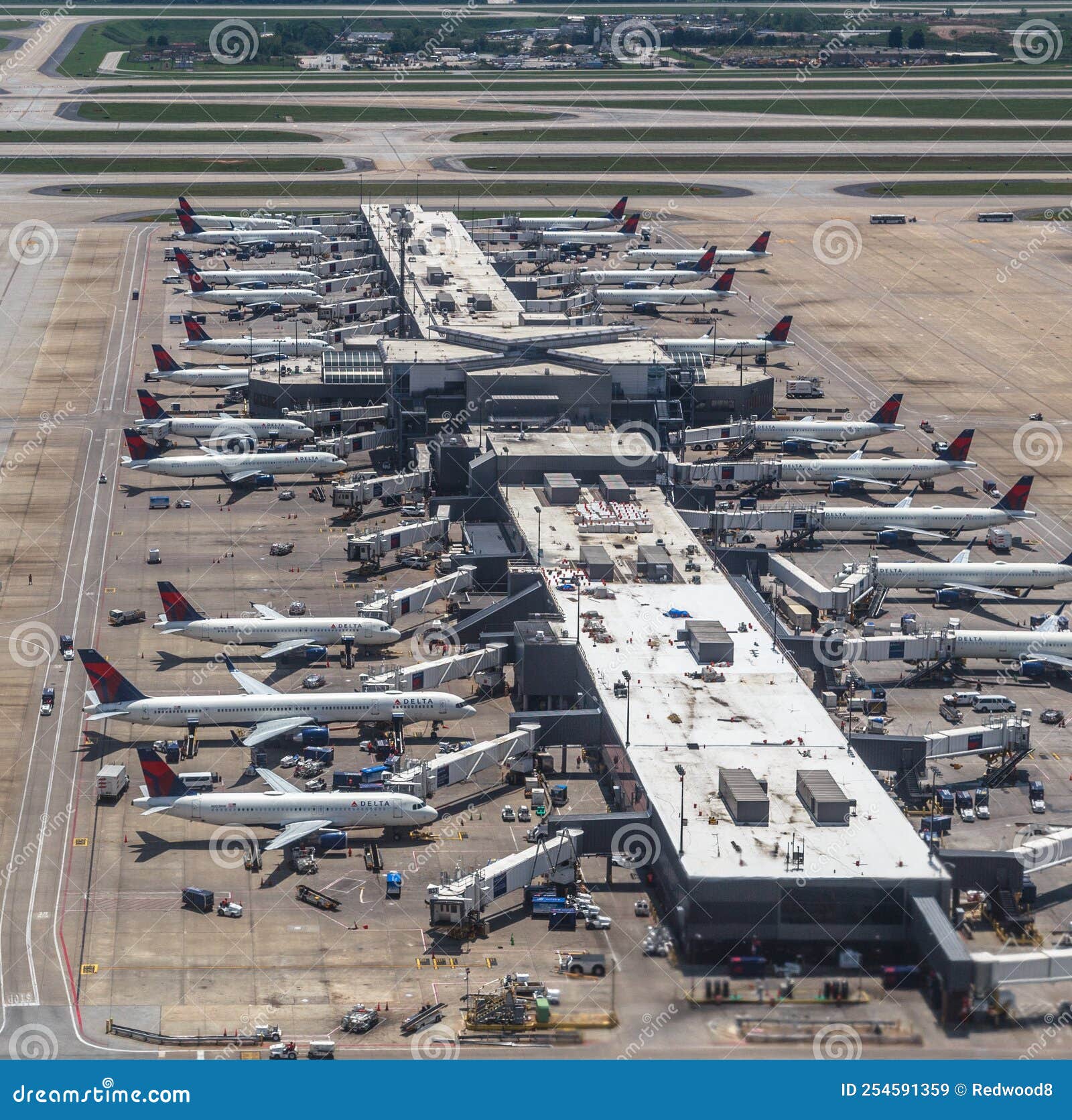
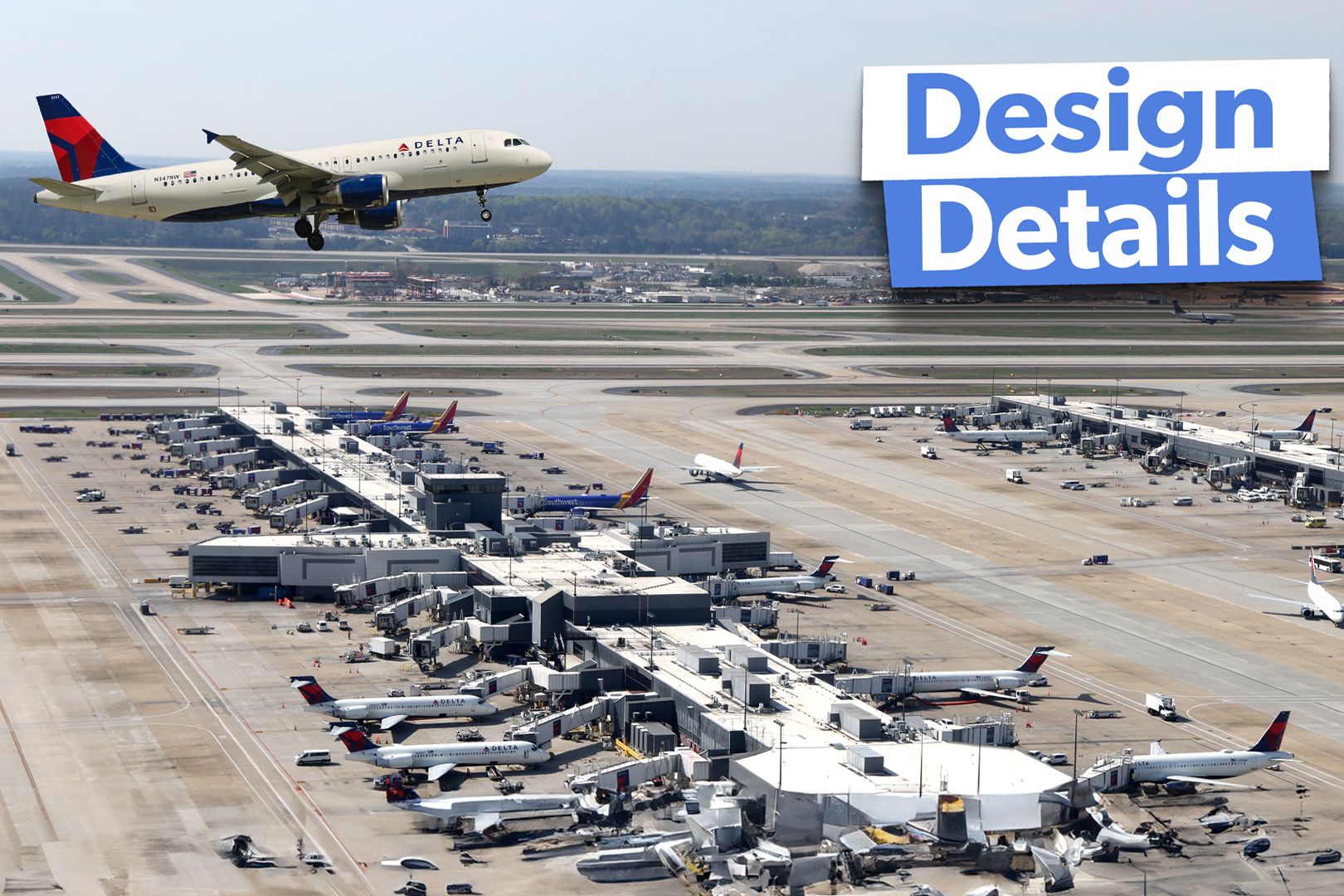
Hartsfield-Jackson Atlanta International Airport (ATL) serves as the primary global mega-hub for Delta Air Lines, which maintains its corporate headquarters in Atlanta and operates the world’s largest single-airline hub here. Additionally, the airport functions as a major operational base and focus city for Southwest Airlines and Frontier Airlines, making it a critical junction for both legacy and low-cost carrier networks.
As we look at the aviation landscape in 2026, Hartsfield-Jackson remains the world's busiest airport by passenger traffic. This status is not merely a result of Atlanta's population but is driven by the sophisticated "hub-and-spoke" model perfected by Delta Air Lines and the strategic expansion of low-cost carriers (LCCs) seeking to tap into the massive Southeast regional market. Understanding which airlines use Atlanta as a hub is essential for travelers planning connections, frequent flyers maximizing loyalty benefits, and logistics professionals managing supply chains.
Delta Air Lines: The Anchor of the Atlanta Hub
Delta Air Lines and Atlanta are synonymous in the aviation industry. In 2026, Delta continues to dominate nearly 80% of the passenger traffic at Hartsfield-Jackson. The relationship is symbiotic; the airport's infrastructure is designed to facilitate Delta’s massive scale, while Delta’s presence provides Atlanta with unparalleled global connectivity.
Scale of Operations
Delta operates upwards of 1,000 peak-day departures from ATL, connecting the city to more than 200 domestic and international destinations. The airline utilizes almost every concourse at the airport, with a particularly heavy presence in Concourses T, A, B, and the international Concourse F. Because Atlanta is Delta's primary connection point for the Southeastern United States, passengers from smaller regional airports often flow through ATL to reach major coastal cities or international gateways.
Infrastructure and the SkyClub Network
The Delta hub at ATL is supported by one of the most extensive lounge networks in the world. As of 2026, Delta operates SkyClubs in every single concourse (T, A, B, C, D, E, and F). This ensures that premium passengers and SkyTeam Elite Plus members have access to amenities regardless of their departure gate. The flagship SkyClub in Concourse F even features an outdoor "Sky Deck," providing views of the runways and the massive Delta technical operations center.
Technical and Operational Heart
Beyond passenger flights, Atlanta houses Delta TechOps, the largest airline maintenance, repair, and overhaul (MRO) provider in North America. This facility is a crucial part of the hub ecosystem, allowing Delta to perform deep maintenance on its fleet without ferry flights. The proximity of the corporate headquarters just north of the airport grounds further cements Atlanta as the operational brain of the airline.
Southwest Airlines: The Major Base and Market Rival
While Delta is the dominant force, Southwest Airlines considers Atlanta one of its most critical "bases" or "focus cities." Since its acquisition of AirTran Airways years ago, Southwest has solidified its position as the primary alternative to Delta for domestic travelers.
Competitive Strategy
Southwest operates primarily out of Concourse C, though its operations occasionally spill into Concourse D. Unlike Delta’s traditional hub-and-spoke model, Southwest utilizes a hybrid system in Atlanta. While many passengers use ATL as a connection point (particularly those traveling from the Northeast to the Gulf Coast or Florida), Southwest also caters heavily to "origin and destination" (O&D) traffic—passengers whose journey begins or ends in Atlanta.
Impact on Pricing
The presence of Southwest’s major base in Atlanta is a significant factor in keeping domestic airfares competitive. On routes where Delta and Southwest compete directly, such as Atlanta to Orlando, Chicago-Midway, or Baltimore-Washington, prices are generally lower than on routes where a single carrier holds a monopoly. In 2026, Southwest continues to offer its signature "Bags Fly Free" policy, which remains a major draw for families and leisure travelers using the Atlanta hub.
Frontier and Spirit: The Ultra-Low-Cost Presence
The evolution of Hartsfield-Jackson as a hub also includes a significant footprint from Ultra-Low-Cost Carriers (ULCCs). Frontier Airlines has designated Atlanta as a major crew base and focus city, significantly expanding its roster of non-stop destinations over the last several years.
Frontier’s Atlanta Growth
Frontier has leveraged Atlanta’s capacity to offer low-fare options to secondary markets and popular vacation spots. By establishing a crew base in Atlanta, Frontier has improved its operational reliability and reduced costs, allowing it to compete aggressively on price. Frontier typically operates out of Concourse D and occasionally the International Terminal for its near-international routes to the Caribbean and Mexico.
Spirit Airlines
Spirit Airlines also maintains a robust schedule at ATL. While not a primary hub in the same sense as its Fort Lauderdale or Las Vegas operations, Atlanta is a key node in Spirit’s network. The airline provides essential price pressure on legacy carriers, particularly for "no-frills" travelers who prioritize base fare over amenities.
International Alliances and the SkyTeam Stronghold
Atlanta’s status as a global hub is reinforced by the SkyTeam Alliance. Because Delta is a founding member of SkyTeam, Hartsfield-Jackson serves as the primary North American gateway for several international partners.
Key International Partners
The following airlines operate significant service to Atlanta, synchronized with Delta’s domestic "bank" of flights to ensure seamless international-to-domestic transfers:
- Air France/KLM: Offering multiple daily flights to Paris (CDG) and Amsterdam (AMS).
- Virgin Atlantic: A close joint-venture partner of Delta, connecting Atlanta to London-Heathrow (LHR).
- Korean Air: Providing a vital link to Seoul-Incheon (ICN), serving as a bridge to the Asian market.
- Aeromexico: Connecting Atlanta to Mexico City and beyond.
These partners almost exclusively utilize Concourse F, the Maynard H. Jackson Jr. International Terminal. Opened in 2012 and continually upgraded through 2026, this terminal allows international arriving passengers who are ending their journey in Atlanta to bypass the main domestic terminal entirely, easing congestion.
Airline Distribution by Concourse (2026 Status)
To navigate the Atlanta hub effectively, it is helpful to understand how the airlines are distributed across the airport’s seven parallel concourses. The airport is structured with the Domestic Terminal (West) and the International Terminal (East), connected by an underground transportation mall featuring the "Plane Train."
| Airline | Hub/Base Status | Primary Concourses | Typical Destinations |
|---|---|---|---|
| Delta Air Lines | Primary Global Hub | T, A, B, C, D, E, F | Worldwide (200+ cities) |
| Southwest Airlines | Major Operational Base | C | Domestic US, Caribbean |
| Frontier Airlines | Focus City / Crew Base | D, F | Domestic US, Mexico |
| Spirit Airlines | Key Focus City | D | Domestic US, Caribbean |
| Air France / KLM | SkyTeam Partner | F | Paris, Amsterdam |
| Virgin Atlantic | Joint Venture Partner | F | London-Heathrow |
| United Airlines | Tenant (Hub at EWR, IAH, etc.) | T | Major US Hubs |
| American Airlines | Tenant (Hub at CLT, DFW, etc.) | T | Major US Hubs |
Why Atlanta is the World’s Busiest Hub
The dominance of Hartsfield-Jackson as an airline hub is not accidental. Several geographic and structural factors contribute to its success and the loyalty of the airlines that call it home.
1. Geographic Advantage
Atlanta is positioned such that 80% of the United States population is within a two-hour flight. This makes it the ideal "connecting point" for north-south and east-west traffic. For an airline like Delta, this geography allows them to capture traffic from small towns in the Carolinas or Alabama and funnel them toward any major city in the world.
2. Efficiency of Layout
Unlike many older airports with "pier" designs or disconnected terminals, ATL features a linear, parallel concourse layout. This design is exceptionally efficient for aircraft taxiing and for passenger transfers. The Plane Train—an automated people mover—runs every 2 minutes, allowing a passenger to travel from Concourse T to Concourse F in approximately 10 to 12 minutes. For a hub carrier, this efficiency means they can schedule shorter connection times, increasing the number of possible flight combinations for customers.
3. All-Weather Capability
Atlanta's weather is generally conducive to year-round operations. While the occasional summer thunderstorm or rare winter ice event can cause delays, the airport does not suffer from the persistent fog of San Francisco or the heavy annual snow of Chicago. This reliability is a key reason why Delta chooses to push so much volume through this single point.
Navigating the Hub: Tips for Travelers
When flying through an airline's hub, the experience differs from flying through a "spoke" airport. Here are the practical realities of using the Atlanta hub in 2026:
- The Plane Train is Vital: Do not attempt to walk between concourses unless you are only going one stop (e.g., A to B). The walking distance between T and F is over a mile. Use the automated train to save time and energy.
- Two Terminals, One Airside: Hartsfield-Jackson has two separate landside buildings (Domestic and International) for check-in and baggage claim, but once you clear security, you can access any gate in any concourse. If you are flying Delta internationally, you can check in at the International Terminal even if your first leg is domestic, which often has shorter security lines.
- Minimum Connection Times: For domestic-to-domestic connections on Delta, 40 minutes is usually the minimum. However, given the size of the hub, 60 minutes is recommended to account for gate changes. For international-to-domestic, you will need at least 90 minutes to 2 hours to clear Customs and Border Protection (CBP) and re-clear security.
- The "T" Gates Advantage: Concourse T is physically attached to the Domestic Terminal. If you are an O&D passenger (starting or ending in Atlanta) and your flight departs from a T gate, you can walk from the security checkpoint to your gate in less than 5 minutes.
The Role of Non-Hub Carriers
While Delta, Southwest, and Frontier dominate the landscape, other major US airlines maintain a presence in Atlanta to capture the "O&D" market. American Airlines and United Airlines operate several flights a day from Concourse T, primarily connecting Atlanta to their own respective hubs like Dallas/Fort Worth, Charlotte, Chicago-O'Hare, and Houston-Intercontinental. For these airlines, Atlanta is a "spoke," serving passengers who live in Atlanta but need to reach a destination in the competitor's network.
Future Developments: ATLNext in 2026
The "ATLNext" modernization program, which has been underway for over a decade, has reached several milestones in 2026. These updates directly benefit the hub operations of the resident airlines:
- Cargo Expansion: A new "Cargo City" area has improved the efficiency of freight carriers like FedEx and DHL, as well as the belly-cargo operations of Delta.
- Concourse D Widening: One of the most significant projects was the widening of Concourse D. Previously the narrowest concourse, it now features more seating, larger gate areas, and improved restrooms, making it much more comfortable for Frontier and Delta passengers.
- Digital Infrastructure: By 2026, biometric boarding is the standard for almost all international flights departing from Concourse F and many domestic flights in Concourses T and A. This has streamlined the boarding process for Delta’s high-volume "banks" of flights.
Frequently Asked Questions
Which airline has the most flights out of Atlanta?
Delta Air Lines is the largest carrier at Hartsfield-Jackson by a wide margin. It accounts for approximately 75% to 80% of all flights and passenger traffic. Atlanta is Delta’s primary global hub and is essential to its worldwide operations.
Is Atlanta a hub for Southwest Airlines?
Southwest considers Atlanta a "major operational base" rather than a traditional hub. However, for the average traveler, the distinction is minimal. Southwest operates a high volume of flights out of Concourse C and uses Atlanta as a significant connection point for passengers traveling across the Eastern United States.
Can I change concourses without leaving the secure area?
Yes. All seven concourses (T, A, B, C, D, E, and F) are connected "airside" (behind security). You can move between them using the underground Plane Train or the walking paths equipped with moving walkways. You do not need to exit security or clear it again to move between concourses unless you are arriving on an international flight.
Where do international flights depart from in Atlanta?
Most international flights depart from Concourse F (The Maynard H. Jackson Jr. International Terminal) or Concourse E. Delta and its SkyTeam partners primarily use Concourse F. Some "near-international" flights (e.g., to Canada or parts of the Caribbean) may occasionally depart from domestic concourses, but all international arrivals requiring customs will go to E or F.
Why is Atlanta such a major hub for so many airlines?
Atlanta’s dominance is due to its perfect "middle" location on the East Coast and the efficiency of its layout. The city's investment in airport infrastructure since the 1970s allowed it to stay ahead of the growth curve, making it the most logical place for Delta to build its massive network.
Final Recommendation for Travelers
If you are flying through Hartsfield-Jackson in 2026, your experience will largely depend on your airline's hub status. For Delta passengers, take advantage of the numerous SkyClubs and the frequent "shuttle" style service to major cities. For those flying Southwest or Frontier, ensure you are heading to the correct concourse (C or D), as these are among the busiest for low-cost traffic. Regardless of your airline, always allow at least 15 minutes to navigate between the terminal and your gate via the Plane Train, and consider using the International Terminal (F) for drop-off if you are flying Delta internationally to avoid the congested Domestic Terminal.