To participate in Atlanta elections, voters must register at least 30 days before an election via the Georgia Secretary of State’s "My Voter Page" or by mail. Residents of Fulton and DeKalb counties can vote early in person, use secure drop boxes (subject to specific hours), or cast ballots at their assigned precincts on Election Day.
As of 2026, Atlanta stands at a critical juncture in its political evolution. Following the recent municipal cycles and the high-stakes federal contests of the past several years, the city’s electoral landscape is defined by rigorous administrative standards, significant legislative shifts in voting access, and a highly engaged electorate. Understanding the nuances of "Atlanta elections" requires navigating the overlapping jurisdictions of the City of Atlanta, Fulton County, DeKalb County, and the State of Georgia.
The 2026 Election Landscape in Atlanta
The year 2026 represents a major cycle for Georgia and its capital city. While municipal seats for the Mayor and City Council typically follow a four-year cycle (last held in 2025), the 2026 midterms focus heavily on state and federal leadership. This cycle includes the race for Governor, Lieutenant Governor, and several other constitutional offices, alongside a pivotal U.S. Senate seat and U.S. House representatives.
For Atlanta residents, these elections are more than just a choice of leadership; they are a referendum on the policies affecting urban infrastructure, public safety, and economic development. Because Atlanta is the economic engine of the Southeast, local voter turnout significantly influences statewide outcomes. The 2026 races are characterized by intense focus on Georgia’s evolving voting laws, which have been refined through multiple legislative sessions since 2021.
Federal and Statewide Contests
In 2026, one of Georgia’s U.S. Senate seats is up for election, drawing national attention and significant campaign spending to the Atlanta media market. Additionally, all of Georgia's U.S. House seats, including those serving the Metro Atlanta area (such as the 5th, 6th, and 13th districts), are on the ballot. Statewide, the race for Governor is the headline event, as the executive leadership in the Gold Dome directly impacts Atlanta’s funding for transit (MARTA) and law enforcement.
The Role of County Boards
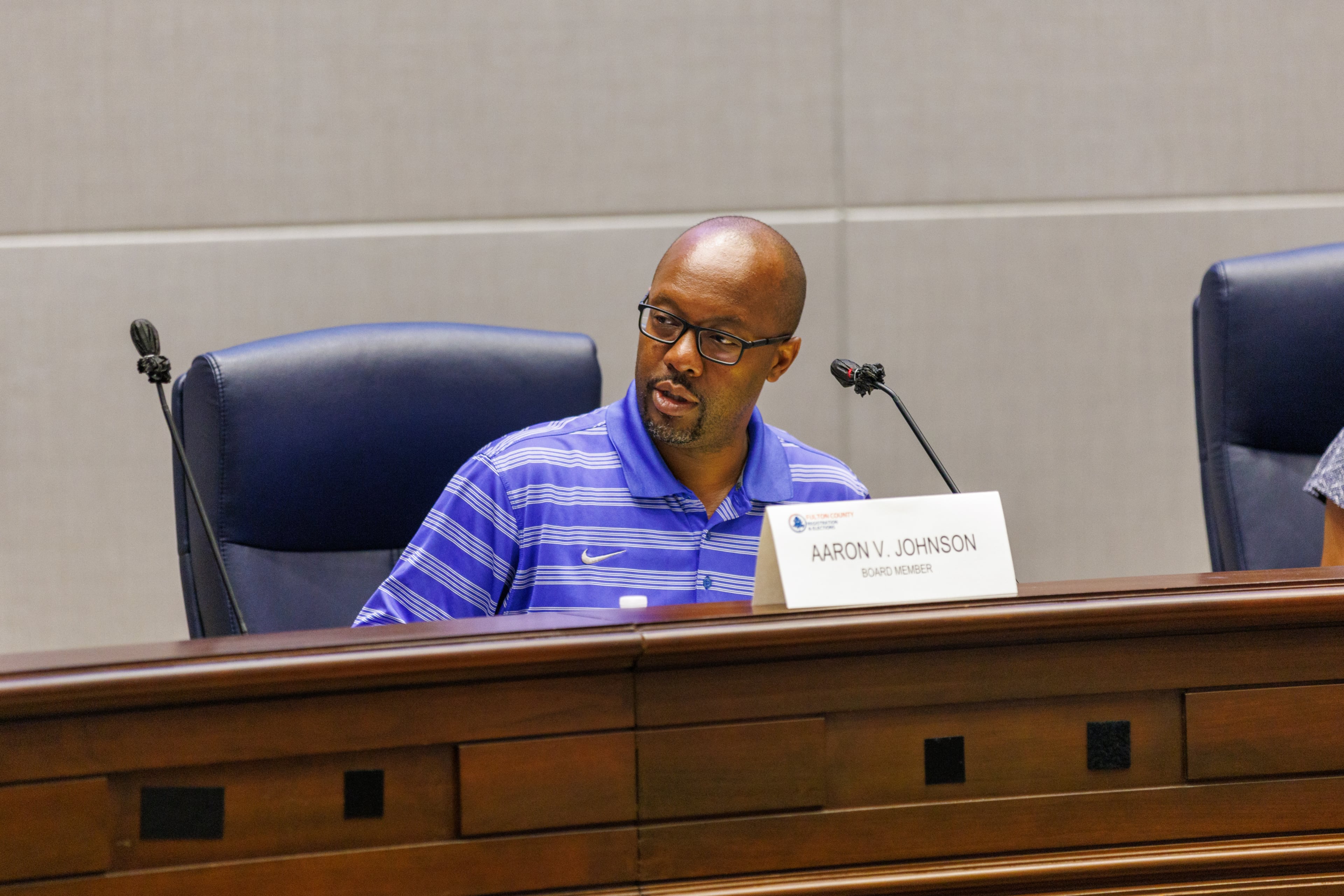
Atlanta elections are technically administered at the county level. If you live within the city limits of Atlanta, you reside in either Fulton County or DeKalb County. These respective Boards of Registration and Elections are responsible for staffing polling places, processing absentee ballots, and certifying local results. Coordination between the city government and these county boards is essential for a smooth electoral process, especially during high-turnout midterm years like 2026.
Voter Registration and Eligibility Requirements
To vote in any Atlanta election, an individual must meet specific legal criteria set by the State of Georgia. Registration is not automatic; it requires proactive steps by the citizen, though the "Motor Voter" program links registration to the Department of Driver Services (DDS).
Eligibility Criteria
To be eligible to vote in Atlanta, you must:
- Be a citizen of the United States.
- Be a legal resident of a county in Georgia (Fulton or DeKalb for Atlanta residents).
- Be at least 17.5 years of age to register and 18 years of age to vote.
- Not be serving a sentence for a felony involving moral turpitude.
- Not have been found mentally incompetent by a judge.
The Registration Process
The deadline to register for any election in Georgia is the close of business on the fifth Monday prior to the election. For the 2026 General Election, this typically falls in early October.
Voters can register or update their address through the Georgia Secretary of State’s My Voter Page (MVP). This portal is the primary tool for Atlanta voters to verify their status, find their polling location, and view sample ballots. If you have moved within Atlanta—even if it is just a few blocks away—you must update your registration to ensure you are voting in the correct municipal and legislative districts. Failure to update an address can lead to casting a provisional ballot, which involves extra steps to ensure the vote is counted.
Voting Methods: Early, Absentee, and Election Day
Atlanta offers three primary ways to cast a ballot. Each method has specific rules and deadlines that have been adjusted by recent Georgia legislation, most notably Senate Bill 202 (The Election Integrity Act of 2021).
Absentee Voting by Mail
Any registered voter in Atlanta can request an absentee ballot without providing an excuse. However, the window to request these ballots is narrower than in years past.
- Request Period: Voters can apply for an absentee ballot starting 11 weeks before an election, with the deadline for requests ending 11 days before Election Day.
- ID Requirements: You must provide your Georgia driver’s license or state ID number on the application. If you do not have one, you must provide a photocopy of an acceptable alternative ID.
- Submission: Completed ballots can be returned by mail or placed in secure drop boxes. In 2026, drop boxes are located inside early voting sites and are only accessible during early voting hours.
Early In-Person Voting
Early voting is highly popular in Atlanta due to the flexibility it offers. Georgia law requires at least 17 days of early in-person voting, including two Saturdays. Many Atlanta precincts also offer Sunday voting hours to accommodate "Souls to the Polls" initiatives and other community efforts.
- Location Flexibility: During early voting, you do not have to go to your specific precinct. You can vote at any early voting site within your county of residence (Fulton or DeKalb).
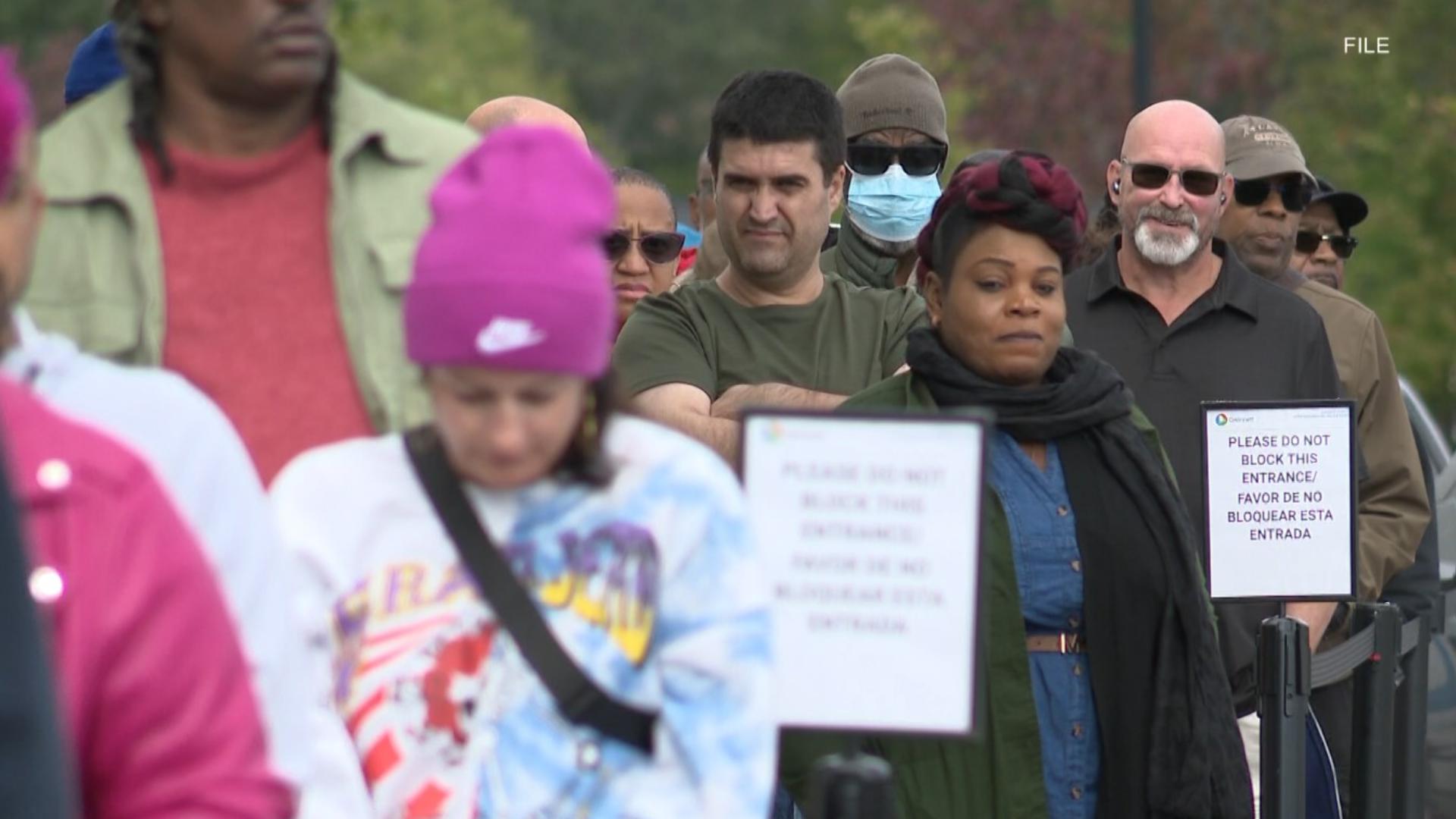
- Wait Times: Fulton and DeKalb counties often provide online "wait-time" trackers, allowing voters to choose the most efficient location.
Election Day Voting
On Election Day, you must vote at your designated precinct. Polling places in Atlanta are open from 7:00 AM to 7:00 PM. If you are in line by 7:00 PM, you are legally entitled to cast your ballot. It is critical to confirm your Election Day precinct on the MVP portal, as polling locations frequently change due to school schedules or facility availability.
Mandatory Voter Identification in Georgia
Georgia has one of the strictest photo ID laws in the country. To vote in person—whether early or on Election Day—you must present a valid photo ID.
Acceptable Forms of ID
- A Georgia driver’s license (even if expired).
- Any valid state or federal government-issued photo ID.
- A valid U.S. passport.
- A valid U.S. military photo ID.
- A valid tribal photo ID.
- A student ID from a Georgia public college, university, or technical institute. (Note: Private college IDs are generally not accepted).
If a voter arrives at the polls without a valid photo ID, they may cast a provisional ballot. For this ballot to count, the voter must provide a valid photo ID to their county registrar’s office within three days following the election. To prevent this hurdle, the state provides a free Georgia Voter Identification Card to any citizen who does not have another acceptable form of ID. These can be obtained at any county registrar’s office or DDS office.
Comparing Voting Options in Atlanta
| Feature | Absentee by Mail | Early In-Person | Election Day |
|---|---|---|---|
| Eligibility | All registered voters | All registered voters | All registered voters |
| Location | Anywhere (Mail/Drop Box) | Any county early voting site | Assigned precinct only |
| ID Requirement | ID number on application | Physical photo ID | Physical photo ID |
| Best For | Travel or homebound status | Avoiding lines/Flexibility | Traditional experience |
| Deadline | Must be received by 7 PM on Election Day | Ends Friday before Election Day | 7 AM – 7 PM on Election Day |
Understanding Local Jurisdictions: Fulton vs. DeKalb
Because the City of Atlanta is split between two counties, voters must be aware of which local government manages their records. This split is more than just administrative; it affects which local school board members, county commissioners, and sheriffs appear on the ballot.
Fulton County (Atlanta Portion)
The majority of Atlanta's population and land area, including Downtown, Midtown, and Buckhead, lies within Fulton County. The Fulton County Registration and Elections Department is one of the largest in the state. They manage high-profile sites like State Farm Arena or the High Museum of Art during major elections to facilitate high-volume voting.
DeKalb County (Atlanta Portion)
The eastern portion of Atlanta, including neighborhoods like Kirkwood and East Lake, falls into DeKalb County. The DeKalb County Board of Registrations and Elections manages these voters. DeKalb voters may have different early voting sites and different county-level ballot questions (such as SPLOST tax renewals) compared to their Fulton counterparts.
Post-Election Verification and Security
Since the 2020 and 2024 cycles, Georgia has implemented rigorous post-election audit procedures. In 2026, Atlanta voters can expect the same level of scrutiny to ensure election integrity.
- Risk-Limiting Audits (RLA): After major elections, the Secretary of State conducts audits where a random sample of paper ballots is hand-counted to verify that the machines tabulated results accurately.
- Certification: Results are not official until they are certified by the County Boards of Elections and subsequently by the Secretary of State. This process usually takes about two weeks.
- Secure Paper Trail: Georgia uses touchscreen ballot-marking devices (BMDs) that print a paper ballot. This paper ballot is what the voter reviews before inserting it into a scanner for counting. The paper record is the official ballot used for audits and recounts.
Frequently Asked Questions
Can I vote in Atlanta if I am a student?
Yes, students attending universities like Georgia Tech, Georgia State, or Emory can register to vote using their campus address if they consider it their primary residence. If they prefer to remain registered in their home county or state, they must request an absentee ballot from that jurisdiction. Public university IDs in Georgia are valid for voting.
What should I do if my name is not on the voter roll at the precinct?
First, ask the poll worker to check the supplemental list or confirm you are at the correct precinct using the "My Voter Page" portal. If you are at the correct precinct but your name does not appear, you have the right to request a provisional ballot. State law requires poll workers to offer this if a voter's eligibility cannot be immediately determined.
Are there drop boxes available for the 2026 election?
Yes, but they are subject to limitations under SB 202. Drop boxes are located inside authorized early voting locations in Fulton and DeKalb counties. They are only accessible during the hours that early voting is taking place. Once the early voting period ends, drop boxes are closed, and all remaining absentee ballots must be mailed or delivered directly to the county elections office.
How do I find a sample ballot for Atlanta elections?
Sample ballots are typically released four to six weeks before an election. You can access a personalized sample ballot by logging into the Georgia My Voter Page. This is the best way to see the specific City Council, School Board, or State Legislative races that apply to your specific address.
Can I bring someone to help me vote?
Voters who are physically disabled or unable to read the English language may receive assistance from any person of their choice, except their employer, an agent of their employer, or an officer or agent of their union. During the hours of voting, no person is allowed to campaign or "line-stand" to give out food or water within 150 feet of the building or within 25 feet of any voter in line.
Next Steps for Atlanta Voters
To ensure your voice is heard in the 2026 cycle, your first action should be to verify your registration status. Visit the Georgia Secretary of State My Voter Page to confirm your address and see your current districts. If you are not registered, or if you have moved since the last election, submit your registration or update electronically or via a paper form at least 30 days before the next scheduled election. Additionally, familiarize yourself with the 2026 candidates by reviewing local non-partisan voter guides and attending neighborhood planning unit (NPU) meetings where local issues are often debated.