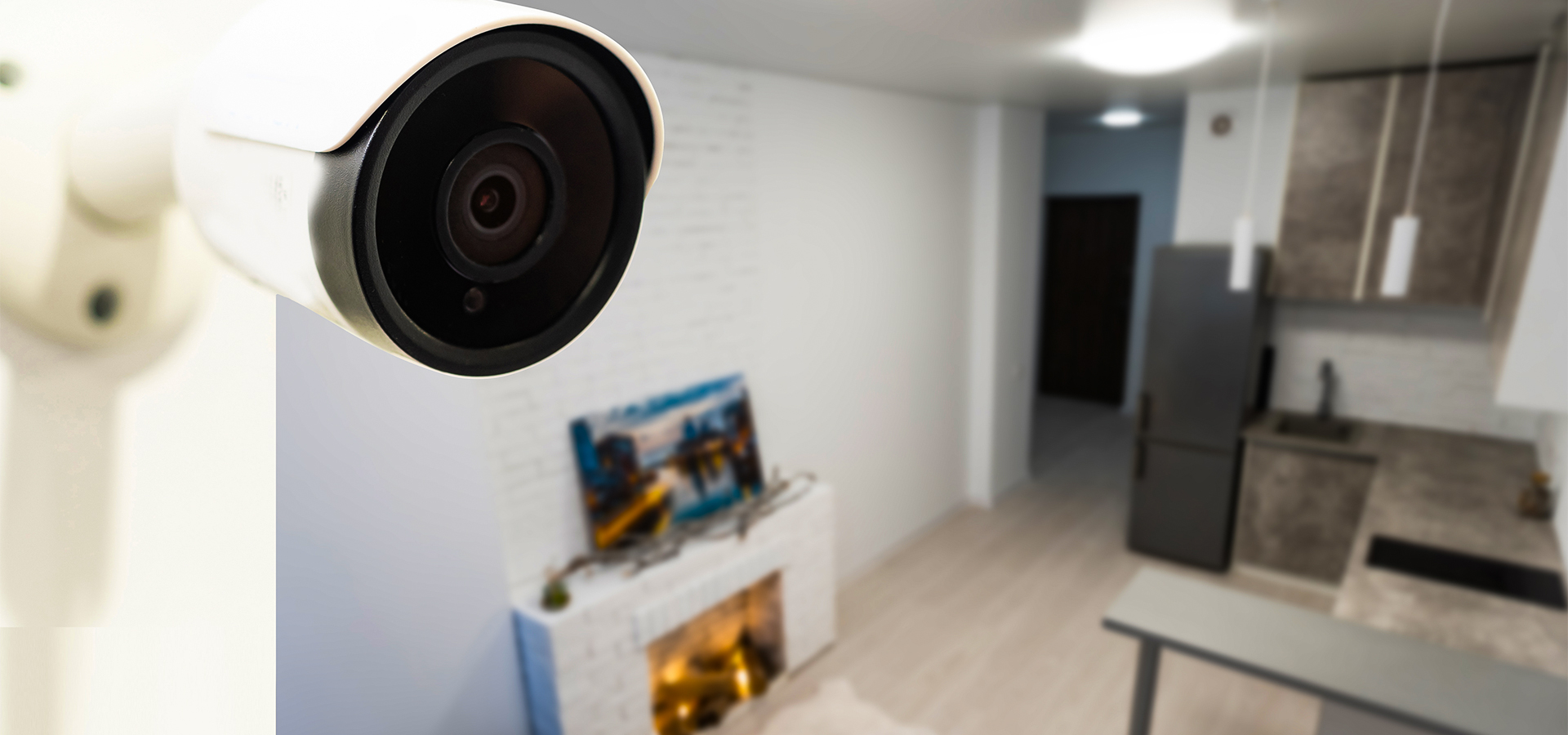
An Atlanta alarm system is a specialized security configuration designed to protect residential or commercial properties within the Atlanta metropolitan area, adhering to specific municipal codes and police response protocols. In 2026, these systems typically integrate high-definition video surveillance, AI-driven threat detection, and mandatory city registration to ensure a prioritized law enforcement response while minimizing false alarm penalties.
Securing a property in Atlanta requires more than just purchasing hardware; it necessitates an understanding of the local regulatory environment, the technical evolution of smart home integration, and the specific crime trends affecting the North and South Metro areas. Whether you are a homeowner in Buckhead or a business owner in Midtown, a modern alarm system serves as a critical deterrent and a vital link to emergency services.
The State of Residential and Commercial Security in Atlanta
As we move through 2026, the security landscape in Atlanta has shifted toward "proactive" rather than "reactive" monitoring. Traditional systems that merely sounded a siren are being replaced by intelligent platforms that use edge computing to distinguish between a delivery driver and a potential intruder. In a city as geographically diverse as Atlanta, the requirements for an alarm system vary significantly by neighborhood density and property type.
High-density areas like Atlantic Station or the Beltline corridor often prioritize window sensors and video doorbells due to the prevalence of foot traffic. Conversely, sprawling residential estates in areas like Sandy Springs or Vinings require comprehensive perimeter protection, including driveway sensors and long-range outdoor cameras. The goal of any Atlanta alarm system remains the same: to create a multi-layered defense that provides peace of mind while complying with the strict "Verified Response" protocols now common in urban policing.
Atlanta’s False Alarm Ordinances and Permit Requirements
One of the most critical aspects of owning an alarm system in the City of Atlanta is compliance with the False Alarm Reduction Program. The Atlanta Police Department (APD) and surrounding jurisdictions like Decatur and Marietta have implemented strict registration requirements to manage the high volume of accidental activations that drain municipal resources.
Registration and the CryWolf System
In 2026, every monitored alarm system within the Atlanta city limits must be registered with the city. This is typically managed through the CryWolf portal, a third-party service used by the APD. Failure to register your system can lead to substantial fines, and more importantly, police may decline to respond to an unverified alarm at an unregistered address.
The Verified Response Protocol
The City of Atlanta has largely moved toward a "Verified Response" policy. This means that for a burglary alarm, the police department requires some form of confirmation that a crime is occurring before dispatching officers. Verification can be achieved through:
- Video Verification: A monitoring agent views a live feed showing an unauthorized individual.
- Audio Verification: A monitoring agent hears sounds of a break-in or struggle.
- Physical Verification: A private security guard or the property owner confirms a breach on-site.
Understanding these rules is essential when selecting a provider. If your system does not support video verification, your priority level for police dispatch may be significantly lower than those that do.
Essential Features of a 2026 Atlanta Alarm System
Technology has advanced rapidly, and the "standard" alarm system of five years ago is now considered legacy hardware. When evaluating systems today, several technical specifications should be considered non-negotiable for an urban environment like Atlanta.
AI-Driven Analytics and Edge Processing
Modern cameras no longer rely on simple motion detection, which frequently triggers false alerts due to shadows or swaying trees. Instead, systems use AI to identify human forms, vehicles, and even specific animals. Edge processing—where the "intelligence" happens on the camera itself rather than in the cloud—ensures that alerts are delivered to your smartphone in milliseconds, a crucial factor when every second counts.
5G Cellular Backup and Battery Redundancy
With the retirement of older 2G and 3G networks, 2026 systems utilize 5G LTE-M or NB-IoT for primary or backup communication. This is vital in Atlanta, where summer storms can knock out fiber-optic or cable internet lines. A system with a 24-hour battery backup and a 5G cellular bridge ensures that your home remains connected to the monitoring center even during a total utility failure.
Smart Home Ecosystem Interoperability
The adoption of the Matter and Thread protocols has revolutionized how alarm systems interact with other home devices. A top-tier Atlanta alarm system should seamlessly integrate with your smart locks (like Yale or Schlage), smart lighting (Lutron or Hue), and thermostats. In a security event, the system can automatically turn on all exterior lights and lock every door, creating an active defense posture.
Comparing Local vs. National Alarm Providers
Atlanta residents have a choice between large national brands and long-standing local security companies. Each has distinct advantages depending on your needs for service speed and technology.
National Providers (e.g., ADT, Vivint, SimpliSafe)
National brands often lead in R&D, offering the most advanced proprietary hardware and integrated apps.
- Pros: Robust infrastructure, multiple redundant monitoring centers across the country, and deep discounts on equipment with long-term contracts.
- Cons: Higher monthly fees and potentially slower technician response times for physical repairs due to high customer volume.
Local Atlanta Providers (e.g., Ackerman Security, LOUD Security)
Local companies have deep roots in the Georgia market and a thorough understanding of metro Atlanta's specific municipal codes.
- Pros: Faster on-site service calls, personalized customer support, and familiarity with local police precinct preferences.
- Cons: Smaller R&D budgets may mean they use "off-the-shelf" hardware like Resideo (formerly Honeywell) or Qolsys rather than proprietary innovations.
Cost Analysis of Atlanta Alarm Systems
The cost of a security system in Atlanta is divided into three categories: equipment, installation, and ongoing monitoring. In 2026, the shift toward DIY-hybrid models has provided more flexibility in pricing.
| Feature/Service | DIY (Entry Level) | Professional (Mid-Tier) | Enterprise/Luxury (High-End) |
|---|---|---|---|
| Upfront Equipment Cost | $200 – $500 | $600 – $1,500 | $3,000+ |
| Professional Installation | N/A ($0) | $99 – $299 | $500+ |
| Monthly Monitoring Fee | $15 – $30 | $40 – $65 | $100+ |
| Contract Requirement | Month-to-Month | 24 – 36 Months | 36 – 60 Months |
| Video Storage | Cloud-only | Hybrid (Local/Cloud) | Local NVR + Cloud |
| Primary Use Case | Apartments/Small Homes | Standard Residential | Large Estates/Businesses |
Step-by-Step Guide to Implementing Your Security Strategy
If you are looking to install or upgrade your Atlanta alarm system in 2026, follow this structured approach to ensure maximum protection and legal compliance.
1. Conduct a Perimeter Vulnerability Assessment
Before buying hardware, walk your property at night. Identify "blind spots" where an intruder could hide from streetlights. In Atlanta’s wooded suburban lots, this often includes side entrances or basement walk-outs. Your system should prioritize these areas with motion-activated floodlights and high-resolution cameras.
2. Choose Your Monitoring Level
Decide if you want Self-Monitoring or Professional Monitoring. In the City of Atlanta, professional monitoring is highly recommended because of the aforementioned police dispatch requirements. A professional monitoring center can provide the "Verification" needed to ensure police are dispatched as a priority.
3. Register for Your Permit
Immediately after installation, visit the Atlanta Police Department's False Alarm website to register your system. Keep your permit number in a dedicated security folder; you may need to provide it to your insurance agent to receive a homeowner's insurance discount.
4. Optimize for Power and Connectivity
Given Atlanta's weather patterns, ensure your main control panel is connected to a Surge Protective Device (SPD). If you use wireless sensors, choose a system that uses PowerG technology, which offers superior range and encrypted communication, making it much harder for sophisticated thieves to "jam" your signal.
Common Pitfalls and Troubleshooting
Even the best systems can fail if not maintained properly. In the humid Georgia climate, outdoor equipment faces unique challenges.
- Lens Fogging and Spiders: Humidity and insects are the primary causes of "false motion" in Atlanta. Use a hydrophobic spray on camera lenses to prevent water droplets from blurring the image, and regularly clean around sensors to remove cobwebs that trigger PIR (Passive Infrared) sensors.
- Battery Degradation: Heat is the enemy of lithium batteries. If your outdoor cameras are in direct Georgia sun, expect to replace or recharge batteries more frequently than the manufacturer suggests. Solar panel attachments are a highly effective solution for southern-facing cameras.
- Wi-Fi Dead Zones: Atlanta's older homes often have thick plaster walls or brick exteriors that block Wi-Fi signals. If your cameras are dropping offline, invest in a dedicated mesh network or use "hardwired" PoE (Power over Ethernet) cameras for the exterior.
Frequently Asked Questions
Do I really need a permit for an alarm system in Atlanta?
Yes. If you live within the city limits of Atlanta, you must register your alarm system. Most surrounding municipalities like Sandy Springs and Marietta also require permits. Failure to do so can result in fines starting at $100 for the first unregistered alarm activation, and police may refuse to respond to future calls until the permit is secured.
Can I use a DIY system like Ring or SimpliSafe in Atlanta?
Absolutely. However, you must still comply with local permit laws. Ensure that your DIY provider offers a "Professional Monitoring" tier that includes a dispatch service capable of communicating with the Atlanta 911 center. Without a professional monitoring plan, you are responsible for calling 911 yourself, which can be difficult if you are in a meeting or sleeping.
What is the difference between a "Burglar Alarm" and "Life Safety" devices?
An alarm system focuses on unauthorized entry (door sensors, glass break detectors). Life safety devices, such as interconnected smoke, fire, and carbon monoxide detectors, are often integrated into the same system. In Georgia, professional monitoring of life safety devices can lead to the highest discounts on home insurance premiums, often ranging from 5% to 15%.
Will the police respond if my alarm goes off?
In Atlanta, the police will respond if the alarm is verified or if it is a "Panic" or "Duress" signal. For standard burglar alarms, the monitoring company must usually attempt to contact the owner first. If they cannot verify the alarm through audio, video, or a person on-site, the dispatch priority is lowered significantly.
How do I avoid false alarm fines?
The most common causes of false alarms in Atlanta are improper exit/entry procedures and roaming pets. Ensure your system has "Pet Immunity" settings for motion detectors (usually up to 40-60 lbs). Additionally, educate all family members on how to use the "Cancel" feature on your app or keypad to abort an accidental trigger within the first 30 seconds.
Final Recommendation
For most residents in the Atlanta metro area, a hybrid-professional system is the best choice in 2026. This means choosing a system that allows for DIY expansion (adding your own cameras or smart plugs) but is backed by a professional 24/7 monitoring center that provides video verification.
Prioritize hardware that supports the 5G cellular standard and the Matter protocol to ensure your investment remains relevant through the end of the decade. Most importantly, do not delay your city registration; a security system is only as effective as the emergency response it can trigger. After installation, contact your insurance provider with your permit number to ensure you are receiving the maximum available discount on your property insurance.