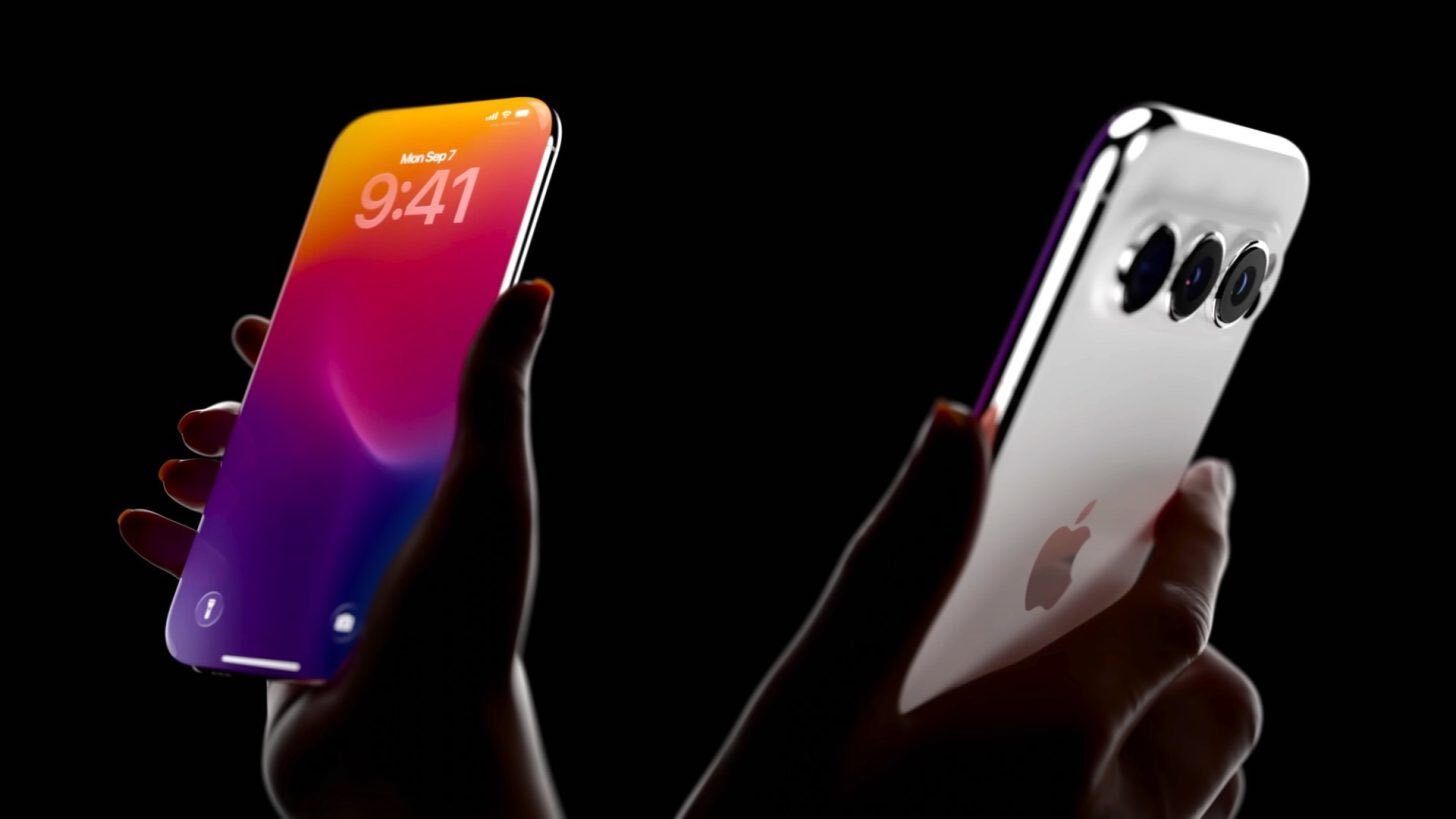
Apple skipped the iPhone 9 to maintain a clear distinction between its legacy home-button handsets and the new "iPhone X" design language that marked the tenth anniversary of the device. By jumping directly from the iPhone 8 to the iPhone X, Apple signaled a radical shift in technology, pricing, and aesthetic philosophy, effectively ending the numerical naming convention that had defined its smartphone evolution for over a decade.
The Context of the 2017 Product Launch
In September 2017, the tech industry expected Apple to announce the iPhone 7s and 7s Plus, following its established "tick-tock" upgrade cycle. Instead, the company hosted a historic event at the Steve Jobs Theater, unveiling the iPhone 8, 8 Plus, and the revolutionary iPhone X. The "X" was not just a model name; it was a Roman numeral representing the tenth anniversary of the original iPhone launched in 2007.
Naming the device "iPhone 9" would have been technically accurate but strategically dissonant. The iPhone 8 line represented the refinement of the traditional design—a glass back, wireless charging, and the familiar home button with Touch ID. The iPhone X, however, represented the future: an edge-to-edge OLED display, the removal of the home button in favor of Face ID, and a vertical dual-camera setup. Apple needed a name that carried enough gravitas to separate these two distinct product paths.
Psychological and Branding Significance
The decision to skip the number nine reflects a common practice in consumer electronics and luxury marketing. Often, companies move from a specific number to a "pro," "max," or alphanumeric designation to avoid the perception of a marginal upgrade.
By skipping the number 9, Apple avoided the potential consumer perception that the iPhone 9 would be a minor, incremental step forward from the iPhone 8. Instead, the move to "X" served as a reset. It allowed marketing teams to position the new handset as a premium, generational leap rather than just the next number in a series. This was essential for the product's price point, as the iPhone X launched at $999, positioning it as an ultra-premium device compared to the more standard pricing of the iPhone 8.
The Evolution of iPhone Naming Conventions
To understand why the skip felt so significant, it is helpful to look at the progression of the iPhone naming scheme. From 2007 to 2017, the naming followed a logical, linear path.
| Model Era | Naming Pattern | Key Characteristics |
|---|---|---|
| Early Years | Numerical | iPhone, 3G, 3GS, 4, 4s |
| Maturation | Number + S | iPhone 5, 5s, 6, 6s |
| Refinement | Number | iPhone 7, 8 |
| Modern Era | X, Pro, Max, SE | iPhone X, 11, 12, 13, 14, 15, 16 |
The "S" branding, which Apple used for years, signified a performance update to an existing design. By the time the iPhone 8 arrived, the "S" suffix had been retired in favor of the next whole number. The jump from 8 to X effectively broke this cycle, moving the brand toward a more abstract identity that focuses on product capability rather than simple sequential accumulation.
Technological Disparity: iPhone 8 vs. iPhone X
The technological gap between the devices released in 2017 highlights why a single series name would have been misleading. The iPhone 8 was essentially the pinnacle of the iPhone 6 design language. It retained the 16:9 aspect ratio, large bezels, and the physical home button.
In contrast, the iPhone X was the first to use:
- Super Retina OLED Display: A dramatic shift from the LCD panels that had graced every iPhone previously.
- TrueDepth Camera System: This sensor array enabled Face ID, which permanently replaced the fingerprint-based Touch ID for flagship devices.
- Gesture-Based Navigation: With the removal of the home button, users had to learn new "swipe" interactions, signaling a total change in the user experience (UX).
If Apple had released an "iPhone 9," it would have created a false equivalency. Consumers would have reasonably expected the "9" to be the successor to the "8," whereas in reality, the "X" was the true successor to the standard model, while the 8 was a bridge device for those not yet ready to embrace the new, more expensive interface.
The Role of Market Perception and Competition
In the smartphone market of 2017, competitors like Samsung were also utilizing aggressive naming strategies. Samsung had reached its "Galaxy S8," and Apple’s shift to the iPhone X allowed it to control the narrative of innovation. By invoking the tenth anniversary, Apple reframed the conversation around history and progress rather than just specifications.
This strategy also served to simplify the catalog for retail partners and carriers. By segregating the "legacy" design (the 8 series) from the "flagship" design (the X series), retailers could easily explain the price gap to customers. An "iPhone 9" would have been confusing; it would have occupied an awkward middle ground that could have cannibalized sales of both the lower-priced 8 and the higher-priced X.
Frequently Asked Questions
Did Apple ever intend to release an iPhone 9? There is no evidence to suggest that an "iPhone 9" was ever planned as a standalone project. The development cycle focused on two tracks: the refinement of the existing design (iPhone 8) and the creation of a new, boundary-pushing device (iPhone X). The naming was a deliberate strategic choice made late in the development process.
Was the number 9 considered unlucky in any markets? While the number 4 is considered unlucky in several East Asian cultures—leading some companies to skip the number 4 in product naming—the number 9 is generally associated with longevity and good fortune. Therefore, the skip was driven by branding and product hierarchy rather than cultural superstitions.
Does the iPhone SE fill the gap left by the missing iPhone 9? The iPhone SE series is designed as an entry-level product that reuses older chassis designs with updated internal hardware (the processor). While the second-generation iPhone SE (released in 2020) looked like an iPhone 8, it was not intended to be the "missing" iPhone 9, but rather an affordable, modern entry point into the Apple ecosystem.
Did other tech companies skip version numbers? Yes. Companies frequently skip numbers to create a sense of massive progress or to align with a significant milestone. For example, Windows jumped from version 8 to version 10, skipping "9" entirely, often citing that the change was substantial enough to justify a move to a new base version rather than a minor increment.
How does the iPhone X continue to influence current iPhone naming? The iPhone X established the "Pro" and "Max" naming tiers that Apple uses in 2026. After moving away from simple numbers to the "X" and then the "11/12/13" series, Apple settled into a structure that identifies models by size and performance capability (Standard, Pro, Pro Max) rather than just linear numbering.
Summary and Next Actions
The decision to skip the iPhone 9 was a calculated move to delineate the end of a design era and the beginning of a modern, "all-screen" future. For users currently researching these devices for collection or legacy use, it is important to recognize that the iPhone 8 and iPhone X belong to two entirely different engineering philosophies.
If you are looking for a reliable, physical-home-button device, the iPhone 8 remains the final iteration of that specific architecture. If you are looking for the precursor to the modern, gesture-based iPhone experience, the iPhone X is the correct historical starting point. When purchasing or repairing these devices today, ensure you are sourcing components specifically for either the "8-style" chassis or the "X-style" chassis, as they are not cross-compatible in any capacity.