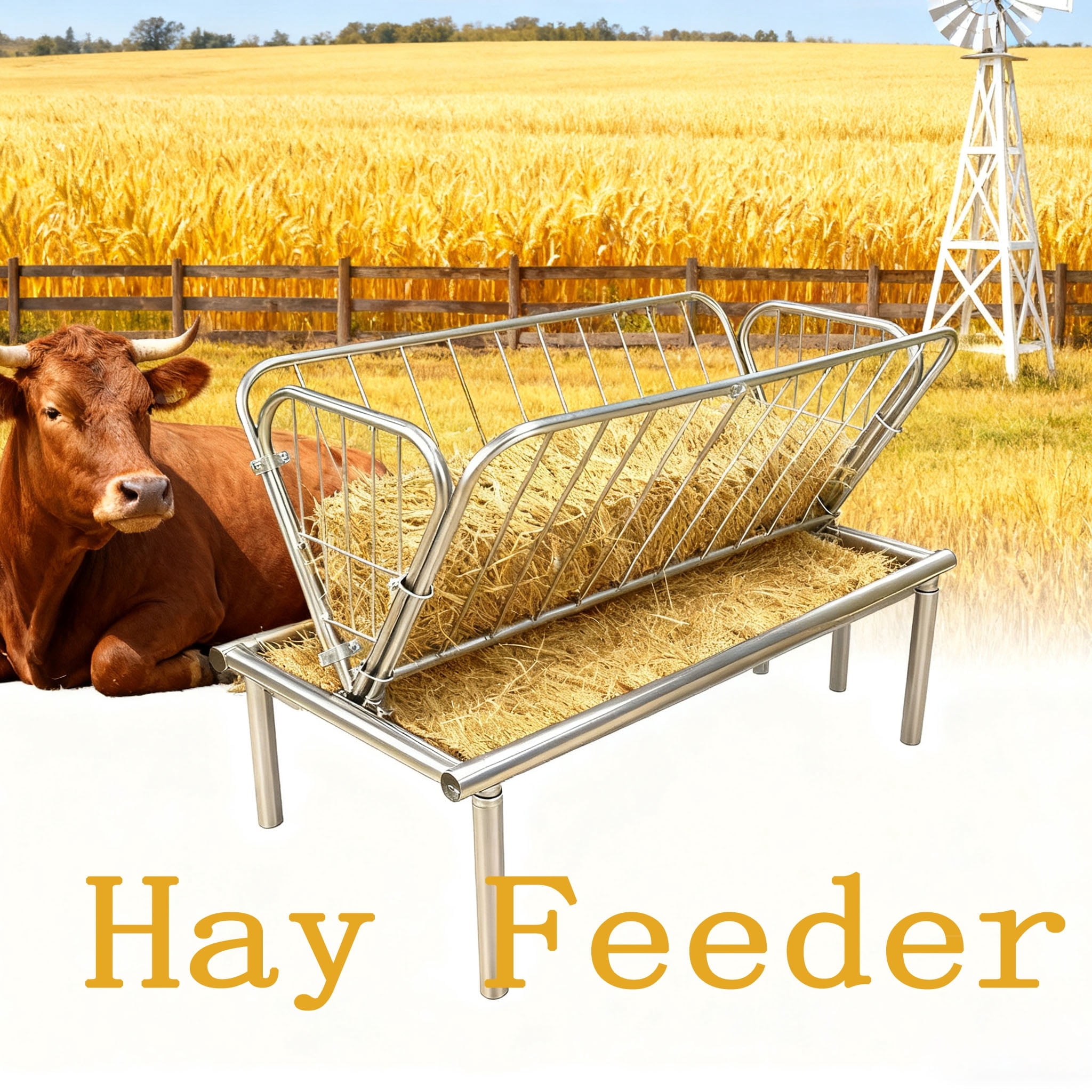
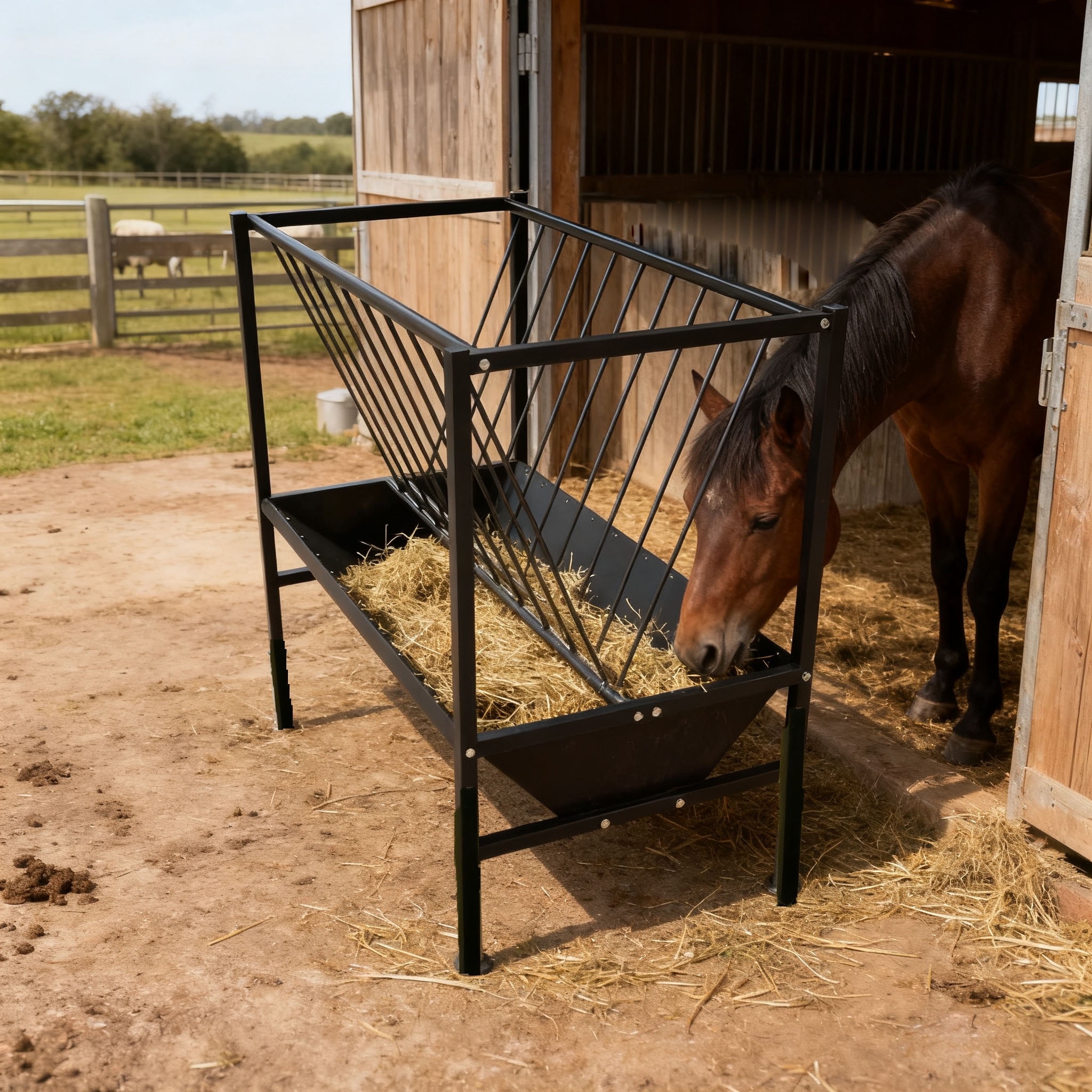
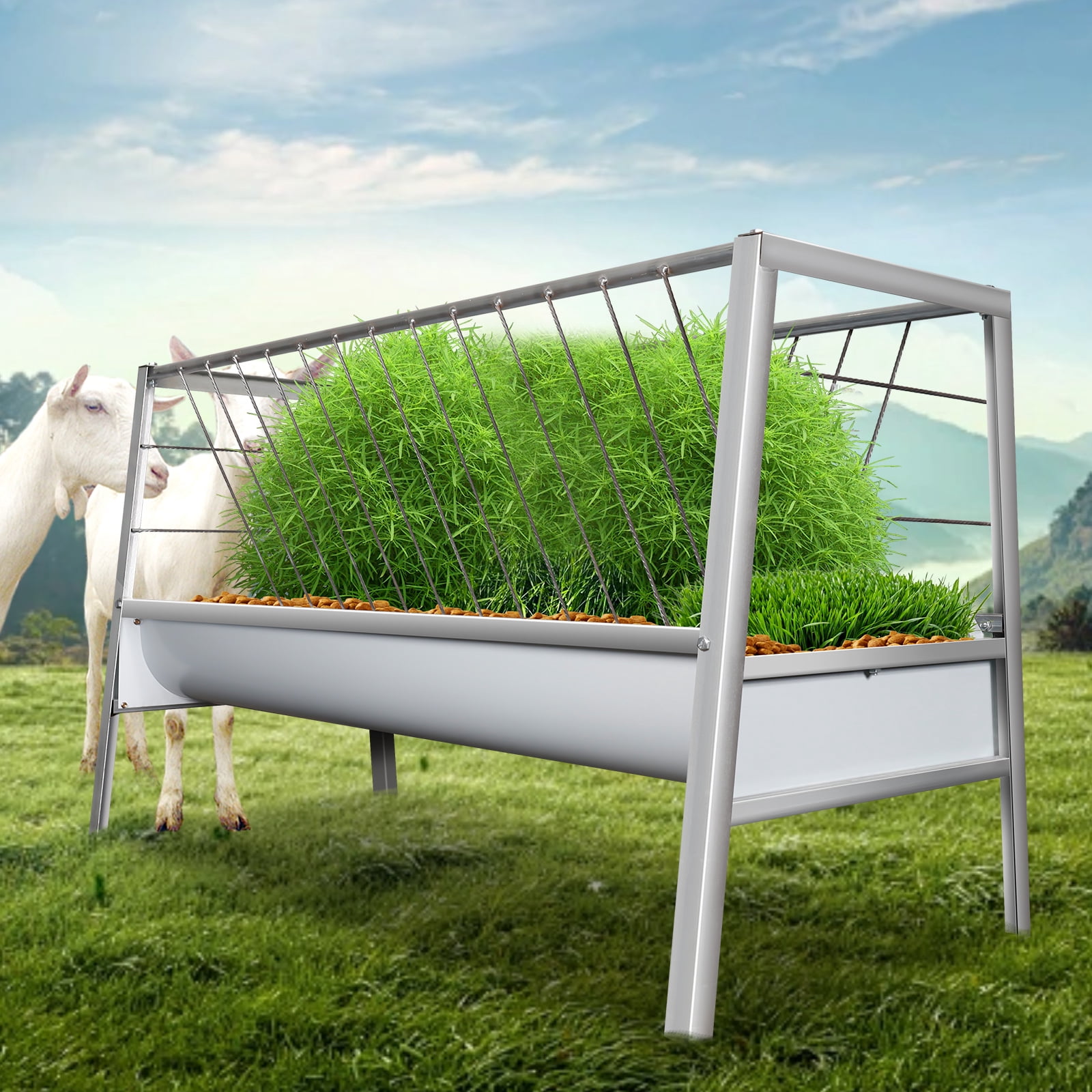
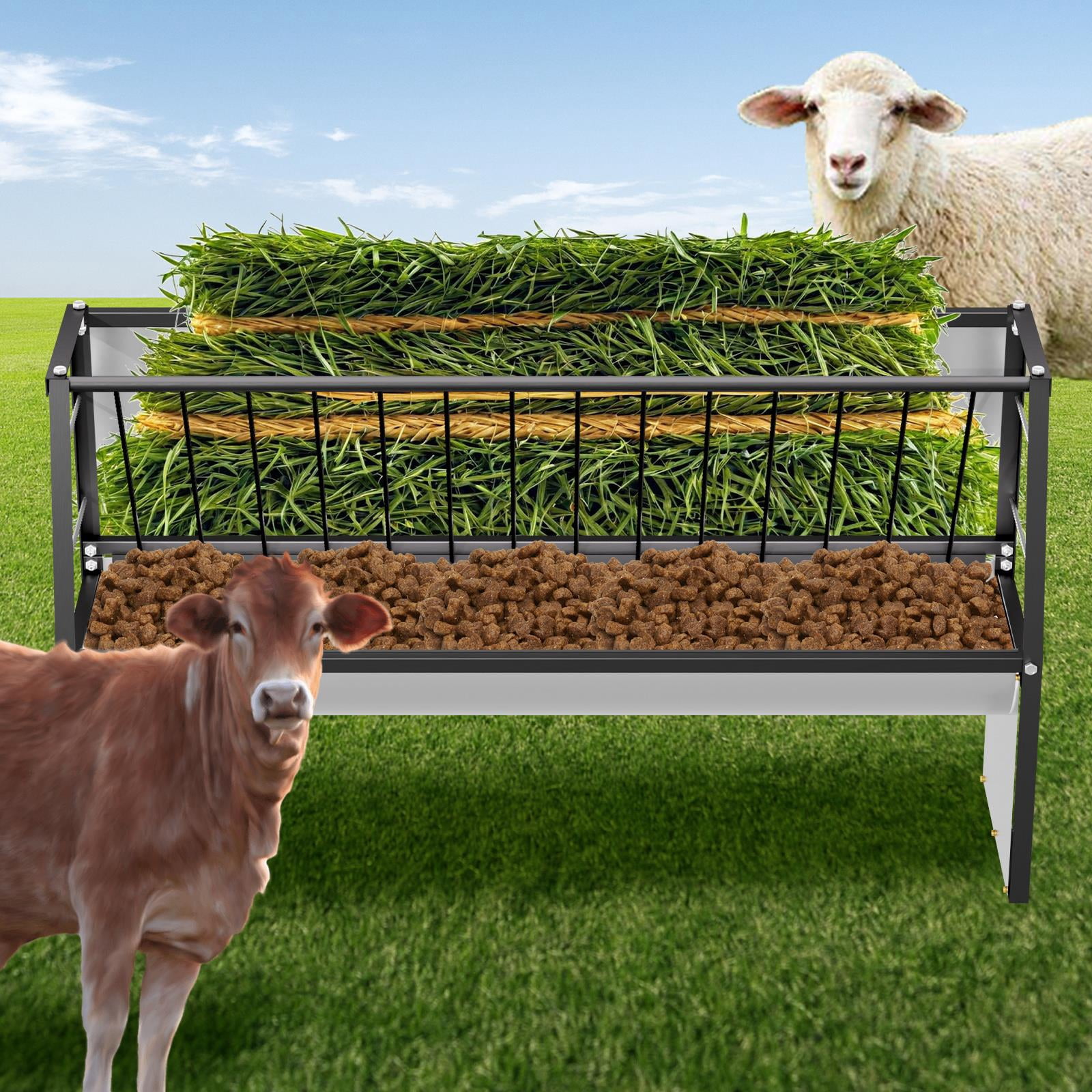
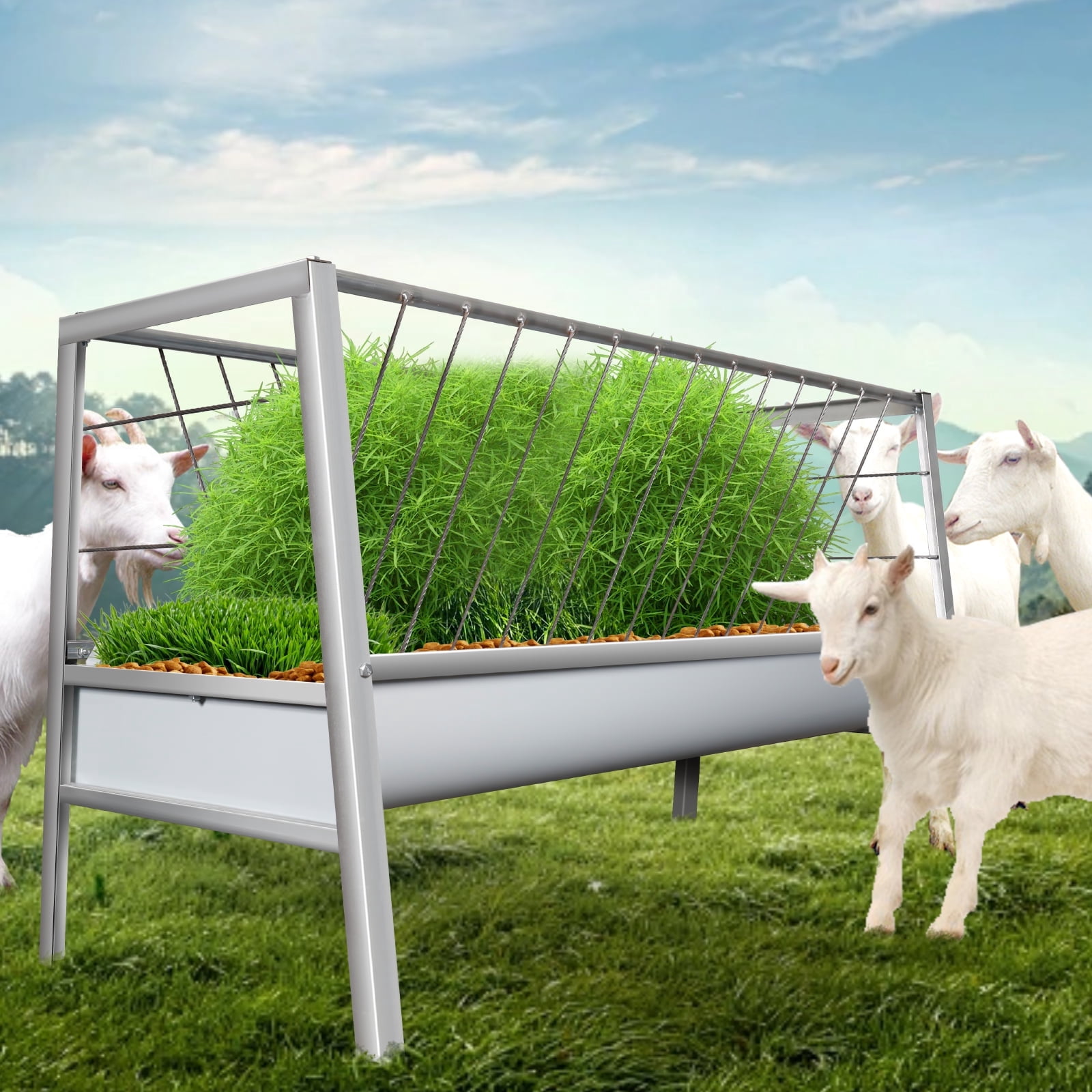
Apacentar, or the practice of feeding livestock by grazing them on pasture, is a management strategy that prioritizes the consumption of standing forage to meet the nutritional needs of ruminants and pseudo-ruminants. In 2026, this method remains the cornerstone of sustainable animal husbandry, balancing ecological health with the economic necessity of reducing reliance on expensive harvested feeds and concentrates.
Grazing is more than simply turning animals out into a field; it is a complex interaction between soil, plants, and animals. Successful pasture management requires a deep understanding of forage biology, animal behavior, and the timing of rest periods. When executed correctly, pasturing improves soil organic matter, enhances animal welfare, and produces meat and dairy products with superior nutritional profiles. As we look at the agricultural landscape of 2026, precision grazing technology and regenerative practices have transformed "apacentar" from a traditional habit into a high-tech science.
The Biological Foundations of Pasture Feeding
To effectively feed livestock with pasture, a producer must first understand the nutritional cycle of forage plants. Forage quality is not static; it fluctuates based on the stage of plant growth, the season, and soil fertility.
Forage Quality and Maturity
The nutritional value of pasture is highest when plants are in the vegetative stage. During this phase, plants are rich in protein and soluble carbohydrates while being relatively low in lignin—the structural component that makes plants "woody" and indigestible. As a plant matures and enters the reproductive (seeding) stage, the fiber content (Neutral Detergent Fiber or NDF) increases, and the digestibility (Total Digestible Nutrients or TDN) decreases significantly.
Livestock managers must aim to graze pastures when they reach the "boot stage" or just before flowering to ensure the highest nutrient density. In 2026, many producers use handheld NIR (Near-Infrared) scanners to get real-time readings of protein and moisture content in the field, allowing for precise adjustments to the grazing schedule.
The Role of Plant Species
A diverse pasture mix is essential for a balanced diet.
- Grasses: Provide the bulk of the dry matter and energy. Cool-season grasses (C3) like orchardgrass and fescue excel in spring and autumn, while warm-season grasses (C4) like bermudagrass or switchgrass provide "summer slump" relief.
- Legumes: Species such as alfalfa, white clover, and red clover are critical because they "fix" atmospheric nitrogen into the soil, reducing the need for synthetic fertilizers. Nutritionally, they provide high levels of protein and calcium.
- Forbs: Chicory and plantain are increasingly included in 2026 seed mixes for their deep taproots, which pull minerals from lower soil profiles and provide drought resilience.
Grazing Management Systems
The method by which animals are moved across the landscape determines the longevity of the pasture and the health of the livestock. There are three primary systems used in modern livestock production.
Continuous Grazing
In a continuous system, livestock have unrestricted access to a fixed area of land for an extended period. While this requires the least amount of labor and infrastructure, it often leads to "selective grazing." Animals will repeatedly eat the most palatable plants (like young clover) while ignoring less tasty weeds. Over time, the preferred plants die out due to overgrazing, and the pasture quality degrades.
Rotational Grazing
Rotational grazing involves dividing the pasture into smaller units called paddocks. Animals are moved from one paddock to another in a planned sequence. This prevents overgrazing and allows the forage in the rested paddocks to recover and regrow. In 2026, "Management-intensive Grazing" (MiG) is the gold standard, where animals are moved every 1 to 3 days. This high-density, short-duration approach mimics the movement of wild herds, stimulating the soil through concentrated manure deposition and "trampling" of organic matter.
Strip Grazing
Strip grazing is a variation of rotational grazing often used for high-value forages or during winter grazing of stockpiled fescue. A movable electric fence is used to give animals a fresh "strip" of pasture daily. This maximizes utilization, ensuring that almost 90% of the available forage is consumed or trampled rather than wasted.
Technical Specifications for Stocking and Intake
Calculating the correct number of animals for a given piece of land—the stocking rate—is the most critical technical task for any producer.
Animal Unit Months (AUM)
The standard unit of measure is the Animal Unit (AU), defined as one 1,000-pound cow (with or without a nursing calf). An Animal Unit Month (AUM) is the amount of forage required by one AU for one month, typically estimated at 750 to 800 pounds of air-dry forage.
To determine the carrying capacity of a pasture, managers must estimate the total forage production per acre and then apply the "take half, leave half" rule. Leaving 50% of the plant biomass is essential for photosynthesis to continue and for the root system to remain deep and healthy.
Dry Matter Intake (DMI)
Livestock generally consume between 2% and 4% of their body weight in dry matter (DM) per day. For example, a 1,200-pound beef cow requires approximately 30 to 36 pounds of dry matter daily. Pasture typically contains 70% to 85% water, meaning the animal must consume a significant physical volume of green grass to meet its DM requirements. If the pasture is too "washy" (high water, low fiber), the animal may physically fill its rumen before meeting its energy needs, leading to a drop in performance.
| Livestock Type | Estimated DMI (% of Body Weight) | Best Forage Stage | Primary Nutritional Goal |
|---|---|---|---|
| Beef Cattle (Stockers) | 3.0% - 3.5% | Mid-Vegetative | Rapid weight gain / Energy |
| Dairy Cows (Lactating) | 3.5% - 4.5% | Early-Vegetative | Milk volume / Protein |
| Sheep/Goats | 3.0% - 4.0% | Short, leafy | Parasite resistance / Maintenance |
| Horses | 2.0% - 2.5% | Mature vegetative | Fiber / Gut health |
Infrastructure and Technology in 2026
Modern pasturing requires robust infrastructure to manage animal movement and provide for their basic needs.
Fencing and Virtual Fencing
High-tensile electric fencing remains the backbone of pasture management due to its cost-effectiveness and ease of installation. However, in 2026, virtual fencing has become commercially viable for many operations. Animals wear GPS-enabled collars that emit an auditory tone or a mild stimulus when they approach a digital boundary set on a smartphone app. This allows producers to implement complex rotational grazing patterns without ever driving a fence post, and it makes grazing steep or wooded terrain much easier.
Water Distribution
Water is the most important nutrient. In a grazing system, the distance an animal must travel to reach water dictates how they use the pasture. If water is more than 800 feet away, animals tend to stay near the tank, overgrazing that area and underutilizing the rest of the paddock. Modern systems use polyethylene pipe laid on the surface or shallow-buried, feeding portable water troughs that can be moved with the livestock.
Precision Monitoring
Drones equipped with multispectral cameras are now used to map forage biomass. These tools provide a "Normalized Difference Vegetation Index" (NDVI) report, telling the farmer exactly how many pounds of forage are available in each paddock. This data integrates with herd management software to automate the grazing rotation schedule.
Economic and Environmental Benefits
Transitioning to a pasture-based feeding system offers significant advantages over confinement or total mixed ration (TMR) systems.
- Reduced Input Costs: By allowing the animal to harvest its own feed and spread its own manure, the producer saves on diesel, machinery maintenance, and commercial fertilizer.
- Animal Health: Grazing animals typically have fewer respiratory issues than those kept in barns. Furthermore, the natural movement associated with grazing improves hoof health and reduces the incidence of lameness.
- Soil Carbon Sequestration: Properly managed pastures are massive carbon sinks. The constant cycle of grazing and regrowth pumps liquid carbon (sugars) through the roots into the soil, feeding the microbiome and building long-term soil fertility.
- Market Premiums: Consumers in 2026 continue to demand "Grass-Fed" and "Pasture-Raised" labels. These products often command a 20% to 50% price premium over commodity grain-finished products.
Common Challenges and Troubleshooting
Despite the benefits, "apacentar" presents unique hurdles that require proactive management.
Parasite Management
Internal parasites (nematodes) are a significant threat to grazing livestock, particularly sheep and goats. In the past, producers relied heavily on chemical dewormers, but widespread resistance has changed the strategy. The current best practice is the "Refugia" strategy: only deworming the animals that show clinical signs of illness and using long rest periods (over 40 days) to allow parasite larvae on the pasture to die off before the animals return.
The "Summer Slump"
Many cool-season grasses stop growing when temperatures exceed 85°F (29°C). To prevent a shortage of feed, producers must plan for this gap by planting warm-season annuals like sudangrass or pearl millet, or by utilizing stockpiled forage from earlier in the season.
Bloat Prevention
When livestock are moved into a pasture with a high percentage of legumes (especially alfalfa or ladino clover), there is a risk of frothy bloat. This occurs when fermentation gases get trapped in a foam in the rumen. Management techniques include:
- Never turning hungry animals into a lush legume pasture.
- Ensuring the pasture is dry (no dew or rain) before grazing.
- Using "bloat blocks" or surfactants in the water.
Implementation Steps for Success
- Inventory Your Resources: Map your soil types, existing forage species, and water sources.
- Design a Paddock Layout: Start with permanent perimeter fencing and use temporary electric wire for internal divisions.
- Monitor Forage Height: Use a grazing stick to measure the sward. A general rule is to "start at eight inches and stop at four" for many common grasses.
- Adjust Stocking Rates Seasonally: Do not be afraid to sell livestock or buy in hay if the weather does not support your forage growth.
- Keep Records: Track the dates animals enter and leave each paddock to calculate "grazing days per acre." This data is invaluable for long-term planning.
Frequently Asked Questions
What is the best grass for feeding livestock?
There is no single "best" grass, as it depends on your climate and soil. However, a mixture of a high-yielding grass (like Orchardgrass), a nitrogen-fixing legume (like White Clover), and a deep-rooted forb (like Chicory) provides the most resilient and nutritionally complete diet.
How long should a pasture rest between grazing cycles?
The rest period depends on the growth rate of the grass. In the fast-growing spring, rest periods may be as short as 14 to 21 days. In the heat of summer or the dormancy of winter, they may extend to 60 or 90 days. The rule of thumb is to never graze the same plant twice before it has fully recovered its carbohydrate reserves.
Can I finish beef cattle on pasture alone?
Yes, but it requires high-quality forage and excellent management. To achieve the fat cover and marbling required for high-grade beef, cattle need "high-energy" forages like annual ryegrass, small grains, or high-sugar legumes. It typically takes longer to finish cattle on grass (20-24 months) than on grain (14-16 months).
Does pasturing livestock help with climate change?
Well-managed rotational grazing is one of the most effective ways to sequester carbon. By maintaining permanent ground cover and encouraging deep root growth, pastures pull CO2 from the atmosphere and store it as stable organic matter in the soil.
Is virtual fencing worth the investment in 2026?
For producers with large, rugged acreages or those who want to practice ultra-high-frequency moves (multiple times a day), virtual fencing offers a high return on investment by drastically reducing labor and physical fencing costs. For small, flat farms, traditional electric fencing may still be more cost-effective.
Final Recommendation
To succeed in feeding livestock with pasture, you must transition your mindset from being a "livestock owner" to being a "forage manager." The animal is simply the tool used to harvest the crop you grow in the soil. Focus on the health of the plant and the rest period of the soil; the health and productivity of the livestock will naturally follow. Start by implementing a basic rotational system and use the data you gather to refine your stocking rates and forage choices over time.