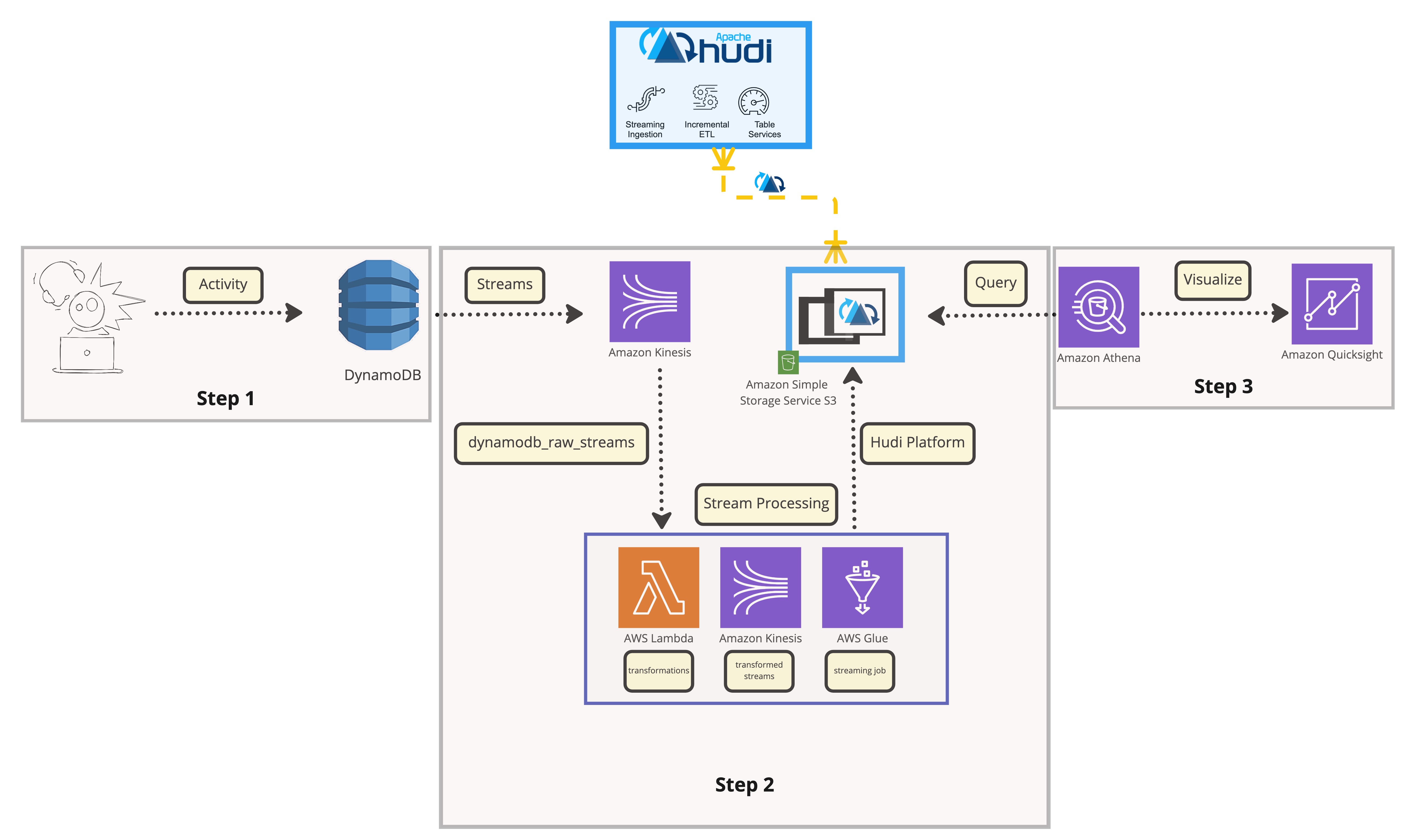
Apache Hudi is an open-source data management framework used to create lakehouse architectures by bringing database-like capabilities—specifically ACID transactions, upserts, and deletes—to distributed file systems and cloud object stores. It enables organizations to process streaming and batch data on a single, unified storage layer with high reliability.
In the data landscape of 2026, the traditional divide between the agility of data lakes and the governance of data warehouses has largely vanished. This convergence is driven by the "lakehouse" architecture, and Apache Hudi remains at the forefront of this evolution. Originally developed at Uber to solve the problem of incremental updates at scale, Hudi (Hadoop Upserts Deletes and Incrementals) has matured into a comprehensive platform that handles the complexities of data lake management, ensuring that data is fresh, consistent, and easily accessible for both AI workloads and standard business intelligence.
The Architecture of a Modern Open Source Lakehouse
A lakehouse architecture aims to provide the best of both worlds: the low-cost, scalable storage of a data lake (like Amazon S3, Azure Data Lake Storage, or HDFS) and the transactional integrity and performance optimization of a data warehouse. Apache Hudi achieves this by inserting a sophisticated management layer between the raw data files and the compute engines.
Unlike traditional data lakes where data is written as immutable files, Hudi manages data as a "table." This table abstraction allows users to perform operations that were previously difficult or impossible on a data lake, such as updating a single row or deleting specific records for GDPR compliance. By 2026, Hudi’s architecture has evolved to support multi-modal indexing and a highly optimized metadata catalog that minimizes the need for expensive file listing operations, which were a significant bottleneck in earlier cloud data lake designs.
The Role of the Hudi Timeline
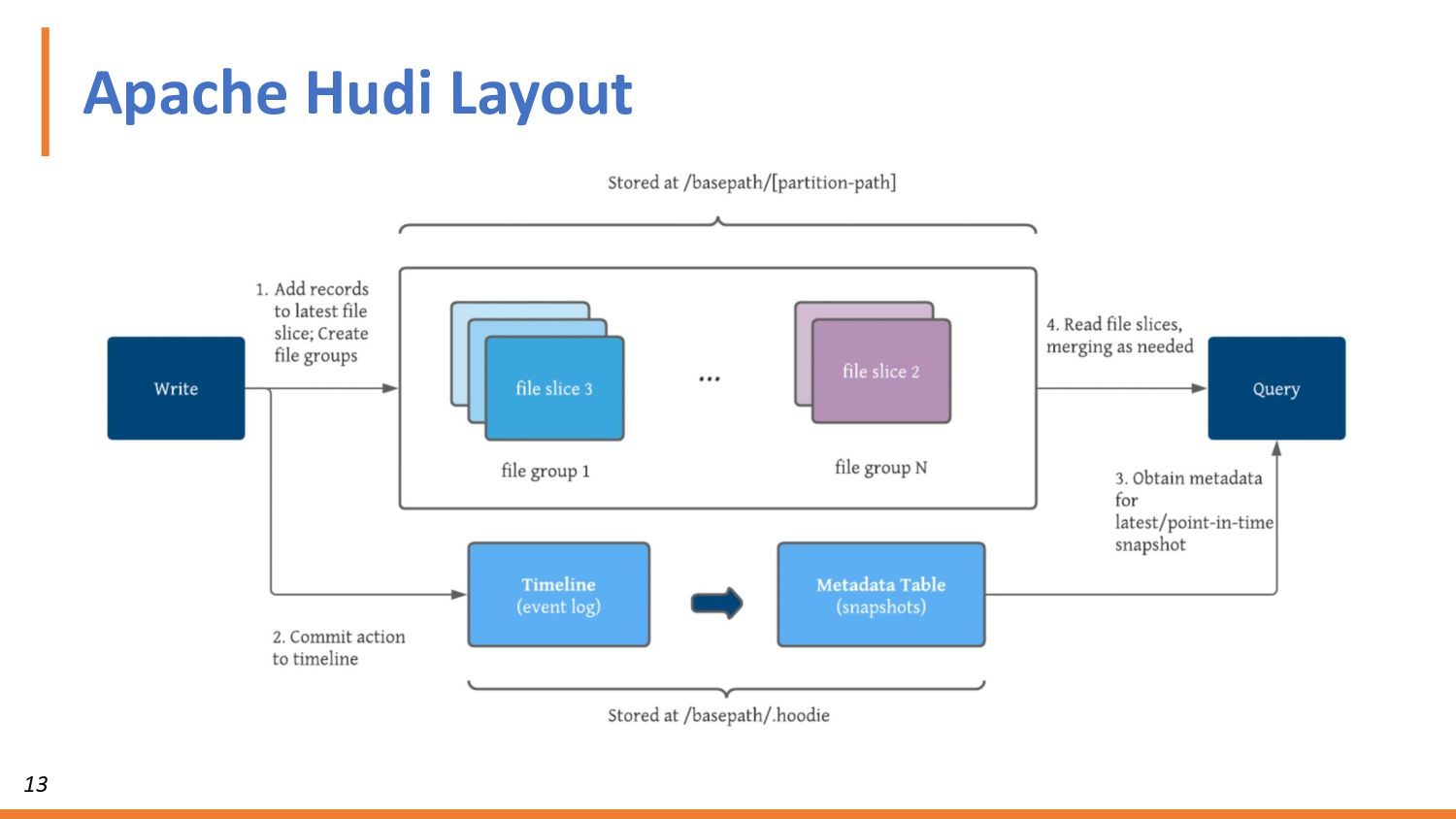
At the heart of Apache Hudi is the Timeline. The timeline serves as the "event log" for all actions performed on a table. Every transaction—whether it is a write, a compaction, or a clean-up—is recorded as an instant on the timeline. This chronological record is what enables ACID compliance.
- Atomicity: A write operation is only considered successful if the entire transaction completes and is committed to the timeline. If a process fails mid-way, Hudi ensures that the partial data is ignored by readers.
- Consistency: Hudi maintains table-level metadata that ensures readers always see a consistent view of the data as of a specific point in time.
- Isolation: Using Snapshot Isolation, Hudi allows multiple writers and readers to interact with the data simultaneously without interfering with each other.
- Durability: Once a commit is written to the timeline and the underlying storage, the data is guaranteed to be persistent.
Implementing ACID Transactions on a Data Lake
The implementation of ACID transactions is what separates a modern lakehouse from a legacy "data swamp." In a standard data lake, updating a record typically requires rewriting an entire partition, which is inefficient and error-prone. Hudi simplifies this through its specialized storage formats and indexing mechanisms.
Snapshot Isolation and Concurrency Control
In 2026, most enterprise-scale Hudi deployments utilize Multi-Writer Concurrency Control (MWCC). This allows different data pipelines to ingest data into the same table at the same time. Hudi manages this through optimistic concurrency control or via pluggable lock providers (such as Zookeeper, Hive Metastore, or Amazon DynamoDB).
When a writer starts an operation, it takes a "snapshot" of the table. It performs its updates in a new set of files. Before committing, Hudi checks if any other writer has modified the same data. If no conflicts exist, the transaction is committed, and the timeline is updated. This mechanism ensures that high-frequency streaming updates do not block long-running batch analytics jobs.
Schema Evolution and Enforcement
ACID transactions are only useful if the data remains queryable. Apache Hudi provides robust schema management, supporting "Schema-on-Write." This ensures that any data entering the lakehouse conforms to a predefined schema, preventing the "broken pipeline" syndrome where a change in a source system crashes downstream analytics. Hudi supports complex schema evolutions, such as adding, renaming, or changing the data types of columns, without requiring a full table rewrite.
Storage Types: Copy on Write vs. Merge on Read
A critical decision when designing an Apache Hudi lakehouse is choosing the right storage type. Hudi offers two primary table types, each optimized for different workloads and performance requirements.
Copy on Write (CoW)
In a Copy on Write table, every time an update occurs, Hudi reads the existing Parquet file, merges it with the new records, and writes out a brand new version of the file.
- Pros: Highly optimized for read performance, as the data is always stored in a columnar, compacted format.
- Cons: Higher "write amplification." Frequent updates can become expensive because even a single row change requires rewriting the entire file.
- Best Use Case: Tables with heavy read patterns but relatively infrequent updates (e.g., nightly batch uploads).
Merge on Read (MoR)
Merge on Read is designed for near real-time ingestion. When data is updated, Hudi does not immediately rewrite the base Parquet file. Instead, it writes the changes to a "delta log" (usually in Avro format). When a user queries the data, Hudi merges the base file and the delta logs on the fly to provide the latest view.
- Pros: Extremely low ingestion latency. It can handle high-velocity streaming data with ease.
- Cons: Higher read overhead, as the engine must perform the merge during the query. However, Hudi manages this by periodically "compacting" the delta logs into new base files in the background.
- Best Use Case: Streaming data pipelines, real-time dashboards, and scenarios where data freshness is critical.
Comparison Table: CoW vs. MoR
| Feature | Copy on Write (CoW) | Merge on Read (MoR) |
|---|---|---|
| Data Format | Parquet (Columnar) | Parquet (Base) + Avro (Logs) |
| Write Latency | Higher (Rewrites files) | Lower (Appends to logs) |
| Read Latency | Lower (Optimized files) | Higher (Merge-on-read) |
| Write Amplification | High | Low |
| Compaction | Not needed | Required to maintain performance |
| Primary Use Case | Analytical / Batch BI | Real-time Streaming / Upserts |
Advanced Indexing: The Secret to Upsert Performance
The ability to perform fast upserts (update or insert) is the defining feature of Apache Hudi. To do this efficiently, Hudi must quickly locate which file contains a specific record key. Without an index, the system would have to scan every file in the partition, which is unsustainable at petabyte scales.
As of 2026, Hudi supports several sophisticated indexing strategies:
- Bloom Index: Uses Bloom filters stored in the footer of Parquet files to quickly rule out files that do not contain the record key.
- Simple Index: Performs a join between incoming records and the existing table.
- HBase Index: Uses an external Apache HBase cluster to store the mapping of record keys to file IDs. This provides the fastest lookups for extremely high-volume writers.
- Bucket Index: A newer, highly efficient indexing method that distributes records into "buckets" based on a hash of the record key, eliminating the need for expensive index lookups during writes.
- Multi-modal Indexing: Hudi now integrates column statistics and bloom filters into a dedicated "Metadata Table," which compute engines like Trino or Presto can use to skip entire blocks of data during queries.
Ecosystem Integration and Tooling
Apache Hudi is designed to be "compute agnostic," meaning it integrates with the most popular big data processing engines. In a 2026 architecture, Hudi acts as the storage platform that serves multiple consumers.
- Apache Spark: The most common engine for writing to Hudi. Spark’s structured streaming provides a seamless path for ingesting data into Hudi tables.
- Apache Flink: Ideally suited for low-latency, stateful streaming applications. Flink’s integration with Hudi MoR tables allows for true real-time lakehouses.
- Trino and Presto: Used for high-speed SQL queries. These engines interact with Hudi’s metadata to perform "predicate pushdown," ensuring that only the necessary data is read from storage.
- Catalog Integration: Hudi integrates with the Apache Hive Metastore, AWS Glue Data Catalog, and the Hudi Metaserver to ensure that tables are discoverable across the entire enterprise.
Managing the Lakehouse Lifecycle
Operating an Apache Hudi lakehouse requires more than just writing data; it requires active management of the underlying storage to prevent performance degradation over time.
Compaction
For Merge on Read tables, compaction is the process of merging the delta log files into new columnar Parquet base files. Hudi allows for "Async Compaction," where a background process handles the merge while ingestion continues uninterrupted. This prevents the number of log files from growing too large, which would otherwise slow down read queries.
Cleaning and Archiving
Data lakes can quickly become cluttered with old versions of files created during updates. Hudi’s Cleaner service automatically removes old file versions that are no longer needed for snapshots or point-in-time queries. Simultaneously, the Archiver moves old instants from the active timeline to an archived folder to keep the timeline performance snappy.
Clustering
Over time, data can become fragmented, leading to "small file problems." Clustering is a technique where Hudi reorganizes data on disk. It can group related data together (e.g., by a specific ID or timestamp) and merge small files into larger, more efficient ones. This significantly improves query performance by reducing the number of I/O operations required.
Common Challenges and Troubleshooting
Despite its power, implementing Apache Hudi requires careful tuning. Organizations often encounter the following hurdles:
- Small File Problem: If the write volume is low but the frequency is high, Hudi may create many small files. Using Hudi's clustering features or adjusting the
parquet.small.file.limitis essential. - Memory Management: During heavy upsert operations, Spark executors may run out of memory. Tuning the
hoodie.memory.fractionand ensuring proper shuffle partitions are vital steps for stability. - Clock Skew: In distributed environments, inconsistent system clocks can occasionally interfere with the timeline. Using a centralized lock provider or NTP (Network Time Protocol) helps mitigate this risk.
- Index Overhead: While indexes speed up lookups, they take up space and require processing power. Choosing the right index type (e.g., Global Bloom vs. Simple) based on your key distribution is a critical architectural decision.
The Future of Hudi: Beyond 2026
Looking toward the future, Apache Hudi is expanding into "Onehouse" concepts—automated managed services that handle all the tuning, compaction, and scaling of Hudi tables automatically. The project is also focusing on deeper integration with AI and Machine Learning frameworks, allowing data scientists to query specific versions of datasets (time travel) to ensure model reproducibility.
The move toward Table Formats (Hudi, Iceberg, and Delta Lake) becoming interoperable is another significant trend. In 2026, tools like Apache XTable (formerly OneTable) allow users to write data once in Hudi format and read it as if it were Iceberg or Delta, providing ultimate flexibility and preventing vendor lock-in.
Frequently Asked Questions
What is the main difference between Apache Hudi and Apache Iceberg?
While both are lakehouse table formats, Hudi is historically more focused on incremental processing and low-latency upserts for streaming data. Iceberg focuses on simplified table evolution and performance for large-scale batch analytical queries. Hudi’s Merge on Read (MoR) storage type generally offers lower ingestion latency than Iceberg’s equivalent features.
Can I use Apache Hudi without Spark?
Yes. While Spark is a popular choice, Hudi has first-class support for Apache Flink for streaming ingestion and a Java-based write client that can be integrated into custom applications. Additionally, engines like Presto, Trino, and Hive can read Hudi tables natively.
How does Hudi handle GDPR "Right to be Forgotten" requests?
Hudi is exceptionally well-suited for GDPR compliance. Because it supports primary-key-based deletes, you can issue a delete command for a specific user ID. Hudi will efficiently locate the record and remove it from the data lake, a process that would require massive manual effort in a traditional Parquet-based data lake.
Does Apache Hudi support multi-cloud deployments?
Yes. Hudi is storage-agnostic. It works seamlessly with Amazon S3, Google Cloud Storage, Azure Blob Storage, and on-premises HDFS. This makes it an ideal choice for organizations pursuing a multi-cloud or hybrid-cloud data strategy.
Is Apache Hudi truly open source?
Yes, Apache Hudi is a Top-Level Project (TLP) under the Apache Software Foundation. It is governed by a community of contributors and is free to use under the Apache License 2.0, ensuring no vendor lock-in.
How do I handle schema changes in Hudi?
Hudi supports schema evolution through its integration with Avro. You can add new columns with default values or rename existing columns. Hudi ensures that these changes are managed safely, allowing old data to be read with the new schema and vice versa (backward and forward compatibility).
Recommendation for Next Actions
To successfully implement an Apache Hudi lakehouse, begin by identifying a high-value use case that requires incremental data updates or real-time visibility, such as a customer 360 dashboard or a financial transaction ledger.
- Evaluate your workload: Choose Copy on Write for analytical tables where read speed is paramount, or Merge on Read for streaming pipelines requiring sub-minute freshness.
- Start with a PoC: Use a managed Spark environment (like Amazon EMR, Google Cloud Dataproc, or Databricks) to ingest a sample dataset into Hudi.
- Monitor the Timeline: Use the Hudi CLI tool to inspect the timeline and ensure that cleaning and compaction services are running as expected.
- Optimize Indexing: If you encounter slow upsert times, experiment with different indexing strategies like the Bucket Index or HBase Index to find the right balance for your record key distribution.