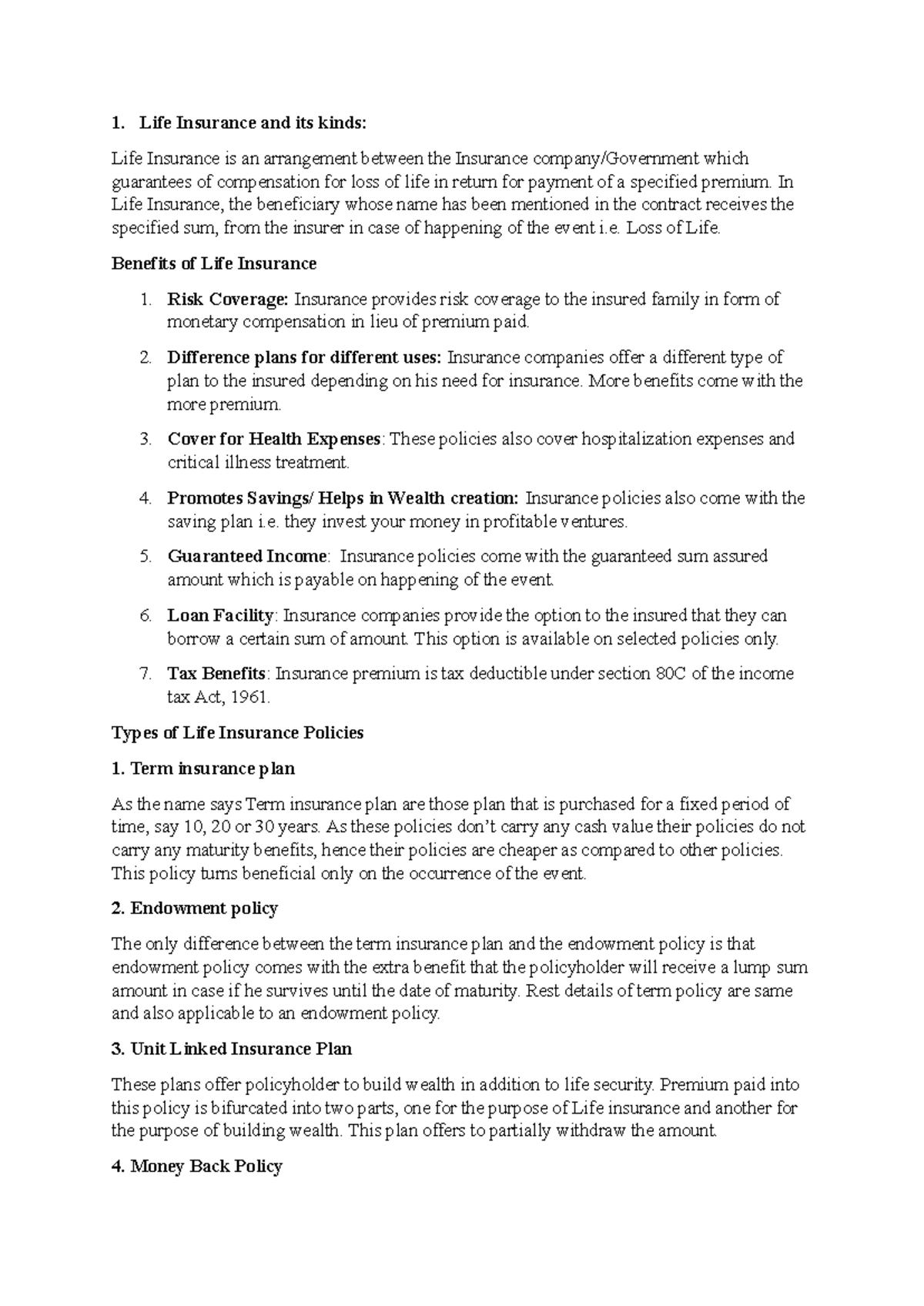
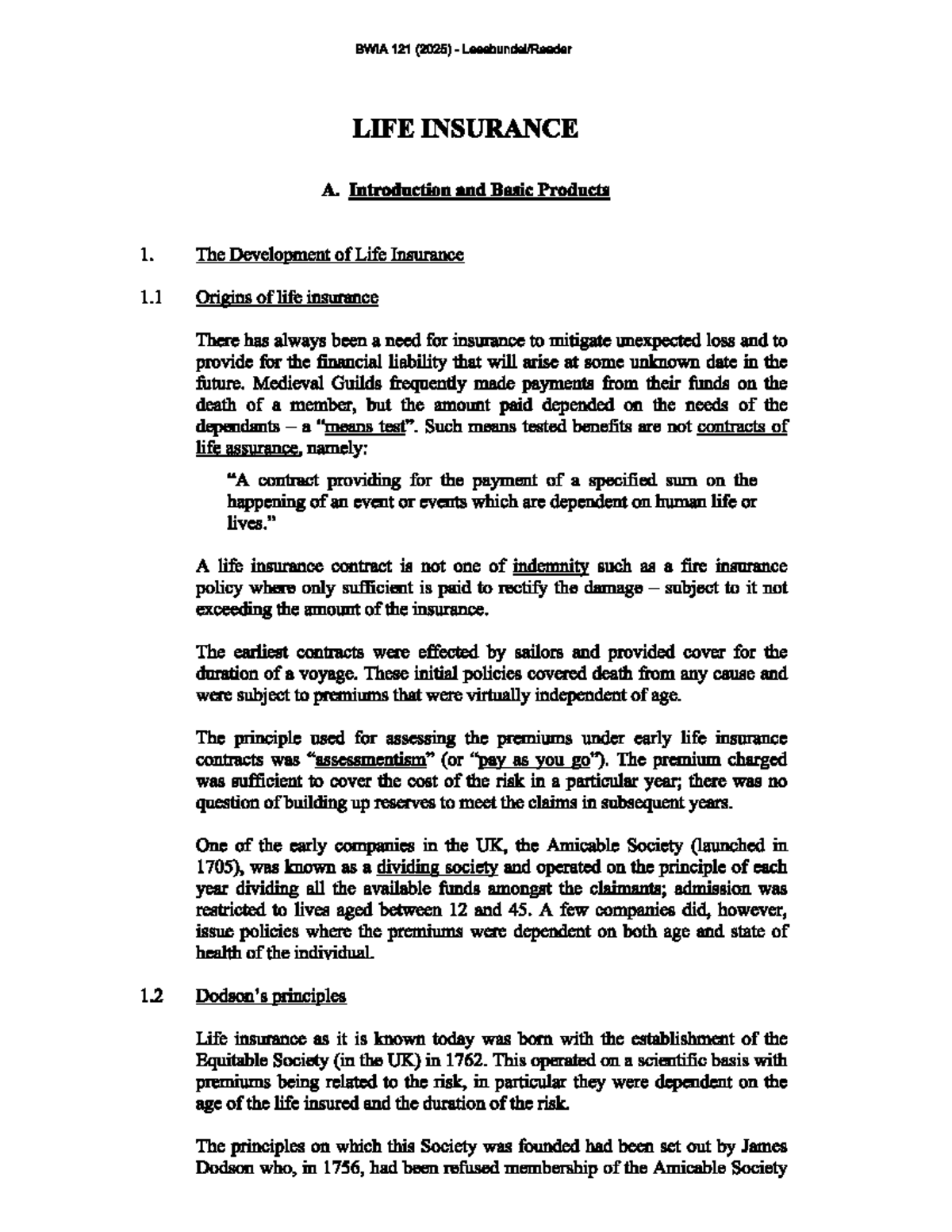
Aon Hewitt life insurance refers to group life insurance coverage managed through the benefits administration platforms originally developed by Aon Hewitt (now primarily Alight Solutions). These plans typically include employer-paid basic life, employee-paid supplemental life, and Accidental Death and Dismemberment (AD&D) coverage, featuring streamlined enrollment and group-negotiated premium rates.
The Evolution of Aon Hewitt Benefits Administration
To understand Aon Hewitt life insurance in 2026, one must first understand the structural evolution of the entity. Formerly a global leader in human capital consulting and benefits administration, Aon Hewitt underwent a significant transition when Aon sold its benefits administration business to Blackstone in 2017, resulting in the creation of Alight Solutions. Despite this rebranding, many long-term employees and corporate HR departments still refer to their benefits portals as "Aon Hewitt" systems due to the legacy architecture of the Your Benefits Resources (YBR) platform.
In 2026, these life insurance programs continue to serve as a cornerstone of corporate health and welfare packages. They are not underwritten by Aon itself; rather, Aon (or Alight) acts as the intermediary and administrator. The actual insurance risk is carried by major underwriters such as MetLife, Prudential, Securian, or New York Life. The "Aon Hewitt" experience is defined by the user interface, the ease of enrollment, and the integration of life insurance with other health and retirement benefits.
These programs are designed to provide a financial safety net for employees and their families. Because they are group-based, they offer distinct advantages over individual policies, such as guaranteed issue amounts—coverage granted without medical questions—up to certain limits. For the modern workforce, this remains a primary vehicle for securing affordable, high-limit death benefits that would be significantly more expensive or difficult to obtain on the private market.
Primary Life Insurance Products and Coverage Tiers
The life insurance options available through Aon Hewitt-administered portals generally fall into four distinct categories. Each is designed to address a different aspect of financial planning and risk management.
Basic Group Term Life Insurance
Basic life insurance is typically provided by the employer at no cost to the employee. In most 2026 corporate structures, this benefit is calculated as a multiple of the employee’s annual base salary (e.g., 1x or 2x salary) or a flat dollar amount (e.g., $50,000). Because the employer pays the premium, this is considered a "non-contributory" plan. Under IRS regulations, the value of employer-provided life insurance exceeding $50,000 is considered taxable "imputed income," which appears on the employee’s W-2.
Supplemental (Optional) Life Insurance
For employees requiring coverage beyond the basic limit, supplemental life insurance allows for the purchase of additional protection. This is a "contributory" benefit, meaning the employee pays the premium through post-tax or pre-tax payroll deductions. Coverage is usually offered in increments of salary (1x to 8x) or specific dollar blocks. In 2026, most plans allow for a "Guaranteed Issue" amount during the initial hiring phase, meaning no medical exams are required up to a certain threshold, such as $500,000 or 3x salary.
Dependent Life Insurance
This feature extends coverage to the employee’s spouse, domestic partner, and eligible children. Spouse coverage often requires Evidence of Insurability (EOI) if the requested amount exceeds a low threshold (e.g., $50,000). Child coverage is usually a flat amount and covers all eligible children under one premium. It is important to note that the employee is automatically the beneficiary of any dependent life insurance claims.
Accidental Death and Dismemberment (AD&D)
AD&D insurance is often paired with life insurance but serves a specific purpose. It pays a benefit if the insured dies or suffers a specific loss (such as loss of limb, sight, or hearing) due to a covered accident. AD&D is generally much cheaper than standard life insurance because it does not cover deaths resulting from illness or natural causes. Many Aon Hewitt-managed plans offer "Business Travel Accident" insurance as an additional subset of AD&D.
The Role of Evidence of Insurability (EOI) in 2026
One of the most technical aspects of Aon Hewitt life insurance administration is the Evidence of Insurability (EOI) process. EOI is a health statement or medical questionnaire used by the insurance carrier to determine an applicant's insurability. In 2026, this process has become largely digitized, integrated directly into the enrollment portal.
Employees typically encounter the EOI requirement in three scenarios:
- Exceeding Guaranteed Issue: When an employee requests a total coverage amount (Basic + Supplemental) that exceeds the carrier's pre-approved limit.
- Late Enrollment: When an employee declines coverage during their initial eligibility period but decides to opt-in during a later annual Open Enrollment.
- Significant Increases: When an employee attempts to increase their existing coverage by more than one "step" or increment during an annual enrollment cycle.
The EOI process can range from a simple online questionnaire regarding height, weight, and tobacco use to a more comprehensive "paramedical" exam involving blood work and a physical. In the context of Aon Hewitt platforms, the status of an EOI application is tracked in real-time. Coverage that is "pending EOI" does not become effective—and premiums are not deducted—until the underwriter provides formal approval.
Critical Policy Provisions: Portability, Conversion, and Accelerated Benefits
A common concern for employees in 2026 is what happens to their life insurance if they leave their employer. Aon Hewitt-administered plans typically include two specific provisions to address this: Portability and Conversion.
Portability allows an employee to "port" or take their group term life insurance with them when they leave the company, provided they are not retiring or disabled. The rates for ported coverage are usually higher than the active employee group rate but lower than many individual term policies. Ported coverage remains term insurance and usually expires at a specific age, such as 70 or 75.
Conversion allows an employee to convert their group term policy into an individual permanent (whole life) policy without undergoing a medical exam. This is a critical right for employees with terminal illnesses or chronic conditions who would otherwise be uninsurable. However, conversion premiums are significantly higher than group term rates because they are based on the individual's attained age and the permanent nature of the policy.
Accelerated Death Benefits (ADB) is another key feature. This provision allows a terminally ill insured person to receive a portion of their life insurance benefit (often up to 50% or 80%) while they are still living. These funds are typically used to cover end-of-life medical expenses or to provide financial comfort during the final stages of an illness. The remaining balance is paid to the beneficiaries upon the insured's death.
Cost Structures: Age-Banded Premiums and Group Rates
The pricing of supplemental life insurance through Aon Hewitt platforms is almost always based on age bands. Unlike individual life insurance where a premium might be locked in for 20 years, group supplemental life premiums increase as the employee moves into new age brackets (typically in 5-year increments: 30-34, 35-39, etc.).
| Coverage Category | Typical Funding | Medical Underwriting | Cost Basis |
|---|---|---|---|
| Basic Life | Employer-Paid | None (Guaranteed) | Flat or % of Salary |
| Supplemental Life | Employee-Paid | EOI over certain limits | Age-Banded Rates |
| Spouse Life | Employee-Paid | EOI often required | Age-Banded (Spouse's Age) |
| Child Life | Employee-Paid | None | Flat Rate per Family |
| AD&D | Voluntary/Employer | None | Flat Rate per $1k |
In 2026, these rates are negotiated at the corporate level. Large employers leverage their massive headcount to secure "bulk" pricing, which often makes this coverage more affordable for older employees or those with minor health issues than comparable private policies. However, for young, healthy non-smokers, private term insurance can sometimes be more cost-effective because it is "fully underwritten" from dollar one, whereas group rates must account for the "average" health of the entire employee population.
Beneficiary Designations and the "Your Benefits Resources" (YBR) Portal
Properly managing beneficiaries is the most critical task for any policyholder using the Aon Hewitt (Alight) system. Life insurance is a contractual benefit that generally bypasses probate, meaning the funds go directly to the named beneficiary regardless of what is written in a will.
Within the YBR portal, employees can designate Primary and Contingent beneficiaries.
- Primary Beneficiaries: The first in line to receive the death benefit.
- Contingent Beneficiaries: Receive the benefit only if all primary beneficiaries have predeceased the insured.
A common pitfall in 2026 remains the failure to update beneficiaries after major life events like divorce or remarriage. Most Aon Hewitt-administered plans are governed by the Employee Retirement Income Security Act (ERISA). Under ERISA, the plan administrator is generally required to pay the benefit to the person named on the valid beneficiary form on file, even if a state-level divorce decree suggests otherwise. This makes annual verification of beneficiary data during the Open Enrollment period an essential financial hygiene practice.
Comparing Employer-Sponsored Group Life to Private Insurance
While Aon Hewitt-managed plans offer convenience, they should not necessarily be an individual’s only source of life insurance. A balanced financial plan often uses group coverage as a foundation while supplementing it with a private policy.
The primary limitation of group life is linkage to employment. If an employee is laid off or the company goes out of business, the coverage may lapse unless the employee can afford the higher portability or conversion rates. Furthermore, group plans often have "benefit reduction" schedules. It is common for the face value of a group policy to automatically reduce by 35% or 50% once the employee reaches age 65 or 70, even if they are still working.
Private insurance, conversely, offers a fixed premium and a fixed death benefit for the duration of the term. For a 30-year-old employee, a private 30-year term policy provides a level of certainty that a year-to-year group plan cannot match. However, the Aon Hewitt portal remains the easiest way to obtain high-limit coverage quickly, often with the convenience of "automatic" approval for amounts that would require weeks of underwriting in the private sector.
FAQ
Does Aon Hewitt life insurance require a medical exam?
Basic life insurance and supplemental amounts below the "Guaranteed Issue" limit do not require a medical exam. However, if you apply for coverage above that limit—often $500,000 or 3x your salary—you will likely need to complete an Evidence of Insurability (EOI) form, which may lead to a medical exam depending on your health history.
What happens to my Aon Hewitt life insurance if I quit my job?
If you leave your employer, your group coverage typically ends on your last day of employment or at the end of the month. You usually have a 31-day window to apply for Portability (continuing term coverage) or Conversion (converting to a whole life policy) through the Alight/Aon Hewitt portal to maintain protection without a medical exam.
Can I change my beneficiaries at any time?
Yes. Beneficiary designations can be updated at any time throughout the year via the Your Benefits Resources (YBR) portal or the Alight Mobile app. You do not need a Qualifying Life Event (QLE) to change who will receive your life insurance proceeds, though it is highly recommended to review these choices after a marriage, birth, or divorce.
Is the death benefit from these plans taxable?
Generally, the death benefit paid to beneficiaries from a life insurance policy is not subject to federal income tax. However, if the employer paid for coverage in excess of $50,000, the "imputed income" value of those premiums is taxed as part of your annual salary while you are active. Consult with a tax professional regarding estate tax implications for very large payouts.
What is the difference between Aon Hewitt and Alight Solutions?
Aon Hewitt was the original entity that managed these benefits. In 2017, Aon sold this division, and it became Alight Solutions. Today, while many people still use the "Aon Hewitt" name, the technology, portals, and customer service are provided by Alight. The core functionality and your access to life insurance remain essentially the same.
Practical Recommendation
When managing your life insurance through the Aon Hewitt/Alight platform in 2026, the most effective strategy is to maximize the "Guaranteed Issue" supplemental coverage if you have any minor health conditions that might make private insurance expensive. Ensure you have named at least one primary and one contingent beneficiary, and specifically check that your "Basic Life" and "Supplemental Life" designations are both filled out, as some systems require separate entries for each.
For those with significant financial obligations—such as a mortgage or young children—treat the Aon Hewitt plan as a flexible layer of protection, but consider an external, level-premium term policy to ensure you have a permanent safety net that is not dependent on your current employer. To verify your current coverage limits and EOI status, log in to your company's YBR portal and navigate to the "Health & Insurance" section to download your current Summary of Benefits and Coverage (SBC).